REVIEW · SIEM REAP
Angkor Wat Sunrise & Ancient City Discovery
Book on Viator →Operated by Angkor Cycling Tour · Bookable on Viator
Sunrise hits different from a bike seat. This 5:00 am Angkor Wat cycling day mixes temple timing with a morning ride through quieter paths, so you’re not just standing around waiting for light.
I also love the practical setup: you get a quality Giant/Trek mountain bike plus helmet, and you’re fueled for a long morning with breakfast, lunch, and drinks. One heads-up: the schedule is early, so plan for some groggy start energy.
The real magic is the human touch. English-speaking guides such as Mr. Seng, Bobo, Vannarath, and Sihal bring the history to life and help you find better angles for photos, with pacing that doesn’t turn the day into a sprint. And with a maximum of 10 people, you’ll usually get a ride that feels guided, not rushed.
In This Review
- Key Things I’d Plan Around
- Sunrise on Two Wheels at Angkor Wat
- The Bike Setup: Giant/Trek + Helmet Means You Can Focus
- Riding Through Angkor Thom’s Gates and the Defensive Walls
- Prasat Chrung Views: Why That Wall Moment Feels Worth It
- The Other Temples: Bayon, Preah Khan, Tanei, and Tapron
- What’s Actually Included (and What You’ll Need to Budget)
- Clothes, Sun, and Small Comforts That Matter at 5:00 am
- The Pace and Group Size: Why Max 10 Is a Big Deal Here
- Who This Tour Fits Best (and Who Should Think Twice)
- Should You Book Angkor Wat Sunrise & Ancient City Discovery?
Key Things I’d Plan Around
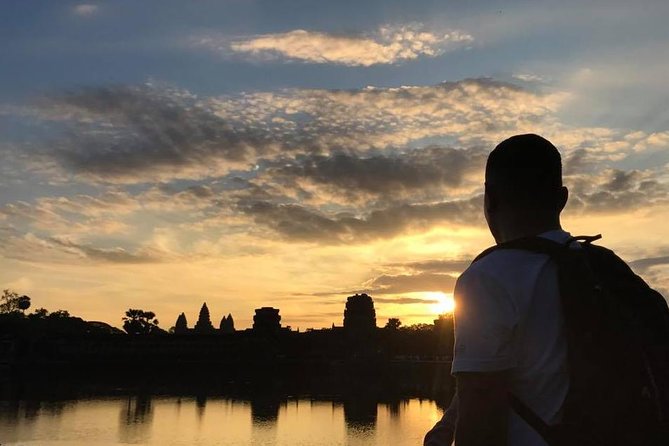
- Sunrise timing at Angkor Wat with a starting point early enough to catch the first light well
- Giant/Trek hardtail mountain bikes + helmets so you can ride comfortably and safely
- English-speaking guides who explain what you’re seeing and point out strong photo spots
- Breakfast, lunch, water, and coconut juice included for a long day without surprise costs
- Riding between major temples via gates, walls, and a hidden rainforest trail
- Small group size (max 10) for better flexibility and easier conversation
Sunrise on Two Wheels at Angkor Wat
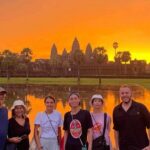
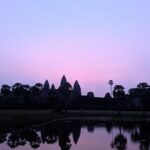
Angkor Wat sunrise is one of those moments that gets you even if you think you’ve seen enough temples in your life. The point of this tour is that you reach the complex as the day is still turning on—darkness first, then that first golden wash across the stone.
Instead of treating sunrise as a static photo session, you pair it with movement. After watching the sky shift at Angkor Wat, you get time on foot inside the temple’s chambers, then hop back on your bike to keep the morning flowing. That matters because it changes your feel of the place. You’re not only watching monuments; you’re moving through the rhythms of Angkor.
What you’ll likely appreciate most is that your ride doesn’t start with a random route. It starts with the core reason people come to Siem Reap: the sunrise at Angkor Wat, timed early enough that you’re not late and not stuck in the worst of the day’s crush.
You can also read our reviews of more tours and experiences in Siem Reap.
The Bike Setup: Giant/Trek + Helmet Means You Can Focus
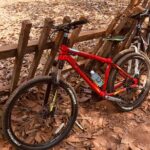
This isn’t a flimsy “rental bike and good luck” situation. You’ll be given a mountain bike and helmet, with the bike described as Giant/Trek quality. That’s a big deal on an Angkor circuit, because you’re not just riding smooth pavement.
From the way the route is described, you’ll likely encounter a mix: asphalt, dirt roads, elevated trails, and single-track sections. The kind of riding matters for comfort. A decent bike helps you stay relaxed with your core and arms, especially when you’re also stopping to look around.
If you’re worried about biking on temple grounds, the tour keeps it practical: you’re guided by an English-speaking person who knows the sites, and you’re not doing this on your own in the dark before sunrise.
Riding Through Angkor Thom’s Gates and the Defensive Walls
One of the smartest parts of this day is how it strings together the “big-name” sights with the in-between stuff that makes Angkor feel like a city, not a museum. After the Angkor Wat portion, the ride heads toward major Angkor Thom highlights.
You’ll cycle past the South Gate of Angkor Thom, described as one of the most appealing defensive wall features of the city. That’s a subtle but important shift. Gates aren’t just entrances—they’re part of how the entire place was organized and protected.
Then the route builds in opportunities to get off the bike and see views that you don’t get from the main walkways. One key moment is a climb along the protection wall for a view at Prasat Chrung. That’s the kind of stop that makes photos more interesting: instead of only framing temples up close, you get a higher perspective on the layout and stonework.
You’ll also pass through key access points, including the West gate and North gate of the Angkor Thom area. Riding past them gives you a sense of scale that you don’t always get when you’re only doing foot routes.
Prasat Chrung Views: Why That Wall Moment Feels Worth It
Prasat Chrung isn’t just a temple stop—it’s tied to one of the best “change of angle” moments in the day. The tour includes a climb to venture on the protection wall, so you’re not only walking through history; you’re stepping into a defensive viewpoint.
Why this matters for your experience: a lot of temple touring becomes a loop of gates → courtyards → shrines. The wall climb interrupts that rhythm. You get a breather, a new vantage point, and a chance to understand how Angkor’s designers used elevation for control and visibility.
If you’re the kind of person who likes photos that feel different from the standard postcard shot, this is one of your best chances. It’s also where you’ll likely notice details in the architecture more clearly, because you’re looking at structures from above rather than staring straight across a courtyard.
The Other Temples: Bayon, Preah Khan, Tanei, and Tapron
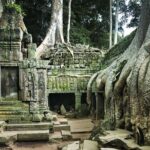
After Angkor Wat and the Angkor Thom highlights, the day shifts into “explore mode.” Your guide takes you to other major temples, including Bayon, Preah Khan, Tanei, and Tapron, plus Prasat Chrung as part of the flow.
Here’s how to think about these stops so they don’t blur together:
- Bayon is the iconic face-and-expression temple. When you pair it with the earlier gates and wall views, you understand it as part of a larger urban design.
- Preah Khan tends to reward slower looking. In a guided day like this, your guide’s explanations help you see symbolism and structure instead of only collecting quick snapshots.
- Tanei and Tapron are useful for contrast. They help break the day up so you’re not bouncing only between the most famous viewpoints. On a cycling tour, that pacing matters—your eyes need variation.
The big advantage here is that you’re not stuck shuffling long distances across the Angkor grounds. Cycling connects the temples efficiently, and the stops feel like chapters instead of a single long slog.
What’s Actually Included (and What You’ll Need to Budget)
This tour is priced at $70 per person, which is usually attractive because several essentials are bundled.
Included:
- English-speaking guide
- Quality mountain bike (Giant/Trek) + helmet
- Breakfast and lunch
- Drinking water and fresh coconut juice
- Hotel pickup
- Mobile ticket
Not included:
- Temple pass (listed as $37 for 1 day entry)
- Hotel drop-off is noted as not included
So what’s the real value? You’re paying for more than “transport.” You’re paying for (1) a bike setup that lets you ride a mixed terrain route, (2) an English guide who helps you connect dots between sites, and (3) food and drinks that keep the day from turning expensive and hungry.
My practical tip: count the temple pass in your total cost early, so the price you see today doesn’t surprise you later.
Clothes, Sun, and Small Comforts That Matter at 5:00 am
Angkor is active for Buddhists and local worship, and the tour sets expectations for respectful attire. The guidance is clear: shorts and skirts above the knees and bare shoulders are prohibited in sacred palaces, so plan to cover appropriately.
For comfort, bring:
- a camera
- sunglasses
- sunscreen
Because it’s sunrise, you’ll also want to think about layering. Even in warm climates, early mornings can feel cooler before the day heats up, and you’ll be moving on a bike.
And because you’ll be stopping often, think about how you’ll store things. You’ll likely be handling your camera and water while riding between points, so bring a simple setup that doesn’t feel like a hassle when you’re switching between biking and temple exploring.
If you have dietary needs, you should flag them at booking. The tour includes breakfast and lunch, so it’s worth making sure those meals work for you.
The Pace and Group Size: Why Max 10 Is a Big Deal Here
This is built for a small group—maximum 10 travelers. In practice, that tends to help with two things:
First, it keeps the ride calmer. You can follow the guide without feeling like you’re stuck behind someone who’s constantly lost or struggling.
Second, it makes it easier for your guide to adjust pacing based on what you care about. From guide behavior patterns, the best moments are when someone can tell you where to stand for photos and how to spot details you’d miss on your own.
So if you want a day that feels “guided but not boxed in,” this format fits well. You’ll also have a better chance of having questions answered clearly during stops.
Who This Tour Fits Best (and Who Should Think Twice)
This tour is a strong match if:
- you want to see multiple major Angkor sites in one day without wasting hours in transit
- you like movement and variety—temples plus riding plus viewpoints
- you care about history, but you also want practical guidance for timing and photo spots
- you don’t mind an early start if it buys you sunrise light and a smoother morning
It may be less ideal if:
- you’re not comfortable biking for hours on mixed terrain
- you dislike very early mornings (it starts at 5:00 am)
- you’d rather spend the day purely on foot with no bike stops or transitions
The tour says most travelers can participate, but comfort with cycling still matters. Treat it like a temple-and-ride hybrid day, not a gentle stroll.
Should You Book Angkor Wat Sunrise & Ancient City Discovery?
If your top priority is Angkor Wat sunrise and you want an efficient, guided day that moves between gates, walls, and multiple temples, I think this is a solid choice. The bike + helmet setup, the included breakfast/lunch/coconut juice, and the small group size all support a day that feels both practical and special.
Book it if you can handle the early start and you’re excited by the idea of seeing Angkor as an interconnected complex, not just a list of monuments.
Skip it if you strongly prefer a slower, purely on-foot temple itinerary and you’d rather avoid biking on mixed terrain. In that case, sunrise may still be worth it, but you might want a more foot-focused plan.
Either way, come prepared for the dress rules, bring sunscreen and shades, and set yourself up to enjoy the morning—not just witness it.