REVIEW · DUBAI CREEK
Dubai: Private Old Town, Heritage & Souks Walking Tour
Book on GetYourGuide →Operated by Dubai by Foot · Bookable on GetYourGuide
Old Dubai moves at human speed, not metro speed. This private walking tour links Al Fahidi’s old streets to Dubai Creek, then jumps to the Deira side for souk shopping and views from a traditional abra boat.
I especially like two parts: the abra ride across the creek for skyline and water views, and the guide-led time in the markets where you learn what to look for and how to shop without getting lost in the noise. You also get entrance access to heritage houses, so you’re not just looking at buildings from the outside.
One possible drawback: it’s not set up for wheelchairs, and the walking in old lanes means you’ll want comfortable shoes.
In This Review
- Key highlights you’ll feel right away
- Old Dubai Beginnings in Al Fahidi: setting the tone on foot
- Al Fahidi heritage houses and sikkas: why the details matter
- Dubai Creek and the dhow moment: the view that reframes the city
- Abra across the creek: breath-taking views with real perspective
- Spice Souk stops: tastings, stories, and shopping confidence
- Old Textile Market: what to look for when prices and names blur
- Gold Souk finish: shopping with a route, not a panic
- Guides make the difference: Pri, Francesca, Ricky, Dana, and Ricardo
- Price and value for $98 per person: what you’re really paying for
- Practical tips: what to bring and how to enjoy the walking parts
- Who should book this Old Dubai tour—and who might skip it
- Should you book this Dubai by Foot private Old Town souks tour?
- FAQ
- How long is the Dubai Old Town, Heritage & Souks walking tour?
- Where does the tour start?
- What’s included in the price?
- Is pickup and drop-off included?
- What languages are the guides available in?
- Is the tour refundable if plans change?
Key highlights you’ll feel right away
- Abra crossing over Dubai Creek for classic Old Dubai water views
- Heritage house entrances that add real context to the streets
- Spice Souk tastings and shopping pointers before you spend
- Textile and gold souks in one route instead of hopscotching across town
- Private pacing led by guides who often work well with kids and families
Old Dubai Beginnings in Al Fahidi: setting the tone on foot
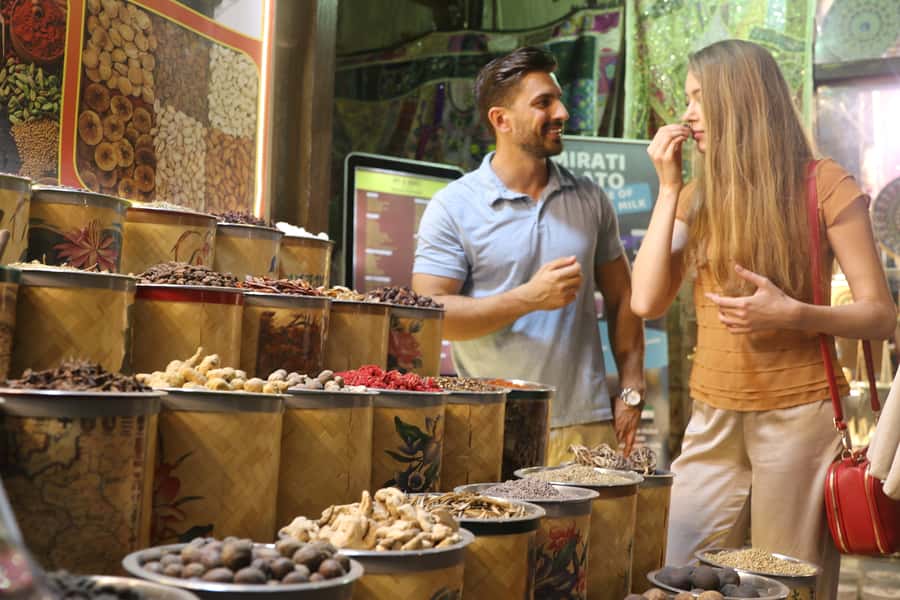
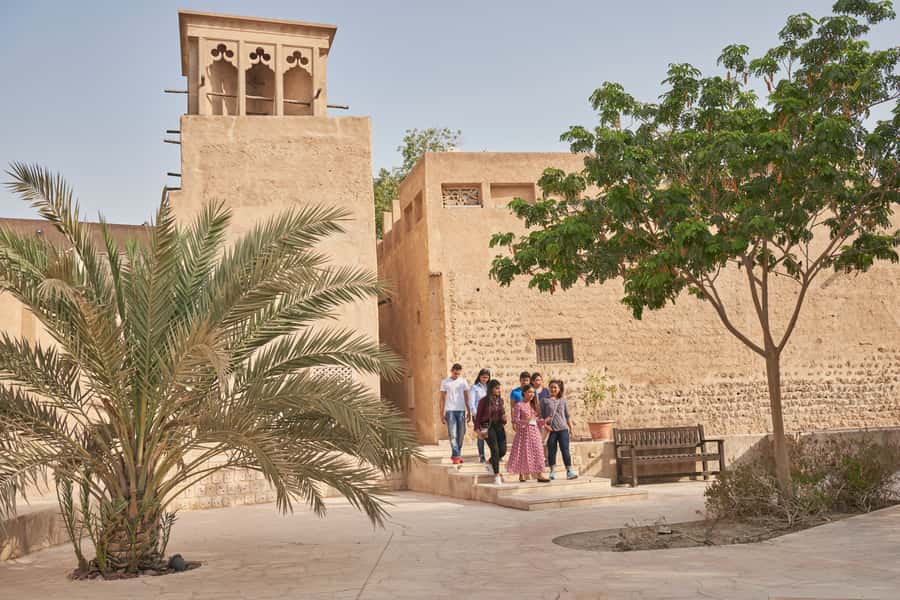
The tour starts outside the Arabian Tea House Restaurant & Cafe in Bastakiya (Al Fahidi Historic Neighbourhood). That matters. You’re not beginning in a hotel zone with clean sidewalks and big signboards. You’re starting where Old Dubai feels like it grew from the ground up.
From there, you’ll work your way through Al Bastakiya with a local guide, spending real time on the street fabric: the old courtyard style areas and the narrow lanes people call sikkas. This is where your brain starts to “read” the place. Instead of seeing shops first, you start noticing the patterns—where trade used to funnel, how communities clustered, and why the creek was such a big deal.
The guide also frames the whole story: Dubai’s shift from a desert trading spot into a global city. It’s not a lecture. It’s the thread that ties the textile stalls, spice smells, and gold displays together.
Al Fahidi heritage houses and sikkas: why the details matter
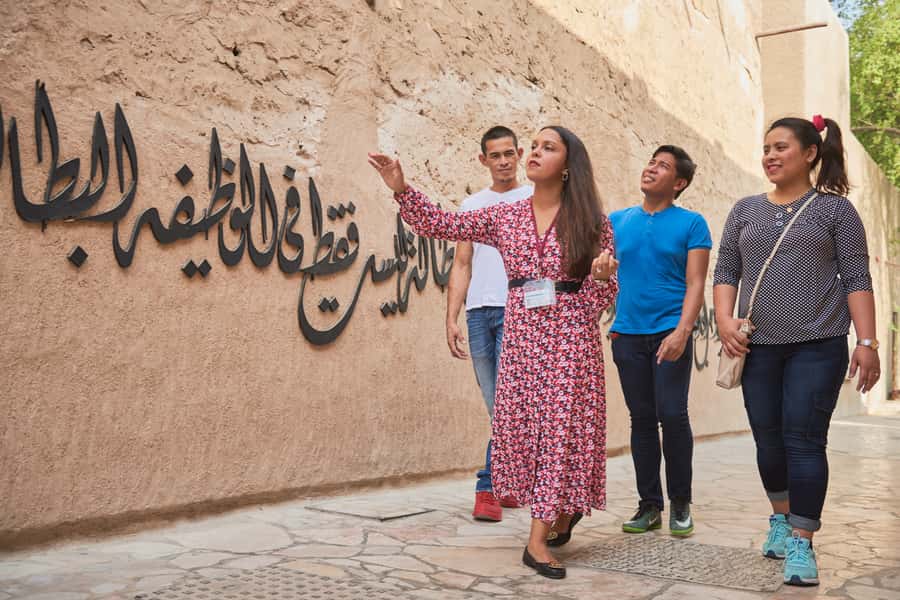
A big reason this tour feels more meaningful than a quick souk stroll is the heritage house access. You get entrance included, so you can actually step into the kind of spaces people used long ago. The tour route passes through key landmarks in the Al Fahidi area, including Dar Al Nadwa and XVA House.
You’ll also walk through the sikkas of Al Fahidi. These tight lanes can be confusing if you’re there on your own. With a guide, you learn what you’re looking at and why it’s there, instead of just following crowds.
One practical payoff: once you understand how the old neighborhoods were laid out, you stop feeling like you’re “lost.” You start feeling like you’re moving with purpose, turning a maze into a map.
Dubai Creek and the dhow moment: the view that reframes the city
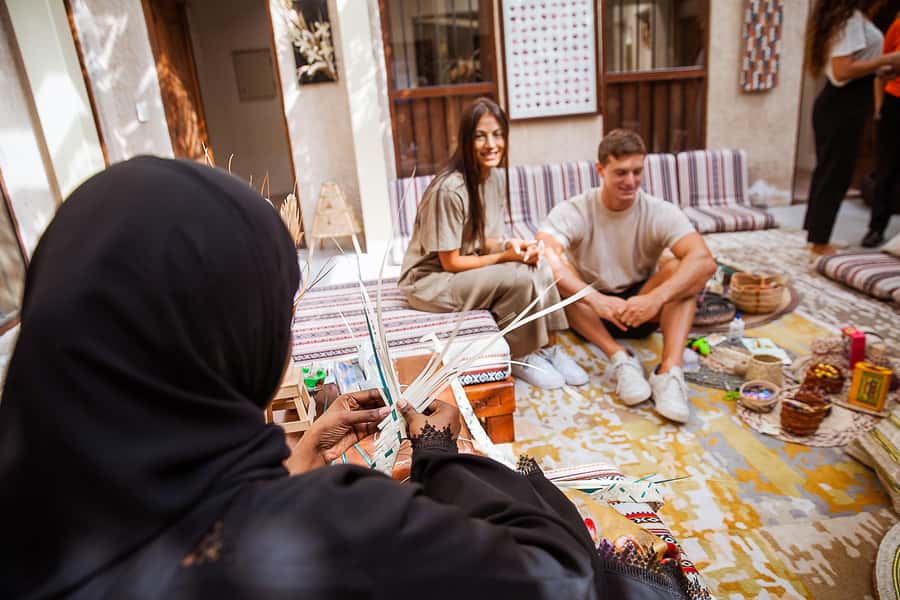
Next comes Dubai Creek. You’ll get time for sightseeing and walking by the water, plus a dhow stop that gives you a visual anchor for what trading meant here. In this part of the city, history isn’t frozen in a museum case. It’s tied to the water channel and the boats that moved goods.
This is also where you start seeing the contrast that Dubai is famous for. Old Dubai is about trade and proximity to the creek. Modern Dubai is about speed, scale, and skyline icons. The tour helps you connect those two realities instead of treating them like separate worlds.
And yes, the creek segment is short compared with the souks. That’s not a flaw—it’s smart. You get enough time to understand the geography, then you move on while the story still feels fresh.
Abra across the creek: breath-taking views with real perspective
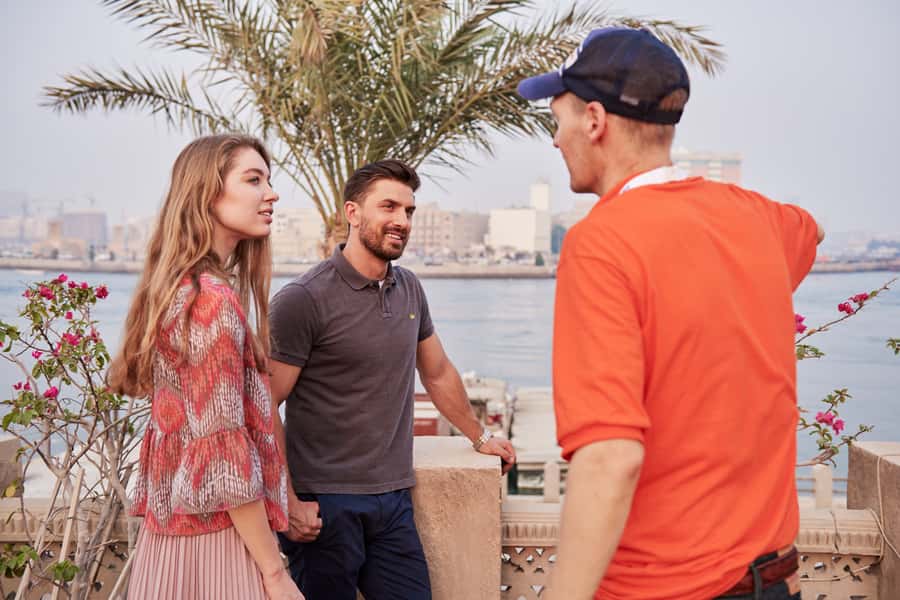
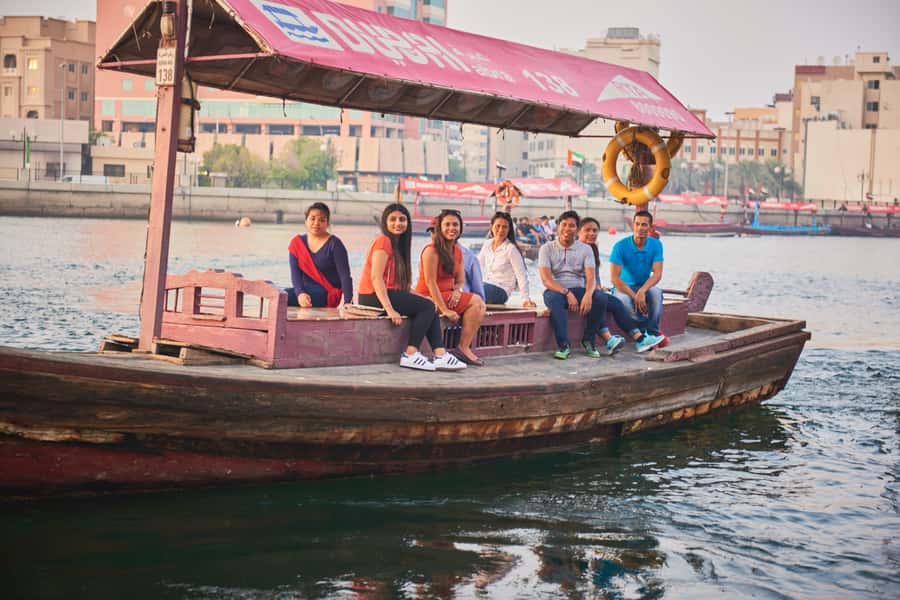
The abra ride is one of the tour’s best moments. You’ll take a traditional boat across Dubai Creek to the Deira side. This is the easiest way to get classic water-and-city views without needing a special viewpoint ticket.
Here’s why I think this part is so valuable: you get perspective that you can’t fully get from either bank on foot. Old Dubai’s layout makes sense when you imagine how people traveled the creek, not just how they walked the streets.
You also get a rare kind of calm. Souks can feel intense, even with a guide. On the abra, you’re moving at a slower pace, with a clear line of sight across the water. It’s a breather before the shopping stretch.
Spice Souk stops: tastings, stories, and shopping confidence
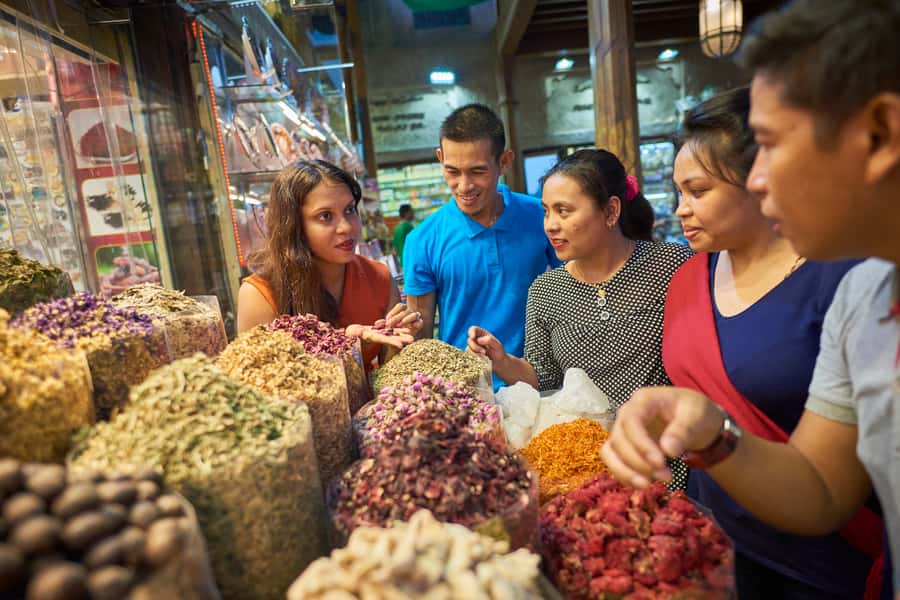
When you reach the Spice Souk, it’s not just color and scent—it’s a lesson in how trade shaped everyday life. You’ll have guided time there and tastings included at the Spice Souk. That tasting component matters. It turns spice shopping from a souvenir grab into something you can actually understand.
You’ll also get the kind of practical shopping help that makes a difference in the souks. Guides on this tour are known for slowing things down and explaining what things are, how sellers talk, and what’s worth asking about. One of the best outcomes is getting tips on bargaining basics so you don’t feel awkward or rushed.
If you like learning through senses, this is your stop. Smell first, then ask questions. It’s also a smart place to start buying if you want edible souvenirs because you’ll have tastings and guidance before you commit.
Old Textile Market: what to look for when prices and names blur
Right after the spice and gold energy, you’ll swing into the old textile market area for shopping time. This is where you’ll see how “textiles” can mean a lot more than fabric bolts. You’ll spot items connected to everyday clothing traditions, giftable fabric pieces, and decorative goods.
Textile shopping can be tricky because names can vary, and quality can be hard to judge quickly. The guide helps you slow down and figure out what you’re actually looking at. That turns “shopping confusion” into “shopping awareness.”
Even if you don’t plan to buy much, the textile stop is a great cultural checkpoint. You’ll see the craft side of trade, not just the food and jewelry ends.
Gold Souk finish: shopping with a route, not a panic
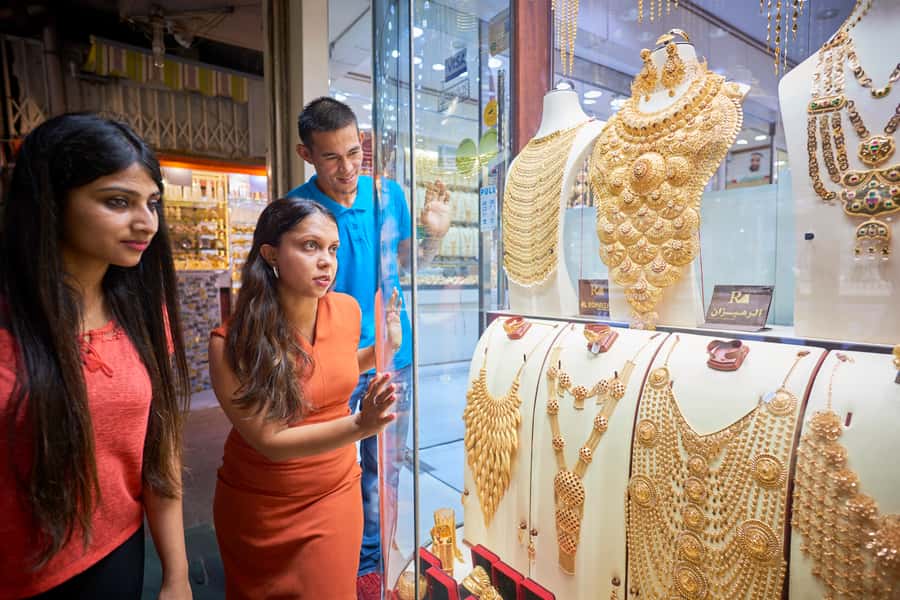
The tour ends in the Dubai Gold Souk neighborhood. If you’ve ever tried to shop gold with no plan, you know it can go two ways: you either get overwhelmed fast, or you start buying without realizing what you’re comparing.
Having a guide up to this point helps because you’ve already learned the market rhythm. You know how to ask questions, how to handle sales pressure, and where to look for value across a range of items.
And you’re not limited to big-ticket purchases. The markets here cover everything from inexpensive knickknacks to diamond jewelry. So you can browse for the sparkle without feeling like you have to make a major purchase.
Finishing here is practical for your next step too. You can keep exploring the Gold Souk area on your own afterward, or use it as a natural hub to catch a ride for dinner.
Guides make the difference: Pri, Francesca, Ricky, Dana, and Ricardo
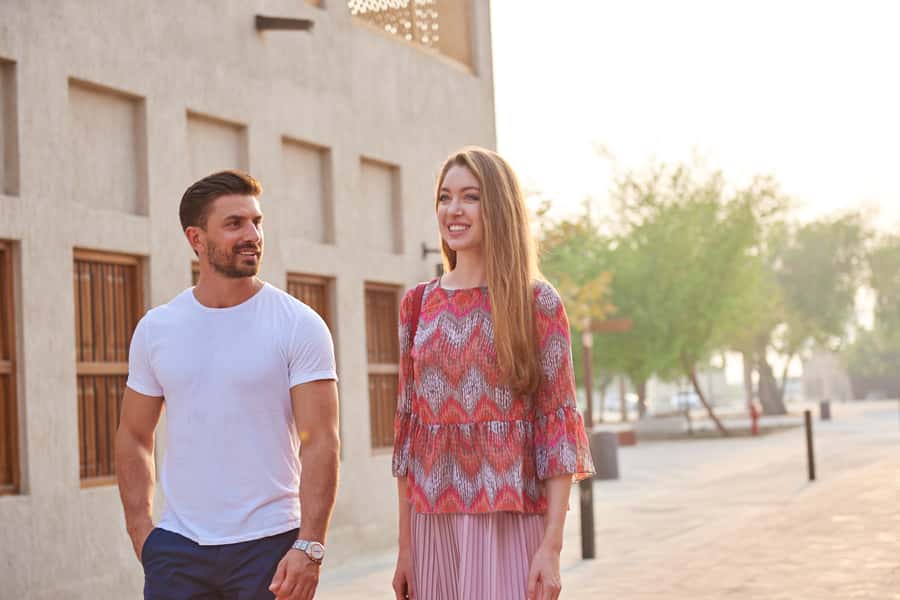
This tour is private, and it shows in the way guides interact. Several guides have a strong track record of being friendly, patient, and able to match the pace to your group.
For example, I’m glad this tour has guides like Pri and Francesca who are known for clear storytelling and keeping families engaged. Pri’s approach is often described as warm and interactive, even for kids. Francesca is also mentioned for adjusting her pace when English isn’t everyone’s first language.
Other names that come up include Ricky and Ricardo for clear explanations and engaging conversations, plus Dana for helpful shopping tips in the spice market and Gold Souk. Some guides are even described as guiding people through how to get better prices, which is the difference between browsing and actually getting good deals.
If you care about respectful shopping, this is a good bet. You’re not just dropped into a market. You’re guided through it.
Price and value for $98 per person: what you’re really paying for
At $98 per person for a 2-hour private experience, this isn’t a “cheap and cheerful” add-on. It’s priced as a guided, access-included tour.
Here’s what you get for that price, based on what’s included:
- Guide
- Museum entrances (heritage house access)
- Abra ride
- Tastings at the Spice Souk
- A souvenir gift
- Plus a separate entrance that helps you skip the line
What you don’t get: pickup and drop-off.
So is it good value? For the right traveler, yes. You’re paying for three things you can’t easily replace on your own: (1) a guide who can explain the story of Old Dubai without turning it into a dry history class, (2) heritage access that turns “seeing” into “stepping inside,” and (3) the abra ride plus tastings so you don’t waste time figuring out what to do next.
If you’re the type who likes to explore fast, this tour also does the heavy lifting. In a short window, it compresses the key Old Dubai elements—Al Fahidi streets, Dubai Creek views, and major souks—into one smooth route.
Practical tips: what to bring and how to enjoy the walking parts
Bring comfortable shoes. The streets in Al Fahidi and the souk areas involve plenty of uneven surfaces and tight walking lanes.
Add sunscreen, especially if you’re going in hotter hours. Even with shade from nearby buildings, you’ll still feel sun exposure during the creek and shopping parts.
One more practical note: the tour is in English and Hindi. If your group speaks something else, you might find the pacing less tailored than with English/Hindi groups, but your guide should do their best within those language offerings.
Also note the tour is for a private group, not a big busload. That makes it easier to ask questions without feeling like you’re holding up a parade of strangers.
Who should book this Old Dubai tour—and who might skip it
Book this if you want a focused Old Dubai experience that blends heritage and shopping, without spending your day guessing where things are. It’s a great fit for first-time visitors who want context fast, plus families who benefit from a guide that keeps kids engaged.
You should consider another option if you rely on wheelchair access. This tour isn’t suitable for wheelchair users, and the walking and lane layout are part of what makes it work.
If you love food smells, gold displays, and the human side of markets, you’ll likely enjoy the pace. If you just want photos, you might find the heritage house time less useful. This tour is about understanding what you’re seeing.
Should you book this Dubai by Foot private Old Town souks tour?
If you’re in Dubai and you want your first Old Dubai chapter to feel real, I’d book it. The mix of Abra across Dubai Creek, heritage house entrances, and practical souk guidance makes the 2 hours feel like more than a quick stop.
The price isn’t low, but the inclusions help: you’re not just paying for a walk. You’re paying for access, tastings, and a guide who can help you shop with confidence.
If you can handle walking on uneven lanes and you’re excited to trade stories for souvenirs, this is the kind of tour that turns Old Dubai from a photo-op into a place you understand.
FAQ
How long is the Dubai Old Town, Heritage & Souks walking tour?
The tour lasts 2 hours.
Where does the tour start?
It starts outside the Arabian Tea House Restaurant & Cafe in Bastakiya (Al Fahidi Historic Neighbourhood).
What’s included in the price?
The tour includes the guide, museum entrances, an abra ride, tastings at the Spice Souk, and a souvenir gift.
Is pickup and drop-off included?
No, pickup and drop-off are not included.
What languages are the guides available in?
The live tour guide is available in English and Hindi.
Is the tour refundable if plans change?
Yes. Free cancellation is available up to 24 hours in advance for a full refund.