REVIEW · ARCHAEOLOGICAL SITE OF OLYMPIA
Private Guided Tour of Ancient Olympia
Book on GetYourGuide →Operated by Gästeführerin Olympia - Tour guide Olympia · Bookable on GetYourGuide
Ancient Olympia is one of Greece’s most powerful places to visit, and this private walking tour helps you read it instead of just looking at it. I especially love how you get guided access to the Zeus sanctuary and how the visit ends with the Site Museum and the original statues.
The main thing to weigh is time: you’ll cover a lot in almost 2.5 hours, so if you want to linger for photos at every stop, you might feel a bit rushed.
In This Review
- What you’ll love (and remember) from this tour
- Ancient Olympia in a private group: what “almost 2.5 hours” really means
- Why the Zeus sanctuary is more than a stop on your Greece trip
- Wandering the sacred grove of Zeus: reading religious ruins with confidence
- The Temple of Zeus site: one of the ancient wonders, explained at ground level
- The oldest sports stadium: where competition turned into culture
- Olympic Flame symbolism: what you’ll see and how to interpret it
- Site Museum: seeing original Temple of Zeus statues makes a difference
- Your guide: Maria’s explanations, plus the languages that help
- Price and value: $294 for up to 7 people works when you share
- Where you meet and how to choose your time without stress
- Practical tips so you enjoy the walk and not just the photos
- Should you book this private guided tour of Ancient Olympia?
- FAQ
- How long is the tour?
- What is included in the price?
- Are museum entry tickets included?
- Where do we meet for the tour?
- What languages are available for the guide?
- Is the tour wheelchair accessible?
- Is cancellation free, and can I pay later?
What you’ll love (and remember) from this tour
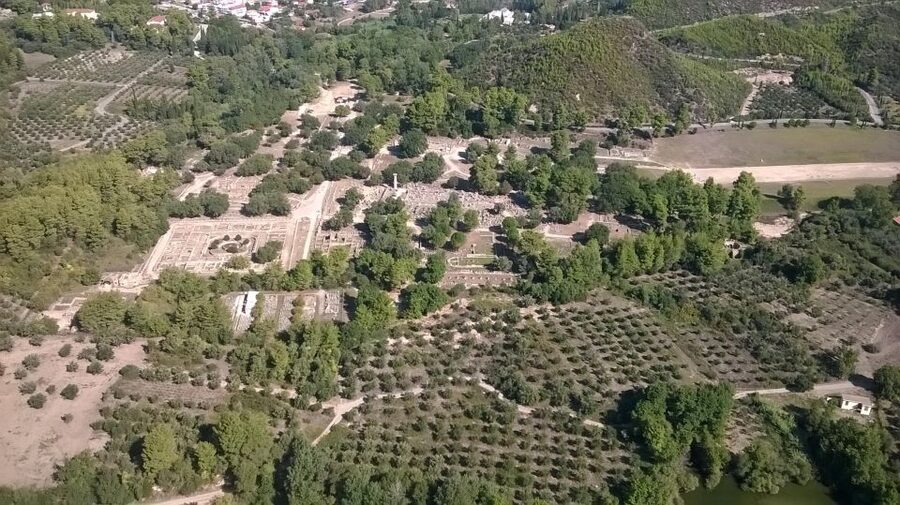
- Walk the oldest Olympic stadium and understand what made competition central to ancient Greek identity
- See the Temple of Zeus area tied to one of the ancient world’s famous wonders
- Visit the spot linked to the Olympic Flame that’s lit every four years in the modern Games
- Tour the Site Museum for original Temple of Zeus statues (not replicas or guesses)
- Go at private-group pace with a guide who can answer questions on the spot
Ancient Olympia in a private group: what “almost 2.5 hours” really means
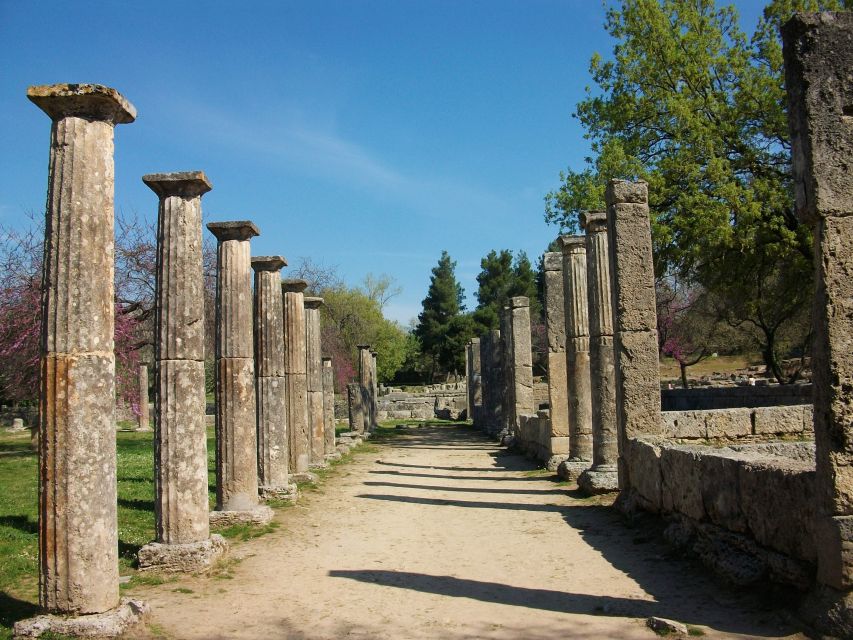
This is a one-day tour, built around a walking visit through Ancient Olympia—close to 2.5 hours in the park/site area, plus museum time with your guide. The group is private, sized for up to 7 people, which matters here because Olympia is the kind of place where context is everything. If you’re with a friend and a good guide, ruins stop being random piles and start making sense.
The tour is also designed around the core story of Olympia: it wasn’t only about sports. It was religion, community, shared rules, and big ideas about peace and competition all rolled into one sanctuary. That’s why the route focuses on Zeus’s sacred grove and the major religious and athletic landmarks, finishing with the museum where you can see the artwork in a more complete way.
You can also read our reviews of more tours and experiences in Archaeological Site Of Olympia.
Why the Zeus sanctuary is more than a stop on your Greece trip
Ancient Olympia started from an idea that sounds almost modern: peace. The sanctuary traces back to 776 BC, when the festival grew from a local event into something panhellenic—meaning it brought together Greeks from across the wider world. By the classical period, especially the 5th century BC, the Olympics had become a defining institution for the Greeks.
Here’s what I think makes that story worth paying attention to during your visit. When you walk the sacred grounds, you’re seeing how Greeks tried to balance big ideals—unity, equality, peace, and “good competition.” Sport wasn’t separate from philosophy and myths. It was part of the same worldview. That’s also why the tour uses the buildings and sculpture to explain how religion, hero stories, sacrifices, and symposia shaped Greek life.
If you enjoy understanding the why behind the stones, you’ll get a lot out of this structure: Zeus first, then the stadium, then the Temple of Zeus site, then the museum with the statues that helped define that belief system.
Wandering the sacred grove of Zeus: reading religious ruins with confidence
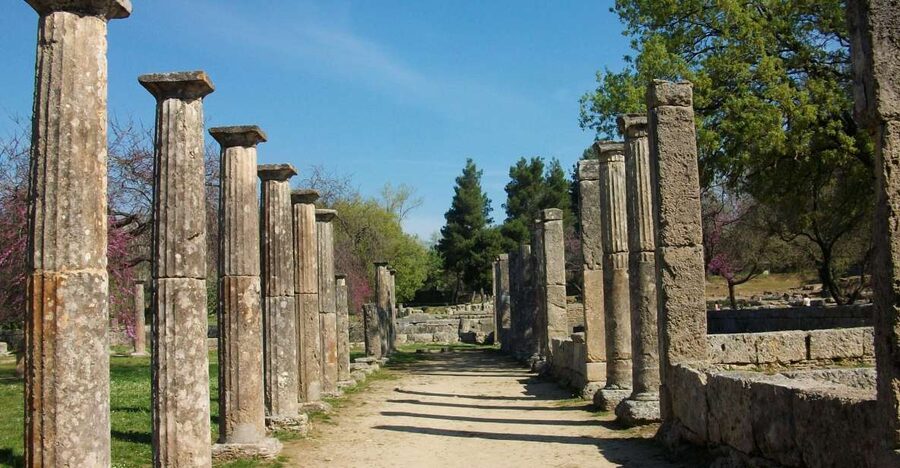
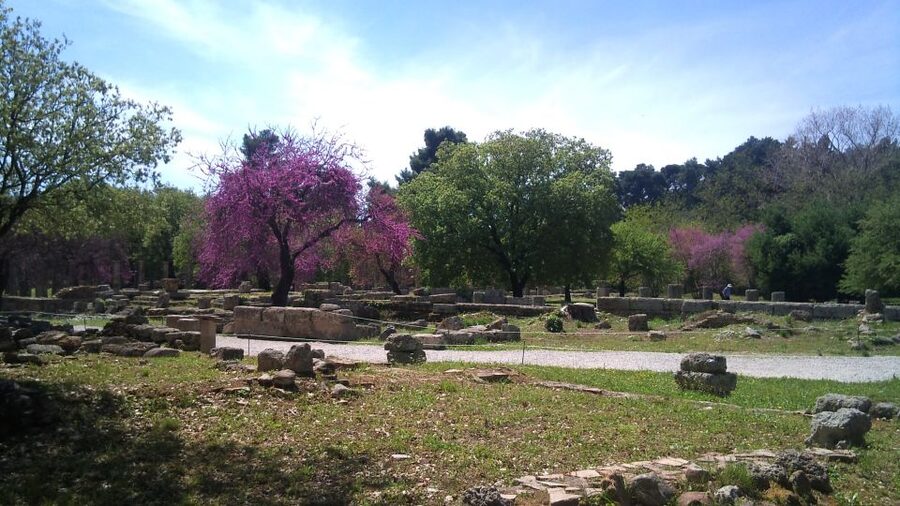
Your walk runs through the sacred grove of Zeus and the religious and auxiliary buildings tied to the sanctuary. Even if you know a bit about Olympia, this is where a guide can do real work. Ruins are frustrating when you don’t know what you’re looking at. With a guide, you learn what the spaces were for and how they relate to the games.
Think about how a sanctuary functions. It’s not just a temple. It’s a whole ecosystem: places for worship, supporting structures, and areas that hold the ceremonial rhythm of the festival. The walking format helps because you’re not getting a lecture while you sit. You’re moving, seeing landmarks, and connecting the dots as you go.
You’ll also be in an ideal position to connect the myths and the physical layout. In a place like this, myths aren’t abstract—your guide can show how they show up in the way gods, heroes, and ritual were understood.
The Temple of Zeus site: one of the ancient wonders, explained at ground level
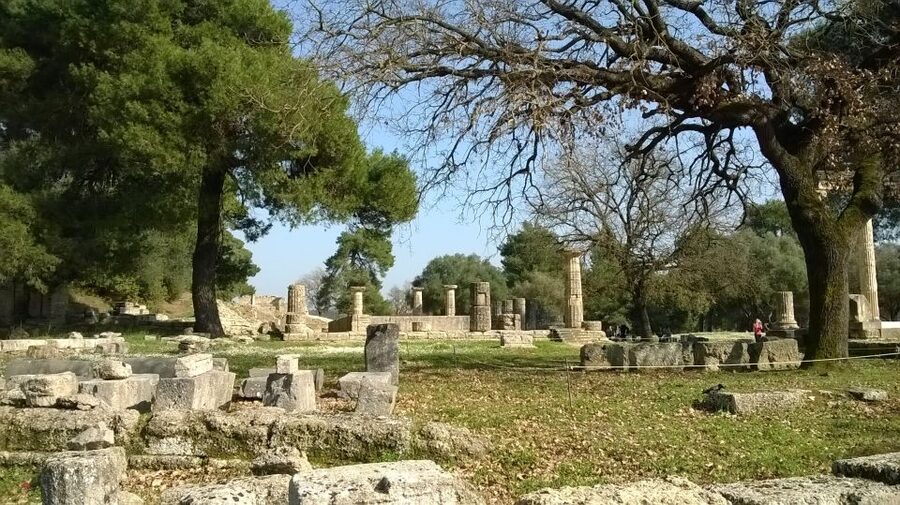
One of the highlights is visiting the location of the Temple of Zeus, famous as one of the Seven Wonders of the ancient world. Here’s the key: you’re not just told the legend. You’re led through the remains in a way that helps you imagine the scale and purpose.
This temple matters because it’s the kind of project that signals how serious the sanctuary was. It was a place where art, religion, and public life converged. When you understand that, the ruins stop feeling like a checklist and start feeling like the physical evidence of a society that wanted to make its beliefs visible.
A good guide also helps you avoid a common mistake—treating Olympia like a single monument. Instead, you see how the temple’s status connects to the broader sanctuary and the athletic festival. That connection is the reason many people leave Olympia feeling like they’ve seen something more “human” than just impressive stone.
The oldest sports stadium: where competition turned into culture
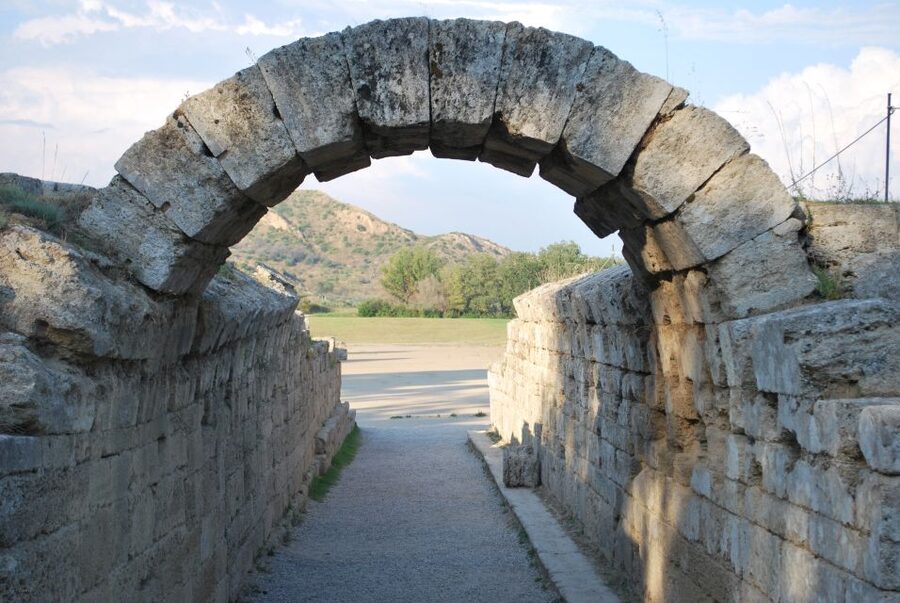
You’ll walk in the oldest sports stadium, the venue that hosted the Olympic Games in antiquity. Even if you’ve seen modern stadiums, stepping into the ancient setting has a different feel. The stadium isn’t just a location where events happened. It’s where the Greeks tested the idea of harmony between body and mind.
Your guide’s job here is to help you picture how the space worked. You can see why the stadium became an institution, not a one-off event. The setting reinforces the idea that these games weren’t entertainment first. They were part of a moral and philosophical framework—discipline, excellence, and fair competition under shared rules.
Because this is a walking tour (and not a bus ride with one quick stop), you’ll get time to take in the layout and understand the logic of the space. That’s where the “almost 2.5 hours” pacing actually helps: enough time to form impressions, not so long you forget what you already learned.
Olympic Flame symbolism: what you’ll see and how to interpret it
The tour also explores the place where the Fire of the modern Olympics is lit every four years. If you’re visiting outside that Olympic Flame period, don’t expect a ceremony. What you will get is the location’s meaning—how an ancient ritual space continues to carry symbolic weight into modern times.
It’s a striking link. Olympia becomes a kind of bridge between worlds: ancient festival roots and today’s global spectacle. Your guide can help you understand why that continuity matters and what it says about how cultures borrow from their own past to create shared identity.
Even without the ceremony, visiting the linked spot adds a layer to the visit. You’re not just touring antiquity. You’re standing in a reference point that still gets used in international tradition.
Site Museum: seeing original Temple of Zeus statues makes a difference
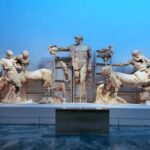
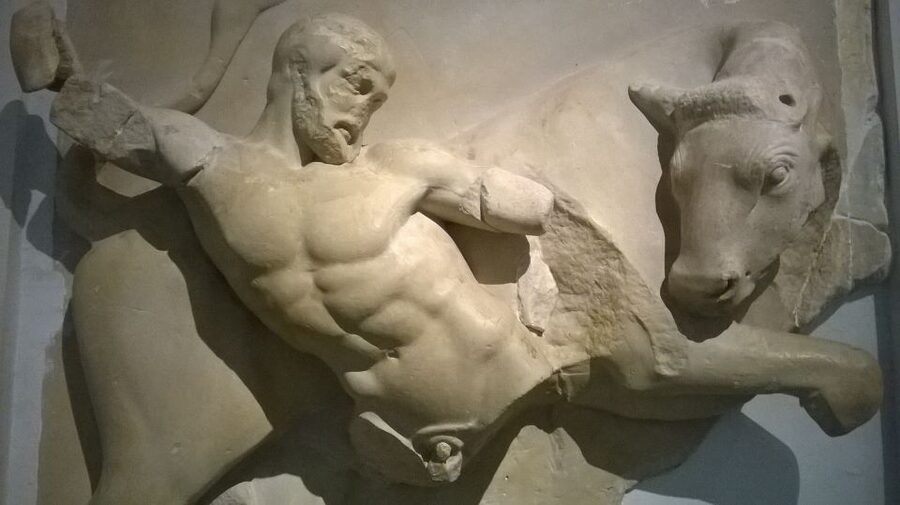
The tour includes a visit to the Site Museum, which is highlighted for its original statues that decorated the Temple of Zeus. This is one of the most valuable parts of the day. Ruins tell you the shape and outline of what existed. Museums help you understand the artistry and human details.
When the museum has original sculptures, you can better grasp what the sanctuary was meant to communicate. These statues weren’t only decorations. They helped define the religious world the Greeks lived in. If your guide points out iconography and explains the role of gods and myths in Greek culture, the museum becomes more than “a room of statues.” It becomes the visual language of the place you just walked through.
One practical note: museum entry tickets are not included in the price, but the tour does include guided access. The activity also mentions skip the ticket line, which is helpful when you’re trying to avoid wasting time.
Your guide: Maria’s explanations, plus the languages that help
Many of the highest praise points center on the guide experience. In the reviews provided, Maria stands out as friendly and extremely well prepared, with extra context that makes the visit feel more complete. The feedback also calls out her ability to give detailed explanations, and even a strong mention of German-language skill.
What this means for you: with a private tour, you can ask follow-up questions when something sparks your curiosity—how a ritual worked, what a structure likely housed, or how the games fit into broader Greek ideals. Having the guide speak English, German, or Greek also means you’re more likely to get clear answers without losing nuance.
Also, private pacing matters at Olympia. It’s easy to rush ruins and miss meaning. A good guide turns the walk into a guided storyline.
Price and value: $294 for up to 7 people works when you share
The price is $294 per group up to 7 people for a full day experience. That sounds like a lot until you think about how Olympia tours break down: you’re paying for a private guide, a guided walking route through key sanctuary and athletic areas, and guided time in the Site Museum.
Because the group size is capped, the value improves if you travel with family or friends. In other words, you’re not paying per person for expertise—you’re paying for shared access and guidance. If you’re a solo traveler, it can still be a fair choice if you care about depth and want the “no guessing” help that a guided visit provides.
Also, the tour includes guided tour in the site and the museum. Museum entry tickets are not included, so budget for that separately. But the skip ticket line detail suggests you’ll lose less time to logistics and more time to the story.
Where you meet and how to choose your time without stress
You meet at the ticket booth of the archaeological site. Since this is a private tour, you’ll be asked what time of day you want, and the supplier contacts you via email (check spam folders, because email tools love to hide good messages).
If you care about comfort—heat, crowds, and walking pace—pick a time that matches your energy. Even the best guided tour feels long if you’re overheating or rushing to keep up.
Practical tips so you enjoy the walk and not just the photos
This is a walking tour. Comfortable shoes aren’t optional. You’ll want breathable clothing and water, especially if you’re visiting in warmer months. The site is active and you’ll be moving between landmarks rather than resting in a vehicle.
Also, give yourself a mental goal: don’t try to memorize everything. Instead, aim to understand the relationships. For example: how the sacred grove ties into Zeus worship, how the stadium fits the broader Greek ethos, and how the museum’s original statues help you visualize what the temple held.
Finally, if you’re choosing between spending time outside the museum versus inside, prioritize the museum visit when you want clarity. Ruins are powerful, but originals can make the myths and artistic choices feel real.
Should you book this private guided tour of Ancient Olympia?
I’d book it if you want more than a quick walk through famous ruins. This tour is for people who like context: peace and competition, the role of Zeus, and how the games were part of Greek identity. It’s also ideal for small groups who can share the cost and benefit from private attention.
Skip it or reconsider if you only want a casual photo stop with minimal talking, or if you’re extremely tight on time and hate walking. With almost 2.5 hours on foot plus museum time, you’ll be active, not passive.
If you’re the type who asks why things were built, why the games mattered, and how the ancient world connects to today, this is the kind of day that pays off.
FAQ
How long is the tour?
The guided walking portion is almost 2.5 hours in Ancient Olympia, with additional time included for the museum visit.
What is included in the price?
You get a guided tour in the site and the museum.
Are museum entry tickets included?
No. Museum entry tickets are not included.
Where do we meet for the tour?
Meet at the ticket booth of the archaeological site.
What languages are available for the guide?
The live tour guide is available in English, German, and Greek.
Is the tour wheelchair accessible?
Yes, the tour is wheelchair accessible.
Is cancellation free, and can I pay later?
Cancellation is free up to 24 hours in advance for a full refund. You can also reserve now and pay later.