REVIEW · KUSADASI
Ephesus Ancient City Highlight Tour For Cruisers
Book on GetYourGuide →Operated by Moira Travel Agency · Bookable on GetYourGuide
Four hours in Ephesus, seriously? This cruiser-friendly highlight tour gives you a tight, guided sweep of Ephesus and the Temple of Artemis, plus a deeply different stop at the House of the Virgin Mary.
I really like two things: the professional licensed local guide who keeps the ruins understandable, and the way the pacing builds from major Roman sights to a quieter, reflective visit.
One thing to plan for: it’s not a slow walk. You’ll cover several stops with standing and walking on uneven ground, so comfortable shoes matter.
In This Review
- Key Things That Make This Ephesus Tour Work
- Meeting Your Guide at the Cruise Port (So You Don’t Lose Half the Day)
- The Day’s Pace: Drive, Photo Stops, and Guided Walking
- Selcuk Stop: A Quick Reset Before Ephesus
- Ephesus Ancient City: Where the Ruins Become a Story
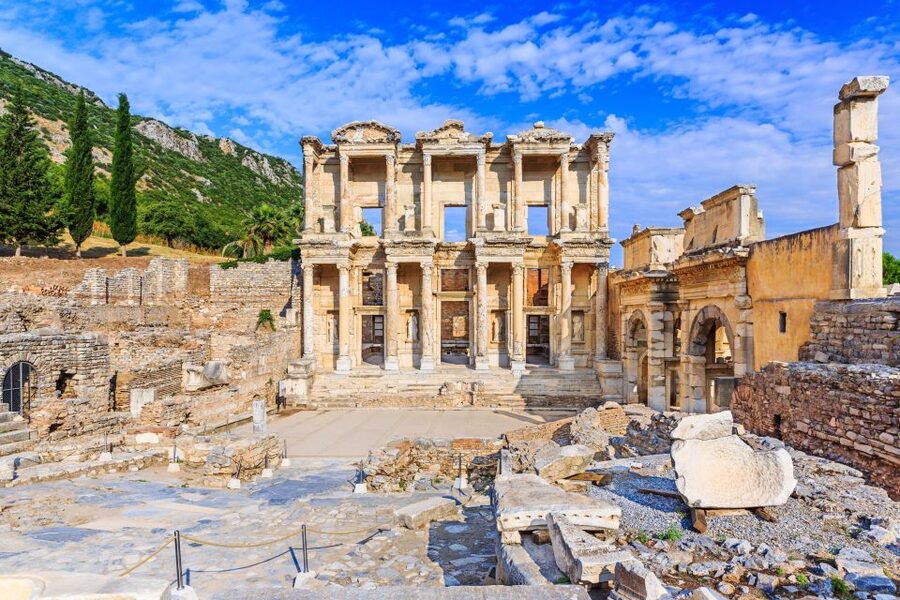
- Celsus Library: A Face-First Monument
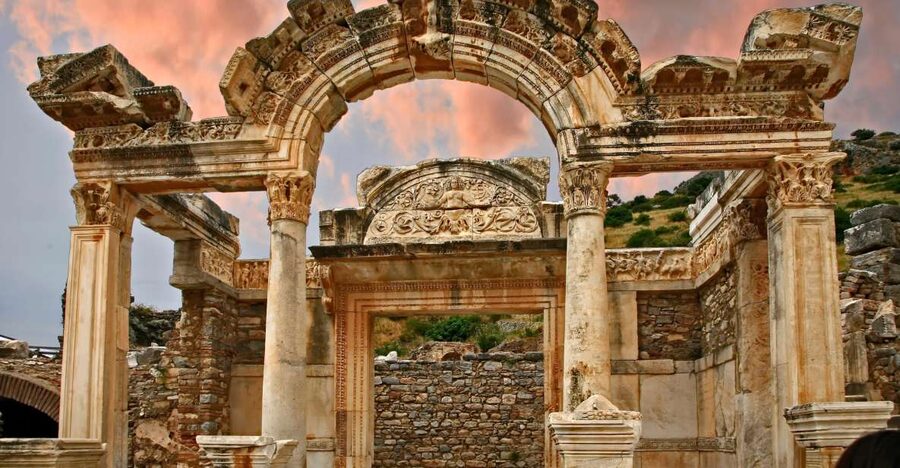
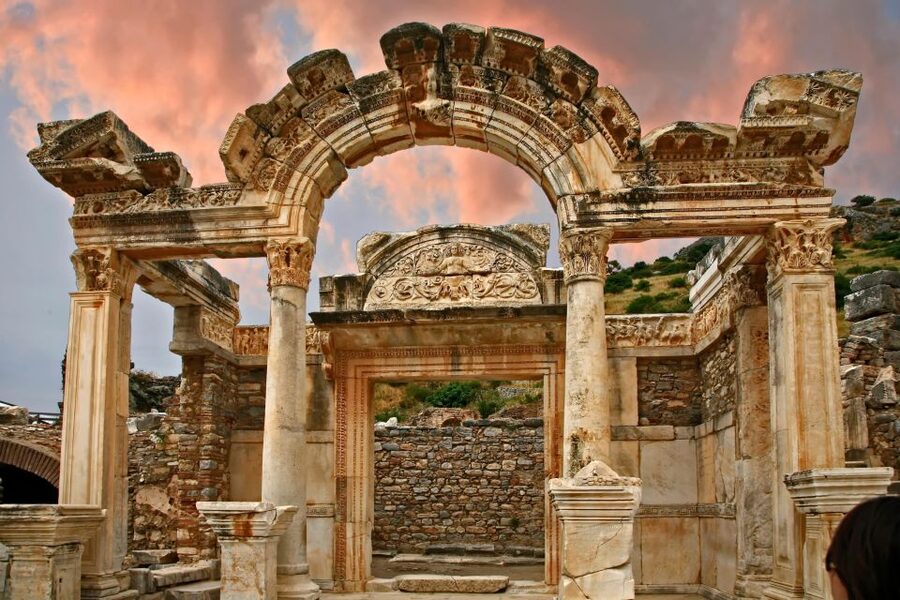
- Hadrian’s Temple and Trajan’s Fountain: Power and Civic Life
- The Theater: The Social Heart of the City
- Terrace Houses: A Bonus Highlight If Time Allows
- The Basilica of Saint John and the Selcuk Context
- House of the Virgin Mary: Peace, Faith, and Daily Mass
- Artemis Temple: Seeing a Wonder in Real Life
- Shopping Stops: Local Goods Without Killing Your Time
- Price and Value: What $22 Covers (and What You’ll Pay Separately)
- Who Should Book This Ephesus Highlight Tour
- Should You Book This Ephesus Highlight Tour?
- FAQ
- How long is the Ephesus highlight tour?
- Where do I meet the guide if I’m arriving on a cruise?
- Are entrance fees included in the price?
- What stops are included besides Ephesus?
- Which languages are available for the live guide?
- Is the tour suitable for people with mobility impairments?
- Is a tripod allowed?
Key Things That Make This Ephesus Tour Work
- Cruise-port meet-up with name sign so you can start on time instead of hunting
- Skip-the-ticket-line while entrance fees for sites are still separate
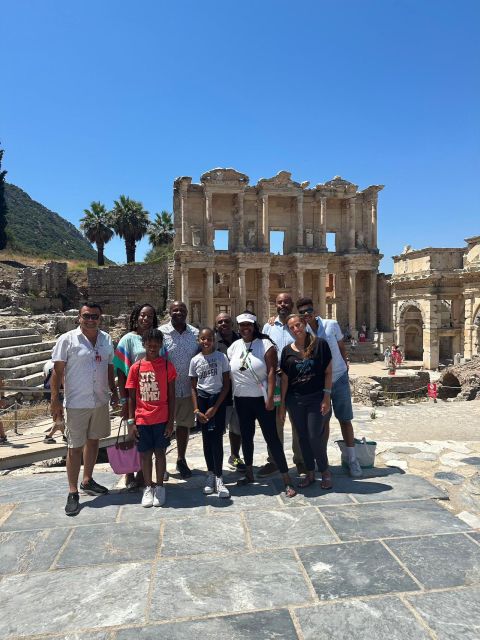
- Ephesus top sights in a short window: Celsus Library, Hadrian’s Temple, Trajan’s fountain, and the theater
- Virgin Mary House with daily mass led by Lazarist Fathers in this faith site
- Temple of Artemis visit ties the ruins to its world-famous legend
- Small-group feel (and private group option) for a more personal day
Meeting Your Guide at the Cruise Port (So You Don’t Lose Half the Day)
If your ship is in Kusadasi, your biggest stress is usually timing. This tour is designed around that. Your guide meets you at the cruise port by standing next to the Information Desk at the Exit Gate, holding a sign with your name. That tiny detail matters when you’re on a schedule and dealing with crowds.
You also get a few pickup options listed around the port area, including Feribot İskelesi and Feribot Limanı. The main idea is simple: you show up, you’re matched to your guide fast, and you start driving before the morning rush swallows your time.
The tour duration is short on purpose, at 4 to 4.5 hours, so starting smoothly helps you actually enjoy the sights, not just survive transfers.
You can also read our reviews of more tours and experiences in Kusadasi.
The Day’s Pace: Drive, Photo Stops, and Guided Walking
The route is built like a “greatest hits” tour, with guided time at the main sites and shorter photo opportunities in between. The order can change to avoid congestion. That’s not glamorous, but it’s practical. In Ephesus, foot traffic can turn a good plan into a slow crawl, so any flexibility helps.
Also, bring the right gear. You’ll want comfortable shoes for walking in archaeological zones. A camera is useful too, since the stops include several photo moments. Tripods aren’t allowed, so think handheld, steady shots, and phone photos.
One more practical note: this tour is not suitable for mobility impairments. Uneven surfaces and the amount of standing make it hard for many people. If you need step-free options, it’s best to choose a different format.
Selcuk Stop: A Quick Reset Before Ephesus
The itinerary includes a stop in Selcuk that’s both scenic and strategic: you get a photo stop and a brief visit, with time for shopping and sightseeing for about 30 minutes.
This part of the day is like the warm-up. You’re not yet deep in the Ephesus ruins, so it helps you adjust from cruise-port energy to countryside pacing. It also breaks up your attention, which keeps the later walking from feeling like one long slog.
Keep expectations realistic: this is short. Use it for quick photos, a last chance for a water bottle if you like, and browsing if you enjoy local shops. If you’re sensitive to shopping stops, treat this like a quick stroll and get your eyes set on Ephesus next.
Ephesus Ancient City: Where the Ruins Become a Story
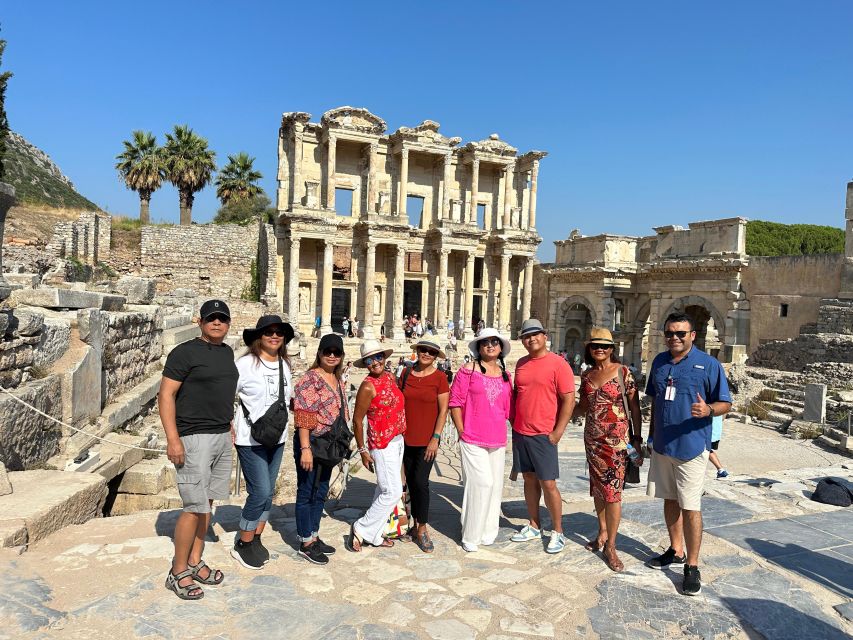
This is the main event. Once you reach Ephesus Ancient City, the guide-led portion focuses on the big Roman anchors you’d hope to see even if you only have a few hours.
Ephesus mattered because it was one of the most important harbor cities in the ancient world. It’s also tied to the religious world because it’s mentioned in the book of Revelations as one of the seven churches. That adds weight to the place beyond postcard ruins.
Here are the stops you’ll spend guided time on, and why they’re worth your attention:
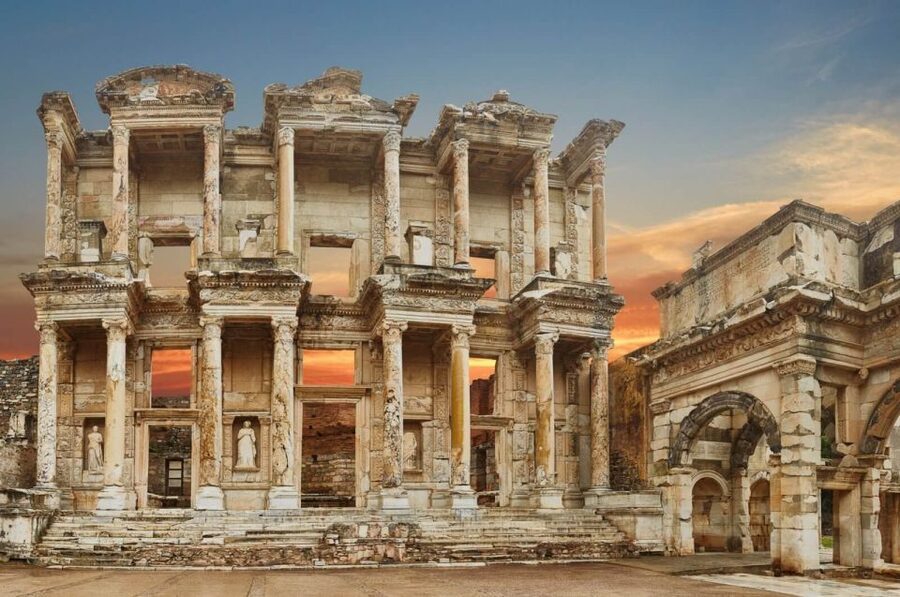
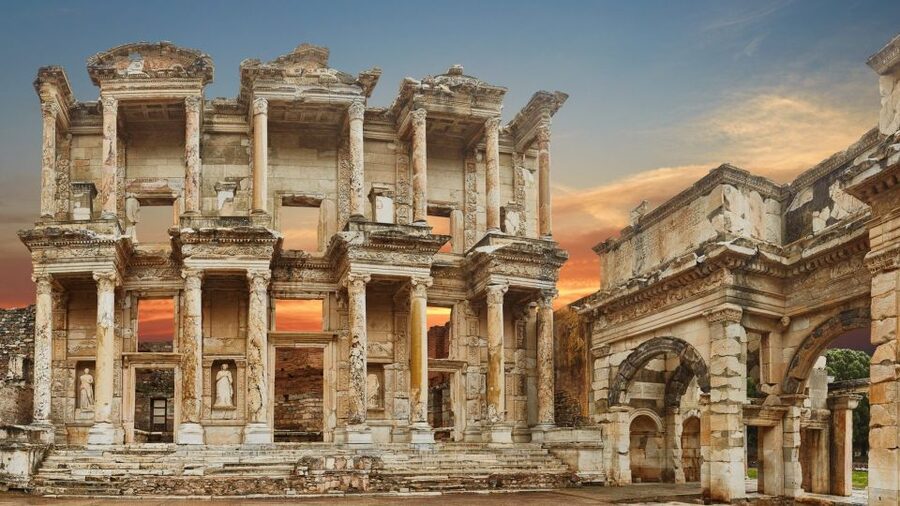
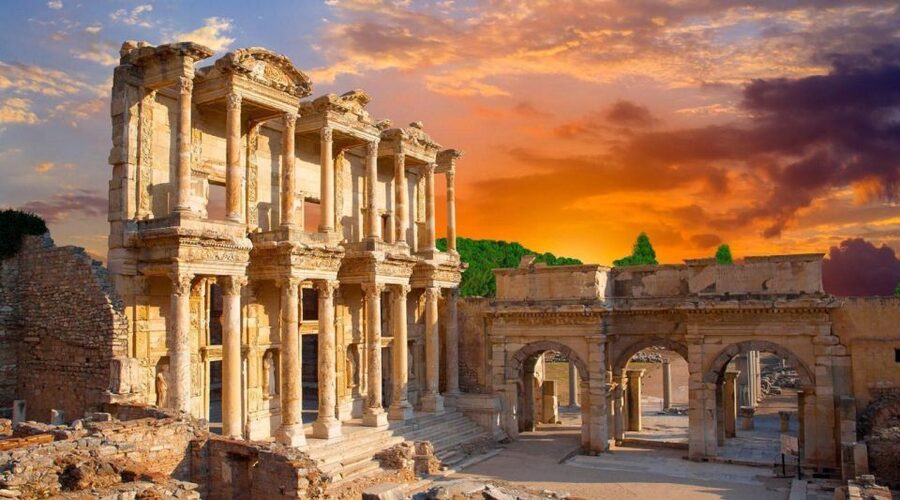
Celsus Library: A Face-First Monument
The Celsus Library isn’t just impressive because it’s tall. It’s dramatic because it’s built like a statement. The facade is the kind of structure you understand even before you learn the details, like an ancient public building meant to impress visitors arriving by sea.
Even in a short tour, this is a high-impact stop. If you enjoy architecture, this is where you’ll feel the scale most clearly.
Hadrian’s Temple and Trajan’s Fountain: Power and Civic Life
Next come key public landmarks like the Temple of Hadrian and the fountain of Trajan. These are the places where emperors, civic pride, and everyday life all touch the same stone.
What helps is the way a good guide explains what you’re looking at. In this tour format, the guide’s job is to connect the dots fast: this wasn’t random building placement. It was a designed city meant to work and to show authority.
The Theater: The Social Heart of the City
The theater is a major piece of the Ephesus puzzle. It’s where audiences gathered, where performances and civic events happened, and where the city’s power had a human face. Sitting or standing near the theater ruins helps you understand how public space was built for groups, not lone wandering.
You get guided time here, which helps you read the structure instead of just passing it.
Terrace Houses: A Bonus Highlight If Time Allows
The tour’s overview lists Terrace Houses among highlights. Whether you see every aspect depends on timing and the day’s flow, but it’s worth knowing they’re part of what the tour is aiming to include during the Ephesus visit.
If you’re the type who loves domestic life details—how people actually lived—keep your eyes open during the Ephesus guided portion for opportunities connected to that theme.
The Basilica of Saint John and the Selcuk Context
Before you head back toward the emotional center of the day, there’s a stop tied to religious history: the Basilica of Saint John the Apostle in Selcuk.
This site is a ruined church believed to be built on the tomb of the apostle. It was built by Emperor Justinian in the 6th century AD, then later destroyed by an earthquake in the 14th century. Even in ruins, you can feel the scale and importance that drew pilgrims here.
This stop gives you helpful context. Ephesus wasn’t only about emperors and entertainment. It was also a place people connected to faith and pilgrimage routes. If you’re history-minded, this adds a layer that keeps the day from becoming purely sightseeing.
House of the Virgin Mary: Peace, Faith, and Daily Mass
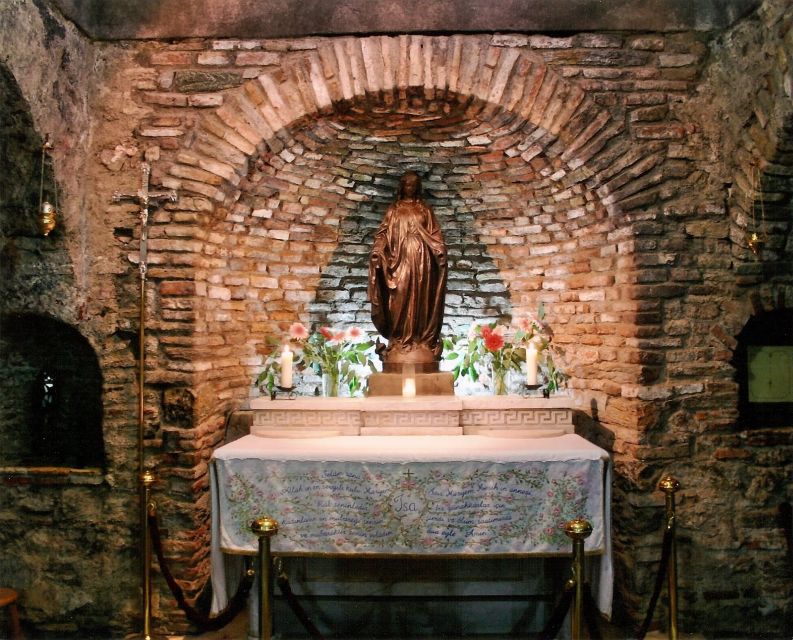
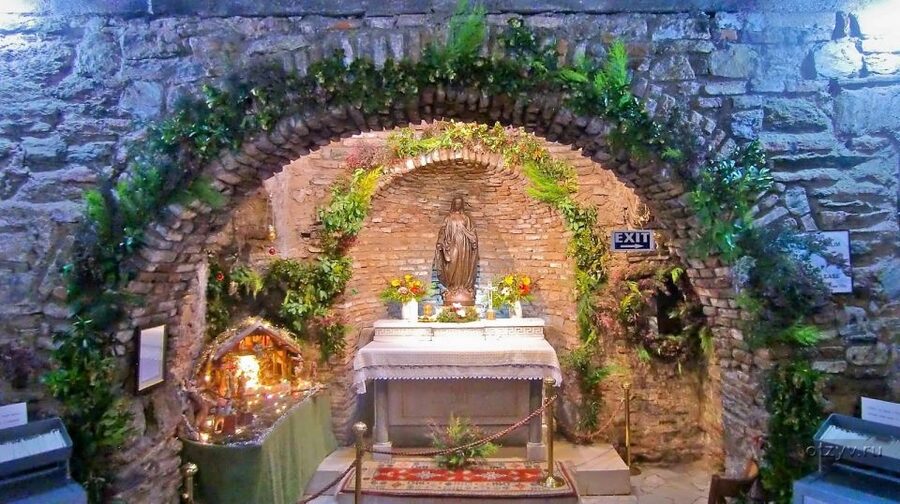
Then comes the most emotionally different stop: the House of Virgin Mary.
This place has a story tied to visions and discovery. It was discovered by Lazarist priests after a German nun described the house and the mountain as the last residence of the Virgin Mary. Today, it’s cared for by Lazarist Fathers, and mass is still celebrated every day.
What I like about this stop on a cruiser schedule is that it slows the pace without turning the day into dead time. You’re still on the go, but the atmosphere is different from marble ruins and grand theaters. It’s a pause where you can look around and let the day’s meaning settle.
If your travel style includes spiritual sites or you simply appreciate quiet places, this stop is often the part people remember long after they forget which column was which.
Artemis Temple: Seeing a Wonder in Real Life
The final stop is the Temple of Artemis, one of the Seven Wonders of the Ancient World.
Even if you’ve only heard about Artemis in a school lesson or a documentary, this is where it becomes real. The temple is today next to the Ephesus antique city area, which is a neat way to connect the big city to the big legend.
You get a photo stop plus guided tour time, shopping, and sightseeing for about 30 minutes. That shorter format works well here. The point is to stand in the right place, understand what made it legendary, and get the photos without turning the day into an all-day marathon.
Shopping Stops: Local Goods Without Killing Your Time
One pattern in the experience is time built into the day for shopping. You get it at multiple points: during the Selcuk stop and again later in the route (including a Temple-area shopping window).
From the way the guides manage time, this doesn’t have to feel like a hard sell. For example, I’ve seen guides like Memo, Kaya, and Kunce focus on pairing sightseeing with practical browsing—like local Turkish delights and leather-related shops. Guides such as Tijen Oral also seem to think about walking efficiency, like starting at the top and working down so you avoid needless strain during the Ephesus area walking.
Still, be honest with yourself: if you dislike shopping during tours, you’ll want to treat these stops as optional browsing moments, not part of your trip’s core satisfaction.
Price and Value: What $22 Covers (and What You’ll Pay Separately)
At $22 per person for a 4 to 4.5 hour guided experience, this tour is priced to be doable on a cruise day. You’re paying for two big things: a professional licensed local guide and transportation.
What’s not included is just as important. Entrance fees for historical sites are not included, and drinks during tour and lunch aren’t included either. That means your final total depends on admissions you choose to purchase on-site.
The trade-off is that the tour includes skip-the-ticket-line, which can be a real time-saver when you’re working with cruise schedules. In practice, that can matter as much as the guide’s commentary. When time is tight, moving efficiently is a form of value.
If you want the best deal, plan for entrance fees and keep expectations aligned: this is a highlight tour, not a slow, multi-day museum pass.
Who Should Book This Ephesus Highlight Tour
This tour makes a lot of sense if you:
- Are visiting by cruise and want a packed but manageable day
- Want the major Ephesus sights without building your own route
- Like having a guide explain what you’re seeing, including religious context
- Prefer a format that ends with Artemis Temple so the day closes on a big iconic note
It’s also a good choice if you enjoy local stops with time to browse. Guides with names like Esen, Memo, and Kaya show up in past bookings, and the pattern is the same: they tend to keep the visit organized while still letting you take photos and adjust pacing to what you care about.
Avoid it if:
- You need mobility-friendly routes or step-free access. The tour is listed as not suitable for people with mobility impairments.
- You’re hoping for a super slow, reflective walk through every corner of Ephesus. This is designed to hit the headline sights.
Should You Book This Ephesus Highlight Tour?
If your cruise day is short, I think this is a strong option. The value is in the structure: guided time at the key Ephesus monuments, a meaningful stop at the House of the Virgin Mary, and a satisfying finale at the Temple of Artemis—all supported by transportation and a licensed local guide.
I’d book it if you want a smooth plan, clear priorities, and someone to help you understand what you’re looking at. I’d skip it if mobility is an issue or if you want a less structured day with more time to wander.
Either way, go in wearing walking shoes, keep your schedule expectations realistic, and you’ll get a full taste of why Ephesus still pulls people back.
FAQ
How long is the Ephesus highlight tour?
The tour lasts about 4 to 4.5 hours.
Where do I meet the guide if I’m arriving on a cruise?
You meet the team at the cruise port at the Exit Gate next to the Information Desk, where the guide holds a sign with your name. Pickup is also listed as optional, with multiple port-area pickup options.
Are entrance fees included in the price?
No. Entrance fees for historical sites are not included, even though the tour includes skip-the-ticket-line.
What stops are included besides Ephesus?
You’ll also visit the House of the Virgin Mary, the Basilica of Saint John the Apostle (in Selcuk), and the Temple of Artemis, with additional short stops such as Selcuk.
Which languages are available for the live guide?
The live guide is available in French, German, Spanish, and English.
Is the tour suitable for people with mobility impairments?
No, it’s listed as not suitable for people with mobility impairments.
Is a tripod allowed?
No, tripods are not allowed on this tour.