REVIEW · LORETO
Explore San Javier Mission, Lunch, Walk & Historical Tour
Book on Viator →Operated by Wild Loreto · Bookable on Viator
San Javier is the kind of place you remember. This half-day trip from Loreto pairs a mountain drive in the Sierra de la Giganta with a hands-on look at Baja’s most important Jesuit mission. You get a guided walk where history meets what’s still going on today, and you don’t have to plan a thing.
I like two things most: first, the route beyond Loreto gives you real context for why this region matters, including plants, orchards, and the way the mission community has been shaped over centuries. Second, lunch isn’t an afterthought. It’s a proper stop with traditional Mexican food and drinks included, so you can slow down and talk with your guide. One thing to consider is that the drive up and down the Sierra involves winding roads, so if you’re sensitive to motion, you’ll want to plan accordingly.
In This Review
- Key highlights at a glance
- Why San Javier fits a great half-day from Loreto
- Sierra de la Giganta: the best warm-up for the mission story
- Mission San Francisco Javier de Viggé-Biaundó: what you’re really seeing
- Lunch in San Javier: where the cultural context gets personal
- Loreto return: panoramic views that close the loop
- Group size, guide style, and what comfort is like
- Price and value: why $90 can feel fair
- Who should book this (and who might want a different tour)
- Practical tips to make your day smoother
- Should you book the San Javier Mission tour?
Key highlights at a glance
- Round-trip pickup in Loreto keeps logistics simple from any local hotel or pick-up point
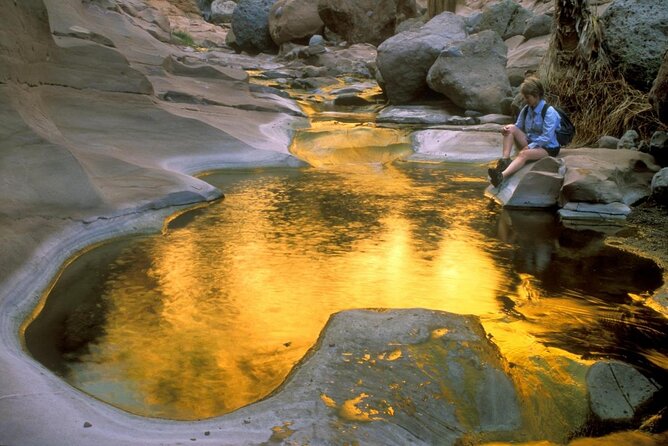
- Scenic stops in the Sierra de la Giganta add nature and geography context before the mission
- Mission San Francisco Javier de Viggé-Biaundó with guided time inside (admission included)
- Lunch plus alcoholic drinks, soda/pop, and bottled water all included
- A small-group feel with a maximum of 42 travelers
- A Loreto return viewpoint timed for good panoramic moments
Why San Javier fits a great half-day from Loreto
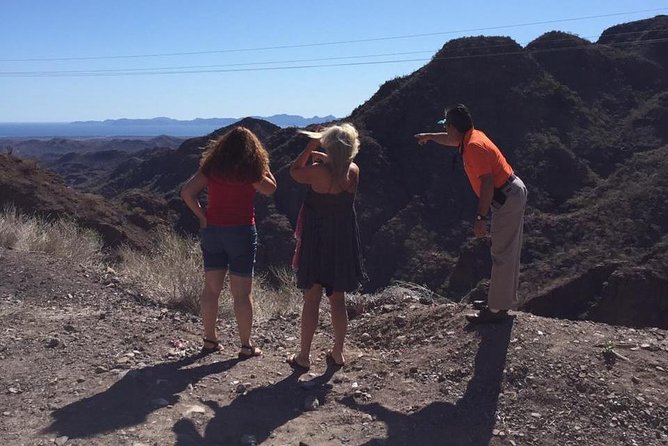
If you only have a short window in Loreto, this tour makes your time count. You’re not just doing a church photo. You’re seeing the wider system that made the mission possible: the mountain terrain, the vegetation, and the working countryside that grew around the Jesuit presence. That bigger picture is what makes San Javier feel like more than a stop on a map.
The tour runs about 4 hours, so it lands nicely between a late breakfast and dinner plans. And because pickup is included from your Loreto lodging area, you can focus on the experience instead of route juggling.
I also like that the guide handles the rhythm of the morning. In the best moments, you’ll be watching something beautiful, then your guide will connect it to the history right away. Guides such as Francisco, Santos, Carlos, Joselino (Lino), and Damian show up in the reviews for good reason: they bring both local knowledge and practical narration during the drive.
You can also read our reviews of more tours and experiences in Loreto.
Sierra de la Giganta: the best warm-up for the mission story
The first stop is the Sierra de la Giganta, where you start by climbing into the mountain range and taking in the terrain. This is a smart move for your understanding. San Javier’s mission story is tied to geography—water, growing conditions, and where people could build and sustain a community.
You get about one hour here, and admission is listed as free. Expect a scenic, nature-forward stretch with plenty of visual cues. Reviews mention spotting things like olive tree areas, vineyards, date and citrus orchards, and the kind of plant life you notice when you’re not rushing.
Practical note: the mountain route can feel windy on the way up and down. If you’re prone to motion sickness, consider sitting where you feel most stable in the vehicle, and bring any remedy you normally use.
Mission San Francisco Javier de Viggé-Biaundó: what you’re really seeing
The main event is the Mission San Francisco Javier de Viggé-Biaundó. This is not just a building. It’s a living reminder of the Jesuit era in Baja, with a story that begins in 1744 and finishes in 1759 for the church construction timeline.
You’ll get about one hour at the mission with admission included, led by your guide. Here’s what makes this time worthwhile: your guide doesn’t just point at walls. They connect what you see to the people who lived here and how daily life functioned around the mission’s work. That’s where the mission shifts from postcard to place.
In the reviews, I saw repeated praise for the tour narration—especially around how Jesuits interacted with local tribes and how mission systems supported farming and water use. One review notes cisterns built hundreds of years ago, still part of the local infrastructure story. Another mentions how gardens and orchards are still managed by local people. That means when you look at the mission, you’re also looking at a landscape of continuity, not just ruins.
What to watch for during the walk:
- Look beyond the church façade and notice how the surrounding agricultural area fits the mission.
- Take your time with photos, but keep listening. A good guide will point out details you’d miss on your own.
- Wear comfortable shoes. Even if the walk isn’t long, mission grounds are not airport smooth.
Lunch in San Javier: where the cultural context gets personal
At some point in the visit to San Javier, the tour shifts into food and conversation. Lunch is included, along with alcoholic beverages, soda/pop, and bottled water. So yes, you can treat this as a proper meal stop, not a snack.
The schedule shows a mission-area meal period of about 30 minutes. That timing works well if you want to keep energy for both the mission walk and the scenic return to Loreto. And because food is included, you don’t end up doing that uncomfortable thing where you’re hungry but waiting for the group.
What makes this lunch hit is the setting and the tone. Reviews describe the meal as plentiful and delicious, with the experience feeling like sitting down with locals rather than eating in a tourist trap. Some guests specifically mention a family-table feeling, which makes sense in a village context where people still know each other and take pride in food and hospitality.
If you’re the type who loves learning through taste—beans, tortillas, and the flavors of traditional Mexican cooking—this is one of those tours where lunch reinforces the day’s theme. You’re not just learning about history; you’re eating in the region shaped by that same community legacy.
Loreto return: panoramic views that close the loop
After San Javier, you head back toward Loreto. The tour includes about one hour back in Loreto, timed for some of the best panoramic moments. Admission here is listed as free.
This is a helpful wrap-up. You start in the mountains, you see the mission and its working environment, and then you come back to the town area. That gives you mental landmarks for what you just experienced. If you’ve been staring at churches and orchards, the viewpoint time is a chance to step back and take in how Loreto sits in relation to the Sierra de la Giganta.
Bring your camera or phone. The light on the return is often when you’ll want the clearest wide shots—especially if you’re trying to capture both town and coastline feel from a distance.
Group size, guide style, and what comfort is like
This tour caps at 42 travelers, and in practice, the ride is usually handled in a comfortable air-conditioned vehicle. Reviews repeatedly describe a smooth, comfortable van experience and guides who make time for photo stops.
Here’s why that matters: you’re going up into the Sierra and you’ll likely spend time listening on the drive. A comfortable vehicle makes the narration easier to enjoy. And having a guide who talks clearly in English matters too—English is listed as the offered language.
Guide personalities also seem to vary, but the common thread is attention to details: flora and fauna spotting on the drive, clear explanations of Jesuit history, and adjustments for questions or special requests. One review highlights a guide going above and beyond for a request. Another notes the guide adding extra insight because their family has lived in San Javier for generations.
I like that this kind of expertise turns the ride into part of the experience, not wasted transit time.
Price and value: why $90 can feel fair
At $90 per person, you’re paying for more than a mission ticket. This cost includes round-trip transportation from Loreto hotels or local pick-up points, an air-conditioned vehicle, a guide-led mission experience with admission included, and lunch plus beverages (including alcoholic drinks).
In value terms, here’s the simple math that helps you decide:
- If you were to arrange your own transportation, you’d likely spend more once you factor in local driving and time.
- If you eat lunch out in the area, that alone takes a chunk of the budget.
- Admission to the mission is included, and you’re not stuck trying to figure out timing or explanations on your own.
When you compare the whole package—transport, guide, mission time, and a meal with drinks—the price looks like a bargain rather than a splurge. And with a rating of 4.6 and a strong recommendation rate (91%), it also suggests the day works well for many different styles of travelers.
One consideration: this isn’t a shopping tour. If your ideal day in Mexico is mostly browsing crafts, this tour will feel focused. That’s not a flaw; it’s just a mismatch in expectations.
Who should book this (and who might want a different tour)
This tour is a great match if you want:
- A history-and-nature day with guided context
- A mission visit that includes the surrounding agricultural story
- An included lunch that feels local and not rushed
You might skip it if:
- Motion sickness is a big issue for you and you’re not willing to take steps to manage it. The mountain drive is part of the experience.
- You want a heavily commercial, shopping-heavy itinerary. This day leans toward culture, plants, and place.
For families, it also tends to work because the pacing is structured into short, manageable blocks: drive and viewpoints, mission time, then a meal, then the return. Reviews include guests from teens to older adults, which suggests the route is accessible for most people.
Practical tips to make your day smoother
A few things will help you get the most from the half-day:
- Wear closed-toe shoes. Mission grounds and paths can be uneven.
- Bring sun protection. You’ll be outdoors for multiple segments.
- Use the drink inclusions wisely. You’ll have bottled water, soda/pop, and alcoholic beverages included, so you can comfortably stay hydrated without extra stops.
- Plan for photos. The tour includes time for photos and timed scenic views on the way back to Loreto.
- If you’re sensitive to winding roads, sit where you feel most comfortable and take any motion sickness steps you already trust.
- Book ahead if you can. The tour notes it’s commonly booked about 28 days in advance, which usually means popular dates can fill.
Weather matters here too. The experience requires good weather, and if it’s canceled due to poor weather, you’ll be offered another date or a refund.
Should you book the San Javier Mission tour?
If you’re in Loreto and want one “must-do” that connects the town to Baja’s deeper Jesuit story, I’d book this. The mix of Sierra scenery, guided mission time, and an included lunch with drinks makes it feel like a full day’s worth of learning packed into a half-day schedule.
Choose it if you like authentic place over shopping. Bring comfortable shoes, keep an eye on how you handle winding roads, and you’ll be set for a memorable morning that ends with a solid view back in Loreto.