REVIEW · HO CHI MINH CITY
HCMC: English or German War History Tour: Tunnels & Museums
Book on GetYourGuide →Operated by TripGuru Vietnam · Bookable on GetYourGuide
Saigon can feel like all traffic and cafés, but this day turns the volume down. You’ll follow the war story through Cu Chi Tunnels and major Saigon landmarks, guided all the way with real context.
Two things I really like: the war veteran interaction that adds human weight to the history, and the tight, organized pacing—helped by air-conditioned transport and a small group. One drawback to plan for: it’s a long day (9 hours) packed with walking, and it’s not a fit if you have mobility issues or certain health limits.
In This Review
- Key highlights worth your attention
- A full-day route that’s heavy on meaning, not guesswork
- Cu Chi Tunnels: what the underground experience is actually teaching you
- War Remnants Museum: the exhibits that frame the whole day
- Independence Palace: architecture that turns into a timeline
- Notre-Dame Cathedral and the Central Post Office: French influence you can feel
- The guide experience: why Binh-style explanations change everything
- Price and value: what $115 buys you in real terms
- Pickup zones, drop-off areas, and practical timing
- Who should book this tour, and who should skip it
- What to bring so your day stays comfortable
- Should you book this HCMC war-history tour?
- FAQ
- FAQ
- How long is the tour?
- How big is the group?
- Is the tour guide available in English?
- Which war-history sites are included?
- Is hotel pickup included, and where does it work?
- Do I meet a war veteran during the tour?
- Can I fire a rifle?
- Are entrance fees included in the price?
- Are meals included?
Key highlights worth your attention
- Cu Chi Tunnels plus a veteran’s firsthand stories to connect dates to real lives
- War Remnants Museum exhibits that cover both the Indochina War and the Vietnam War
- Independence Palace interior tour with time-saving structure and clear viewing stops
- Notre-Dame Cathedral and the French-influenced Central Post Office in one easy route
- Small group size (max 9) keeps your guide’s explanations from feeling rushed
A full-day route that’s heavy on meaning, not guesswork
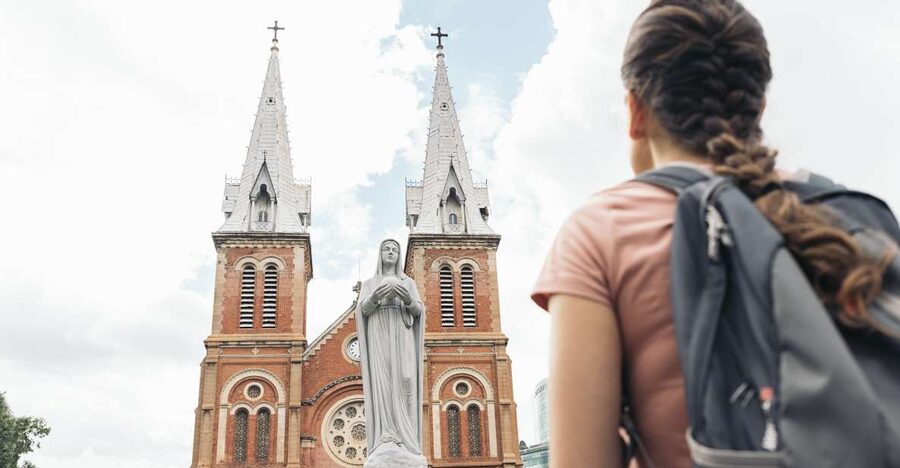
This is the kind of Ho Chi Minh City tour you do when you only have a single day and you want the big war-history stops done correctly. Instead of bouncing around on your own, you get one professional English-speaking guide, hotel pickup and drop-off, and a clear sequence of sites that actually builds understanding as you go.
What makes it work is the rhythm. You start outside the city at Cu Chi, where the war wasn’t fought like a movie. Then you head back into Saigon for museums and government-era buildings, where the war’s aftereffects show up in exhibits and architecture. By the time you’re standing in places like Independence Palace, the story feels less like a list of dates and more like a chain of decisions.
Also, the group stays small—limited to 9 participants. That matters for tours like this, where people usually have lots of questions about what they’re seeing, and you don’t want to shout over a crowd.
You can also read our reviews of more tours and experiences in Ho Chi Minh City.



Cu Chi Tunnels: what the underground experience is actually teaching you
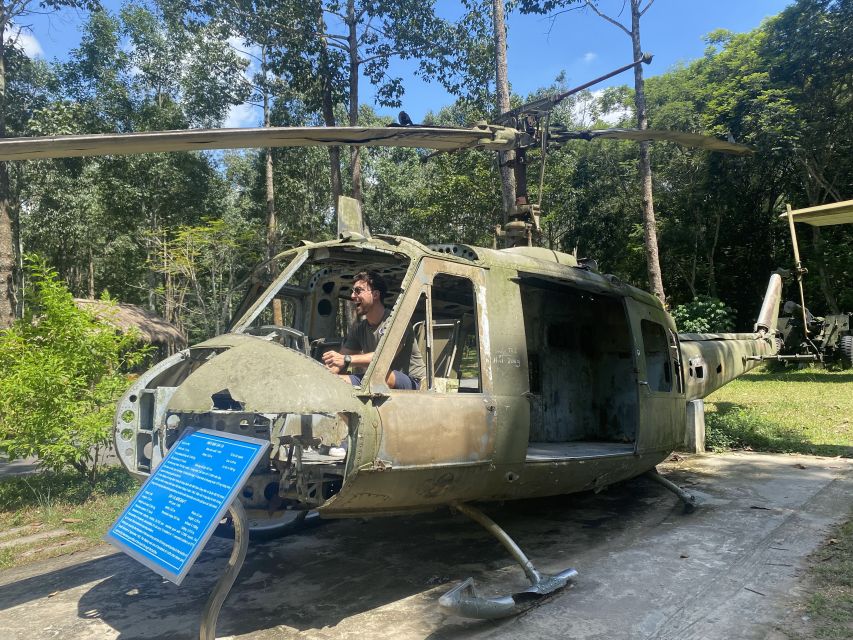
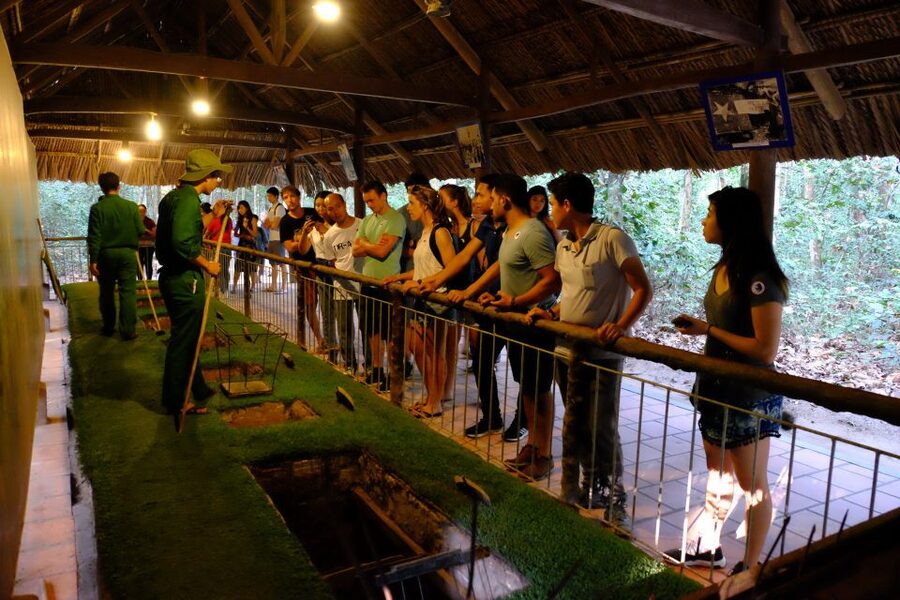
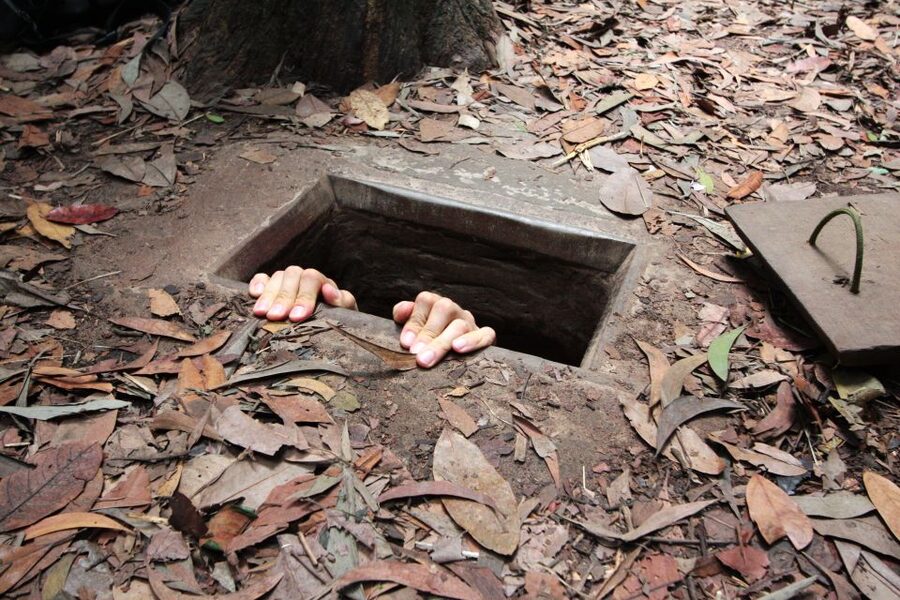
Cu Chi Tunnels is the star stop for a reason. Even from the surface, you can tell this wasn’t just a hiding place—it was a system. The tour includes a guided visit (about 1 hour), and your guide ties what you’re seeing to guerilla tactics used during the Vietnam War and the Tet Offensive.
The practical value here is huge: you walk away with a more grounded sense of how people moved, lived, and fought from underground. The tour also includes exclusive use of a Resting Hut, which is a small comfort that helps you reset after being outside in the heat.
One of the most memorable parts is meeting a war veteran. That interaction is listed as included, and it’s the kind of moment where your questions shift from What happened? to How did it feel? If your guide—like Binh, who came up as very helpful and friendly—explains with care, you’ll catch details that most people miss when they only follow a photo route.
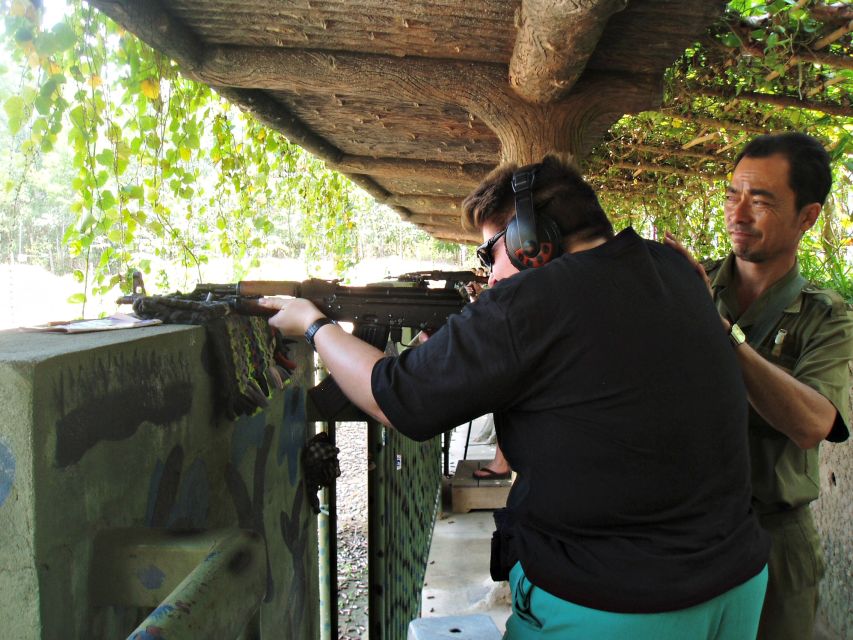
Optional—but worth knowing—is the rifle firing experience. It’s not included, so you’d pay an extra rifle fee if you want it. If you’re the type who likes hands-on experiences, it’s there; if you prefer to keep the focus on history, you can skip it.
What to watch for: comfortable shoes are a must. Even when you’re not crawling, you’re walking a lot in heat. And bring bug spray, because Cu Chi is not a museum climate.
War Remnants Museum: the exhibits that frame the whole day
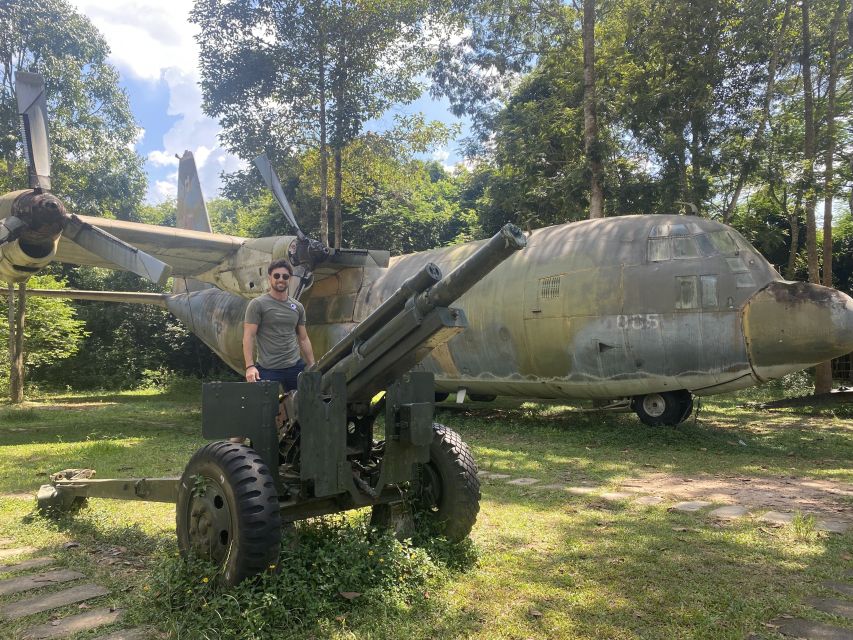
After Cu Chi, the day moves into a different kind of learning—artifacts, documents, and displays that help you connect the tunnel world to what ended up in public record. You’ll visit the War Remnants Museum with a guided tour (about 75 minutes).
What I like about doing this after Cu Chi is timing. You’ve just heard stories about survival and strategy underground. Then the museum shows what the conflict left behind—especially through exhibits connected to the First Indochina War and the Vietnam War. The tour is designed so you’re not just looking at objects; the guide helps you interpret what you’re seeing.
There’s also a pacing advantage. A full museum on your own can turn into wandering. This tour keeps you moving through the core sections efficiently, which is ideal if you’ve got a single-day schedule.
Possible drawback: museum time can feel emotionally intense. This isn’t a light stop, and that’s part of the point. If you know you get overwhelmed easily, wear sunglasses for comfort, take short breaks when you can, and keep water handy.
Independence Palace: architecture that turns into a timeline
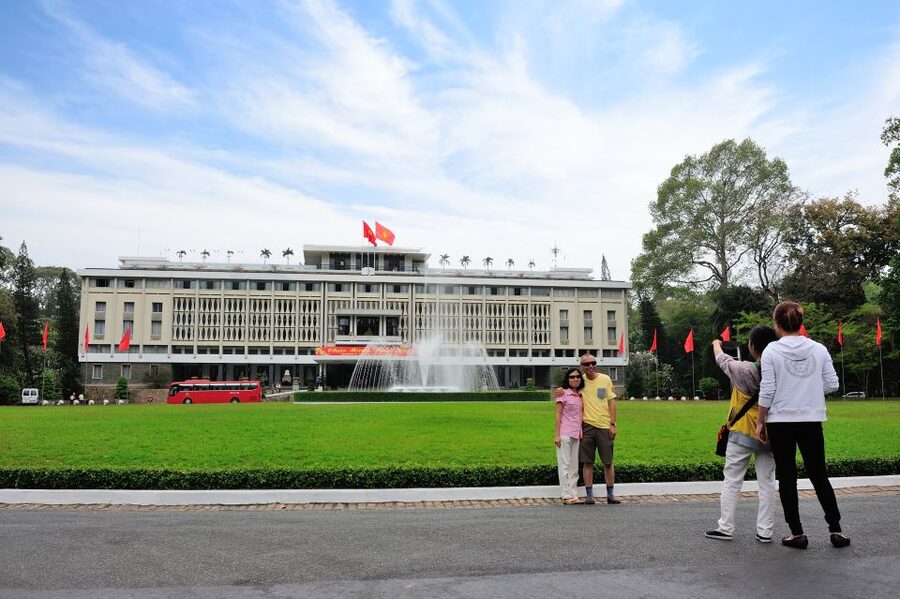
Next comes Independence Palace, a landmark you’ll recognize fast, even if you’re not sure why. The tour includes a guided visit and sightseeing time (about 75 minutes). You’ll explore the grand hall and take in the architecture, but the real value is how the building works like a physical timeline.
Seeing a former home and office of Vietnam’s presidents helps you understand how power and wartime decisions sit inside everyday spaces. It’s not only about what happened; it’s about where those decisions were made, and how a country’s leadership infrastructure looked during major turning points.
This stop also balances the harder history moments. After the underground and museum intensity, Independence Palace gives you space to slow down, look around, and absorb the scale. If your guide keeps things organized—like explaining how rooms connect to history—you’ll get more than snapshots.
What to consider: you’ll likely do a decent amount of indoor-and-outdoor walking. Wear footwear that won’t make you regret the trip halfway through.
Notre-Dame Cathedral and the Central Post Office: French influence you can feel
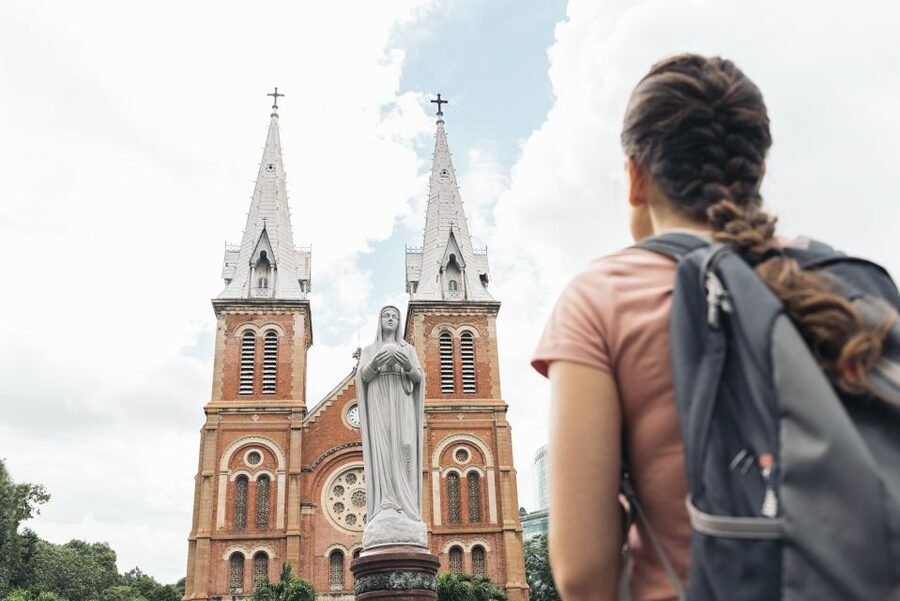
Two shorter stops round out the day: Saigon Notre-Dame Cathedral and the Saigon Central Post Office, each with guided sightseeing time of about 30 minutes.
Notre-Dame Cathedral is an easy “wow” stop. Built by French colonists in the 19th century, it’s a strong contrast to the war-focused parts of the itinerary. You don’t need to be an architecture expert to appreciate it—you just need a few minutes to look up and around.
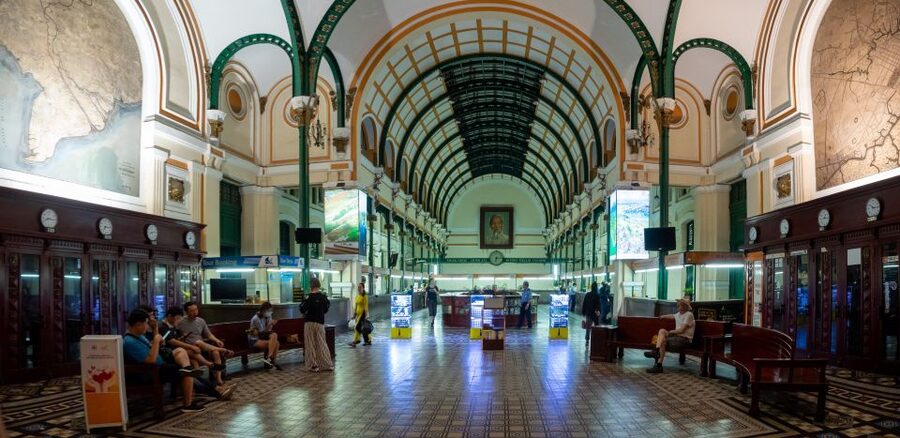
Then you’re right across at the Central Post Office, another French-influenced building. This is one of my favorite kinds of tour stops: it’s still historical, but you also get something practical—your last chance to browse local vendors in the area before heading back to your hotel. The sweeping ceilings and overall structure make it feel more like a public landmark than a rushed photo stop.
Even though these aren’t the “war sites,” they matter because they show a different layer of Saigon: colonial-era design sitting side by side with later conflict. That contrast is part of what makes the day feel coherent.
Small practical note: both stops are outdoors in places, and the day is warm. An umbrella can help even when it’s sunny and hot. It’s on the list of what to bring for a reason.

The guide experience: why Binh-style explanations change everything
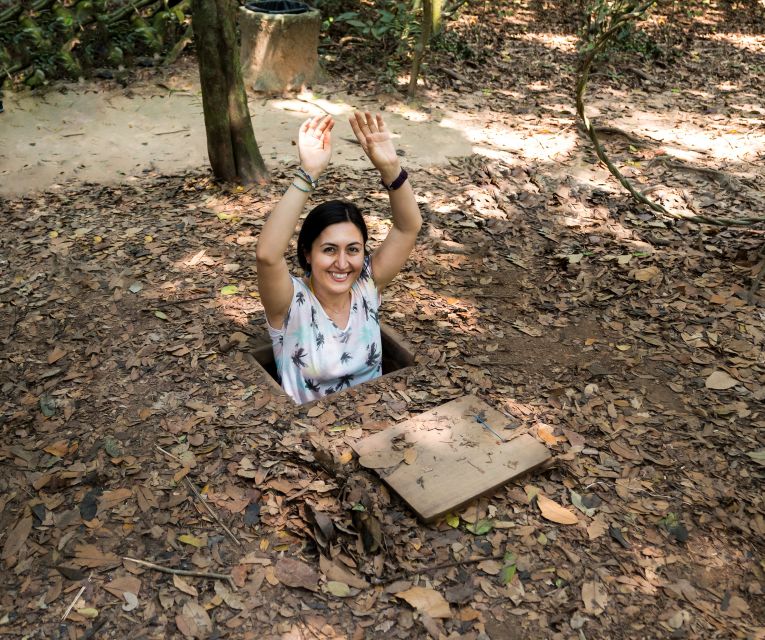
A tour like this lives or dies by the guide. Here, you get a professional English-speaking guide, and the experience is built to explain what you’re looking at rather than just pointing and moving on.
In the reviews data I saw, Binh stood out for being informative and friendly. That combination matters: war history can be heavy, and you want someone who can explain clearly without sounding detached. When the guide’s explanations are solid, Cu Chi tunnels stop being a gimmick and the museum stops being just a room of objects.
Because the group is small (max 9), your guide can also respond to questions without cutting the tour into chaos. If you’re the type who asks why something was built a certain way or how a tactic worked, you’ll probably appreciate this format.
Price and value: what $115 buys you in real terms
At about $115 per person, this tour isn’t the cheapest way to do a day in Ho Chi Minh City—but it also isn’t pretending to be “just transportation.” You’re paying for coordination, guidance, and included experiences that would be harder to replicate on your own in the time you have.
Here’s what the price covers (as listed):
- Hotel pickup and drop-off
- Air-conditioned vehicle transport
- A professional English-speaking tour guide
- War veteran interaction
- Guided visits at the major stops
- Entrance fees for certain tour options (details below)
- Drinking water and local taxes/fees
A key value point: Cu Chi Tunnels + museum + palace + cathedral + post office in one day is a lot of logistics. You’re also getting veteran interaction, which is not the kind of add-on you casually reproduce.
One thing to watch for: entrance fees can vary depending on your selected tour option. The data says entrance fees are included for Private and Small Group tours with entrance fee options only, while a Standard Small Group Tour may have entrance fees around VND 225K per person. If you’re comparing prices, check which option you’re choosing so there are no surprises.
Also, meals aren’t included. The schedule includes a lunch stop, but you should budget for lunch on the ground. This keeps the day flexible for you, but you won’t get a prepaid meal ticket.
Pickup zones, drop-off areas, and practical timing
Pickup is included, but it’s not universal across all of Ho Chi Minh City. The tour specifies pickup mainly for hotels in District 1 (with exceptions noted for Tan Dinh Ward & Da Kao Ward) and District 3 (only in Vo Thi Sau Ward & 6th Ward). Drop-off mirrors that idea with District 1, District 3, District 5, and District 4 options.
What this means for you: if you’re staying outside the covered zones, you may need to double-check whether pickup is available. The guide will be wearing a TripGuru shirt or holding a TripGuru sign, which helps you spot them.
The full day runs about 9 hours, with starting times that depend on availability. If your schedule is tight—like a late-night flight—plan a buffer so you’re not sprinting out the door.
Who should book this tour, and who should skip it
This tour is a strong fit if:
- You want major war history sites in one day
- You like guided explanations (especially where the context matters)
- You appreciate firsthand perspectives, including the war veteran interaction
- You prefer small group pacing (limited to 9 participants)
It’s probably not for you if:
- You have mobility impairments or need a very low-walking plan
- You have heart or respiratory issues (these limits are explicitly noted)
- You’re pregnant
- You’re traveling with children under 7
If you’re deciding for your own health and comfort, it’s smart to be honest. Cu Chi and museum touring involve heat and walking, even with a guided route.
What to bring so your day stays comfortable
The list is simple for a reason: this itinerary spends real time in the sun and outdoors.
- Comfortable shoes
- Sunglasses
- Umbrella
- Camera
- Sunscreen
- Insect repellent
- Cash
Also, keep water in mind. Drinking water is included, but you’ll still want to pace yourself in the heat.
Should you book this HCMC war-history tour?
I’d book it if you want a single-day plan that connects Vietnam’s war story across multiple types of places: tunnels, museums, and key government-era sites. The war veteran interaction, plus a small group and guided structure, is the kind of combo that makes the day feel meaningful instead of chaotic.
If your priority is total independence, or if you’re sensitive to emotionally heavy material, you might prefer a lighter, self-paced museum day. But for most visitors trying to understand Ho Chi Minh City beyond the postcard view, this is a practical way to get the big points done right—without wasting hours figuring it out on your own.
FAQ
FAQ
How long is the tour?
The tour duration is about 9 hours.
How big is the group?
It’s a small group limited to 9 participants.
Is the tour guide available in English?
Yes. The live tour guide language is English.
Which war-history sites are included?
You visit Cu Chi Tunnels, the War Remnants Museum, and Independence Palace. You also stop at Notre-Dame Cathedral and the Saigon Central Post Office.
Is hotel pickup included, and where does it work?
Hotel pickup and drop-off are included, but pickup is only available for hotels in District 1 (with specific ward exceptions) and District 3 (only in Vo Thi Sau Ward & 6th Ward).
Do I meet a war veteran during the tour?
Yes. War veteran interaction is included.
Can I fire a rifle?
You can have the option to fire a rifle, but the rifle firing fee is not included and is optional.
Are entrance fees included in the price?
Entrance fees are included for Private and Small Group tours with entrance fee options only. For a Standard Small Group Tour, entrance fees are listed as around VND 225K per person.
Are meals included?
Meals are not included. The day includes a stop for a local lunch, but you’ll cover it yourself.