REVIEW · VISAYAS
Full-Day Historical Heritage Guided Tour of Tacloban and Palo
Book on Viator →Operated by Ma. Lourdes Bernadette Ruiz · Bookable on Viator
History here has scars and hope in equal measure. This full-day tour stitches together WWII landmarks and Haiyan recovery stories across Tacloban and Palo, with a guide who explains the people behind the places. You’ll also hear how Waraynons rebuilt their lives after catastrophe, not just facts and dates.
I love the way the day frames General Douglas MacArthur’s landing through the Leyte Landing Memorial, then ties it to what came next. I also love the emotional punch of the M/V Eva Jocelyn Shrine, which makes the 2013 Haiyan losses feel personal without turning the stop into a spectacle.
Only consideration: it’s a long 6–7 hour outing with short stops, so come ready to stand, walk a bit, and take photos fast when the views open up. Good weather matters too, since the route depends on visibility and road conditions.
In This Review
- Key Highlights Worth Getting Excited About
- A 6–7 Hour Heritage Route That Feels Like a Story
- Sto. Nino Shrine and Heritage Museum: Faith Meets Local History
- Leyte Landing Memorial: MacArthur’s Campaign, the Reality After
- Palo Cathedral: When a Church Became a Hospital
- M/V Eva Jocelyn Shrine: ST Haiyan, Up Close and Human
- Tacloban City Hall and Cancabato Bay Views: Government on a Hill
- Leyte Provincial Capitol: WWII to Governance, Then to a New Era
- San Juanico Bridge and Madonna of Japan: Crossing and Peace
- Sto. Nino Church in Tacloban: Resilience That You Can See
- Who This Tour Fits Best (and Who Should Think Twice)
- Practical Tips That Make the Day Easier
- Final Verdict: Should You Book This Tacloban and Palo Heritage Tour?
- FAQ
- What time does the tour start?
- How long is the full-day tour?
- How much does the tour cost?
- Is pickup included?
- What’s included in the price?
- Is the tour private?
- Are admission tickets included?
- Does it run in any weather?
- What historical topics does the tour cover?
Key Highlights Worth Getting Excited About
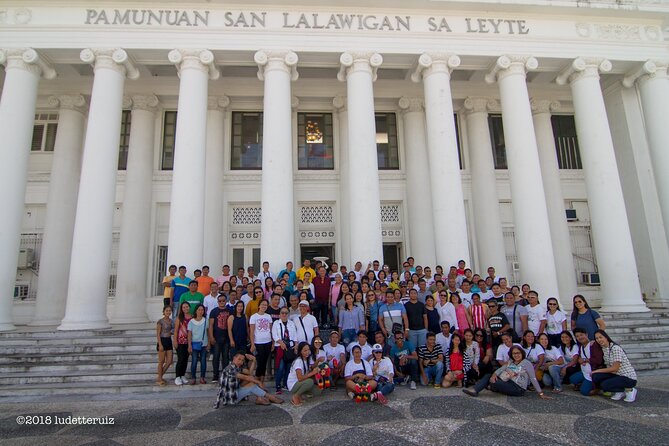
- MacArthur’s landing, explained in context at the Leyte Gulf memorial stop
- M/V Eva Jocelyn Shrine and the story of ships driven aground in ST Haiyan
- Palo Cathedral’s WWII role as a hospital for wounded Allied Forces
- Viewpoints in Tacloban, including Cancabato Bay from Tacloban City Hall
- San Juanico Bridge crossing Leyte to Samar, once the longest in the Philippines at 2.16 km
- Madonna of Japan peace monument, built 33 years after WWII
A 6–7 Hour Heritage Route That Feels Like a Story
This tour runs from a 8:30 am start and usually lands you back later in the day after roughly 6 to 7 hours of sightseeing and driving between stops. It’s set up as a private tour for your group only, so you don’t get stuck waiting on strangers while the clock keeps ticking. An air-conditioned vehicle helps on a hot Philippine day, and you’ll get lunch to keep energy steady through emotionally heavy stops.
What makes this day work is the rhythm. You get short, focused visits—think “hit the meaning fast” rather than slow wandering—and then your guide connects the dots. If you like history that’s tied to real places and real people, this format makes sense.
The price is $51 per person, which feels reasonable for a full day that includes transport, lunch, and guided storytelling. The biggest value isn’t just seeing landmarks—it’s the way the tour uses those landmarks to talk about how Leyte’s Waraynons lived through WWII, then faced the modern trauma of Super Typhoon Haiyan and recovered.
Sto. Nino Shrine and Heritage Museum: Faith Meets Local History
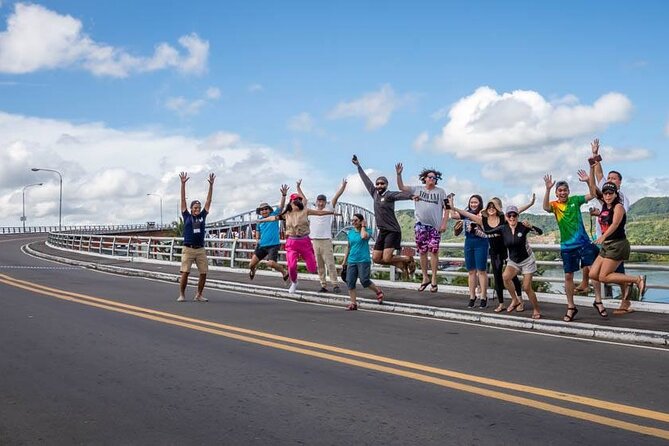
The day begins at the Sto. Nino Shrine and Heritage Museum, where you spend about 30 minutes and the admission ticket is included. This stop isn’t just a quick look at a religious site. It also points you toward how art, family influence, and power showed up in the region through the period associated with the late Ferdinand Marcos Sr. and the Marcos family.
Even if you’re not hunting for museum depth, I like this opener because it gives you grounding. You’re in the right mindset for the rest of the trip: belief, memory, and community are all part of the same story here. If you’re the type who likes to understand why people build and preserve places, this museum stop does its job.
One practical note: since it’s a museum-and-shrine combo, you’ll likely want to wear modest clothing for comfort and respect. You’ll also get the best experience if you’re ready to listen during the guided explanation rather than just taking photos.
Leyte Landing Memorial: MacArthur’s Campaign, the Reality After
Next comes the Leyte Landing Memorial, a park commemorating General Douglas MacArthur’s landing in Leyte Gulf—an event tied to the campaign to liberate the Philippines from Japanese occupation. You’ll have around 15 minutes here, and admission is free.
This stop works best when you think of it as more than a monument. MacArthur’s landing is often treated like a headline in big history. Here, it’s presented as a turning point that shaped what happened afterward on the ground—especially for people who had to live through the fighting and its consequences.
If you’re a photo person, this is a good moment to capture something meaningful without rushing. If you’re more of a listener, it’s a good place to let the guide’s framing do the heavy lifting.
Palo Cathedral: When a Church Became a Hospital
In Palo, your tour visits the Metropolitan Cathedral of Our Lord’s Transfiguration, commonly called the Palo Cathedral. It’s located in the heart of Palo and is another about 15 minutes, with admission free.
The emotional detail here is WWII: the cathedral was converted into a hospital for wounded Allied Forces soldiers. That single fact changes how you look at the building. A cathedral is usually thought of as a place of worship and routine life. Learning it was used as medical shelter and care changes the tone of the stop from cultural sight to lived history.
You don’t need to know much about churches to appreciate this. It’s one of the day’s strongest examples of how communities repurpose what they have when war arrives. It also helps explain why later stops about recovery after Haiyan land with extra weight—you’re already thinking about survival, not just memorials.
M/V Eva Jocelyn Shrine: ST Haiyan, Up Close and Human
The tour then stops at the M/V Eva Jocelyn Shrine. Here you’re looking at the story of 17 ships that ran aground during Super Typhoon Haiyan in November 2013, with the M/V Eva Jocelyn singled out as one example. Like the other memorial stops, you’ll spend roughly 15 minutes, and admission is free.
This is the kind of place where you can feel the shift from war history into more recent tragedy. The description matters: the ship was pushed into the middle of a street by the water surge. That detail turns the event into something tangible. It also shows why the tour’s focus on Waraynons recovery isn’t abstract.
In the feedback I’ve seen from people who booked this tour, this stop is often treated as a highlight because it connects Haiyan to a single object you can stand near. It’s easier to remember a shipwreck than a pile of statistics.
Tip for your day: keep a small note of what you’re feeling. The emotional arc of the tour builds across memorials and churches. If you try to force it into a “just sightseeing” box, you’ll miss the point.
Tacloban City Hall and Cancabato Bay Views: Government on a Hill
From the memorial sites, the day turns scenic and practical with a stop at the Tacloban City Hall. It sits on top of a hill, and the payoff is the view—especially of Cancabato Bay. You get about 15 minutes, and admission is free.
This stop might seem like a break from the heavier history, but it isn’t random. Government buildings tell you where power sits. Visiting Tacloban City Hall after learning about occupation, war, and disaster recovery helps you see how leadership and rebuilding show up in everyday city life.
If you like taking photos, this is one of your best chances. The hill location makes it easier to shoot sweeping angles rather than just street-level snapshots. Wear comfortable shoes, because getting to the right viewing spots often means a bit of walking.
Leyte Provincial Capitol: WWII to Governance, Then to a New Era
Next is the Leyte Provincial Capitol Building, also about 15 minutes and free to visit. This historic building served as the seat of government of Leyte until 2019, and it also functioned as the seat of the Philippine Commonwealth government from October 23, 1944 to February 25 (the exact ending year in your materials is truncated, so I’ll stick to the date range shown).
Even with limited time, this stop is valuable because it places Leyte in the wider political story of the Philippines during WWII. It’s not just battlefield history—it’s the administrative side of survival and governance.
If you’re the type of traveler who likes to understand why places look the way they do, keep your eyes open for architecture and scale. And keep listening. This stop is one where the guide’s connections turn “an old building” into a timeline you can actually picture.
San Juanico Bridge and Madonna of Japan: Crossing and Peace
Then you’ll drive to San Juanico Bridge, which once held the title of the longest bridge in the Philippines at 2.16 kilometers, spanning seawater between Leyte and Samar. The stop is about 15 minutes and free.
Bridge stories always have two layers: the engineering facts, and the human meaning. Here, it’s explicitly described as an iconic site, so you’re meant to treat it like a landmark that shapes how people travel and how visitors orient themselves geographically.
After that comes the Madonna of Japan. This monument is described as a symbol of peace between Filipinos and Japanese people, erected 33 years after WWII. Your stop is about 15 minutes, free admission.
This is a quieter kind of stop. It doesn’t ask you to relive battle. It asks you to look at reconciliation as something people chose after decades—something commemorated with a statue and a setting meant for reflection.
If you’re sensitive to heavy topics, this is a nice shift in tone before the day ends at another church site.
Sto. Nino Church in Tacloban: Resilience That You Can See
To close, you visit Sto. Nino Church in Tacloban. It’s another about 15 minutes, free to enter, and it’s noted for having faced typhoons and earthquakes over time. The important Haiyan detail: even though parts were damaged during Super Typhoon Haiyan, the church provided cover for people.
This stop brings the tour full circle. You start with a shrine and museum tied to identity and memory. You end with a church tied to protection and endurance. That’s the heart of why this tour feels more like storytelling than sightseeing.
Even if you only have a short time at each place, the ending sticks. The Haiyan recovery story isn’t only about rebuilding buildings; it’s about where people sheltered, how they survived, and how community anchors remain when storms hit.
Who This Tour Fits Best (and Who Should Think Twice)
This tour is ideal if you want a guided, respectful path through Leyte’s WWII sites and Haiyan recovery stories with a clear focus on Waraynons culture. It’s also a good match if you like a private setup where your group can move together and your guide can adjust explanations.
It’s less ideal if you hate sitting in vehicles for much of the day or if you prefer long, slow visits where you can wander without time pressure. The structure here is short stops and lots of story, and you’ll feel the pace.
Practical Tips That Make the Day Easier
Start early with water and a light breakfast. You’ll have a lunch included, but you still want your energy steady before midday.
Bring sun protection. Even when you’re indoors, you’ll spend time outdoors moving between stops, and weather plays into how smooth the day runs. The experience is weather-dependent, so plan for the possibility of a different date if conditions are poor.
Wear comfortable shoes. Several sites involve navigating around viewpoints, memorial grounds, and church areas where uneven surfaces are possible.
If you’re emotionally affected by war and disaster history, it helps to go in with that expectation. The tour is meant to be inspiring, but it’s also honest.
Final Verdict: Should You Book This Tacloban and Palo Heritage Tour?
If you care about how people remember—through monuments, churches, shipwreck stories, and government buildings—this is a strong pick. The best part is the way WWII and Haiyan recovery are connected into a single day that explains the Waraynons experience in a way you can actually hold onto.
I’d book it if you want guided context and a private group day with transport, lunch, and meaningful stops. I’d hesitate only if you dislike fast-paced itineraries or want lots of free time to roam on your own.
FAQ
What time does the tour start?
The tour start time is 8:30 am.
How long is the full-day tour?
It runs for about 6 to 7 hours, including travel time between attractions.
How much does the tour cost?
The price is $51.00 per person.
Is pickup included?
Pickup is offered.
What’s included in the price?
The tour includes an air-conditioned vehicle and lunch.
Is the tour private?
Yes. It’s a private tour/activity, meaning only your group participates.
Are admission tickets included?
At least one stop includes admission (the Sto. Nino Shrine and Heritage Museum), while the other listed stops have free admission.
Does it run in any weather?
The experience requires good weather. If it’s canceled due to poor weather, you’ll be offered a different date or a full refund.
What historical topics does the tour cover?
You’ll hear about World War II history, Super Typhoon Haiyan stories, and the culture of the people called Waraynons.