REVIEW · TAICHUNG
Guided Historical Tour in Taichung with Suncake DIY Experience
Book on Viator →Operated by tctimewalk · Bookable on Viator
Sun cake and street stories in Taichung. This guided walk strings together Central District landmarks with real-world context, from early Japanese-era architecture to today’s food culture and local institutions, all in a tight afternoon window.
I really like the way the route is built for learning while moving—you pick up history that connects directly to the buildings and street scenes you’re seeing. I also love the DIY sun cake component at the Taiwan Sun Cake Museum, because you leave with something you made, not just photos, and it fits the tour’s “small details matter” theme.
One consideration: parts of the experience lean into strong smells and busy sidewalks. If you’re not into the stinky tofu stop (or you’re sensitive to aromas), plan your food expectations ahead of time.
In This Review
- Key highlights you’ll care about
- Why this Taichung Central District route feels practical
- Meeting point and what to expect for your afternoon
- Taichung Railway Station: 1917 architecture you can actually read
- Miyahara ice cream in a former 1927 clinic
- Green River waterfront trail: why a waterway still shapes downtown
- ASEAN Square (and the retail-market story behind it)
- Qingcao Street Herb Lane: medicine-shop roots in a shopping street
- Ji Guang stinky tofu: food culture told with the smell in mind
- Quan An Tong Sun Cake Museum: making your own sun cake
- Fourth Credit Union: the cooperative model in an everyday setting
- How to get the most from this tour (and not feel rushed)
- Who should book this Taichung history + sun cake combo
- Should you book it?
- FAQ
- How long is the Taichung historical tour with DIY sun cake?
- Where does the tour start and end?
- How much does it cost?
- Is the group size limited?
- When is the tour offered?
- What’s included besides the walking tour?
Key highlights you’ll care about
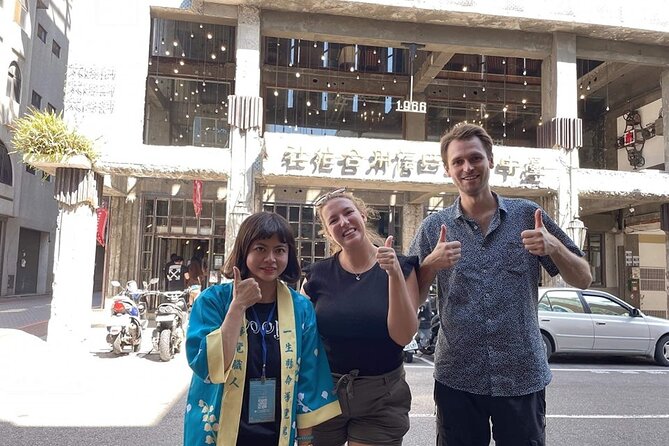
- Small-group feel (up to 40 people) so the tour keeps a human pace.
- A tight history timeline from the 1917 Taichung Railway Station to the 2017 ASEAN Square.
- Miyahara’s 1927 ophthalmology building, now famous for ice cream with big architecture clues.
- Qingcao Street herb-shop legacy, tied to how Taichung traded and treated illness historically.
- Make and pack your own sun cake at the Quan An Tong museum experience.
- Street-food context, including a guided stop at Ji Guang stinky tofu.
Why this Taichung Central District route feels practical
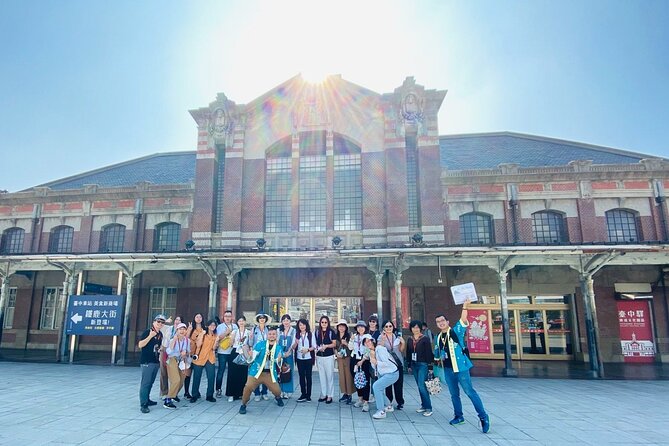
Taichung’s Central District is the part of town where you can mix modern life with older layers—railway-era buildings, repurposed storefronts, and streets that still carry older functions. This tour works because it’s not only “see a thing.” It’s “see a thing, then understand why it exists here.”
The overall timing lands around 2 hours 40 minutes to 3 hours, which is long enough to cover multiple stops but short enough to still have energy afterward for your own wandering. You’re also not stuck with a huge group, since the cap is 40 travelers (that smaller group size matters for hearing explanations and keeping your bearings).
And yes, there’s a food payoff beyond just sightseeing. You’ll hit a classic stinky tofu stop, and the tour’s sun cake session turns the pastry from a souvenir into a hands-on activity. That combination is what makes this a strong value for $63: you’re paying for guided context plus a real product at the end.
Meeting point and what to expect for your afternoon
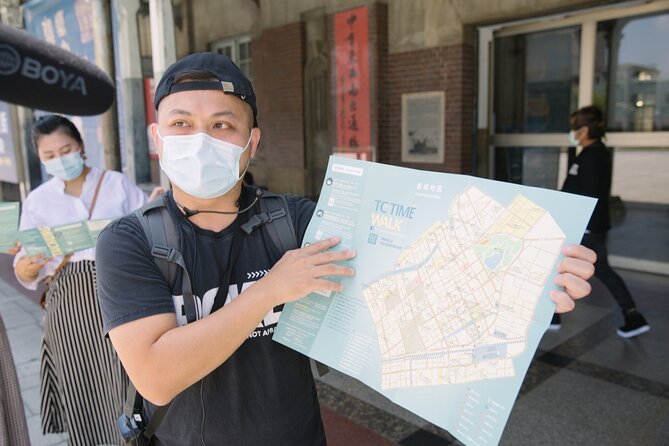
You meet at the Taichung Film Development Foundation (No. 73, Zhongshan Rd, Central District, Taichung City). The tour ends back at the same meeting point, so you don’t have to solve public transit or relocation logistics mid-day.
The schedule runs on Saturday and Sunday from 1:30 PM to 4:30 PM. Because the tour itself runs close to three hours, it’s smart to arrive a little early and let yourself settle in before walking starts.
A couple more details that affect your comfort:
- You’ll use a mobile ticket.
- The tour is marked as near public transportation, which helps if you want to grab something nearby before or after.
- Service animals are allowed, and the tour notes that most people can participate, so this isn’t written like an extreme hike.
Also, the experience is weather-dependent. If conditions are poor, the operator will offer a different date or a refund. So if you’re booking during rainy season, don’t treat the afternoon like guaranteed sunshine.
Taichung Railway Station: 1917 architecture you can actually read
Your first big anchor is Taichung Railway Station Tourist Service Center, inside a historic station building built in 1917. The building’s special because it blends Japanese colonial-era design with traditional Chinese elements—so you’re not just looking at an old postcard. You’re seeing how two architectural worlds coexisted in the same city space.
This stop is also a “set your lens” moment. Once you understand what the station represents—railway history, connectivity, and the era that shaped downtown—you start noticing patterns at later stops: old structures reused for new purposes, and the way Central District streets formed around movement.
The tour time here is about 25 minutes. Admission is listed as free for the stop, so you’re paying mostly for guided interpretation rather than entrance fees.
Practical tip: give yourself a minute to look up and across the façade before you move on. That’s where the mix of styles tends to show up first.
Miyahara ice cream in a former 1927 clinic
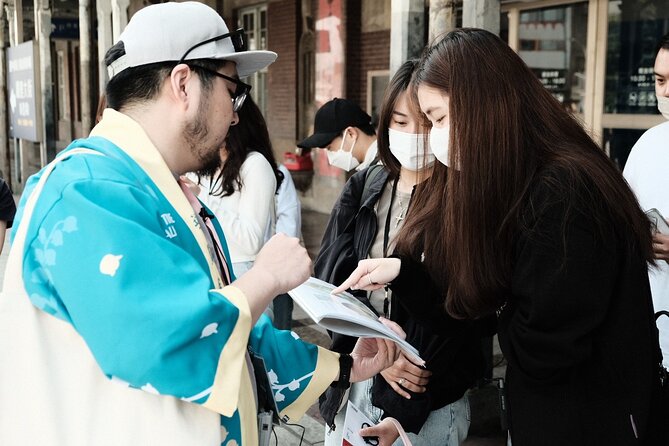
Next up is Miyahara, an ophthalmology clinic that was originally constructed in 1927 and later became a popular ice cream shop. What’s interesting is the building styling: it’s described as a blend of Baroque and Gothic elements.
This stop is a good example of how Taichung keeps old structures useful instead of freezing them as museum props. You get the architecture lesson, then you get a modern reason to visit—ice cream in a building with a very different original function.
You’re allotted around 15 minutes. Since admission is listed as free, this is another stop where you’re paying for context and timing rather than entry costs.
If you’re the type who likes to photograph details, focus on the building edges and structural rhythm. If you’re more into flavor, enjoy the ice cream, but don’t skip the exterior look first. The best contrast happens when you connect the two.
Green River waterfront trail: why a waterway still shapes downtown
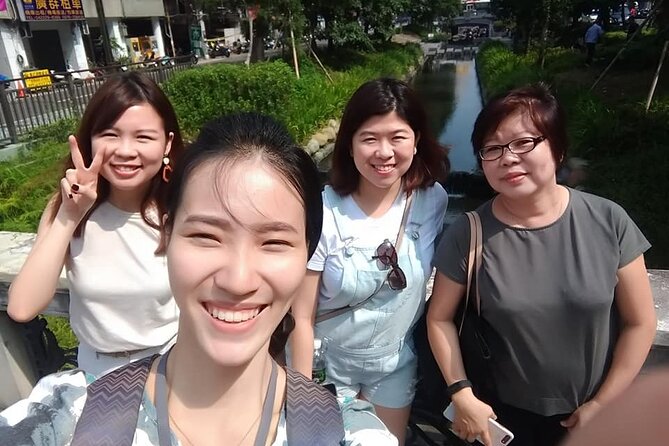
The tour then moves to the Green River waterfront landscape trail. This waterway is described as historic—used for transportation and irrigation—and later transformed into a recreational space for locals and visitors.
Why this matters for your understanding of Taichung: rivers weren’t just scenery. They were infrastructure. Once you connect the dots between water and early city development, the downtown layout starts making more sense—why certain roads, markets, and neighborhoods clustered where they did.
This stop is shorter, about 10 minutes, and admission is free. It’s not a long nature break, so think of it as a story stop: a quick “how cities work” moment.
Practical comfort note: waterfront walks can feel cooler or breezier. If you’re sensitive to temperature swings, bring a light layer.
ASEAN Square (and the retail-market story behind it)
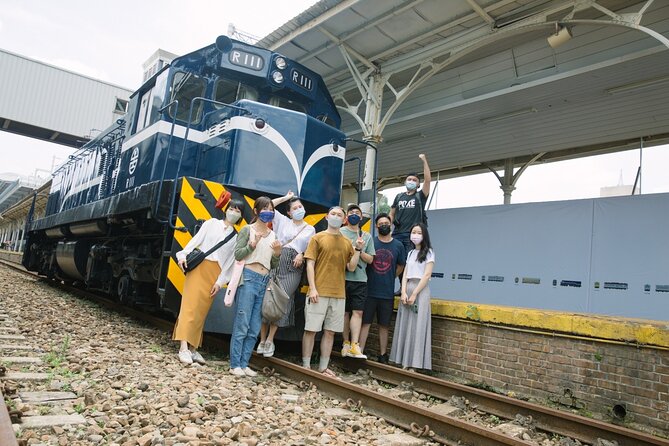
A key downtown stop is ASEAN Square, shown as the current name tied to 第一公有零售市場 (the First Public Retail Market). The square was established in 2017 to promote economic and cultural ties between Taiwan and ASEAN countries.
This is where the tour widens from older buildings into a more modern civic idea: public space as a cultural connector. Instead of being only about commerce, the square is framed as exchange—international relationships made visible in a downtown walking area.
You’ll spend about 25 minutes here, with admission listed as free. Even if you’re not a “numbers and policy” person, it’s worth seeing because it’s a good reminder that history isn’t only past centuries. Downtown planning can be part of the story too.
If you like street photography, this stop can also give you clean backgrounds for murals, signage, and public design elements.
Qingcao Street Herb Lane: medicine-shop roots in a shopping street
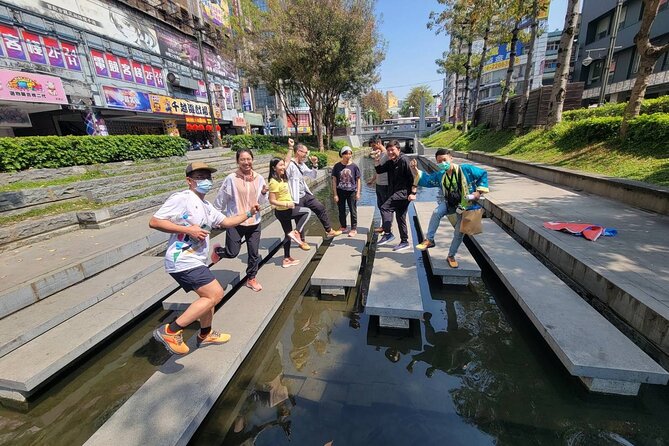
Then comes Qingcao Street, also known as Herb Lane. Historically, it was lined with traditional Chinese medicine shops, where herbal remedies and medicine were sold.
This is a stop that often clicks for people who enjoy small social history. A street name isn’t a slogan; it’s a clue. Once you know the herb-shop origin, it becomes easier to read the street as more than “shops.” It becomes a record of how people sought treatment and how trade flowed through the Central District.
You’re scheduled for about 20 minutes. Admission is free, so again, what you’re buying is the guided explanation that helps you connect today’s storefront scene to earlier uses.
Tip: if you pass by any shops that mention herbs, ask yourself what you’d look for if you were a historical customer—cooling, warming, digestion, aches. That mental framing helps turn browsing into learning.
Ji Guang stinky tofu: food culture told with the smell in mind
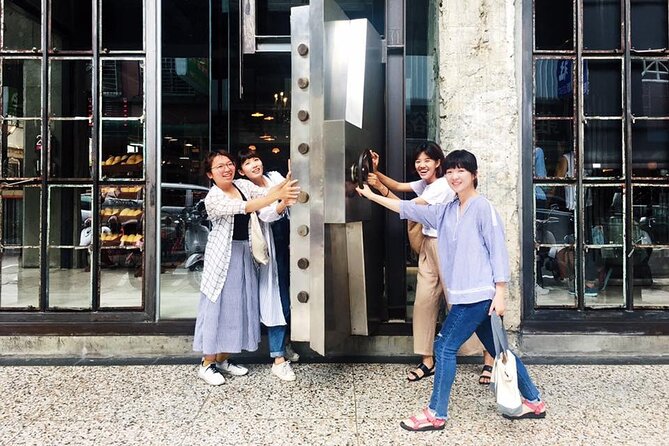
Now you reach Ji Guang stinky tofu, a classic Taiwanese street-food stop. The tour description emphasizes that the tofu is fermented with a blend of herbs and spices, then deep-fried, giving it that pungent aroma and familiar street-food texture.
Even if you don’t plan to eat, it helps to know what you’re smelling. The “stinky” part isn’t random; it’s tied to fermentation and seasoning. That’s exactly the kind of practical context that makes a food stop feel respectful, not just chaotic.
This stop is about 10 minutes with free admission.
Consideration: strong aromas can build quickly in tight sidewalks and indoor storefronts. If you’re sensitive, you might want to take a breath, step back between bites, or skip eating and focus on the explanation.
Quan An Tong Sun Cake Museum: making your own sun cake
The biggest hands-on moment is at the Taiwan Sun Cake Museum (Quan An Tong Sun Cake Museum). This is where the tour shifts from “look and learn” to “make and take.”
You’re told you’ll make sun cake with a pastry master, and you’ll also receive a handmade package of your sun cakes. That’s a meaningful difference from typical food tours. Instead of just tasting multiple items, you create one signature pastry, so you understand the steps and the care that goes into crispness and shape.
This stop takes about 45 minutes. Admission is listed as free for the overall activity, and the DIY component is the main reason the tour feels like more than a walking lecture.
What you should know before you go: sun cake making is usually hands-on and can get a little active. Wear comfortable shoes. If you like cooking-related activities, this is your highlight.
After the session, you’ll have something you can bring home without scrambling for edible souvenirs later.
Fourth Credit Union: the cooperative model in an everyday setting
Before the tour loops back to the starting area, you’ll stop at the Fourth Credit Union. This is described as a cooperative financial institution, different from a standard bank because it operates as member-owned and member-run, with members typically being smaller local business owners.
This might sound like finance trivia, but it fits the tour’s bigger theme: how everyday institutions evolved alongside downtown life. When you see a cooperative used in a street-level setting, you get a more grounded picture of how communities organize money and trust locally.
You’ll spend about 15 minutes here. Admission is listed as free.
If you’re interested in how systems work—who owns what, how services are delivered—this stop gives you a simple, human example without turning the tour into a lecture.
How to get the most from this tour (and not feel rushed)
This is a timed walking route, so your best strategy is to travel light and move at a pace that lets you stop when your guide points out details.
Here’s what I’d do to enjoy it fully:
- Use the first 15 minutes to set your expectations: you’re there for architecture + street stories + food context.
- Wear shoes that handle city sidewalks. The stops are close enough to connect, but you still walk.
- If you’re considering eating at stinky tofu, decide early if you want one bite or just a smell-and-learn approach.
- When you get to the sun cake museum, commit to the activity. That’s the part that turns the tour into a personal memory.
The tour also has strong “explanation skill” in the examples shared by the guides’ names you’ll hear. Guides such as Shine, Hans, Ewa, and Christine were noted for adding trivia and clear structure, with one guide also using a PPT to support the scenic spots. Even without a slide deck, the tone you want is the same: practical facts that help you read the city like a map.
Who should book this Taichung history + sun cake combo
This tour is a good fit if you want:
- A Central District overview that’s more useful than random wandering
- Architecture and street history in a format that stays easy to follow
- One hands-on food activity (the sun cake) instead of only tastings
- A schedule that fits a weekend afternoon without feeling like a full-day commitment
It may be less ideal if you’re mainly chasing quiet museum time or you strongly prefer avoiding intense food smells.
Should you book it?
If you’re visiting Taichung’s downtown and you like learning that actually changes how you look at streets afterward, I think this is a strong pick. The DIY sun cake experience makes the value feel real, not just “you paid for a walk,” and the variety of stops—railway station architecture, a repurposed 1927 clinic, herb-lane street roots, and a cooperative finance institution—keeps the story from turning into one repeating theme.
Book it if you want a guided route that’s specific, fun, and end-to-end. Skip it only if you know you won’t tolerate the stinky tofu stop’s aroma, or if you need a fully seated experience.
FAQ
How long is the Taichung historical tour with DIY sun cake?
It runs about 2 hours 40 minutes to 3 hours.
Where does the tour start and end?
It starts at the Taichung Film Development Foundation (No. 73, Zhongshan Rd, Central District) and ends back at the meeting point.
How much does it cost?
The price listed is $63.
Is the group size limited?
Yes. The tour has a maximum of 40 people.
When is the tour offered?
It’s offered on Saturdays and Sundays from 1:30 PM to 4:30 PM.
What’s included besides the walking tour?
You’ll have a DIY sun cake experience at the Taiwan Sun Cake Museum (Quan An Tong Sun Cake Museum), where you make sun cake with a pastry master and receive a handmade package.