REVIEW · LONDON
London: Changing of the Guard Experience & WWII History Tour
Book on GetYourGuide →Operated by Empire Tours and Productions LLC (United Kingdom) · Bookable on GetYourGuide
Guards swap, history doesn’t. This two-hour walk through London’s senior royal sights is built around one big moment—the Changing of the Guard—plus real WWII backstory you don’t normally hear on a quick sightseeing loop. You’ll cover royal palaces, leafy parks, and the political streets where war decisions were made.
I especially like how the tour mixes big landmarks with specific scenes from the monarchy—so the buildings don’t feel like postcards. Another win for me is the pacing: you get enough time at each stop to understand why it mattered, without feeling rushed.
One thing to plan around: the Changing of the Guard runs only on select days and is weather permitting. If it doesn’t operate on your day, you could lose the main highlight—so it pays to check the schedule before you go.
In This Review
- Key Takeaways Before You Go
- Getting Started: Santander Bank and the Green Park Shortcut
- Changing of the Guard: What You’re Actually Seeing
- St. James’s Palace Stories: Henry VIII and Charles I in One Stop
- Lancaster House: WWII Diplomacy on a Royal-Look Address
- Whitehall and Churchill’s Nerve Centre: Secret Bunkers and the Blitz
- Buckingham, Clarence House, and Green Park: The Royal Route Between Stops
- Horse Guard Parade: A Worthwhile Stop (Timing Matters)
- Ending Near Westminster Abbey and Big Ben: Why This Finish Works
- Price and Value: Is $26 Worth It?
- Who This Tour Fits Best (and Who Might Skip It)
- Should You Book This London Guards + WWII Tour?
- FAQ
- Which days does the Changing of the Guard ceremony run?
- How long is the tour?
- Where do I meet the guide?
- Does the tour run in bad weather?
- What language is the tour guide?
- What is included besides the walking route?
Key Takeaways Before You Go
- Changing of the Guard is limited to select days (Mon, Wed, Fri, Sun) and depends on weather.
- St. James’s Palace links monarchy to turning points like Henry VIII and the final night of Charles I.
- Lancaster House and Whitehall bring WWII decisions to street level with stories of Allied diplomacy and Churchill’s wartime command.
- You’ll stop at Horse Guard Parade as part of the royal-route walk.
- The route ends near Westminster Abbey and Big Ben, where power, politics, and ceremony collide.
Getting Started: Santander Bank and the Green Park Shortcut
You’ll meet outside Santander Bank. If you’re coming by Tube, get off at Green Park Station, exit, and turn left onto the main road—the bank is directly across.
This is one of those small details that makes a big difference. If you arrive late, you can end up searching for a group right when the tour is setting itself up for the ceremony area. Give yourself an extra few minutes and you’ll avoid that stress.
Also, this is a rain-or-shine tour. London can do its classic weather flip in minutes, so bring a light waterproof layer and footwear that won’t turn into ice skates. You’ll be outside most of the time.
Finally, it’s live, English-guided, and wheelchair accessible—helpful if you want a guided overview without negotiating the city solo.
You can also read our reviews of more tours and experiences in London.

Changing of the Guard: What You’re Actually Seeing
The heart of the experience is the Changing of the Guard ceremony. You’re watching the soldiers on duty—the Old Guard—swap places with the incoming New Guard. That exchange is the traditional, highly choreographed moment that helps explain why this corner of London has stayed ceremony central for so long.
Here’s the practical part: the ceremony only happens on select days—Mondays, Wednesdays, Fridays, and Sundays—and it’s weather permitting. That means the tour can run, but the exact featured moment might not happen if conditions aren’t right or it’s a non-ceremony day.
So manage expectations with your calendar. If your trip only has weekends, or if your day falls outside those listed days, you may still enjoy the walk and the WWII storytelling, but the biggest set-piece might be missing.
St. James’s Palace Stories: Henry VIII and Charles I in One Stop
After you get oriented, you’ll move through the royal zone around St. James’s Palace, the senior palace in London’s royal lineup. This isn’t just a stop for architecture photos. It’s a chance to hear how power was lived, not just how it looked.
The guide’s stories point you toward two major monarchy threads. St. James’s Palace was once home to Henry VIII, and the tour also highlights the haunting moment when King Charles I spent his final night before his execution. Those details make the palace feel like a place where history wasn’t a book—it was a countdown.
Even if you know the names, the value here is context. You’re walking between sites that served different roles at different times, so you start to see the city as a timeline rather than a collection of monuments.
Lancaster House: WWII Diplomacy on a Royal-Look Address
Next up is Lancaster House, a grand building you’ll recognize even if you don’t know the name—because it’s been used as a location for royal drama filming. But on this tour, the emphasis shifts from TV glamour to wartime gravity.
Lancaster House is tied to key World War II diplomacy. You’ll hear how Allied leaders gathered there for critical decisions, when discussions were not just strategic—they were life-and-war shaping. Standing outside, you can connect the dots between the paperwork of diplomacy and the battlefield outcomes that followed.
This is one of the reasons I like pairing royal London with WWII history. The city’s power buildings didn’t vanish between eras. They simply changed jobs—from court ceremony to wartime decision-making.
Whitehall and Churchill’s Nerve Centre: Secret Bunkers and the Blitz
Then you head toward Whitehall, and the tour leans into what this area really was during the war: Britain’s WWII nerve centre. The talk includes references to secret bunkers and Churchill’s government operating during the Blitz.
This part helps you understand why Whitehall feels so administrative even when it looks imperial. It wasn’t only about palaces and uniforms. It was about command, communication, and crisis management—exactly the sort of environment where history moves fast.
When your guide ties the stories to what you’re seeing outside, the walk turns from sightseeing into pattern-spotting. You start noticing how government districts are built for control—while royal districts were built for display and tradition.




Buckingham, Clarence House, and Green Park: The Royal Route Between Stops
From there, you continue past Buckingham Palace—once known as Buckingham House—and onward toward Clarence House, the current residence of King Charles III. You’re basically tracing the modern royal map, from the world-famous palace front to the quieter, official residence setting.
You’ll also stroll through Green Park. It’s a nice reset. After the heavier WWII and political-story stops, the park gives you breathing room and better photo angles, plus a chance to scan the skyline without feeling like you’re marching from one wall to another.
And yes, you’ll pass key ceremonial-adjacent streets and viewpoints along the way, including areas near Whitehall. The result is that you’re not just hitting landmarks—you’re learning the geography of how London presents power.
Horse Guard Parade: A Worthwhile Stop (Timing Matters)
The tour includes Horse Guard Parade as a stop, part of the royal-courtyard feel that makes this district so distinct. Even if you’re not guaranteed a specific horse routine at every moment, you’ll at least be in the right place to watch the action if it’s happening during your visit.
This is also where timing can affect what you personally see. One of the recurring themes in the feedback I’ve seen is that people sometimes book specifically for the horse-related spectacle and can be disappointed if the moment they wanted doesn’t line up.
Still, the stop is worth it for the setting alone. It adds texture to the day. It’s the kind of London scene that looks staged, until you realize how much tradition is stacked into the routine.
Ending Near Westminster Abbey and Big Ben: Why This Finish Works
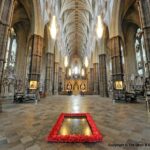
You’ll wrap up near Westminster Abbey and Big Ben, where royal and political history literally sit side by side. Even if you’re not going into the buildings, ending here lets you make sense of what you just walked through.
Think about it: you start in the royal ceremonial zone, then shift into WWII command and diplomacy, and finally land in the civic heart of the UK. That arc is the tour’s hidden strength. It gives your brain a storyline instead of a list.
If you want an easy next step after the tour, this finish zone is a smart launchpad. You’re already in the right area to keep exploring at your own pace, whether that means more landmarks, a museum detour, or just a long walk along the Thames.
Price and Value: Is $26 Worth It?
At about $26 per person for roughly 2 hours, this is priced like a small-group essentials tour rather than a big-ticket museum day. And the value comes from the mix: you’re not paying just to see palace walls. You’re paying for a guided explanation of why these sites mattered.
The price also makes sense because the itinerary stacks multiple major sights into one walk—St. James’s Palace, royal residences, Horse Guard Parade, and the Westminster-area finale—while adding WWII context that changes how you read the city.
The potential downside is tied to the ceremony schedule. When the Changing of the Guard isn’t running on your date, the tour still covers major sights, but the flagship moment might be missing. If that ceremony is the whole reason you booked, check the select-day pattern first.
Who This Tour Fits Best (and Who Might Skip It)
This tour is a strong fit if you:
- want a short, guided overview of royal London
- enjoy WWII stories that connect to real places you’re standing outside
- like a paced walk where key stops get explained instead of rushed
It’s less ideal if:
- your one must-see is the Changing of the Guard on a non-ceremony day
- you’re only interested in the ceremony and not in the surrounding stories
If you’re traveling with limited time in London and you want a single plan that hits both ceremony and war history, you’ll get a lot for your money.
Should You Book This London Guards + WWII Tour?
I’d book it if you’re traveling on a Monday, Wednesday, Friday, or Sunday and you can handle a little weather uncertainty. The combination of Changing of the Guard plus WWII-focused storytelling turns a typical royal walk into something more meaningful.
But if your schedule lands on a day when the ceremony doesn’t run, I’d consider whether you still want the WWII portion enough to justify the outing. You’ll still see a lot of the key landmarks, yet you may feel the trip didn’t deliver the headline moment.
If you can align your day with the ceremony schedule, this is one of those practical tours that makes London feel organized and alive—royal, political, and wartime, all in the same two-hour stretch.
FAQ
Which days does the Changing of the Guard ceremony run?
It takes place on select days: Mondays, Wednesdays, Fridays, and Sundays. It also depends on weather.
How long is the tour?
The tour lasts about 2 hours.
Where do I meet the guide?
Meet outside Santander Bank. If you arrive by Tube, exit Green Park Station and turn left onto the main road—the bank is directly across.
Does the tour run in bad weather?
Yes. The tour runs rain or shine, but the Changing of the Guard ceremony is weather permitting.
What language is the tour guide?
The live tour guide speaks English.
What is included besides the walking route?
The tour includes an expert guide, the Changing of the Guard (when it operates), and a stop at Horse Guard Parade.