REVIEW · TRIVANDRUM
Heritage & Cultural Walk of Trivandrum 2 Hour Guided Walking Tour
Book on Viator →Operated by Yo Tours · Bookable on Viator
Trivandrum comes alive on foot. This guided 2-hour walking tour gives you a map made of stories, starting at Kanakakunnu Palace and ending at the Kerala Government Secretariat. Two things I really like are the guides who can explain in English & Hindi, and the way the route balances major landmarks with quieter streets that help you get oriented fast. One drawback to plan for: it does not include bottled water or snacks, and there’s no hotel pickup—so you’ll want to show up ready.
The stop list is varied enough to work for first-timers and culture-hunters: Napier Museum, the Keralam Museum of History and Heritage, Mateer Memorial Church, the State Library area, a Latin Rite cathedral built about 150 years ago, and the Connemara Market with its arched entrance. I also like that the tour can run as a small group or as a private experience, and guides stay on-task even when you end up as the only booked guest, like the days led by Sureshkumar or Siddharth.
A heads-up: the pace is a walking tour, so don’t book it if you’re expecting a slow, sit-down museum marathon. If you have an afternoon to spare, it’s also a smart primer—then you can return on your own days to linger where you feel like it.
In This Review
- Key highlights at a glance
- Starting at Kanakakunnu Palace: the walk’s best “orientation moment”
- Napier Museum: an art-and-history stop you’ll remember longer than a selfie
- Keralam Museum of History and Heritage + Mateer Memorial Church: culture in two directions
- Rama Rao Lamp and the old-street rhythm: where side details make sense
- The cathedral route and Connemara Market: from faith to everyday buying
- What you actually learn from the guide (and why it matters)
- Price and value: why $11.35 can be a bargain (if you match the format)
- Getting the most from the walk: pacing, questions, and what to bring
- Who should book this walk, and who should rethink
- Quick heads-up on weather and the 2-hour rhythm
- Should you book the Heritage & Cultural Walk of Trivandrum?
- FAQ
- How long is the Heritage & Cultural Walk of Trivandrum?
- How much does the tour cost?
- Where does the tour start and end?
- What landmarks or stops are included?
- Do I need bottled water or snacks?
- Is hotel pickup included?
- What language do the guides speak?
- What happens if the weather is bad?
Key highlights at a glance

- Guided storytelling in English & Hindi makes landmarks easier to understand as you walk.
- Kanakakunnu Palace to Kerala Government Secretariat is a clean end-to-end route for first-time orientation.
- Napier Museum and Keralam Museum of History and Heritage bring 19th-century and cultural context into the streets.
- Mateer Memorial Church, a Latin Rite cathedral, and church-to-market routing show the city’s layers in one walk.
- Connemara Market with its arched entrance gives you a living, street-vendor shopping scene to orient your senses.
- Local recommendations help you find places to eat and shop without wasting time guessing.
Starting at Kanakakunnu Palace: the walk’s best “orientation moment”
You meet at the Kanakakunnu Flag Post on KanakaKunnu Palace Rd. It’s a good launch point because Kanakakunnu Palace instantly signals you’re in the capital city mood, not a back-alley neighborhood. The tallest national flag in India flying at the palace grounds is the kind of detail that turns a starting photo into a place with context.
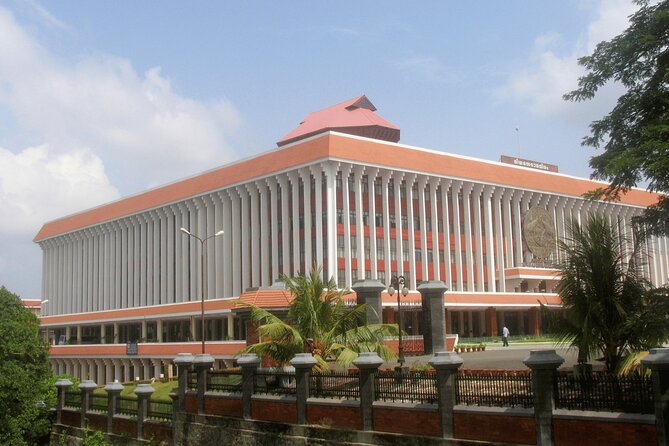
From there, you’ll be moving toward the heritage core of Thiruvananthapuram (Trivandrum’s name in everyday use). The walk ends at the Kerala Government Secretariat main block near the statue in Palayam—so it finishes in a practical, central area where you can keep going with the rest of your day.
The tour is designed to help you get your bearings fast: you see landmark after landmark, but you also learn what each one means culturally and historically. I like that the route doesn’t feel like a checklist—it’s more like a guided way of reading the city’s clues, one street at a time.
If you’re someone who prefers structure, this is the kind of tour that gives it to you: start point, end point, and a tight 2-hour window. Just remember it’s not tied to a hotel. You’ll want to navigate to the meeting area yourself, ideally with a charged phone for the mobile ticket.
You can also read our reviews of more tours and experiences in Trivandrum.

Napier Museum: an art-and-history stop you’ll remember longer than a selfie
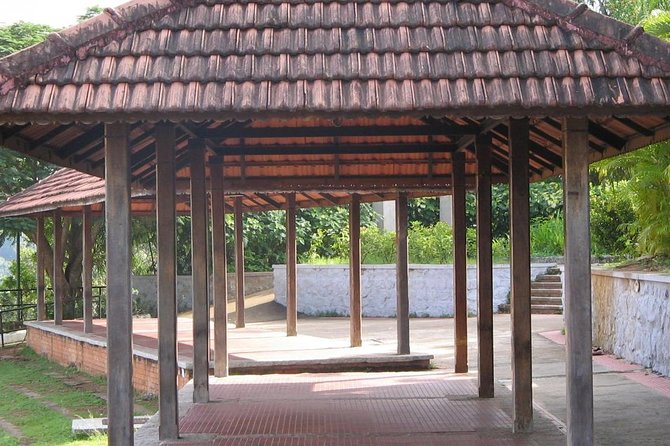
Napier Museum is one of the stronger “learn while you look” parts of the route. The museum building dates back to the 19th century, and it focuses on both art and natural history—so you’re not stuck in just one kind of story. What makes this stop useful on a walking tour is that you learn what to pay attention to right away.
The museum is known for historical artefacts like bronze idols, ancient ornaments, a temple chariot, and ivory carvings. Even if you don’t spend hours inside, the guide’s framing helps you see why these objects matter. You walk away with a mental highlight reel: material (bronze, ivory), craftsmanship (ornaments), and cultural connections (temple chariot imagery).
Potential drawback: since the whole experience is only about two hours, the Napier Museum segment is more about guided orientation than deep museum study. If your dream day is long indoor time and slow reading, you might want to treat this as your kickoff, then come back later for longer viewing.
Keralam Museum of History and Heritage + Mateer Memorial Church: culture in two directions
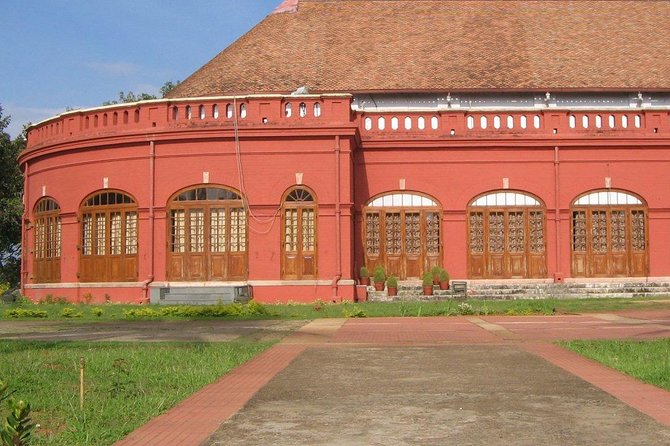
Next up is Keralam – Museum of History and Heritage. This stop matters because it helps you understand the setting for everything you’ll see around town. Instead of just naming buildings, the guide can connect them to the way people lived, built, and preserved identity in Kerala. It’s the kind of stop that makes later streets feel less random.
Right after that, you’ll also pass Mateer Memorial Church. Having a church stop in the middle of a heritage walk is practical: it widens the story of Trivandrum beyond palaces and state institutions. Religious architecture often tells you about community history, missionary-era influences, and how different groups shaped the city’s character.
If you enjoy walking through places of worship with respect, this portion tends to reward you. The main thing to watch is your expectations: this is a guided walk with stops, not a dedicated architecture seminar or a long guided tour inside every interior space.
Rama Rao Lamp and the old-street rhythm: where side details make sense
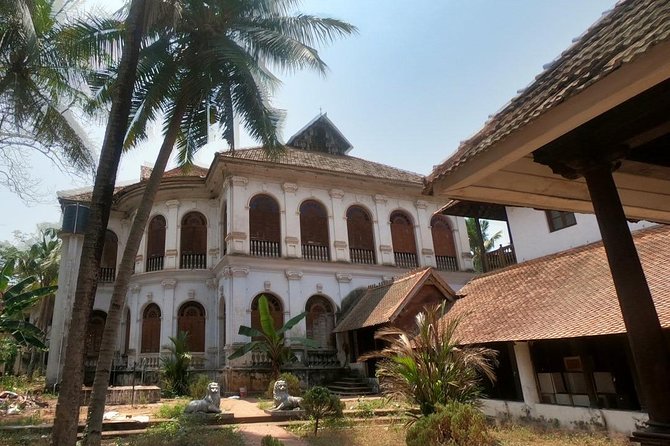
One of the most interesting parts of this walk is the shift from big named sites to street-level context. You’ll encounter the Rama Rao Lamp, plus the old houses of Kerala, and you’ll also see the state library and old university area.
This is where a good guide earns their fee. A landmark is easy to photograph. A neighborhood rhythm is harder. When your guide points out patterns—what an old house layout suggests, how lamps and public features function, why an institutional area matters—you start connecting the dots yourself.
The old houses portion also helps you see that Trivandrum’s heritage isn’t only “museum heritage.” It lives in everyday architecture and the way older streets still influence what you notice today. Even if you can’t read every historical detail on your own, the guide’s commentary turns these cues into something you can hold onto later.
Small consideration: this section involves walking through older urban areas, so it’s a good idea to wear comfortable shoes and keep an eye on your footing. If you want a lot of resting, you may find 2 hours tight—though you’re not locked into a marathon pace.
The cathedral route and Connemara Market: from faith to everyday buying
The walk includes a Roman Catholic Latin Rite cathedral of the Archdiocese of Trivandrum, built around 150 years ago. That’s a key timing anchor. When you know the approximate age, you can better imagine the city’s growth during that era—how communities formed, how architecture communicated presence, and how the city added layers over time.
From there, the route heads toward Connemara Market, described as the oldest Connemara Market with an arched entrance. This is one of those stops that flips the mood from monuments to daily life. Market streets are where you can learn quickly what a city’s rhythm feels like: street vendors, variety of items, and a feeling of constant motion.
I like the market stop because it gives you something to do with your new orientation. After learning history and culture, you can shift to shopping and eating decisions right away, guided by local advice you can use beyond the tour.
Potential drawback: markets can be busy and crowded, and your experience depends on timing and the flow of people. If you’re sensitive to noise or crowds, plan to keep your visit brief and focus on browsing with the guide’s suggested approach.
What you actually learn from the guide (and why it matters)
This is a guided walk, so the guide is the experience. The tour includes a friendly, trained storyteller who speaks English & Hindi, and that language setup matters more than it sounds. When your guide can explain in your comfort language, you stop missing the meaning behind details like building dates, object types, and why certain sites were chosen as landmarks.
The guide talent shows up clearly in past experiences led by people like Suresh, Sureshkumar, Gokul, Vijay, Biju, Naveen, Hareesh, and Siddharth. Across those examples, the common thread is clarity plus patience—taking time to answer questions instead of rushing you from stop to stop. If you want to ask, this is the kind of tour where questions are welcome.
One more practical benefit: guides often help you translate what you see into real plans. Some guides have assisted with shopping, and others have pointed people toward a quieter coffee break mid-walk. That kind of guidance helps you turn the tour into useful time, not just moving between sites.
Price and value: why $11.35 can be a bargain (if you match the format)
At $11.35 per person for about 2 hours, this is priced for good city-intro value. The biggest “value lever” isn’t just the low cost—it’s what’s included: a trained English-and-Hindi guide, access to less-frequented lanes, and recommendations designed to help you spend smarter later.
What’s not included is also important for your value math. No bottled water, no snacks, and no hotel pickup. So if you’re the type who needs water and a snack to keep energy steady, bring them or plan to grab them nearby before you start. You’ll still likely feel you got a deal, but only if you don’t treat the tour like it supplies everything.
Also note: the experience offers group discounts and uses a mobile ticket. If you’re traveling with friends, grouping can make it even easier to keep costs down. If you’re traveling solo, the format still works—on some days, a single booking can turn into a one-on-one experience in practice, with the guide still providing full attention.
Getting the most from the walk: pacing, questions, and what to bring
To make this tour feel smooth, I’d plan your day around it rather than squeeze it in. With a start in Kanakakunnu and an end at the Secretariat area, it’s best as either your first cultural orientation or as a middle-day planning tool.
Bring the basics:
- Comfortable walking shoes (you’ll cover city blocks on foot).
- Your own water plan (since bottled water isn’t included).
- A charged phone and internet access for your mobile ticket.
Now for the “how to win” part: come ready to ask questions. The stops connect to themes—palace-era symbolism, museum objects, church history, institutional areas, and market life. When you ask about what you’re seeing, the guide’s storytelling turns the walk into a set of personal notes you can reuse on later days.
If you’re traveling in the afternoon, this tour format can also help you return later. You’ll learn where you’d like to spend more time, and you’ll already know how to find your way back.
Who should book this walk, and who should rethink
This tour fits best if you want:
- A first-time orientation to Trivandrum’s key heritage areas.
- A guided explanation of monuments and cultural sites, not just photos.
- A route that ends in a central area so you can keep exploring afterward.
It may be less satisfying if you’re expecting a long, slow, museum-heavy day. The tour is built as a walking intro with meaningful stops, and that means some areas are covered as highlights rather than as deep, time-consuming immersions. Also, because it’s a walking experience, you should be okay with some stretch of road and movement even if you’re mainly there for culture.
If you’re the type who loves architecture dates, museum objects, and the way churches and markets show different sides of city life, you’ll likely enjoy how the guide strings it all together into a coherent narrative.
Quick heads-up on weather and the 2-hour rhythm
This experience requires good weather. Trivandrum can have days where it’s better to wait for better conditions, and the operator may offer another date or a full refund if it’s canceled due to poor weather.
Also, because the timing is about 2 hours, think of it as a focused taste. You’ll come away with clearer bearings, a list of places you’ll want to revisit, and a better sense of how the city’s institutions and everyday life connect.
Should you book the Heritage & Cultural Walk of Trivandrum?
If you’re in Trivandrum for a short visit, I’d book it. For the price, you get a tight route with strong landmark variety, and you’re not stuck trying to decode everything on your own. The guide experience is the selling point: when you have someone who can explain clearly in English and Hindi, the city becomes easier to read.
Book it especially if you want a practical plan for your first day and like asking questions. Bring water and a snack plan, expect a walking pace, and use the tour as your jumping-off point for deeper solo exploring afterward.
FAQ
How long is the Heritage & Cultural Walk of Trivandrum?
It’s approximately 2 hours.
How much does the tour cost?
The price listed is $11.35 per person.
Where does the tour start and end?
It starts at the Kanakakunnu Flag Post on KanakaKunnu Palace Rd, and ends at the Kerala Government Secretariat (Secretariat Main Block, Statue, Palayam).
What landmarks or stops are included?
The walk includes stops such as Kanakakunnu Palace, Napier Museum, Keralam – Museum of History and Heritage, Mateer Memorial Church, the Rama Rao Lamp and old houses of Kerala (plus the state library and old university area), a Roman Catholic Latin Rite cathedral, and Connemara Market.
Do I need bottled water or snacks?
No—bottled water and snacks are not included.
Is hotel pickup included?
No, hotel pickup and drop-off are not included.
What language do the guides speak?
The included guide can speak English and Hindi.
What happens if the weather is bad?
The tour requires good weather. If it’s canceled due to poor weather, you’ll be offered a different date or a full refund.