REVIEW · HAKONE
Hike Japan Heritage Hakone Hachiri (Half Day)
Book on Viator →Operated by Coconuts Hike Japan · Bookable on Viator
A quiet stretch of old Japan walks like a time machine. This Hakone Hachiri hike blends cobbled paths, forest trails, and real Edo-era travel flavor between Hakone-Yumoto and Lake Ashi. I especially love the mix of preserved Tokaido road and the moments where you feel like you have the woods to yourself.
Two things I like a lot: the stop at Hatajuku, a woodcraft village where the route’s culture shows up fast, and the 400-year-old teahouse break for amasake before you head toward the lake. One possible drawback to plan for: the views you want most, including Mt. Fuji across the water, depend on weather.
With a small group (max 6) and a licensed guide, this feels like a regional walk with context, not a big bus tour. The guide I’m referencing from past trips, Akihiro, was noted for excellent English and clear local storytelling, which makes the history easier to follow as you hike.
In This Review
- Key highlights (why this walk works)
- Hakone Hachiri on the old Tokaido: cobblestones plus forest quiet
- How hard is the half-day hike, and how it runs from 9am
- Stops 1–4: Hatajuku, the 400-year teahouse, the Hakone checkpoint, Lake Ashi
- Stop 1: Hatajuku woodcraft village (about 1 hour in)
- Stop 2: Hakone amasake tea house (30 minutes)
- Stop 3: Hakone checkpoint (about 30 minutes)
- Stop 4: Lake Ashi (about 1 hour) and Mt. Fuji if weather allows
- From Motohakone to your next stop: ferry or bus timing
- Price and what you’re really paying for
- When to go and what to pack for forest trails
- Should you book this Hachiri hike?
- FAQ
- How long is the Hakone Hachiri hike?
- Where do I meet and where does the tour end?
- What time does the tour start?
- Is this hike suitable for moderate fitness?
- What’s included in the price?
- Are there extra transportation costs?
- How many people are in the group?
- Can I see Mt. Fuji during the hike?
Key highlights (why this walk works)
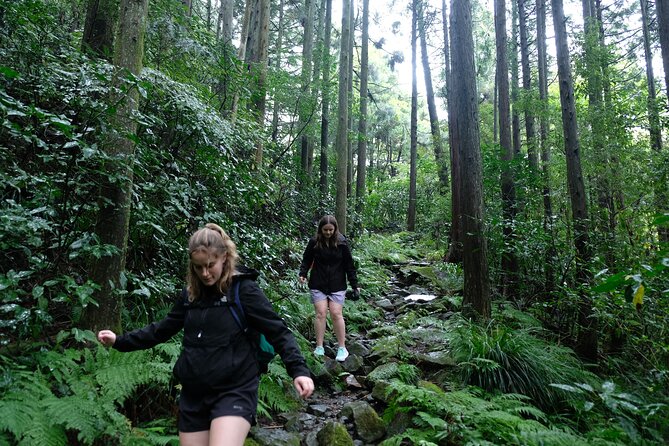
- Old Tokaido cobbles: one of the best-preserved sections along this route.
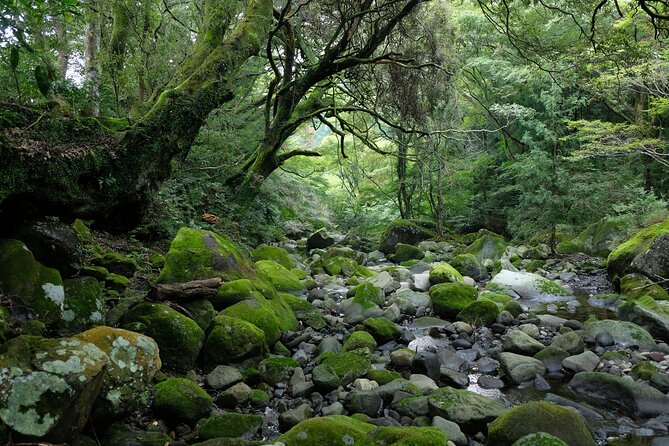
- Forest time: parts of the trail feel off the beaten track, so you’re not constantly dodging crowds.
- Hatajuku woodcraft village: a real Hakone craft stop, not just a photo stop.
- Amasake at a 400-year teahouse: a warm, local reset mid-hike.
- Hakone checkpoint meaning: you finish with the bigger picture of why Hakone mattered on Japan’s travel routes.
- Lake Ashi timing: you end around 1pm, when you can connect to a bus or ferry.
Hakone Hachiri on the old Tokaido: cobblestones plus forest quiet
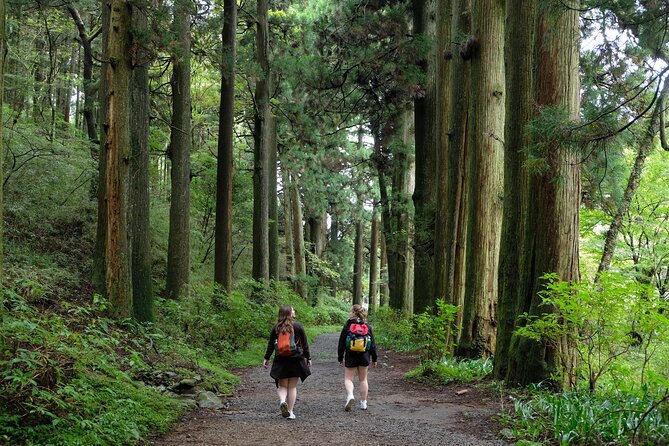
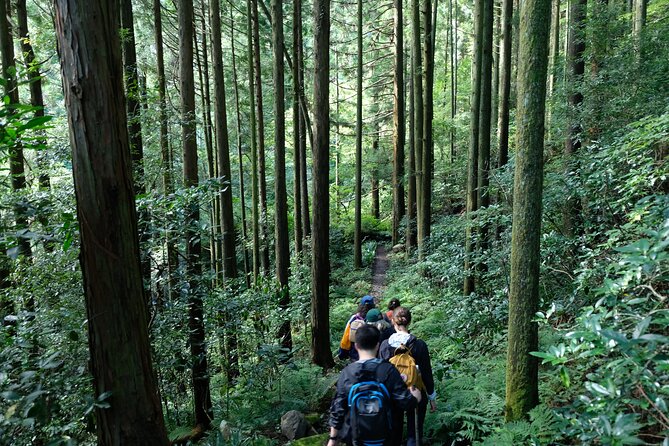
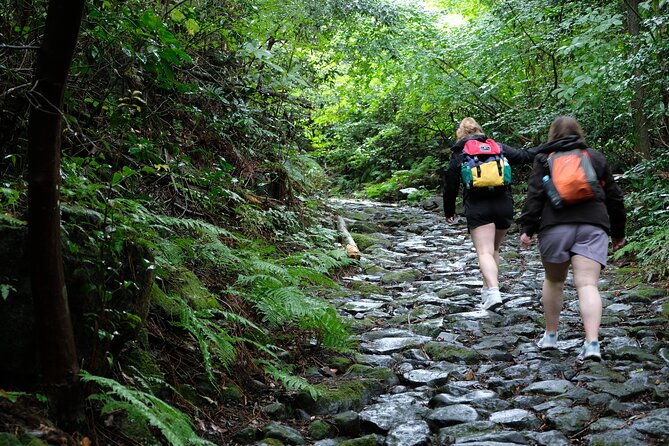
Hakone Hachiri is a half-day hike designed around one of Japan’s classic travel roads, the old Tokaido linking Tokyo and Kyoto. Here, the hiking isn’t just pretty scenery. You’re walking actual segments of the old path, including cobbled stretches and rougher forest trail that feels more primitive than the smoother sightseeing routes.
The biggest win is variety in a short time. You start near Hakone-Yumoto, then work your way along a mix of surfaces: stones underfoot, dirt-and-leaf forest paths, and the occasional moment where you can hear your own footsteps. The tour is built so you don’t waste your energy on the steepest section, using a short bus ride to keep the pace reasonable.
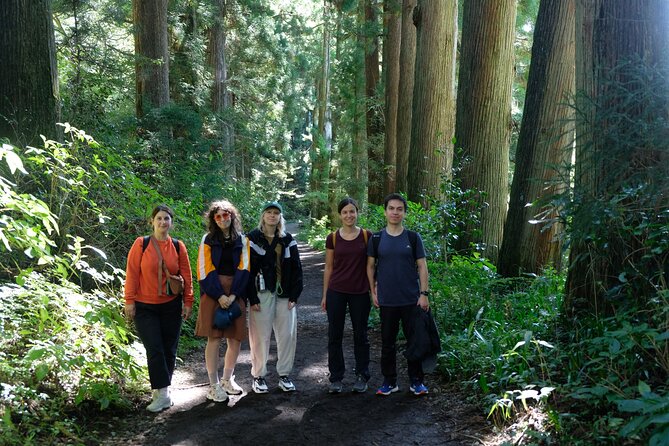
And because the group size is capped at 6, you tend to keep traction and rhythm. That matters on cobbles. You’re moving, but it doesn’t feel rushed or overcrowded.
You can also read our reviews of more tours and experiences in Hakone.
How hard is the half-day hike, and how it runs from 9am

This is billed as a 4-hour hike with a moderate fitness level. The trail time is roughly 2–3 hours of walking, plus breaks and transit between points. You’ll want shoes you trust on uneven ground—some parts are cobbled, and some are in the woods where the footing can be less predictable.
The schedule starts at 9:00am from Hakone-Yumoto Station. You’ll finish around the Lake Ashi area (the tour ends at Motohakone) with time to keep going to your next stop, usually around 1pm.
Two small logistics notes that affect your day:
- You may need a shared taxi for the ride to the trailhead. The cost mentioned is 2000 yen total, split among the group.
- A short bus ride is used to skip the steepest part to reach the teahouse. The bus fee is less than 400 yen.
Also, the tour uses a mobile ticket and has a “confirmation at booking” setup. Nothing fancy, just modern convenience.
Finally, weather matters. The experience requires good weather, and if conditions are poor it won’t run as planned (you’ll be offered a different date or a full refund).
Stops 1–4: Hatajuku, the 400-year teahouse, the Hakone checkpoint, Lake Ashi
This hike is structured like a guided story in motion. Each stop is timed so you keep walking, but you still get context and a couple of genuine breaks.
Stop 1: Hatajuku woodcraft village (about 1 hour in)
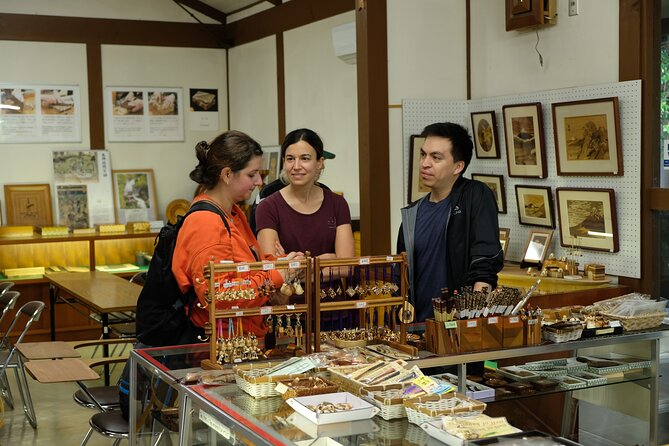
After about an hour of hiking, you reach Hatajuku, a woodcraft village tied to Hakone’s traditional arts. This part matters because it gives you something tangible to connect to the route. The old Tokaido road wasn’t just about moving people; it was about towns, trades, and the daily life that formed around travel.
The village stop is around 2 hours total in the itinerary slot, but the key moment is that you’ll learn how woodcraft traditions fit into the Hakone story. After that, you take a bus to avoid the steepest trail section so you don’t arrive at the next rest point wiped out.
There’s also a practical way the guides handle the village break. On past walks, the guide added time for local tasting like barley tea and a traditional rice dessert during the village portion. Think of it as a short, easy reset before the next leg.
Stop 2: Hakone amasake tea house (30 minutes)
Next comes the Hakone Amazake Tea House, where you stop for amasake. This is not a random tourist cafe stop. The teahouse is described as having about 400 years of history, and it’s placed right in the middle of the route you’re already hiking.
Amasake is sweet and soothing, and it’s timed well. When you’re walking through forest sections, a warm sip helps you feel human again. It’s also a nice contrast: you’ve been on stones and dirt, then you sit down, warm up, and let the guide connect what you’re seeing to why it mattered historically.
This stop is 30 minutes, and there’s no admission ticket cost listed for it, which keeps the day feeling simple.
Stop 3: Hakone checkpoint (about 30 minutes)
After the teahouse, the route brings you to the Hakone checkpoint, treated as a final destination segment where your guide explains why Hakone mattered in Japan’s broader travel system.
This is the part that turns the walk from exercise into understanding. You’ll learn the significance of checkpoints and controlled travel in Japan’s history—how certain locations held strategic or administrative importance when people moved along major routes.
It’s also a smart pacing choice. By the time you reach this checkpoint, you’ve already done enough walking that you’ll appreciate a slower stop. But you’re not done yet—this is still a lead-in to the lake view.
Stop 4: Lake Ashi (about 1 hour) and Mt. Fuji if weather allows
The hike finishes at Lake Ashinoko (Lake Ashi). This is where you cash in the “why am I walking through the woods?” reward: open water views, forest edges, and the possibility of seeing Mt. Fuji across the lake if weather permits.
That phrase—if weather permits—is not just small print here. Fuji sightings are the kind of thing you can’t force, and fog or cloud cover can shut it down. Still, even without Fuji, Lake Ashi has a calm, scenic quality that makes the finish feel complete.
You’ll have about an hour here. The timing matters too. Because you end around 1pm, you can easily connect to your next plan.
From Motohakone to your next stop: ferry or bus timing
When the walk ends at Motohakone, you’re set up for easy onward travel. The tour notes that you can catch a bus or ferry (including a pirate-ship-style option) to your next destination around 1pm.
This is practical because Hakone is made for chaining half-day experiences. You can do the hike in the morning, then shift to a different area later without turning the whole day into travel logistics.
If you’re the type who likes a plan but hates rigid plans, this format is ideal. You know where you’ll end, you know you’ll have time, and you won’t be stuck waiting around for hours at the lake.
Price and what you’re really paying for
The price is $114.95 per person for about 4 hours total. That number can look “tour-ish,” but here’s what you’re getting in return based on the tour structure:
- A certified National Mountain Guide, included.
- A route that focuses on more than one surface type: cobbled old road + forest trails.
- A 400-year-old teahouse stop with amasake included in the experience flow.
- Built-in pacing choices like the bus segment to avoid the steepest part.
- A small-group cap of 6 travelers, which affects how calmly you hike on uneven ground and how much time the guide has to explain things.
On top of that, two costs you should expect outside the main price:
- Shared taxi to the trailhead: 2000 yen total, split across the group.
- Bus fee to the teahouse area: under 400 yen.
So the real comparison isn’t $114.95 versus a self-guided walk. It’s $114.95 versus doing a guided hike that also teaches you what you’re walking on. If you care about the old Tokaido context and want the “why” without fumbling with maps and history on your own, the cost starts to make sense.
Also, the tour uses mobile tickets, which reduces day-of hassles.
When to go and what to pack for forest trails
This experience is clearly designed for good weather. Since Mt. Fuji across Lake Ashi depends on conditions, your best shot is a clear, stable day with less cloud cover.
Practical packing matters more here than it does on city walks:
- Good walking shoes for cobbles and uneven forest footing.
- A light layer for morning-to-lake temperature swings.
- Sun or rain protection, since the route includes forest sections but ends at open water.
And because it’s a half-day, don’t plan a heavy breakfast after. You’ll be moving. Bring water if you normally like having it, even though the guide provides an included break at the teahouse.
Should you book this Hachiri hike?
Book it if you want Hakone in a different mode. This isn’t a train-and-temple checklist. It’s a walk along the old Tokaido, with real stops that connect craft, travel history, and lake views into one clean morning block.
Skip it if you want a low-effort sightseeing stroll with lots of flat paved paths. You do hike for 2–3 hours, and there are cobbles and forest trails underfoot, even with the bus helping you avoid the steepest section.
One more honest note: this is non-refundable and can’t be changed, so only book if you’re confident you can keep the date. If you’re flexible, the “reschedule or full refund if canceled due to poor weather” setup is the safety net.
If you’re on your first Hakone trip and you’d like a memorable morning that feels local, this is a strong choice. You get exercise, a historic teahouse break, and a finish at Lake Ashi when you still have the day ahead.
FAQ
How long is the Hakone Hachiri hike?
The experience runs for about 4 hours total.
Where do I meet and where does the tour end?
You start at Hakone-Yumoto Station and finish at Motohakone near Lake Ashi.
What time does the tour start?
The start time is 9:00am.
Is this hike suitable for moderate fitness?
Yes. It’s listed for travelers with a moderate physical fitness level.
What’s included in the price?
The tour includes a certified National Mountain Guide. Stops such as the teahouse amasake and other listed admission items are noted as free.
Are there extra transportation costs?
Yes. You may pay for a shared taxi to the trailhead (2000 yen total shared among the group) and a bus fee to the teahouse (less than 400 yen).
How many people are in the group?
The tour has a maximum group size of 6 travelers.
Can I see Mt. Fuji during the hike?
You might, especially across Lake Ashi, but it depends on weather conditions.
If you tell me your travel dates (and whether you’re hoping hard for a Fuji view), I can help you decide if this is the right morning slot for your Hakone plan.