REVIEW · HAKONE
Hike Japan Heritage Hakone Hachiri with certified mountain guide
Book on Viator →Operated by Coconuts Hike Japan · Bookable on Viator
A 7-hour walk through Edo routes in Hakone. I like how the Hakone Hachiri trail turns old travel routes into something you can actually feel, with a certified mountain guide helping you read the place as you go. You’ll cover about 8km, mix hiking with local bus/taxi rides, and look for Mt Fuji from several angles if the sky plays along.
What I especially like is the pacing and planning for a small group (max 6), plus the guide’s focus on how people moved through Hakone during the Edo period. The one thing to think about is that the experience is weather dependent, so mist, rain, or low visibility can reduce the Mt Fuji views.
In This Review
- Key highlights you’ll care about
- Hakone Hachiri: walking the Old Tokaido slope for real
- Meet at Hakone-Yumoto: small group pace, real transport, clear end point
- Hakone Amazake Tea House and the craft village start
- Lake Ashi and the Heiwa no Torii photo moment
- Cedar trees to the Hakone Checkpoint: where travel got controlled
- Lunch near Hakone-machi and the bus skip to keep the route intact
- Yamanaka Castle Ruins: smaller ruins, big viewpoint potential
- Mishima Taisha and Genba River: a strong finish at day’s end
- The guide makes the difference: certified pro + Edo storytelling
- Price and value: what $158.52 really gets you
- Weather, Mt Fuji odds, and smart packing for 7 hours
- Who should book this Hakone Hachiri hike?
- Should you book Hakone Hachiri with a certified mountain guide?
- FAQ
- How long is the Hakone Hachiri hike with a certified mountain guide?
- Where does the tour start and what time does it begin?
- What is the group size limit?
- What do I need to pay for myself?
- Is Mt Fuji guaranteed on this tour?
- What happens if the weather is poor?
Key highlights you’ll care about
- Certified mountain guide with wilderness first aid keeps the route easier to manage and the day safer
- Old Tokaido Highway section (Hakone Hachiri) lets you walk the same type of route Edo-period travelers used
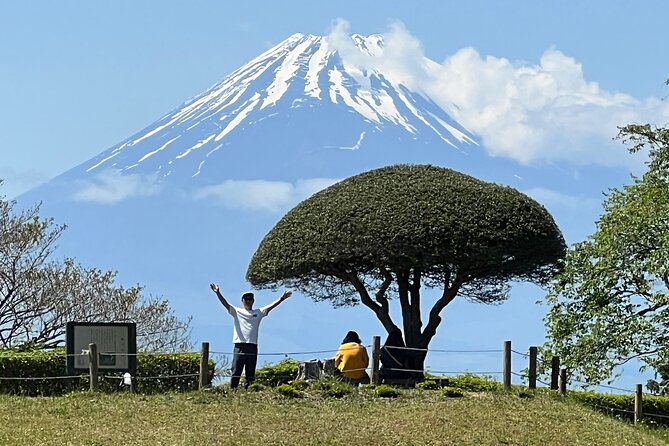
- Lake Ashi + Heiwa no Torii is the visual payoff, with Mt Fuji as a bonus when conditions allow
- Hakone Checkpoint and cedar avenues give you story and structure, not just sightseeing stops
- End in Mishima with Mishima Taisha and Genba River, so your day has a clear finish line
Hakone Hachiri: walking the Old Tokaido slope for real
Hakone Hachiri is part of the Old Tokaido Highway, the big road system that connected major cities in Japan. This specific stretch mattered because crossing Hakone meant dealing with steep slopes, changing elevations, and the practical reality of travel: fatigue, weather, stops for food, and checkpoints along the way.
On this hike, you don’t just jump from photo spot to photo spot. You move through the heritage path style of travel, with stretches on foot and short local rides between key points. That blend is a big deal for value. You get that “I’m walking where people used to walk” feeling without needing to be an all-day endurance hiker.
The total walking distance is about 8km, and the day runs roughly 7 hours. That’s long enough to feel like you did something, but not so long that you’re completely cooked by the time you reach Lake Ashi and the later ruins.
You can also read our reviews of more tours and experiences in Hakone.
Meet at Hakone-Yumoto: small group pace, real transport, clear end point
You start at Hakone-Yumoto Station at 9:00am. The tour caps at 6 travelers, which matters more than it sounds. In this area, roads and trail access can be a little fussy, and a small group makes it easier to keep moving at a human pace.
Transportation is a mix: you’ll walk between sites and also use local buses (and at least one shared taxi ride early on). The tour ends at Mishima Station, and from there you can continue by Shinkansen to Odawara (about 15 minutes, around ¥2,500) or onward to Tokyo (about 45 minutes, around ¥4,400). This matters because you’re not stuck at the end of a trail with only one option.
One note that helps planning: the tour says you should have moderate physical fitness. That’s not “athlete only,” but it does mean you’ll want decent walking shoes and a calm attitude toward hills and uneven ground.
Hakone Amazake Tea House and the craft village start
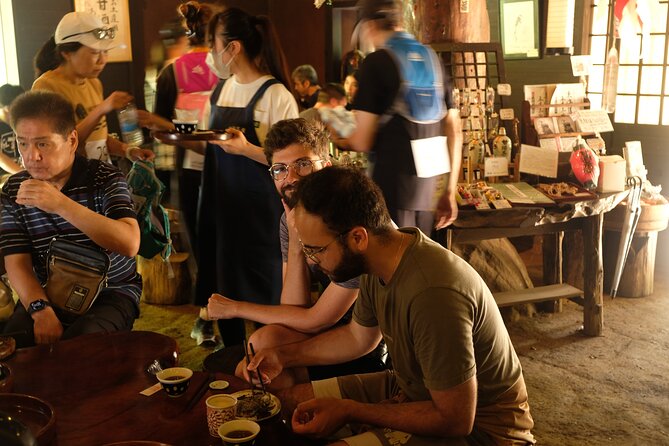
The day begins with a shared taxi to the trailhead, then you start hiking. After about an hour, you reach the Hakone Amazake Tea House area and a wood crafting village, where artisans’ work is part of what you see.
This is a good early stop because it resets the trip from transit mode to “okay, I’m on the old route now.” You get a sense of how local communities supported travelers, not just how tourists view a scenic lake later in the day. The tour also includes time at the tea house area (admission is listed as free).
You’ll also want to watch your timing here. If you’re aiming to catch Mt Fuji later, you don’t want to burn all your energy in the first hour. I like that this start is structured, not random.
Lake Ashi and the Heiwa no Torii photo moment
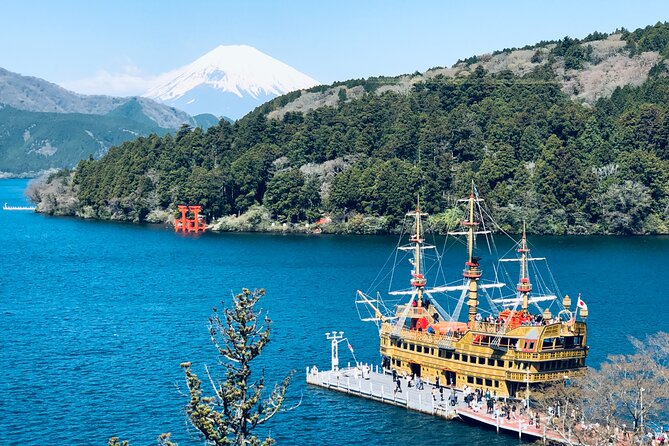
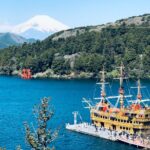
Once you’re in the Lake Ashi area, you connect with one of the best-known visuals in Hakone: the Heiwa no Torii. The route includes the Motohakone-Ko Pier sightseeing cruise stop and then walking along the shoreline.
When visibility is good, you get Mt Fuji in the background. Weather permitting is the key phrase here. In the wrong conditions, Mt Fuji can vanish, but Lake Ashi still gives you that big, open-water feeling that makes the Hakone mountains feel even more dramatic.
Then there’s the cedar avenue stretch on the Old Hakone Road. It’s the kind of section that makes the route feel intentional. You’re not just walking from one landmark to another; you’re moving through a corridor that gives the day texture.
The cruise and shoreline time are listed as free for admission, which helps keep the overall cost reasonable.
Cedar trees to the Hakone Checkpoint: where travel got controlled
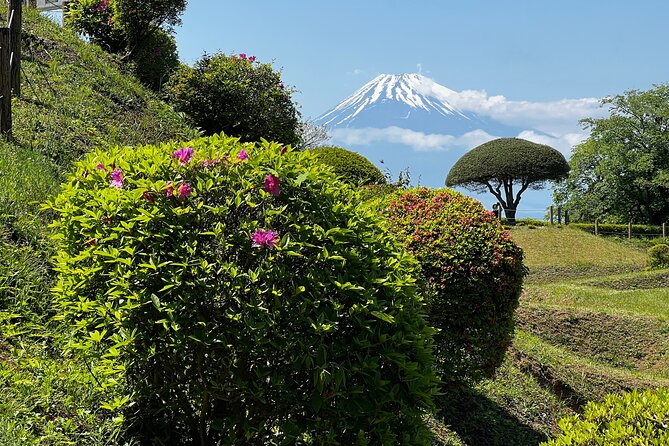
One of the most interesting parts of this tour is the Hakone Checkpoint, where you’ll stop after the cedar avenue.
Checkpoints weren’t just annoying barriers. They were part of how travel was managed and documented. Your guide explains the significance of this checkpoint in ways that make it easier to picture Edo-period movement—who traveled, why routes mattered, and how places like this fit into the larger system.
This stop is only about 30 minutes, but it’s one of those short segments that can make the whole hike click. You go from seeing a road and thinking scenery, to seeing a road and thinking movement, rules, and daily reality.
Lunch near Hakone-machi and the bus skip to keep the route intact
After the checkpoint area, you have lunch near Hakone-machi at a local Japanese restaurant. Lunch isn’t included; you’re looking at around ¥2,000 for your group meal.
This is also where the route becomes practical. You take a bus to skip a temporarily closed section, then resume the walking portion on the Shizuoka side toward the next heritage segments.
I like this approach because it keeps the day from turning into a scavenger hunt. In Hakone, closures happen, and instead of forcing you to deal with detours, the tour uses local transport to protect your time and keep the experience coherent.
Yamanaka Castle Ruins: smaller ruins, big viewpoint potential
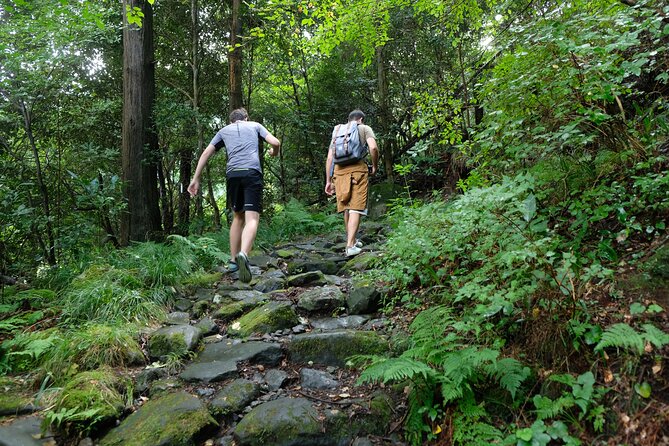
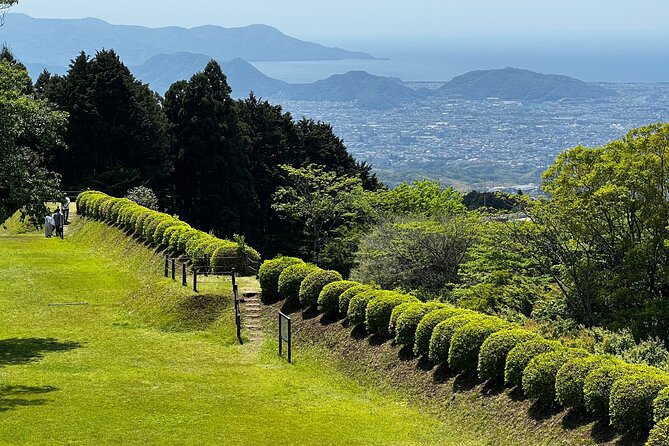
Next up are Yamanaka Castle Ruins, reached along the heritage path. This stop is about an hour, and it’s another place where Mt Fuji may appear if weather permits.
Even if Fuji doesn’t show, ruins work well on this kind of tour. They give scale. You can start imagining why people chose these spots for defense, travel oversight, or long-distance routes.
This segment also helps break up the day between the earlier Lake Ashi focus and the later Mishima finish. If you’re the type who likes both nature and “why this mattered,” this stop gives you a satisfying middle chapter.
Mishima Taisha and Genba River: a strong finish at day’s end
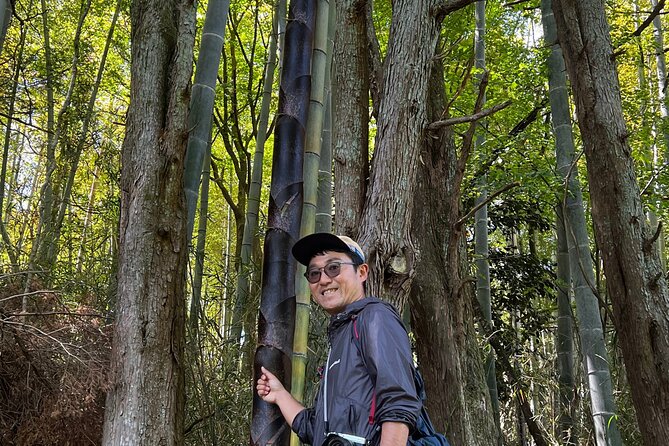
The tour ends in Mishima, where you visit Mishima Taisha and the Genba River. The final sightseeing block is about an hour before you’re released at Mishima Station.
This ending matters because it turns the hike into a journey with a destination, not just a loop that dumps you back at the start. Mishima Taisha is listed as part of the experience, and Genba River rounds out the day with a more relaxed outdoor feel before you catch trains.
The guide makes the difference: certified pro + Edo storytelling
This tour is led by a National Certified Pro Guide with a wilderness first aid certificate. That combination matters in Hakone. You’re moving between trails, buses, and changing terrain, so good guidance is more than just talking.
In the reviews, the guides are praised for being calm, kind, and very strong on history and local context. Names like Aki and Akihiro show up in the feedback, and the consistent theme is that the guide helps you connect what you’re seeing to how Edo-period travelers would have experienced the route.
You’ll also find that having a guide who understands timing helps with photography and spacing. In a place where the best views depend on clouds and wind, planning your moments is half the battle.
Price and value: what $158.52 really gets you
The tour price is listed at $158.52 per person. At that cost, you’re paying mainly for:
- the certified guide and day leadership
- the structured route that mixes hiking with local transport
- the heritage-focused stops (many are listed with free admission)
What’s not included is also clearly defined:
- Lunch (around ¥2,000)
- Transport fees to the trailhead and between sites (around ¥2,000 by shared taxi or buses)
- Shinkansen after the tour (Mishima to Odawara about ¥2,500, or to Tokyo about ¥4,400)
- Amasake and snacks along the way
When I look at value, I think about what’s hardest to buy on your own: reliable local navigation and interpretation. You can technically do parts of the route by yourself, but matching the heritage logic, managing closures, and timing Lake Ashi for potential views is where guided structure saves real time.
Also, with a max group size of 6, you’re not getting a huge crowd experience. For Hakone—where it’s easy to feel squeezed—smaller groups can genuinely improve the day.
Weather, Mt Fuji odds, and smart packing for 7 hours
This experience requires good weather. If it’s canceled due to poor weather, you’ll be offered a different date or a full refund. That’s the formal policy. Practically, it means you should treat Mt Fuji as a bonus, not a guarantee.
Even with rain or clouds, you’ll still be hiking and moving through forest and trail sections. So pack like you’re going to hike in variable conditions: layers, a rain layer, and footwear that can handle uneven ground. You’ll also want some way to stay comfortable during bus transfers and at longer stops.
The tour lists that service animals are allowed and that you’ll be near public transportation at the start and end, but the core experience is still a trail walk. Plan for walking more than you’d do on a typical city day.
Who should book this Hakone Hachiri hike?
You’ll like this tour if you:
- want an Edo-period travel route experience, not just a quick Hakone sightseeing checklist
- enjoy a mix of history stops and scenic nature time
- prefer a small group and a guide who organizes transport between trail segments
- can handle moderate hiking for about 8km and a full 7-hour day
You might think twice if you:
- hate being weather-dependent, especially if Mt Fuji is your top priority
- want an entirely easy walk with no hills or trail unevenness
Should you book Hakone Hachiri with a certified mountain guide?
If you’re trying to get more than standard Hakone photos, this is a strong choice. The best part isn’t only Lake Ashi; it’s how the day stitches together the old Tokaido route, the Hakone Checkpoint, cedar-lined road sections, and then lands you in Mishima for a cultural finish.
For most people, the certified guide and small group size are worth the price premium versus piecing it together solo, especially with the route skipping a temporarily closed segment. If you’re flexible on dates and ready for changing conditions, booking this hike is a very practical way to experience Hakone like a traveler, not a spectator.
FAQ
How long is the Hakone Hachiri hike with a certified mountain guide?
The tour is listed at about 7 hours and includes approximately 8km of walking, with some transport between sections by foot and local bus (and a shared taxi to the trailhead early on).
Where does the tour start and what time does it begin?
The start point is Hakone-Yumoto Station, and the start time is 9:00am.
What is the group size limit?
The tour has a maximum of 6 travelers.
What do I need to pay for myself?
Lunch is not included (around ¥2,000). Transportation fees to the trailhead and between sites are also not included (around ¥2,000 by shared taxi or buses). Shinkansen from Mishima to Odawara (around ¥2,500) is not included, and amasake/snacks are not included.
Is Mt Fuji guaranteed on this tour?
Mt Fuji viewing is described as weather permitting. The route includes multiple spots where you might see it, but it is not guaranteed.
What happens if the weather is poor?
The tour requires good weather. If it’s canceled due to poor weather, you’ll be offered a different date or a full refund.