REVIEW · LOME
Historical Tour to Togoville
Book on Viator →Operated by Mowoki Tours · Bookable on Viator
A canoe ride makes Togoville’s past feel real. This guided Togoville Historical and Cultural Tour from Lomé packs the big moments into one smooth day, with a canoe crossing on Lake Togo and visits like the German cathedral. You skip the awkward planning and get a guide to connect sites into a story.
I like two things most. First, I like the practical flow: you’re transported from Lomé to Agbodrafo, cross the lake by canoe, then move through the sights without wasting time figuring out logistics. Second, I like the guiding focus on meaning, including cultural context around voodoo traditions and historical stops. When the guide is local—like Essodong—your walk feels less like sightseeing and more like understanding what you’re looking at.
One consideration: the day includes canoe time and walking/hiking, so you’ll want moderate physical fitness and good weather for the best experience.
In This Review
- Key highlights at a glance
- Lomé to Togoville: why this works as a time-smart day
- Getting there: private transport to Agbodrafo
- Lake Togo by canoe: what to expect and how to prepare
- The German cathedral stop: where architecture meets local story
- Walking the voodoo town and the clues in the trees
- The market and traditional village moments
- The clandestine slave house stop: handling sensitive history with a guide
- Price and logistics: does $173.17 feel fair?
- Managing expectations: fees on the beach and weather realities
- Who should book this Togoville tour
- Should you book this Togoville Historical and Cultural Tour?
- FAQ
- How long does the Historical Tour to Togoville from Lome take?
- Where does the tour start and end?
- Is transportation included?
- What’s included in the price?
- Is soda or pop included?
- Does the tour operate in poor weather?
- Is this a private tour?
Key highlights at a glance
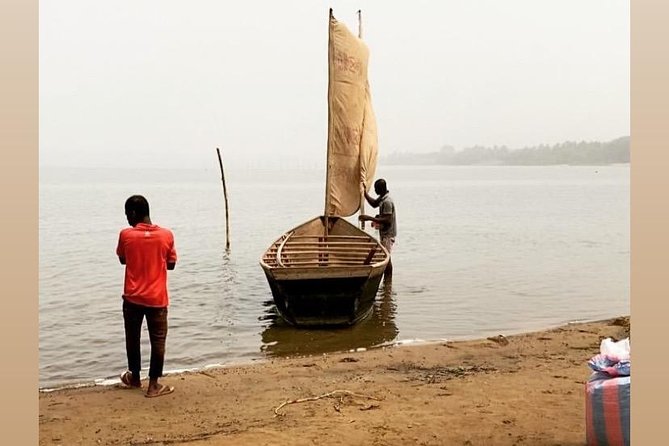
- Canoe crossing on Lake Togo: you get to reach Togoville by water, not just by vehicle.
- Historical and cultural stops in one outing: German cathedral, local market, and more—without cobbling together separate tours.
- A guide who explains as you go: you’re not left with only photo ops.
- Voodoo town walking + hiking: outdoors time with cultural interpretation.
- Private transportation included: you travel together and return to the meeting point.
- Built for a half-day schedule: about 4 to 5 hours total, easy to fit into a busy trip.
Lomé to Togoville: why this works as a time-smart day
Togoville is one of those places where you really want context. Without guidance, it’s easy to treat everything like a set of interesting sights. With a guide, you start noticing how the landscape, buildings, and traditions connect to the larger story of the area.
This tour is designed for people who are short on time but still want more than a quick stop. From Lomé, you’re not left to guess routes, hire drivers, or bargain for separate legs of the day. The timing also helps: at roughly 4 to 5 hours, it’s long enough to see key sites, but short enough that you’re not burning your whole day.
For value, the best part is that the tour handles the most complex piece: getting you to and from Togoville. Everything else is structured around that journey, so you can focus on the experience instead of coordination.
Getting there: private transport to Agbodrafo
The day starts with transport out of Lomé. You’ll drive to Agbodrafo, which sets up the next stage of the experience: the canoe crossing on Lake Togo.
Why I think this matters for you: the travel itself can be the hardest part to organize. A private, provided transfer means you’re not stuck searching for connections while the light is fading or the route turns into a headache. It also makes the day feel cohesive, like one continuous outing instead of five separate errands.
The tour is also set up as private, meaning it’s just your group. That tends to make it easier for the guide to keep your pace and answer questions as you go.
Lake Togo by canoe: what to expect and how to prepare
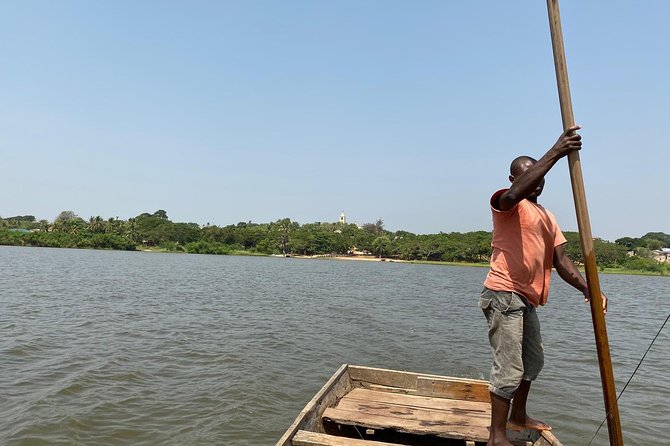
Then comes the star move: you take a canoe to cross Lake Togo.
If you like outdoor travel, this is where the day clicks. The lake crossing gives you a slower, more physical connection to the area than a road-only trip. It also helps explain why Togoville’s culture and history are tied so closely to the waterways.
What to think about before you go:
- Bring water and plan for sun or mist. The tour requires good weather, and you’ll be outside.
- Moderate fitness is real. Even if you’re not doing strenuous hiking, the day still includes walking/hiking time around the sites.
- Comfort beats style. You’ll likely want footwear that can handle uneven ground once you’re off the canoe.
You’ll also appreciate that the experience is planned end-to-end. Once the lake crossing is handled, the rest of the tour becomes the fun part: walking, listening, and looking closely.
The German cathedral stop: where architecture meets local story
One of the clear highlights is visiting the German cathedral. It’s the kind of landmark that can feel like just another building if you don’t get the background. With a guide, you start understanding how foreign influence, local life, and religious practice intersected in the region.
This stop is valuable because it shifts you from the outdoor scenes (lake and walking areas) into a more readable piece of history. It also gives you a reference point for how the area changed over time.
If you’re the type who likes details, pay attention to what the guide points out—how the site fits into the broader timeline, not just the day’s route.
Walking the voodoo town and the clues in the trees
A big part of the experience is the walking tour of the voodoo town and the surrounding areas, including time around the trees connected to cultural practice.
This is one of those stops where your attitude matters. The guide’s job is to help you see what you’re looking at with respect, not just curiosity. When the tour is done well, it turns unfamiliar terms into something understandable, like a set of traditions expressed through places, objects, and rituals.
I also like that this segment is active. You’re outside, moving at walking pace, and not trapped in a vehicle for the whole day. It’s a chance to notice the setting instead of just passing it.
Practical tip: wear gear you can walk in comfortably. Even a short hike on uneven ground can feel longer in heat, and this tour clearly expects some walking and hiking.
The market and traditional village moments
Along the way, you’ll also visit the local market and traditional areas connected to Togoville’s everyday life.
A market stop can go two ways on tours: it can feel rushed, or it can feel like a real glimpse into how people live. In this case, the tour’s structure is built around cultural explanation, so the market isn’t only for shopping. It’s for context—what people sell, how the market works, and how community life connects to the wider history you’re learning.
If you enjoy talking respectfully with locals, bring patience. Markets are active. You’ll get the most out of it when you slow down, ask simple questions through the guide, and don’t treat it like a quick photo checkpoint.
The clandestine slave house stop: handling sensitive history with a guide
One of the history-focused stops includes the clandestine slave house. This is not the kind of attraction you want to treat casually. It’s also not the kind of place where guessing the meaning on your own leads you anywhere useful.
What makes this stop valuable is the guided framing. A good guide helps you understand why the site exists, what makes it historically important, and how it connects to the larger story of the region.
If you’re sensitive to heavy topics, plan for that. Bring a calm mindset, and let the guide set the tone. You’ll likely feel it more when the interpretation is clear instead of fragmented.
Price and logistics: does $173.17 feel fair?
At $173.17 per person, this tour isn’t the cheapest option. But it’s not just a ticket to a site—you’re paying for the full structure: transport from Lomé, a canoe crossing, and guided time that combines multiple stops into one outing.
Included in the price:
- Private transportation
- GST
- Entry fees
Not included:
- Soda/pop
So what does that mean for value? You’re buying convenience and cohesion. A lot of “cheap” tours in the region can start cheap and then turn into add-ons the moment you’re on the ground. Here, the core logistics are already bundled, and that’s exactly what you want when time is limited.
Also, the tour is designed for about 4 to 5 hours, which is a sweet spot for many travelers. It helps you avoid the temptation to tack on extra half-tours that multiply costs and make the day exhausting.
Managing expectations: fees on the beach and weather realities
A realistic heads-up: right after the canoe ride, some people may approach visitors on the beach and request payment for a fee. In one case described, it was 10,000 F per person. If you’re doing an organized tour that already includes the needed access, you should not need to pay twice—but it’s smart to stay alert.
What I recommend for you:
- Keep your tour details accessible.
- If anyone asks for money for a tour element you believe is included, pause and confirm with your guide or the person organizing your trip before handing over cash.
- If someone pressures you, don’t argue—just follow your tour’s plan.
Weather is another practical reality. The experience requires good weather. If conditions are poor, you should expect a change of date or a refund option instead of forcing the outing.
Who should book this Togoville tour
This is a strong fit if:
- You want history and culture explained by a guide, not just observed from a distance.
- You like outdoor travel and want the water element of Lake Togo by canoe.
- You’re visiting from Lomé and want the day handled end-to-end.
- You prefer a private experience where your group stays together.
It’s also a good option if you only have one free day. The structure makes it feel like you’re seeing the main threads of Togoville without turning the trip into a full-day ordeal.
If you hate walking or you struggle with uneven ground, you might find the canoe + walking/hiking portion challenging. In that case, consider whether a lighter plan fits better.
Should you book this Togoville Historical and Cultural Tour?
Yes, if you want a guided day trip that’s built around the essentials: the canoe crossing on Lake Togo, the key historical and cultural stops, and transport that removes the planning burden. At about 4 to 5 hours, it’s also a smart fit for short visits.
Book it with extra confidence if you care about context—especially around sensitive history like the clandestine slave house and cultural interpretation in the voodoo town area. The guide-led approach is what turns locations into understanding.
Skip it or think twice if you’re worried about walking/hiking time or if you’re traveling during a period when weather can be unreliable. This tour depends on conditions, and the lake crossing is central.
FAQ
How long does the Historical Tour to Togoville from Lome take?
It runs about 4 to 5 hours.
Where does the tour start and end?
It starts in Lomé, Togo, and ends back at the meeting point.
Is transportation included?
Yes. Private transportation is included, covering the trip from Lomé to Togoville and back.
What’s included in the price?
The price includes private transportation, GST, and entry fees.
Is soda or pop included?
No. Soda/pop is not included.
Does the tour operate in poor weather?
The experience requires good weather. If it’s canceled due to poor weather, you’ll be offered a different date or a full refund.
Is this a private tour?
Yes. Only your group participates.