History here feels personal and heavy. This Seoul tour connects Korea’s colonial resistance to the later push for democracy, with two flexible routes and an English-speaking guide to keep the story clear and human.
I especially like the way the itinerary blends major sites with the smaller, meaningful stops: Seodaemun Prison, Tapgol Park, Tongin Market, and the Namsan KCIA area. I also like the value of the package—admission fees and public transportation are included in the $57.14 price, so you are not constantly doing math mid-day.
The main drawback is energy. Expect a longer day, roughly 4 to 7 hours, and the topics are intense, so build in extra patience (and a quick rest after).
In This Review
- Key things to know before you go
- Two eras, one message: what this tour really covers
- Price and value: what you get for about $57
- Package 1: Then Fight for Independence, stop by stop
- Seodaemun Prison History Hall: the emotional center
- Dongnimmun Gate: a symbol of sovereignty—and loss
- Dilkusha (Albert W. Taylor House): a Western link in a harsh story
- Tapgol Park: March 1st Movement, in real space
- Package 2: Now Road to Democracy, stop by stop
- National Museum of Korean Contemporary History: the turning points
- Tongin Traditional Market: lunch in the real world
- Namsan: KCIA headquarters and the cost of dissent
- Korea Democracy Foundation: where memory turns into action
- How the guide shapes the experience (Joseph and Jonathan)
- Timing, pacing, and how long it really feels
- Practical logistics that actually matter in Seoul
- Who this tour fits best (and who should reconsider)
- Should you book Blood & Tears: Korea Independence & Resistance Dark History Tour?
- FAQ
- What is included in the tour price?
- Are meals included during the Tongin Market stop?
- Can I choose only one package instead of both?
- How long does the tour take?
- Do I need to remove my shoes at Dilkusha?
- How many people are in the group?
Key things to know before you go
- Two package choices let you focus on independence first, or democracy later, or do both.
- English guidance keeps the facts straight and helps you make sense of what you’re seeing.
- Important stops with included entry (Seodaemun and the contemporary history museum) reduce planning friction.
- Small group size (max 10) means you can ask questions and actually hear answers.
- Dilkusha has shoe rules: you may need to remove shoes; slippers are provided on-site.
- Schedule can shift a bit with traffic or weather, and the Korea Democracy Foundation stop may adjust on-site.
Two eras, one message: what this tour really covers
This isn’t a generic “Korea history overview.” Blood & Tears is built around cause-and-effect: how a country fights for freedom under occupation, then later fights again when power turns dark at home. You can take one route or combine both for a fuller arc from colonial rule to dictatorship-era repression.
Package 1, called Then: Fight for Independence, leans into the Japanese colonial period and the early independence movement. It starts at Seodaemun Prison History Hall, then moves through symbolic sites like Dongnimmun Gate and the March 1st Movement birthplace at Tapgol Park. The story is framed as sacrifice plus organization—people risking everything to keep sovereignty alive.
Package 2, called Now: Road to Democracy, focuses on what came after liberation: postwar struggle, political pressure, surveillance, and the long road to democracy. It includes the National Museum of Korean Contemporary History, then heads into daily life at Tongin Traditional Market before shifting to Namsan KCIA headquarters and the Korea Democracy Foundation.
If you care about understanding how today’s Korea was made—by street-level organizing, political courage, and uncomfortable truths—this tour is aimed right at that.
You can also read our reviews of more tours and experiences in Seoul.
Price and value: what you get for about $57
At $57.14 per person, the price looks low for a half-to-full day with multiple major sites. The key is what’s included: public transportation fees, an English-speaking guide, and admission fees. That combo matters in Seoul, where transit costs add up fast and entrance tickets can be a “surprise invoice” on tours.
Meals are not included, so plan to handle lunch (or snacks) yourself. If you do the Tongin Market stop, treat it as a place to buy food, not a catered meal.
Also, admission fees being included changes how you plan your day. You do not have to decide on the fly what to pay for. The route is already assembled so the main sites that require entry are covered.
One more value point: the group is capped at 10 people. Smaller groups tend to mean less waiting, fewer missed details, and a guide who can keep the momentum.
Package 1: Then Fight for Independence, stop by stop
This route is for you if you want Korea’s independence story with names, places, and the physical reality of imprisonment and protest.
Seodaemun Prison History Hall: the emotional center
Seodaemun Prison History Hall is where you start—after about 1 hour 35 minutes of time on-site. This former prison held, tortured, and executed countless freedom fighters under Japanese rule. Even without special effects, the place does a powerful job: it turns history from dates into lived fear.
Practical tip: wear shoes you can stand in comfortably. The tour time suggests you’ll be moving through multiple areas with a steady pace.
Dongnimmun Gate: a symbol of sovereignty—and loss
Next comes Dongnimmun Arch/Gate, a short stop at about 10 minutes. This is the kind of place where you can miss the point if you just rush through. The guide’s job here is to connect it to the theme: it was built to celebrate independence, then later became a witness to colonization.
Even though it’s quick, it’s useful. It reminds you that power isn’t only laws and prisons—it’s also how a nation marks itself in stone and public space.
Dilkusha (Albert W. Taylor House): a Western link in a harsh story
Dilkusha is about 30 minutes, and admission is free. It’s also practical-you may need to remove your shoes to help preserve the historic residence, and slippers are provided on-site. That small rule is a clue that the visit is meant to be careful and respectful.
Why it matters: Dilkusha is tied to an American journalist who helped expose Japan’s atrocities to the world. If you’re trying to understand how international attention shapes outcomes, this stop gives you a specific example rather than vague statements.
Tapgol Park: March 1st Movement, in real space
Tapgol Park caps the route at about 30 minutes. This is described as the birthplace of the March 1st Movement. The idea is simple but important: the first cries for independence in 1919 sparked a nationwide revolution.
If you only do one package, this ending point is a strong reason to choose Package 1. It leaves you with a sense of momentum, not just suffering. The story ends with people acting, not only enduring.
Package 2: Now Road to Democracy, stop by stop
Package 2 is for you if your curiosity goes beyond independence into the hard work of building and defending democracy.
National Museum of Korean Contemporary History: the turning points
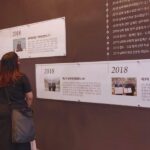
You spend about 1 hour at the National Museum of Korean Contemporary History, and admission is free. This museum is positioned to explain Korea’s transformation from colonization to democracy, including postwar recovery and rapid industrial growth.
The helpful part of a museum start is context. When you later visit sites connected to surveillance and political oppression, you’ll have a framework for what those systems were trying to control.
Tongin Traditional Market: lunch in the real world
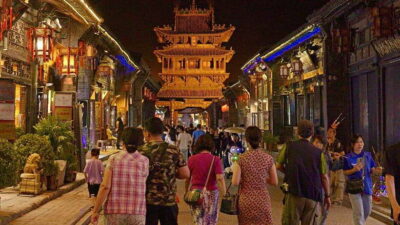
Tongin Traditional Market is about 1 hour, and it’s a welcome break between heavy sites. The tour frames it as a place where everyday people gathered in extraordinary times.
Meals are not included, but you’ll have a chance to grab a traditional lunch while you’re there. I like this stop because it keeps the story from becoming only prisons and government buildings. Democracy isn’t only speeches; it’s also how people live, shop, and keep going.
Namsan: KCIA headquarters and the cost of dissent
Namsan takes about 1 hour. This is where the tour gets darker again: the area hides a hard past connected to the KCIA, where dissidents were interrogated and tortured during military rule.
Even if you’ve read about this before, the value here is spatial. You see how geography and authority can overlap. A hill or a campus-like area can look calm today, while you’re being asked to picture what happened there when power felt untouchable.
Korea Democracy Foundation: where memory turns into action
The final stop is the Korea Democracy Foundation (about 40 minutes). It’s housed in a former police building, and the exhibits focus on protests, uprisings, and reform—shining a light on citizens who fought for freedom.
One detail to plan around: the stop may be adjusted depending on on-site conditions. That means the guide might rework timing or access if needed, so don’t assume you’ll get every minute exactly as scheduled.
How the guide shapes the experience (Joseph and Jonathan)
The strongest feedback from the experience is the quality of the guiding. Names that come up include Joseph and Jonathan, both described as friendly, prepared, and able to explain the painful parts of history clearly.
That matters because this kind of tour has two risks:
1) You walk through sites but don’t connect the dots.
2) You hear facts but feel emotionally flooded.
A good guide helps you avoid both. They can translate what you’re looking at—prison layouts, symbolic gates, museum themes, and political buildings—into a story you can actually hold in your head.
If you’re the type who likes to ask questions, smaller group size (up to 10 people) increases your odds of getting real answers rather than rushed summaries.
Timing, pacing, and how long it really feels
The tour is listed as 4 to 7 hours, but real days often land toward the longer end when the group stays on schedule and you spend meaningful time at key stops.
One guide-led day ran roughly from late morning into the afternoon, ending closer to 3 PM. The takeaway for you: treat this like a full history block, not a quick sightseeing detour. Expect to feel tired afterward, mostly because the subject matter is heavy and you’re concentrating the whole time.
Traffic and weather can shift things. You’ll be better off if you don’t schedule another “must-do” experience right after. Plan a low-key evening: dinner near your hotel, a short walk, and some time to process what you learned.
Practical logistics that actually matter in Seoul
This tour runs from a base in central Seoul and is built around public transportation. Transportation fees are included, and you get a mobile ticket, which is handy if you like light planning on your phone.
Two practical notes to keep you comfortable:
- Wear shoes that handle standing and walking without drama.
- If you choose Package 1 and Dilkusha is on your route, be ready for shoe removal and slippers.
Also remember: admission fees and guide time are packaged into the experience. So if you’re the kind of traveler who hates last-minute ticket lines and payment steps, this setup is a relief.
Who this tour fits best (and who should reconsider)
This tour is a strong match if you want:
- a structured way to understand Korea’s independence and later democracy struggle
- visits to specific, high-impact sites rather than vague history talk
- guidance in English that keeps the story connected
It can be less ideal if you prefer lighter, purely cultural stops or if dark political history makes you shut down. The material is designed to be moving and sometimes unsettling. If that’s not your thing, you might want to pick only one package so the emotional load is smaller.
If you want maximum value, do both packages. You’ll see how resistance evolves—from fighting for sovereignty to fighting for political rights and accountability.
Should you book Blood & Tears: Korea Independence & Resistance Dark History Tour?
I’d book it if you’re in Seoul for a short time and you want your sightseeing to mean something. The pricing is reasonable for a multi-site, guide-led day where transportation and admissions are already handled. And the two-package format lets you tailor the emotional and intellectual focus.
I’d think twice if you hate heavy themes or you’re planning back-to-back activities the same day. This tour needs space afterward. Give it room, and you’ll come away with a clearer sense of how Korea’s freedom story was fought in stages, by ordinary people willing to risk everything.
FAQ
What is included in the tour price?
The tour price includes public transportation fees during the tour, an English speaking guide, and admission fees.
Are meals included during the Tongin Market stop?
Meals are not included. The Tongin Traditional Market stop is where you can enjoy a traditional lunch, but you’ll need to pay for your food.
Can I choose only one package instead of both?
Yes. You can choose Package 1 for Fight for Independence, Package 2 for Road to Democracy, or do both for a fuller understanding.
How long does the tour take?
The duration is listed as about 4 to 7 hours.
Do I need to remove my shoes at Dilkusha?
For Package 1, you may need to remove your shoes when visiting Dilkusha to help preserve the historic residence. Slippers are provided on-site.
How many people are in the group?
The tour has a maximum of 10 travelers.