REVIEW · CHIANG MAI
Lanna Heritage Walking Tour: A Journey Through History
Book on GetYourGuide →Operated by Chiang Mai Private Guided Tour by Richard · Bookable on GetYourGuide
Lanna history walks up close in 4 hours. What makes the Lanna Heritage Walking Tour fun is how your guide turns place names into real stories as you move from gate to temple to market. I especially like the way the route links the Lanna Kingdom timeline to what you’re seeing, and I also like the practical, hands-on temple focus at sites like Wat Chiang Man.
One watch-out: it’s still a walking tour, and you’ll need sports shoes plus respectful temple clothes. The pace runs for much of the afternoon, so if you have mobility issues or you’re traveling with young kids, it may not be the best fit.
In This Review
- Key highlights you can plan around
- Tha Pae Gate and the Lanna Kingdom, explained as you walk
- Wat Chiang Man: oldest-temple energy and carvings you can study
- The moat walk and Sompet Local Market: where history meets taste
- Three Kings Monument and the 1900 school: linking rulers to daily life
- The old royal palace turned museum, and the renovation site you’ll notice
- Wat Phra Singh and the temple rhythm that keeps it enjoyable
- Coffee break in an authentic café
- Wat Pan Tao: Lanna architecture you can spot with fresh eyes
- Wat Chedi Luang: the ending stop with city-scale significance
- What I’d call the real value of $45 for 4 hours
- Who this walking tour fits best (and who should skip it)
- Practical planning tips before you go
- Should you book the Lanna Heritage Walking Tour?
- FAQ
- Where does the Lanna Heritage Walking Tour start?
- How long is the tour?
- Is the tour led in English?
- Is this tour private?
- What’s included in the price?
- Are meals included?
- What should I wear or bring?
- Is it suitable for children or older adults?
- Are there any restrictions on alcohol or drugs?
- How does cancellation work?
Key highlights you can plan around
- Richard’s storytelling: clear answers and room for your questions in English
- Wat Chiang Man stone carvings: early Lanna details you can actually look at
- Sompet Local Market time: fruit tasting and a look at everyday Chiang Mai
- Moat + monument context: why these landmarks matter, not just where they are
- Renovation site with palace evidence: a modern clue to a much older royal space
- Wat Pan Tao to Wat Chedi Luang: classic Lanna architecture ending at the temple anchor
Tha Pae Gate and the Lanna Kingdom, explained as you walk
You’ll start in Chiang Mai with either hotel pickup or a meet-up at Tha Pae Gate. Right away, you’re set up with the big picture: how the Lanna Kingdom formed, enjoyed a strong period of prosperity, and then faced decline under Burmese control. Your guide also brings in the difficult middle years—when the city was abandoned for around 20 years, the long push for independence, and the revival roughly 250 years ago.
This opening matters because it changes how you see everything that follows. Instead of temples feeling like isolated photo stops, they become chapter headings. You start to notice patterns in materials, layouts, and placement of landmarks around the old city.
You’ll also get context on Lanna’s relationship with Siam—how Lanna became part of Siam and why, in this region’s story, both sides managed to avoid being swallowed by major powers. It’s the kind of framing that helps the rest of the tour click into place, including the teak industry boom and Chiang Mai’s role during World War II, followed by the city’s modern rhythm today.
You can also read our reviews of more tours and experiences in Chiang Mai.
Wat Chiang Man: oldest-temple energy and carvings you can study
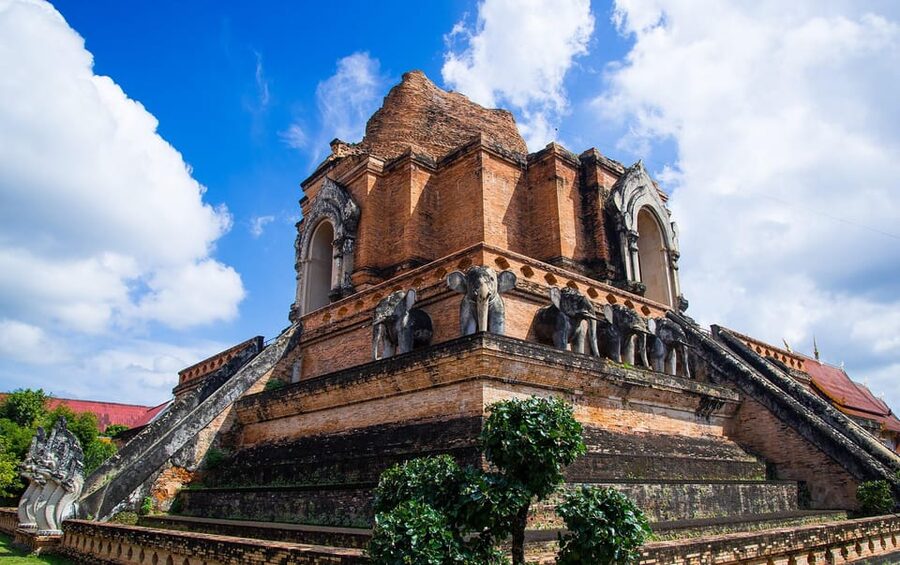
Next up is Wat Chiang Man, known as Chiang Mai’s oldest temple. The main reason to care here isn’t just age—it’s the stone carvings that depict early days of the Lanna Kingdom. Your guide points these out in a way that makes the carvings feel less like decoration and more like historical storytelling.
You’ll spend around 20 minutes here, with time for street food and guided explanations as you go. This is a good stop if you want both: you get religious heritage plus the chance to snack like a local. If you’re the kind of person who hates being rushed through temples, this pace helps.
Practical note: temple etiquette matters. Even if you’ve visited temples before, keep your shoulders and legs covered enough for Thai expectations. You’re walking in and out of sacred spaces.
The moat walk and Sompet Local Market: where history meets taste
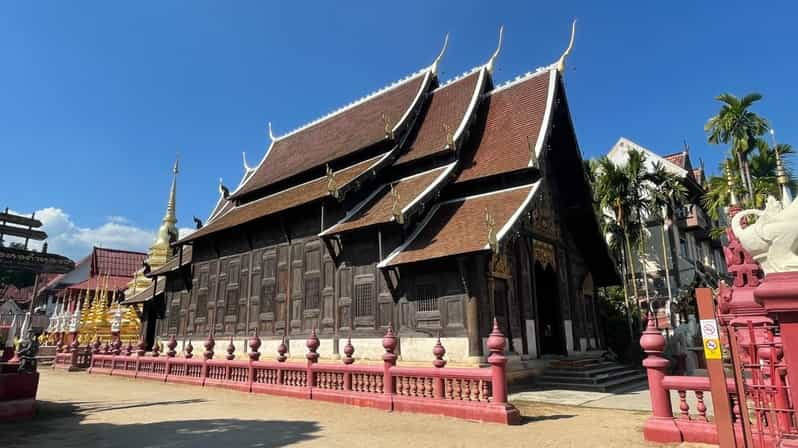
After Wat Chiang Man, you’ll continue along the historic city moat. Your guide explains how it was constructed and why it mattered. A moat can sound like a defensive detail, but here it’s tied to how people lived and organized the city. As you walk, you start seeing the old city’s logic in the surrounding layout.
Then you shift gears to Sompet Local Market for a sensory break. This is where the tour becomes more than temples and monuments. You can sample fresh fruit and get a feel for everyday local life—colors, smells, and the casual energy of people doing normal shopping.
This market stop is also one of the smartest “value” parts of the experience. You’re getting both cultural context and real-world food moments. And since the tour includes local snacks (and you’ll have water in hand), you can keep moving without constantly hunting for supplies.
Three Kings Monument and the 1900 school: linking rulers to daily life
A key mid-tour stop is the Three Kings Monument, which honors Chiang Mai’s revered monarchs. The guided component is important because monuments can look straightforward until you learn what they’re referencing. Here, you get the connection between rulers, identity, and the story of how the region organized itself.
From there, you’ll also visit Chiang Mai’s first government school, established in 1900 during the reign of King Rama VI. That detail is easy to skip on your own, but on this route it gives you an education lens on the city’s past. It’s a reminder that history isn’t only temples and battles; it’s also schooling, administration, and the shaping of modern civic life.
The old royal palace turned museum, and the renovation site you’ll notice
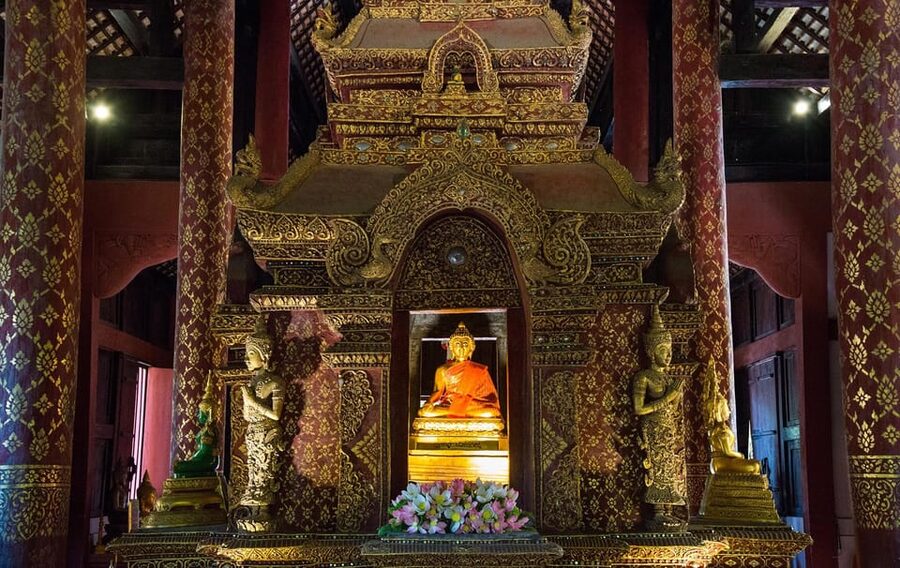
Your walk includes a pass by a museum that was once a royal palace and later an administrative center. That single stop changes how you interpret the rest of the route. You start realizing you’re passing layers of power—spaces that shifted roles as the city evolved.
Right after that, the tour focuses on ongoing renovations at a site that used to be a women’s prison. What makes this especially interesting is what the team has found: evidence of an early Lanna royal palace. The plan is to develop it into a historical park. Even if you’re not a construction-nerd, this is the kind of stop that makes you think about how history isn’t frozen. It’s still being uncovered.
Wat Phra Singh and the temple rhythm that keeps it enjoyable
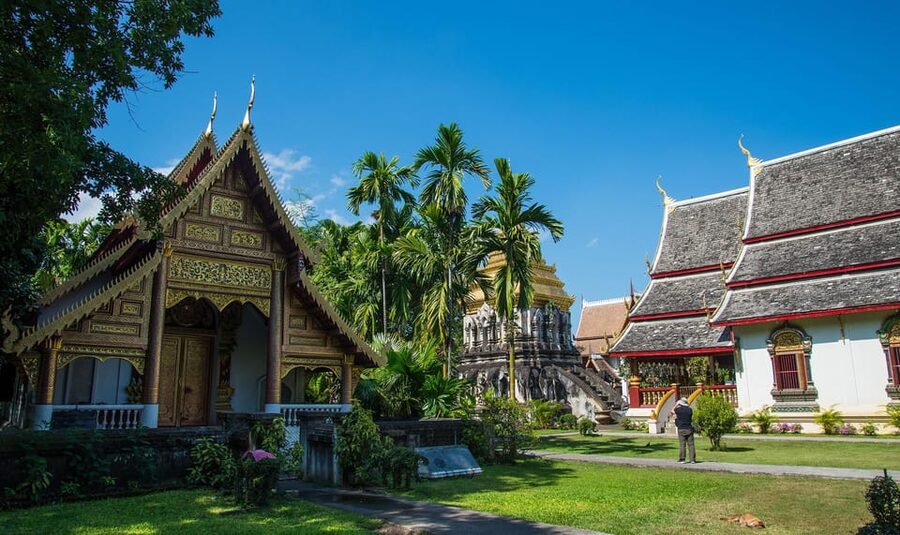
Wat Phra Singh is another major temple stop, and you’ll have about 30 minutes there. Your guide shares its historical importance across different periods. This is the kind of explanation that helps you understand why certain temples keep showing up in Chiang Mai’s identity story.
After walking from earlier sites, the timing works well: you’re not stuck in one place too long, but you’re also not sprinting. The tour feels like a steady rhythm—story, look closely, move on, repeat.
Coffee break in an authentic café
You’ll take a break at a local café. The tour includes a complimentary coffee or other drink, and it’s a real chance to sit down after temple time. You can use this moment to ask follow-up questions while things are calm.
This is also where I think the tour does something practical: it gives you a planned pause. Without it, walking tours in hot weather can turn into “just keep going” fatigue. Here, the schedule builds in a mental reset.
Wat Pan Tao: Lanna architecture you can spot with fresh eyes
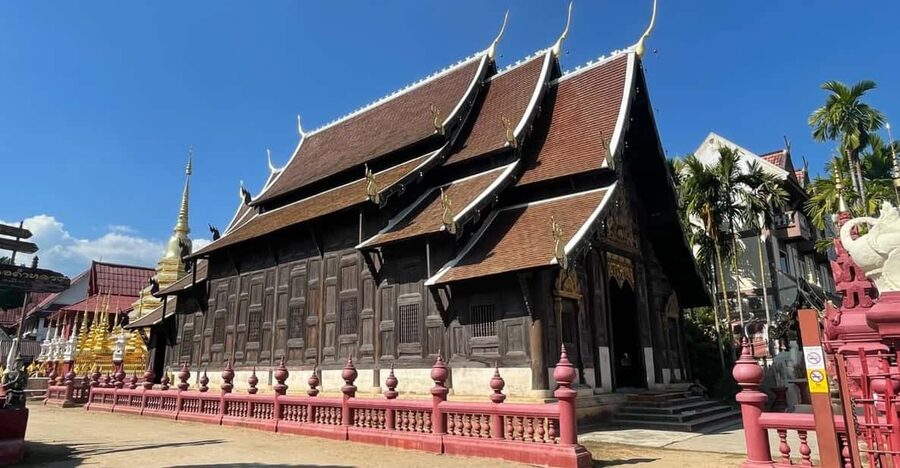
Wat Pan Tao is a strong close to the temple sequence. It’s a prime example of traditional Lanna architecture, and it originally formed part of the old royal palace. Because you’ve already learned the big story of Lanna’s rise and shifts in power, the architectural cues start making more sense.
You’ll have about 15 minutes here with guided visit time and walking between stops. The benefit of timing is that you don’t end up exhausted before the final anchor temple.
Wat Chedi Luang: the ending stop with city-scale significance
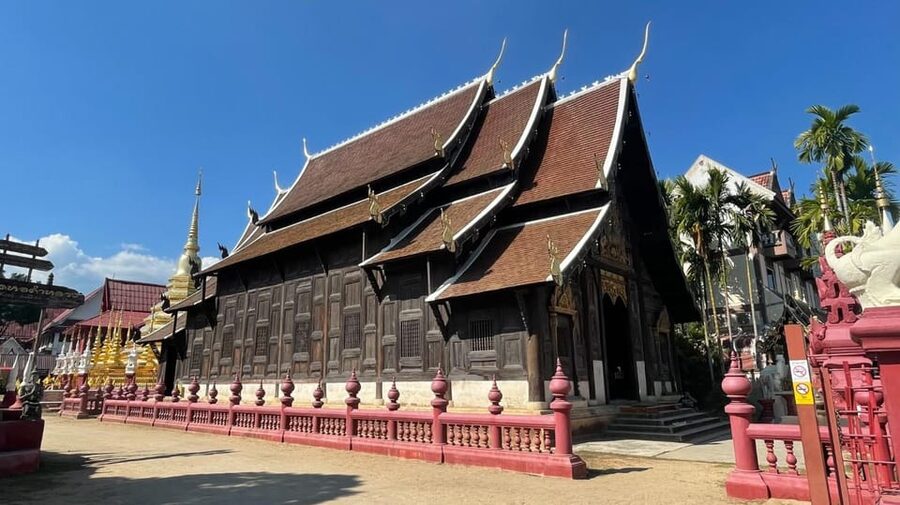
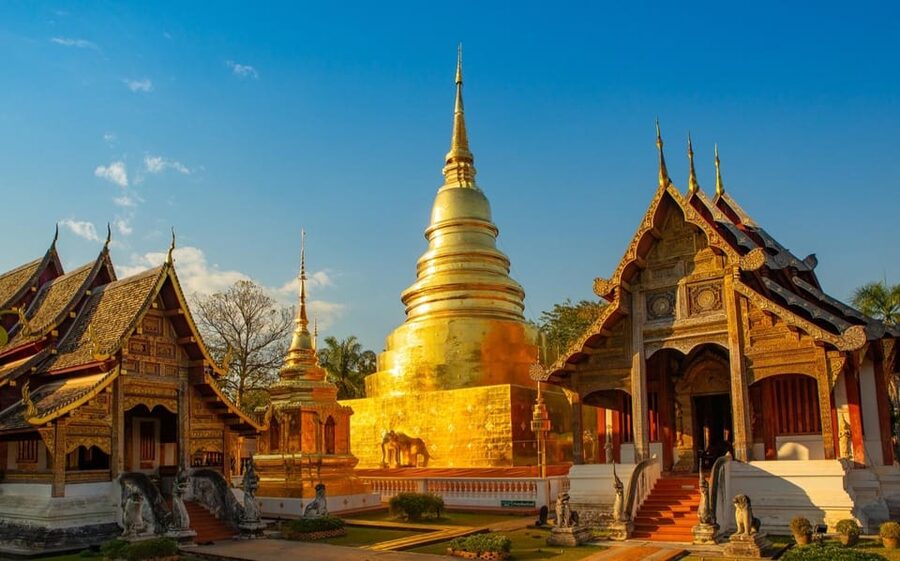
The tour concludes at Wat Chedi Luang, often described as a symbol of Chiang Mai’s enduring heritage. You’ll spend about 30 minutes, with guided explanation of its historical events and what it means for the city.
This is a smart way to end. Early in the tour you learn the kingdom’s formation, prosperity, and decline. Later you get palace layers, monuments, and architectural examples. By the time you reach Wat Chedi Luang, you’re prepared to understand it as part of the city’s long storyline—not just a tall structure you happen to see.
What I’d call the real value of $45 for 4 hours
At $45 per person, this tour feels like good value if you want guided context and you don’t want to piece everything together yourself. You’re paying for more than a walk between temples.
Here’s what’s included that makes the price feel reasonable:
- Entry fees to the visited historical and cultural sites
- Hotel transfer round-trip (two-way transport)
- A local expert guide in English who can answer questions as you go
- Bottled drinking water
- A complimentary beverage at a café
- Local snacks during the route
Meals aren’t included, so you’ll still want to eat after the tour. But within those 4 hours, the essentials are covered: transport, entrances, and small food moments. That lets you spend your energy on learning and looking rather than logistics.
For comparison, self-guided temple hopping usually means extra time figuring out entry costs, routes, and where to stop for snacks. This tour removes that friction and keeps the story line intact.
Who this walking tour fits best (and who should skip it)
This is a good fit if you:
- Want history told through places, not just facts dumped at a desk
- Enjoy temples and want to understand what you’re seeing
- Like markets and everyday local life, not only monuments
- Appreciate a private-group pace with time for questions in English
It’s less ideal if you:
- Need a low-walking pace
- Travel with kids under 8 (not suitable)
- Are over 80 (not suitable)
- Don’t want to follow temple dress rules
You’ll also be happier if you bring the right footwear. The tour asks for sports shoes, and you’ll feel it if you try to do this in sandals.
Practical planning tips before you go
A few things to get right and you’ll enjoy the tour much more:
- Wear temple-respectful clothing. Avoid short skirts, and dress in a way that feels appropriate for Buddhist sites.
- Bring sports shoes for the walking portions.
- Expect an English live guide and a private group format, which usually means a calmer pace and more interaction.
- Don’t plan on alcohol or drugs during the tour; they’re not allowed.
Also, because it’s private, the tour format can feel flexible with your timing and questions—just keep in mind the route still has a set flow and a 4-hour window.
Should you book the Lanna Heritage Walking Tour?
Book it if you want a guided, story-driven walk that mixes major temple stops with market time and city planning details like the moat and monuments. The strongest reason to choose it is the guide experience: Richard is set up to explain what you see and handle questions in a friendly, natural way, and that turns the sites from sightseeing into understanding.
Skip it if your priority is purely relaxation, if you can’t manage steady walking, or if temple attire rules feel like too much hassle. Otherwise, at $45 for 4 hours with transport, entries, water, snacks, and a café drink, it’s a smart way to get more meaning out of Chiang Mai than you’d get from a simple checklist day.
FAQ
Where does the Lanna Heritage Walking Tour start?
You can be picked up from your hotel, or you can meet at Tha Pae Gate.
How long is the tour?
The tour lasts 4 hours.
Is the tour led in English?
Yes, there is a live tour guide who speaks English.
Is this tour private?
Yes, it’s a private group tour.
What’s included in the price?
Included are the guided tour, entry fees for the sites visited, a bottle of drinking water, a complimentary beverage at a selected café, local snacks, and two-way hotel transfer.
Are meals included?
No. Lunch and other meals are not included, and you’ll be encouraged to find food on your own.
What should I wear or bring?
Bring sports shoes. Dress appropriately to show respect for Buddhist temples, and avoid short skirts.
Is it suitable for children or older adults?
It’s not suitable for children under 8 and not suitable for people over 80.
Are there any restrictions on alcohol or drugs?
Yes. Alcohol and drugs are not allowed.
How does cancellation work?
You can cancel up to 24 hours in advance for a full refund.