REVIEW · INCHEON
Incheon Port History Tour by 19th Century Electric Car, KTourTOP10
Book on Viator →Operated by 조은투어 · Bookable on Viator
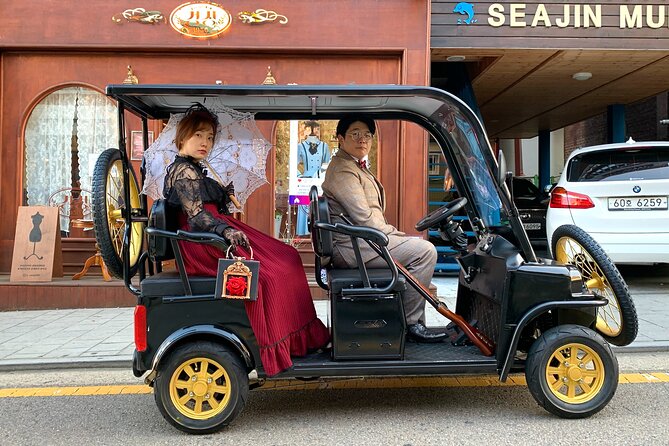
A vintage electric car makes Incheon’s port story click. I like the 19th-century electric vehicle approach because it keeps the hour moving fast, while still layering in context at the stops. I also like the small-group setup, which gives you a better chance to ask the guide something specific. One drawback to note up front: the storytelling can lean on pre-recorded commentary, and English may be limited at times.
You’ll spend the ride threading key areas around the Incheon waterfront—then hop out to look closely at places tied to foreign settlement, trade zones, and the city’s signature Chinese-influenced food culture. It’s a 50-minute format with a mobile ticket, so it works well when you want a hit of history without committing to a long day—or when you’re killing time between flights.
In This Review
- Key Points You’ll Care About
- Why Incheon’s Open Port Still Feels Like a Real Neighborhood
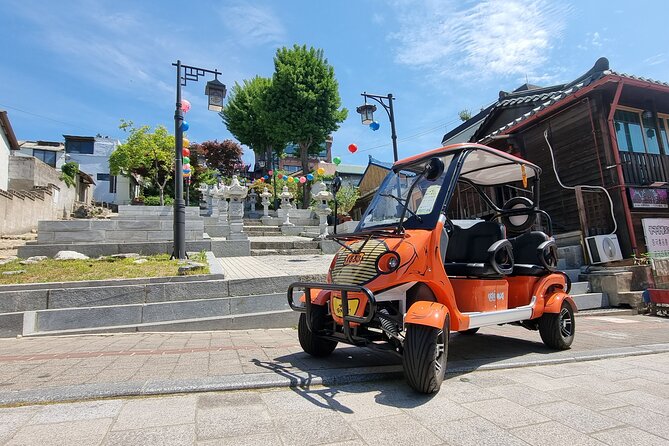
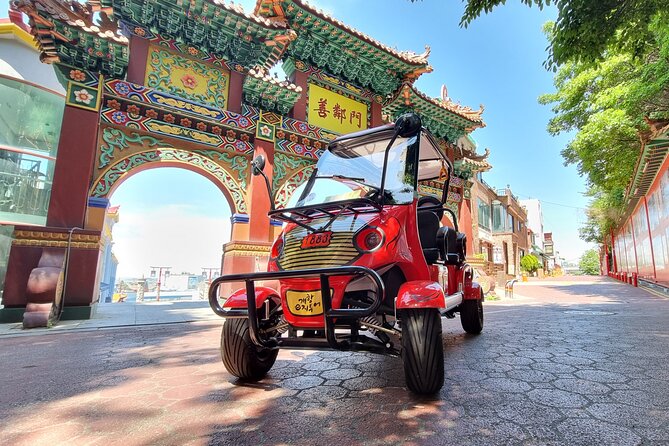
- The 19th-Century Electric Car Makes the Whole Thing Easier
- Timing and Meeting Point: How This 50-Minute Tour Fits Real Travel Days
- Stop-by-Stop: Incheon Art Platform and the Open Port Stairway Zone
- Haean Catholic Church: A Smaller Stop With Real Context
- Jjajangmyeon Museum: Food History That Actually Makes Sense
- Euiseon-dang in Chinatown: Immigration, Loneliness, and a Shrine Purpose
- Murals and Novel Stories: Chohanji and the Three Kingdoms Streets
- Songwol-dong to Donghwa Village Area: How Change Shrinks a Community
- Jemulpo Club: The Foreign-Resident Social Club Stop
- Price and Value: Why $45 Per Group Can Be a Bargain
- The Guide Factor: English Levels and a Name to Watch For
- Practical Tips So Your Hour Goes Smoothly
- Who Should Book This Tour (and Who Might Prefer Something Else)
- Should You Book the Incheon Port History Tour?
- FAQ
- How long is the Incheon Port History Tour?
- How much does the tour cost?
- Where do I meet for the tour?
- Is a meal included?
- Does the tour require good weather?
- What’s the maximum group size?
Key Points You’ll Care About
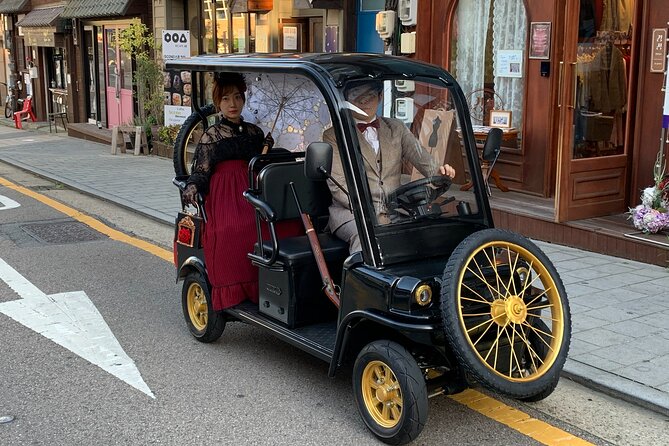
- 19th-century-style electric car pacing keeps the tour short and photo-friendly
- Small-group size (max 20) helps you feel more connected to what you’re seeing
- Port-city landmarks on foot and by car mean you cover ground without stress
- Jjajangmyeon Museum ties everyday food to the port’s early story
- Chinatown stops add immigrant-era atmosphere beyond the main streets
- Jemulpo Club stop is a standout if you like foreign-resident architecture and details
Why Incheon’s Open Port Still Feels Like a Real Neighborhood
Incheon didn’t just become a port city by accident. When the open port took off, it attracted foreigners, traders, and communities that shaped the street layout you can still walk and recognize today. This tour is designed around that “how the city formed” idea, not just a list of sightseeing dots.
What you’ll get is a clear sense of why areas clustered where they did—around stairways, foreign-resident zones, and communal buildings. If you’ve ever wondered why Incheon has this mix of Korean, Chinese, and Japanese-era influences in the same walking radius, this hour gives you a workable map in your head.
The 19th-Century Electric Car Makes the Whole Thing Easier
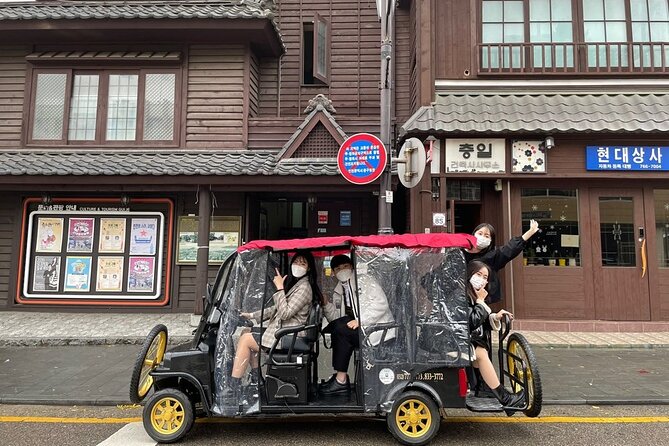
Here’s what the old-style electric car changes right away: it reduces walking fatigue while you cover multiple neighborhoods. That matters because you’re sampling several stops in one compact time window, including places that feel best when you can look around calmly.
The ride also sets the vibe. You’re not just getting driven past landmarks; you’re moving through streets that match the period theme. That theme matters because the tour leans into the “foreign settlement and trade zone” story, where street geography is part of the point.
Timing and Meeting Point: How This 50-Minute Tour Fits Real Travel Days
This tour is listed at about 50 minutes, starting and ending at the same spot: 266 Jemullyang-ro, Jung-gu, Incheon. You’ll want to arrive early enough to check in smoothly, especially if your travel day is tight.
The experience runs at multiple times, which is helpful if you’re juggling a layover, cruise schedule, or a day packed with other Incheon stops. Also, it’s capped at a maximum of 20 travelers, which helps with flow and attention even though it’s still a small-group format.
One practical note from the way this tour plays out: with only 50 minutes, you should expect quick, focused explanations at each stop. It’s not a slow museum-style pace, so bring a “scan and connect the dots” mindset.
Stop-by-Stop: Incheon Art Platform and the Open Port Stairway Zone

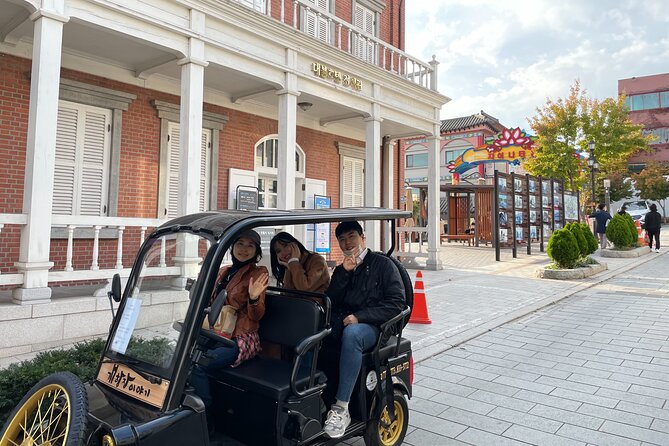
Your first look is at the Incheon Art Platform, housed in red brick. The idea here is simple: you’re stepping into a space built for exhibitions and performances while also being shown the context of the open port era. It’s a good warm-up stop because it frames what’s coming next—how the port changed the city’s identity.
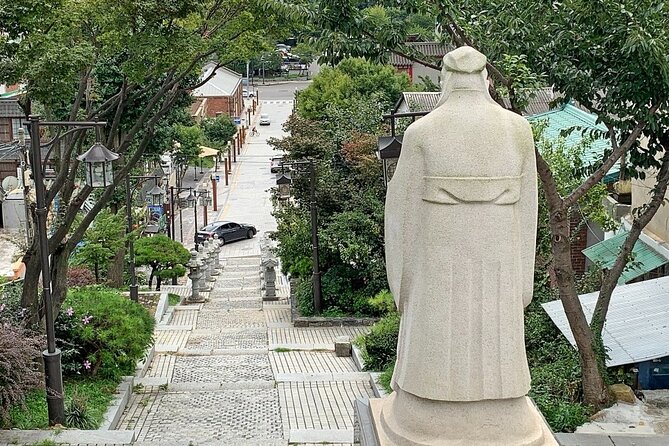
Next is the area around the stairs where you’ll see buildings associated with Chinese and Japanese sections. The term Jogye (조계) is the key concept here. It refers to a designated zone for foreign residents or trade, and the tour connects that idea to nearby points like Jayu Park and the sense of openness you get from looking out over the area.
If you like city planning clues, this is a solid moment. The stairway zone isn’t just scenic. It’s a physical reminder that Incheon’s open port days produced specific “zones” rather than a free-for-all mix.
Haean Catholic Church: A Smaller Stop With Real Context
Then you head to Haean Catholic Church, tied to the Catholic community serving overseas Chinese. The tour frames it as a church built for devoted Catholics among Chinese residents living abroad, created in the 1960s.
This stop works because it shifts the focus from trading and architecture to community life. You get a reminder that foreign settlement isn’t only business—it includes faith, family structures, and the institutions people needed to feel grounded.
Jjajangmyeon Museum: Food History That Actually Makes Sense
If you eat in Chinatown, you’ll probably order jjajangmyeon at some point. This tour adds a more grounded layer by taking you to the Jjajangmyeon Museum.
What makes it meaningful is the location story: it’s at the spot where the very first original jjajangmyeon restaurant, Gonghwachun, used to be. Inside, you’ll see relics and displays connected to jjajangmyeon and Gonghwachun, which helps you connect the dish to the port-era movement of people and tastes.
Even if you’re not a food historian, this stop is where the tour gets practical. You leave with a clearer reason why this noodle dish became part of the local cultural mix.
Euiseon-dang in Chinatown: Immigration, Loneliness, and a Shrine Purpose
Chinatown is often presented as streets and snacks, but the tour adds a specific cultural stop: Euiseon-dang, a Chinese-style shrine. The explanation centers on immigrant life—Chinese immigrants built it after leaving their homeland, seeking comfort during loneliness and hardship.
This is a powerful contrast to the “fun shopping” version of Chinatown. You’re not just moving through a themed area. You’re seeing how people tried to maintain community and hope when they were far from home.
Murals and Novel Stories: Chohanji and the Three Kingdoms Streets
After that, you’ll encounter Chohanji Mural Street and Three Kingdoms Mural Street. The tour links the murals to famous Chinese historical novels, including Chohanji, plus related stories from the Three Kingdoms tradition.
If you enjoy street-level art, this is where you can slow down and actually read visually. Murals are easy to treat like background, but on this route they also function as cultural markers—proof that storytelling traveled with the communities connected to the port.
Songwol-dong to Donghwa Village Area: How Change Shrinks a Community
Another moment that adds perspective is the explanation of what happened after the port opened in 1883. The tour describes how many foreigners lived in Songwol-dong to form rich villages, and how decades later, only seniors remained as younger people moved out.
Then the story shifts to rebirth, where the town was remade as the Donghwa Village area (you’ll catch the concept as part of the tour’s flow). It’s a reminder that “historical area” doesn’t mean frozen in time. Places evolve, and the people who sustain them change first.
Jemulpo Club: The Foreign-Resident Social Club Stop
One of the most distinctive stops is Jemulpo Club. The tour frames its early role as a social club for foreigners living in Incheon, operating in 1981.
Inside, you can look at spaces like a social room, billiard room, and reading room. Outside, there’s also a tennis court area. For you, that’s the hook: it makes the port-era foreign community feel human and daily, not just like it existed in old photos.
This stop is also listed with free admission, which makes it a nice value add. It’s short, but it leaves you with an image that doesn’t fade quickly.
Price and Value: Why $45 Per Group Can Be a Bargain
The price is $45.00 per group (up to 3) for about 50 minutes. If you travel as a duo or trio, that can be a very reasonable way to get guided context without paying per person like a typical city bus tour.
Where it becomes a better deal is if you’re the kind of traveler who wants structure. You’re not just wandering Chinatown and waterfront streets—you’re getting a driver-guide style narrative tied to the open port story.
Where it might feel less fair is the pacing and depth. With an hour, you’re always going to get an overview rather than a deep study. If you expect a full-length guided lecture with lots of interaction, you might find the stops feel more like highlights than chapters.
The Guide Factor: English Levels and a Name to Watch For
Here’s the reality to plan around: communication can vary. One recurring theme is that the driver may use pre-recorded commentary, and in some cases English Q&A isn’t easy.
That said, you can also run into genuinely strong guiding. A guide named Sooonie was specifically praised for being patient with historical explanations and flexible with timing when needed. So if you get that kind of guide, the tour can feel more like a conversation and less like a scripted ride.
My advice: come with 1 or 2 questions written down on your phone. With limited language, simple, pointed questions are more likely to land.
Practical Tips So Your Hour Goes Smoothly
First, confirm that your tour is actually running. There was at least one case where a group waited and no one showed up, so it’s smart to double-check before you commit your exact time window.
Second, protect your expectations on duration. Some people were surprised that the trip felt short for the price. Keep it clear in your mind: this is built as a quick, high-density introduction to key port-city corners.
Third, pack for the weather. The experience requires good weather, and if it’s canceled due to poor conditions, you’ll be offered another date or a full refund. If you’re visiting Incheon in a changeable season, bring a compact umbrella.
Who Should Book This Tour (and Who Might Prefer Something Else)
This tour is a great fit if you want a guided orientation to Incheon’s open port era in a single hour. It’s especially useful if you plan to spend time in Chinatown anyway and want the context behind the streets.
It’s also a good match for travelers who like photo stops with explanations—art platform buildings, stairway zones, shrine details, and the Jemulpo Club interior spaces.
If you’re the kind of traveler who wants lots of time inside museums or expects long, interactive answers in English, you may feel impatient. The format is built for movement and quick understanding, not slow immersion.
Should You Book the Incheon Port History Tour?
Book it if you’re curious about how Incheon’s port history shaped real neighborhoods—and you want that story without losing half your day. The electric-car format plus the stop selection (Art Platform, Jogye stairway zone, Chinatown shrine, jjajangmyeon roots, and Jemulpo Club) gives you a tidy way to connect the dots.
Skip it or pair it with extra independent time if you need deeper explanations, fluent English dialogue, or lots of museum browsing. For many travelers, the sweet spot is treating this as your orientation, then returning on your own for the places you want to linger.
If you decide to go, do two things: arrive at 266 Jemullyang-ro early enough to check in confidently, and confirm the tour will run. Your hour in Incheon should feel like a focused walk through the city’s port-era identity—not a waiting game.
FAQ
How long is the Incheon Port History Tour?
It runs for about 50 minutes.
How much does the tour cost?
It costs $45.00 per group, up to 3 people.
Where do I meet for the tour?
The meeting point is 266 Jemullyang-ro, Jung-gu, Incheon, South Korea.
Is a meal included?
No. Meal and snack are not included.
Does the tour require good weather?
Yes, the experience requires good weather. If it’s canceled due to poor weather, you’ll be offered a different date or a full refund.
What’s the maximum group size?
The tour has a maximum of 20 travelers.