REVIEW · MEDINA
Madinah Culture & History Tour – Led by Local Guide
Book on GetYourGuide →Operated by Medina tours with Locals · Bookable on GetYourGuide
A Medina story worth walking. This private tour ties together Quba Mosque, Uhud, and the city’s spiritually charged stops with a licensed local guide from Madinah. I like that you get a clear flow between major sites without feeling herded, plus the air-conditioned ride keeps the pace comfortable. One thing to consider: mosque etiquette matters here, including gender-separated visiting areas, so you’ll want to arrive dressed for it (hijab and an abaya are strongly advised).
You’re also not just ticking boxes. You’ll pass battle-related landmarks, blessed valleys, historic prayer-direction moments, and even a traditional farm stop where tea and local sweets slow things down. I really value the way the guide builds context while still giving you time to pray, look around, and take photos. The only drawback is that the itinerary packs multiple “stop-and-walk” moments into a short 4 hours, so it helps if you’re fine with some light walking up and around.
If you’re aiming for a first-visit orientation to Medina’s key spiritual and historical sites, this tour is built for exactly that kind of day.
In This Review
- Key points I’d bet on
- A smart way to see Medina in 4 hours
- Pickup, car comfort, and how the day stays relaxed
- Quba Mosque: first mosque built in Islam
- Masjid al-Dira’ (Shield Mosque) and the Battle of Uhud connection
- Uhud and Mount of Archers (Jabal al-Rumah): where the lesson becomes real
- Wadi al-‘Aqiq: the blessed valley break
- Masjid Al-Qiblatain: the prayer-direction turning point
- Back toward Quba: time to revisit and breathe
- Al-Mirbad / Al Marbad farm: tea, sweets, and local pace
- Gharas Well: a historic drinking point and a quiet ending
- Price and logistics: where the value comes from
- Who this tour suits best (and who should adjust expectations)
- What to wear and how to prepare (so the day stays smooth)
- Should you book this Medina Culture & History Tour?
- FAQ
- How long is the Madinah Culture & History Tour?
- Is hotel pickup and drop-off included?
- Is this a private tour or a shared group?
- What languages is the guide available in?
- What should I wear for the mosque visits?
- What’s included in the tour price?
- Are there any cancellation options?
Key points I’d bet on
- Licensed local guide from Madinah who explains what you’re seeing in practical, respectful terms
- Quba Mosque first stop with context on why prayer there is special
- Uhud + Mount of Archers (Jabal al-Rumah) for the strongest sense of place in this route
- Masjid al-Qiblatayn for the prayer-direction change story tied to congregational worship
- Walk through Wadi al-‘Aqiq so the tour includes quiet, spiritual scenery—not only buildings
- Farm visit with tea and local treats to balance the heavier religious stops
A smart way to see Medina in 4 hours
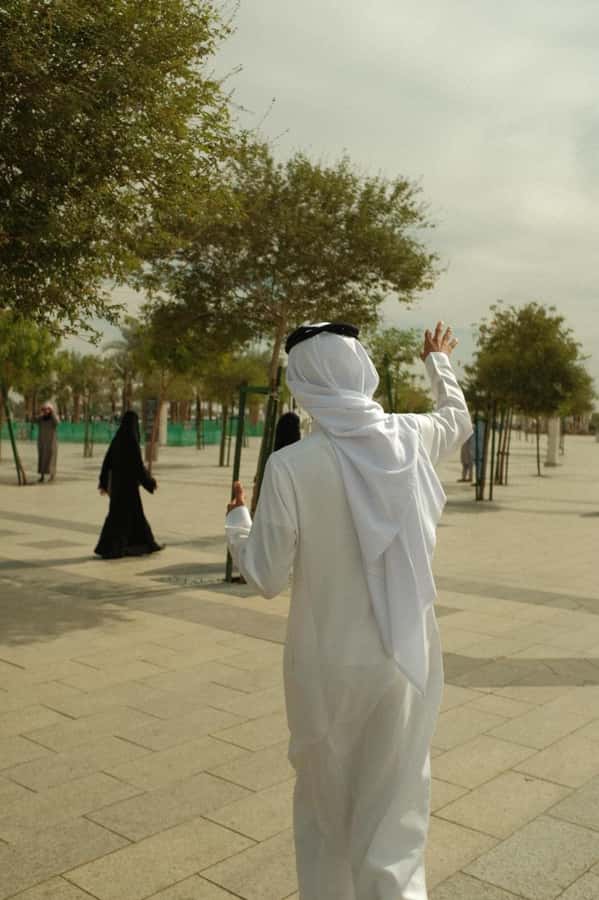
Medina can feel big in your head and small on your feet. This tour helps by organizing the day around the places that shaped early Islamic life, then pairing them with calm breaks so you don’t feel overloaded.
For you, the payoff is simple: you get a private setup, hotel pickup and return, and a route that connects major landmarks in a logical order. That matters because in Medina, the difference between a good visit and a great one is often timing, guidance, and knowing what to notice when you arrive.
The price is also easier to justify when you compare it to taxis plus a self-guided day. It’s $136 per group up to 3, so it works best when your party is small and you want real explanations rather than driving around and hoping you picked the right stop.
One more practical win: the ride is clean and air-conditioned. In the heat (or even just when you’re tired from walking), that comfort makes the whole day feel smoother.
Pickup, car comfort, and how the day stays relaxed
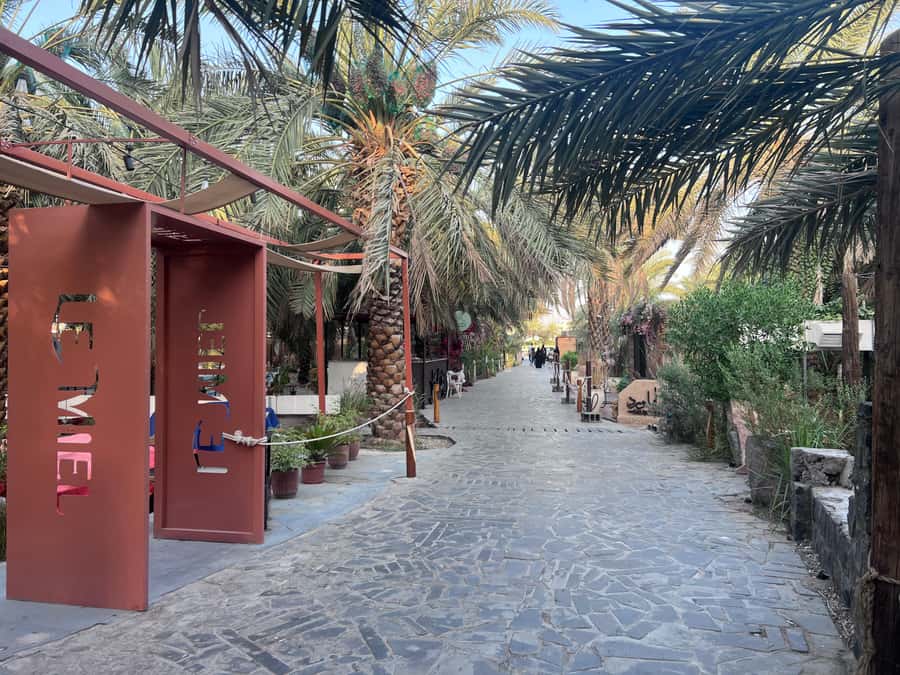
The tour is set up as a true private experience: you meet the guide at your accommodation, ride in, and come back to the same place afterward. That sounds basic, but in Medina it’s a big deal because you’re mixing mosques with outdoor areas, and logistics can steal your energy fast.
You also get the kind of basics that prevent crankiness on a busy day: bottled water and tasting local dates are part of the experience. Some groups also note extra drinks like juice, which fits the overall vibe—this tour doesn’t pretend you’ll do four hours on empty.
Then there’s the “how” of mosque visits. Multiple guests highlighted that the guide gives clear instructions about gender-separation rules before you enter the mosque areas. That’s important because it prevents the awkward pause that can happen when everyone realizes too late where they’re meant to go.
Quba Mosque: first mosque built in Islam
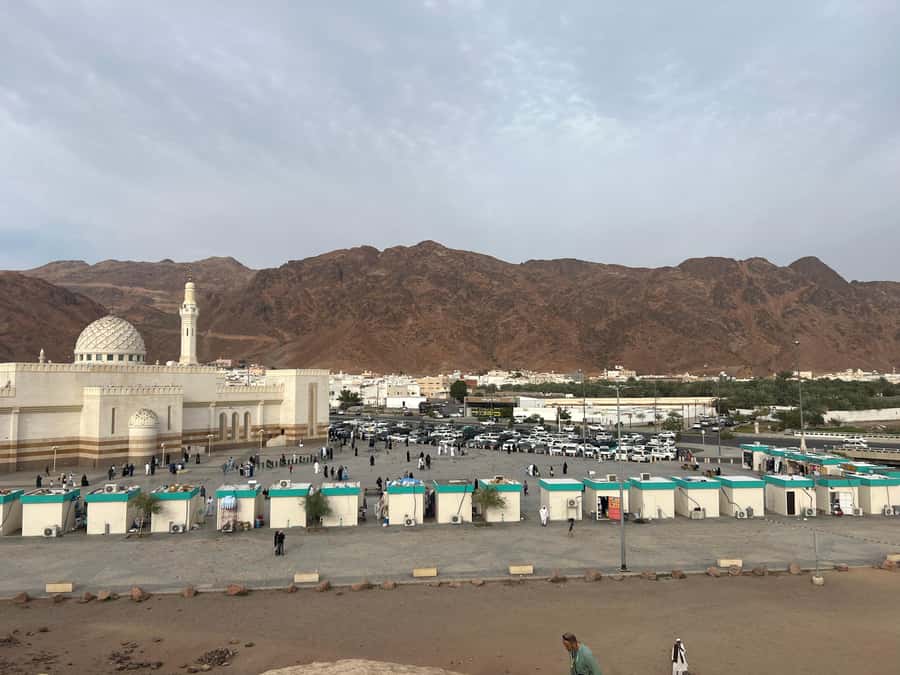
Quba Mosque is your opening spiritual anchor. It’s the first mosque built in Islam, and the guide’s explanations typically focus on why it matters, not only when it was built. You’ll likely hear about the reward tied to praying there, plus the tradition that the Prophet ﷺ visited and prayed in this blessed place.
What I think you’ll appreciate is the atmosphere management. Mosques can overwhelm your senses in the first few minutes—noise, signs, crowds, then you’re suddenly supposed to understand a story that’s centuries old. Starting at Quba gives you context early, before the emotional intensity builds later at Uhud.
Plan for quiet time too. Even when the tour includes guided walking, you still want a few calm moments to look around, pray if you wish, and absorb the peaceful feel of the location.
Tip: wear your abaya and hijab comfortably. You’ll be moving in and out of mosque spaces, and you don’t want fabric adjustments to eat into your focus.
Masjid al-Dira’ (Shield Mosque) and the Battle of Uhud connection
After Quba, the tour heads to Masjid al-Dira’, also known as the Shield Mosque. The key point here is the connection to the events of the Battle of Uhud, including the tradition that the Prophet ﷺ prayed there.
This stop works well for first-timers because it bridges what you learn later at Uhud. When you reach the battlefield area, you’ll already understand why these “smaller” historic mosques matter. They aren’t just pretty buildings. They’re reference points for a story.
In plain terms: this mosque helps you read Uhud with more meaning.
Uhud and Mount of Archers (Jabal al-Rumah): where the lesson becomes real
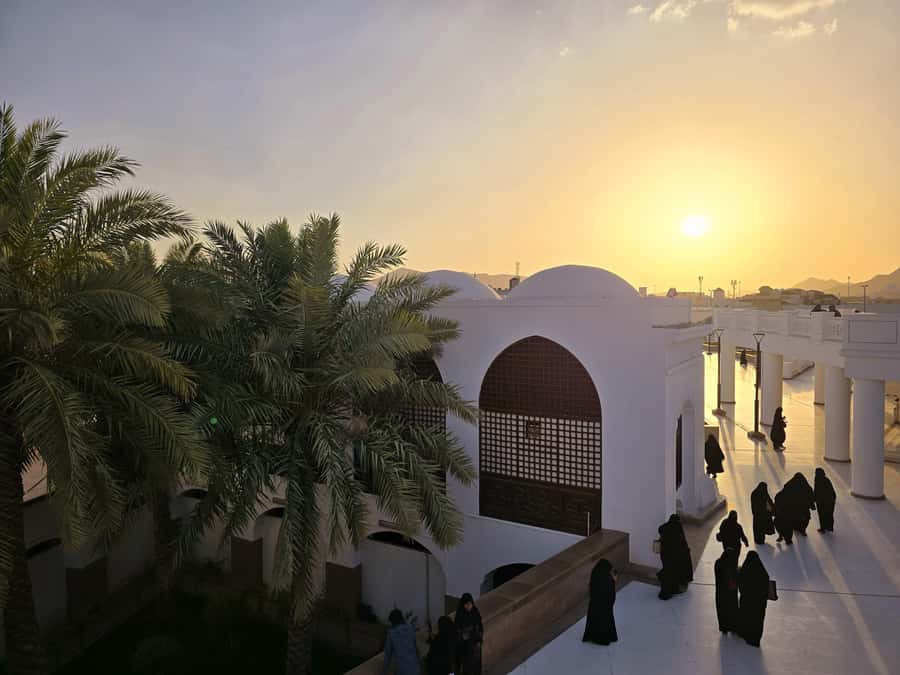
This is the emotional core of the itinerary. You’ll visit the Uhud Battle Site, one of the major early events in Islamic history, and then you’ll walk toward Mount of Archers (Jabal al-Rumah).
What makes this stop special is the physicality. When you climb even a bit of the route and see the area in person, the battle narrative stops being abstract. You’re not just hearing names and dates—you’re standing in a landscape tied to faith, discipline, and what happens when plans fall apart.
Expect some walking. The tour includes a walk component here, and that’s the one time you might feel your legs. Still, it’s the kind of effort that pays off fast because the viewpoints help you understand why people at that time positioned themselves where they did.
Consideration: if you’re traveling with mobility limits, ask ahead how much walking is needed for the Mount of Archers segment so you can plan realistically.
Wadi al-‘Aqiq: the blessed valley break
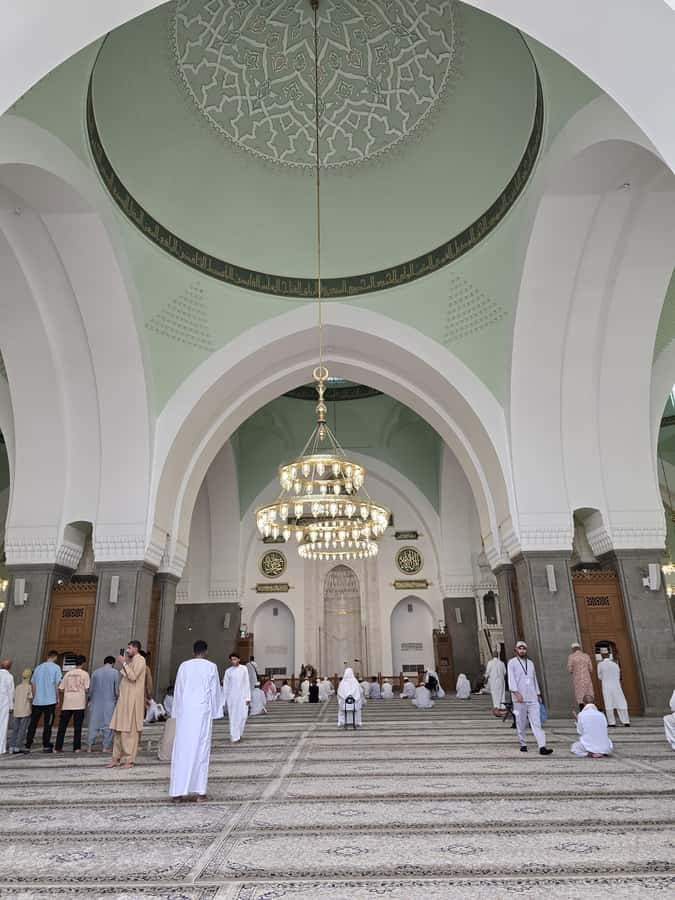
Not every stop in Medina needs to feel like a classroom or a battlefield. Wadi al-‘Aqiq is included specifically for that reason. The valley is described as a blessed place and is treated as sacred in tradition.
In the tour flow, this acts like a reset button. You’ll have time for photos and a short guided visit. Then you can step back and reflect. It’s a nice change after Uhud—one part history, one part calm scenery, one part spiritual breathing room.
If you’re the type who needs a few quiet minutes to take it all in, you’ll like this stop a lot.
Masjid Al-Qiblatain: the prayer-direction turning point
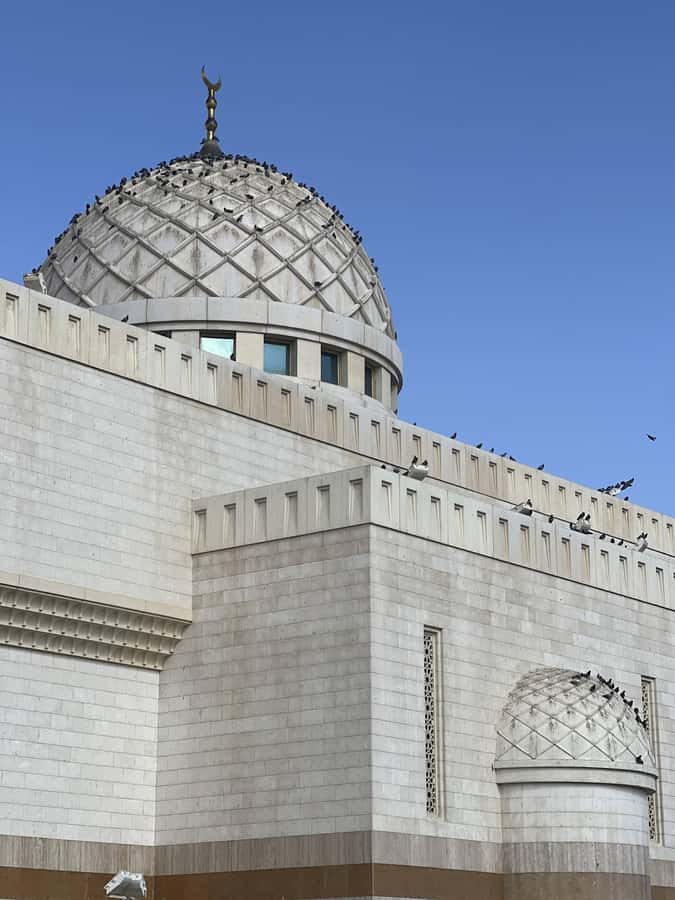
Next comes Masjid Al-Qiblatain—the Mosque of the Two Qiblas. This stop is tied to a major moment: the prayer direction shifted from Jerusalem to Mecca during congregational prayer.
The value here isn’t just knowing the fact. It’s understanding why direction mattered. In Islamic life, facing the qiblah isn’t a trivia question—it’s part of worship and community rhythm.
You’ll get guided time inside, plus time to walk around. For many visitors, this is one of those sites where the guide’s explanation makes the architecture and location feel more meaningful, not less.
Back toward Quba: time to revisit and breathe
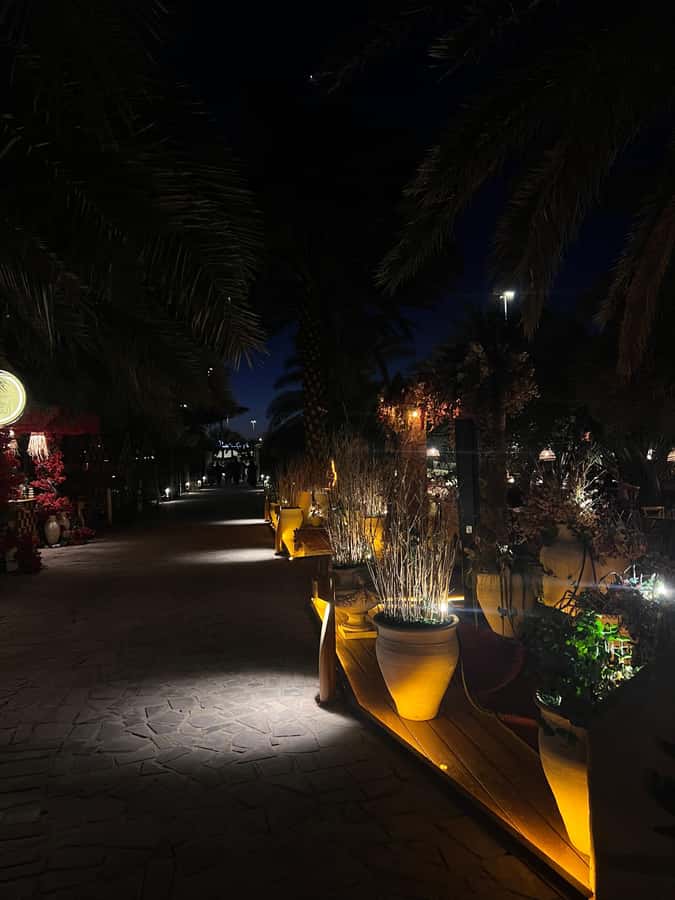
The schedule includes another Quba Mosque visit later in the tour flow. That gives you two benefits.
First, you can return with a better mental picture. When you started earlier, you were learning the basics of Quba’s significance. Later, you can slow down, pray, or simply enjoy the setting again with calmer attention.
Second, it helps you catch moments you missed the first time—whether that’s a longer prayer, a more relaxed look, or time for photos without rushing.
Al-Mirbad / Al Marbad farm: tea, sweets, and local pace
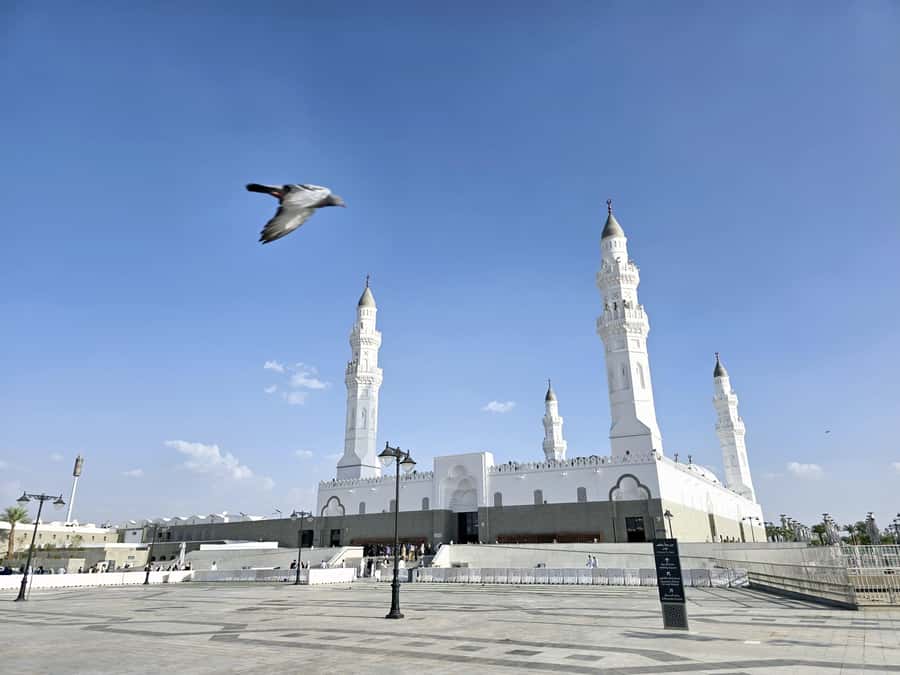
Then the day changes tone. You get a break at a traditional Madinan farm area—commonly described as a place for tea, local sweets, and snacks, with time for shopping and market browsing. Some schedules also include coffee tasting and a short walk through the farm setting.
This stop is more than a food break. It adds balance. After mosques and battle sites, it gives you a taste of daily life outside the main historic circuit.
If you like local hospitality, you’ll probably enjoy this part. A few guests noted how cozy it feels compared to the more formal stop types, and how it’s a chance to experience the city’s warmth in a more casual setting.
One practical note: the tour includes multiple moving parts, so keep your shopping mindset simple. Don’t plan to do a full souvenir run here. Think of it as a small, pleasant stop to sample and browse.
Gharas Well: a historic drinking point and a quiet ending
The tour finishes with Gharas Well (also spelled Ghars Well). This is linked to tradition that the Prophet ﷺ used to drink from this well.
As a closing stop, it’s effective because it brings the day back to a simple, human detail. After big historical moments, it ends on something grounded—water, use, and daily life in the prophetic era.
You’ll likely stop for photos and a guided visit, then a final walk, before heading back to your pickup point.
Price and logistics: where the value comes from
At $136 per group (up to 3) for a 4-hour private tour, the value comes from three things:
- You’re not paying per person for a bus tour. Small groups get the private guide experience.
- You get hotel pickup and return, so you’re not budgeting time or money for local navigation.
- You get more than general sightseeing. The guide focuses on meaning: why each place matters, and how it fits into Medina’s spiritual story.
If your travel style is do-it-yourself, you can certainly piece together these stops by taxi and signage. But you’ll lose the thread that makes the itinerary click—the sense of order and context.
This is best if you want a guided day that still leaves room for prayer and your own pace.
Who this tour suits best (and who should adjust expectations)
This tour is a strong match if:
- You’re visiting Medina for the first time and want the key landmarks in one afternoon
- You prefer a local guide who explains what you’re seeing and helps with mosque logistics
- Your group is up to three people who want private comfort and not a crowded schedule
It may feel less ideal if:
- You don’t want any walking at Uhud/Mount of Archers
- You’re traveling with very limited mobility and haven’t checked how the walking portion will work for your group
- You’re expecting a slow, single-site day. This is more of a focused circuit.
What to wear and how to prepare (so the day stays smooth)
The tour emphasizes respect for the religious character of the places you visit. You should plan on hijab and an abaya. For many visitors, that’s not a problem—it’s part of the rhythm of Medina. For others, it’s the biggest “prep item” before you even start.
Also, bring a mindset for mosque time. Some stops include guided visits and free time, and your guide will help you understand where to go and what to do during prayer. If you need extra help finding proper clothing, you might find your guide is willing to assist based on what’s been done for some visitors in the past—but don’t assume it will happen automatically.
Should you book this Medina Culture & History Tour?
Yes, if your goal is a tight, meaningful Medina orientation with a private local guide and comfort built into the schedule. The standout elements are the ordering of sites (Quba first, then Uhud intensity, then the quiet spiritual stops), the clear help with mosque etiquette, and the way the farm visit adds a human, local break.
Before you book, ask yourself one simple question: Do you want someone to explain the meaning of each stop while you’re there? If the answer is yes, this tour is a good value use of a short time window.
If you’d rather roam freely without structured stops, consider self-guided exploring instead. But if you want to feel like Medina’s story comes together in one day, this is the kind of tour that helps you do it.
FAQ
How long is the Madinah Culture & History Tour?
The tour lasts 4 hours.
Is hotel pickup and drop-off included?
Yes. Pickup is included wherever you are in Madinah, and you return to the same location.
Is this a private tour or a shared group?
It’s a private group.
What languages is the guide available in?
The live tour guide is available in English and Arabic.
What should I wear for the mosque visits?
You should dress respectfully. Hijab and an abaya are recommended.
What’s included in the tour price?
Transportation is included, along with tasting local dates, bottled water, and parking fees.
Are there any cancellation options?
Yes. Free cancellation is available up to 24 hours in advance for a full refund.