REVIEW · SAN CARLOS DE BARILOCHE
Indigenous People of Patagonia History Tour
Book on GetYourGuide →Operated by Bariloche Stories Walking Tour · Bookable on GetYourGuide
Bariloche history comes into focus fast. This Indigenous People of Patagonia walking tour stitches together downtown context with museum time, cathedral art, and big views over Nahuel Huapi. It’s a tight format, and the guide’s story work helps you connect what you’re seeing to who lived here first.
I like two things in particular. First, the way the tour uses the Museum of Patagonia at the Civic Center to explain original inhabitants alongside natural history, so the indigenous story doesn’t feel like a side note. Second, the ending at the lake—glacial valleys stretching out—turns the cultural message into something you can actually look at. One thing to consider: it’s only 90 minutes, so if you want a slower, deeper museum binge, you’ll need to plan on that later return time.
In This Review
- Key points I’d focus on before you go
- Starting at Centro Civico: why this route works
- The Museum of Patagonia at the Civic Center: more than a quick look
- The walking portion: Bariloche downtown with Diego’s pace
- Cathedral of Our Lady of Nahuel Huapi: stained glass and the Via Crucis
- End on Nahuel Huapi Lake: glacial valleys you can actually see
- Price and value: is $41 for 90 minutes fair?
- Who should book this tour (and who should skip it)
- Should you book the Indigenous People of Patagonia History Tour?
- FAQ
- FAQ
- How long is the Indigenous People of Patagonia History Tour?
- Where do I meet the guide?
- What languages is the tour offered in?
- What’s included in the price?
- Do I need to pay anything for the Museum of Patagonia?
- What should I bring?
- Are pets allowed?
Key points I’d focus on before you go
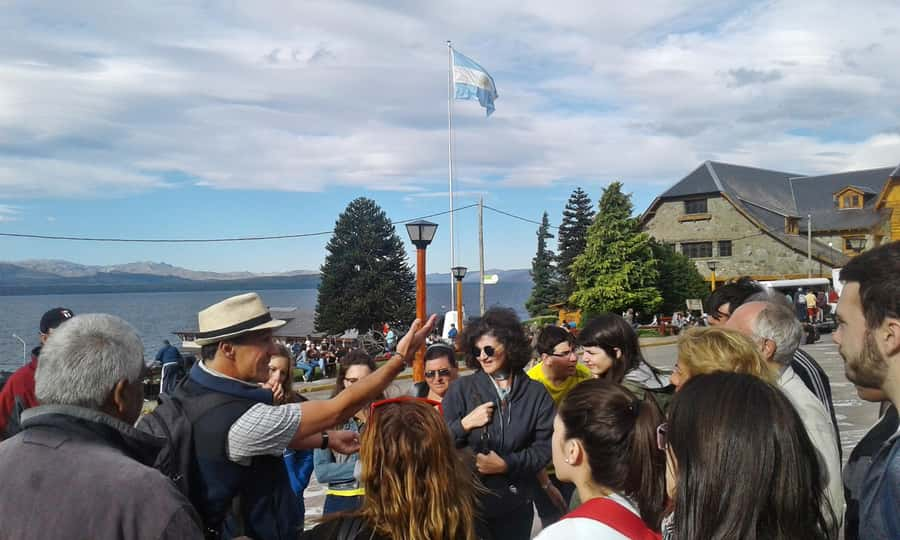
- Civic Center + Museum of Patagonia: You’re walking into the town’s main cultural hub, built around local interpretation since 1940.
- Native Patagonian context with a real guide: Diego is the name that pops up most, and the pacing is built to cover a lot without feeling rushed.
- Cathedral of Our Lady of Nahuel Huapi stops: Stained glass and the Via Crucis add a visual layer to the day.
- Nahuel Huapi Lake finale: You finish with glacial valley views, not just a “photo and leave” moment.
- Museum entry is flexible: The tour doesn’t require you to spend the whole time inside; you can return later with your entry ticket.
Starting at Centro Civico: why this route works
Bariloche can feel like a scenic pause point—pretty lake views, coffee, and easy walks. This tour nudges you past the postcard layer. You start at Centro Civico Square, where the city’s public buildings make it easy to understand why institutions (and stories) took root here.
The smart part is that your walking route follows a story rhythm: public history first, then visual culture, then nature. You don’t just hear facts; you place them in the spaces where Bariloche chooses to remember. That’s why the order matters: it sets your brain up to connect indigenous presence with later museum interpretation and city identity.
The Museum of Patagonia at the Civic Center: more than a quick look
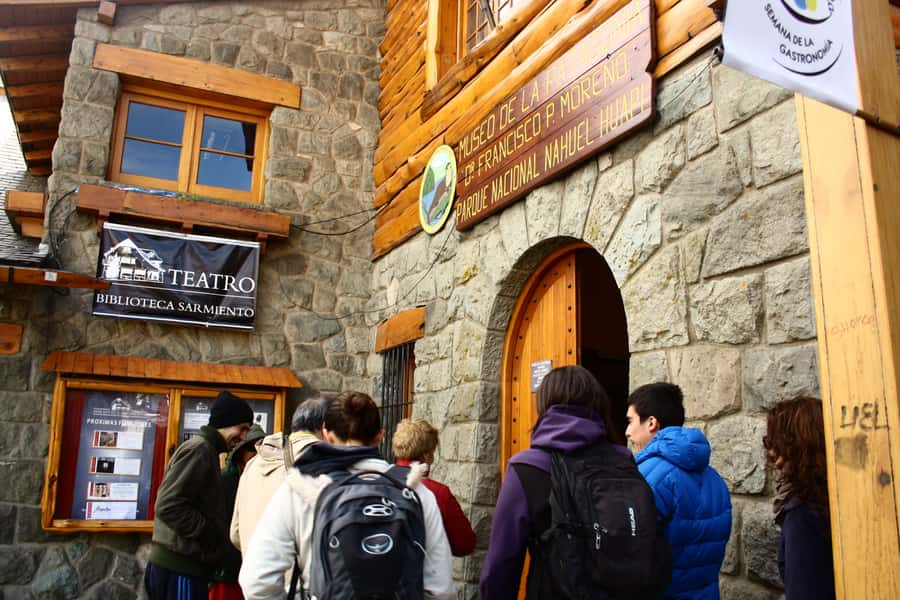
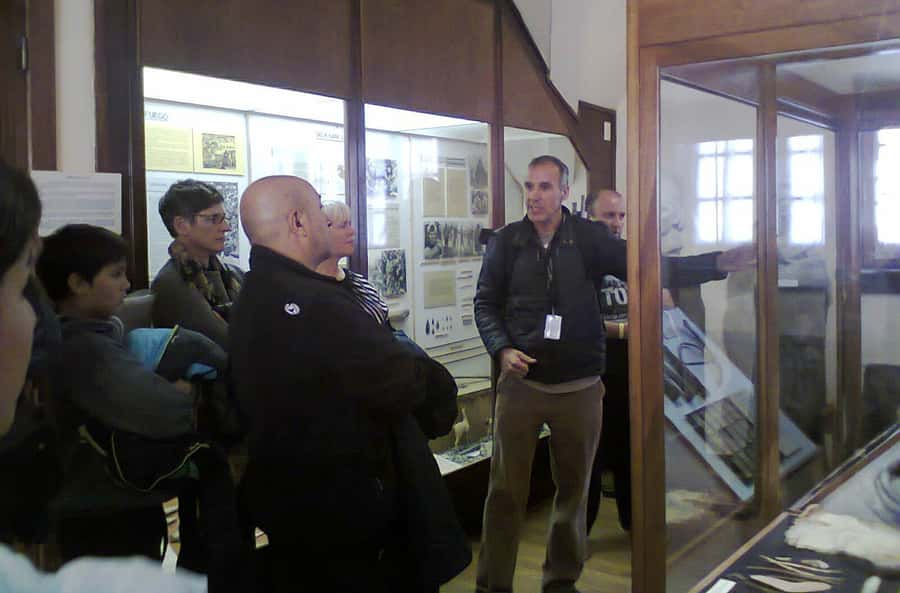
Your first real stop is the Civic Center area, where you explore the Museum of Patagonia. The museum was established in 1940 by the national government, and that detail matters because it shows how Bariloche was treated as important enough to formalize—at a time when it was still remote.
Inside, you’re guided through the main sections with two tracks running together: natural history and the people who were the original inhabitants of the region. That pairing is useful. It prevents the common mistake of treating human history and environmental history as separate topics. In Patagonia, they’re tied together—how people lived depends on the land, and the land’s story gets interpreted through what humans found there.
You’ll also get an entry ticket that lets you come back later in the day at your own pace. That’s a real value add. During the walking portion, you’ll get the guided overview. Later, you can slow down for specific collections like fossils, tools, and implements without feeling like you’re holding up the group.
Practical tip: if you’re the type who likes to linger, plan a second museum visit right after the walk, while the morning’s context is still fresh in your head.
The walking portion: Bariloche downtown with Diego’s pace
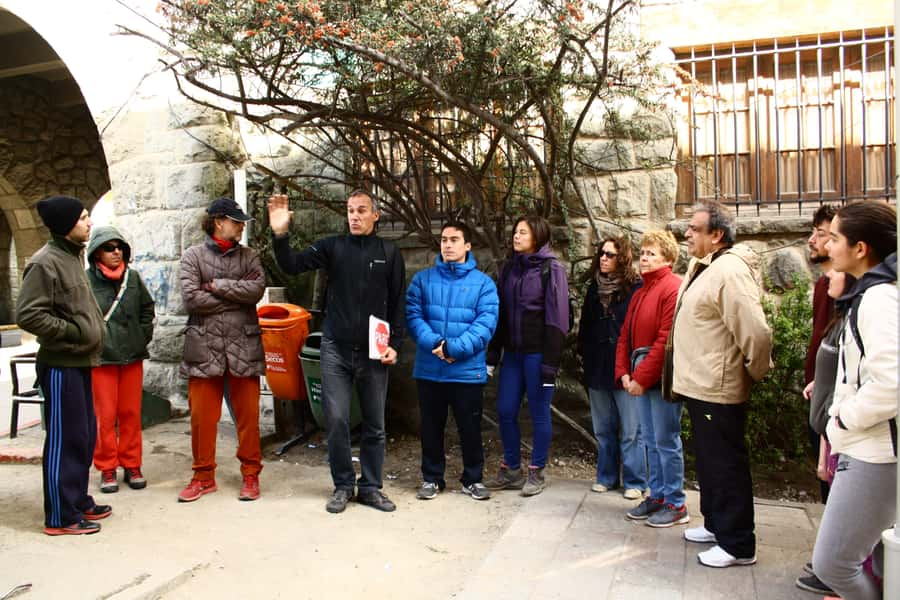
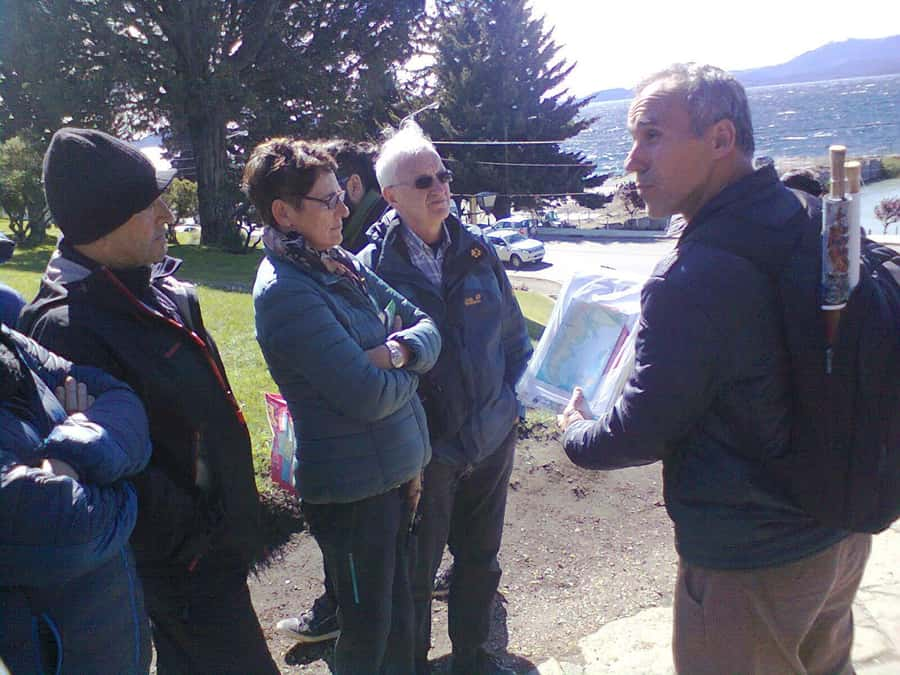
The tour is built as a 1.5-hour historical walking tour through downtown, using the street-level setting to bring context to what you’ll see indoors and then at the cathedral. This is where the guide matters most.
In the feedback you can’t miss a pattern: people specifically mention Diego and how he covers a lot in a short window. That’s exactly the goal here. You’re not wandering randomly. The route keeps moving so you can pick up the big picture fast and avoid the frustration of only hearing highlights without the “why.”
Because it’s an official guide who speaks English and Spanish, you’ll also get explanations that don’t require you to already know the region’s terminology. If you tend to feel lost on history tours, this structure helps you keep up—stop, context, what to notice, then move on.
One consideration: since this is walking + story stops, comfortable shoes are non-negotiable. If your feet get cranky, you’ll rush your attention, and you’ll miss some of the small details the guide is pointing you toward.
Cathedral of Our Lady of Nahuel Huapi: stained glass and the Via Crucis
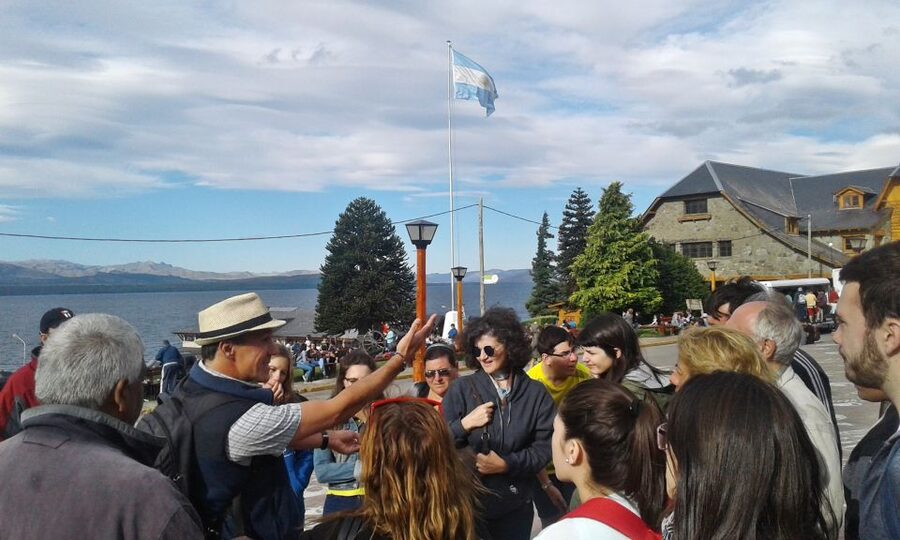
After the museum section, you make your way to the Cathedral of Our Lady of Nahuel Huapi, surrounded by gardens. The cathedral stop works because it gives you a visual break from museums and lectures. You’re still learning, just in a different medium.
The highlight here is the stained glass—beautiful, yes, but also a way to see how belief systems are expressed in art. The tour also includes the Via Crucis, which gives you another lens for interpreting symbolism and devotion as part of the area’s cultural layering.
Is this a stop about Indigenous history in the strictest sense? Not exactly. But it’s part of why the tour feels complete. Patagonia’s identity today is shaped by more than one influence, and sites like this show how later communities organized meaning in the region.
Gardens help too. You get a calmer tempo before the lake portion, and that makes the final viewpoint land harder.
End on Nahuel Huapi Lake: glacial valleys you can actually see
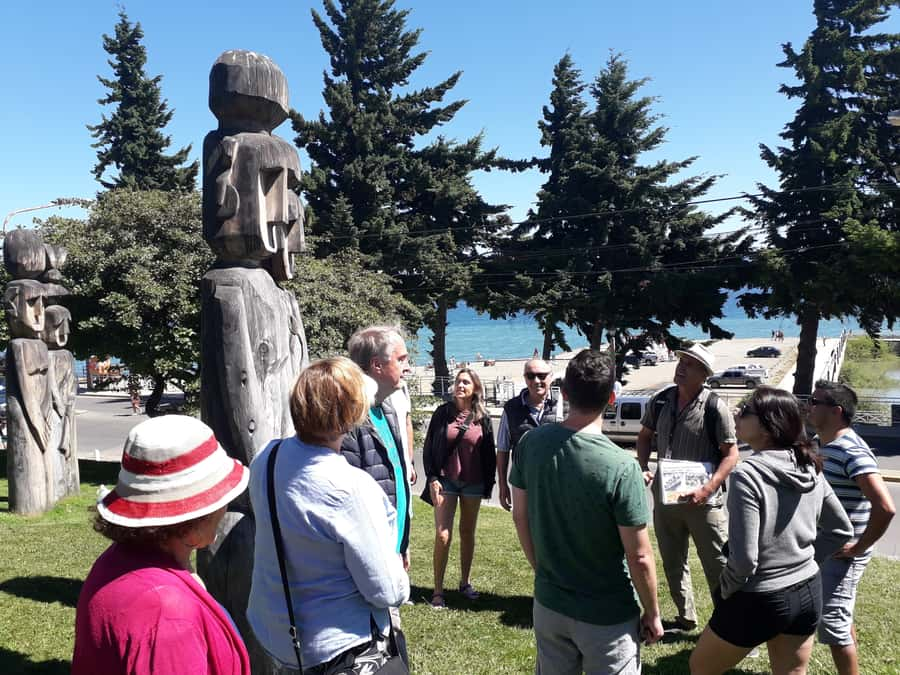
The tour finishes at the shore of Nahuel Huapi Lake, where you gaze out at glacial valleys. This is the payoff moment. You’re taking the earlier natural history context from the museum and turning it into an outdoor reference point.
If you like learning with your eyes—good. If you only like learning from text—this is still worth it. The lake setting is where you understand the region isn’t just scenery. The valleys and glacier shaping are part of why the landscape (literally the environment) looks the way it does, and why settlement patterns and livelihoods were tied to these features.
Practical note: this ending is a view-focused conclusion. You won’t need special gear, but you’ll appreciate it if you dress for cool wind off the water, since conditions can change quickly in Patagonia.
Price and value: is $41 for 90 minutes fair?
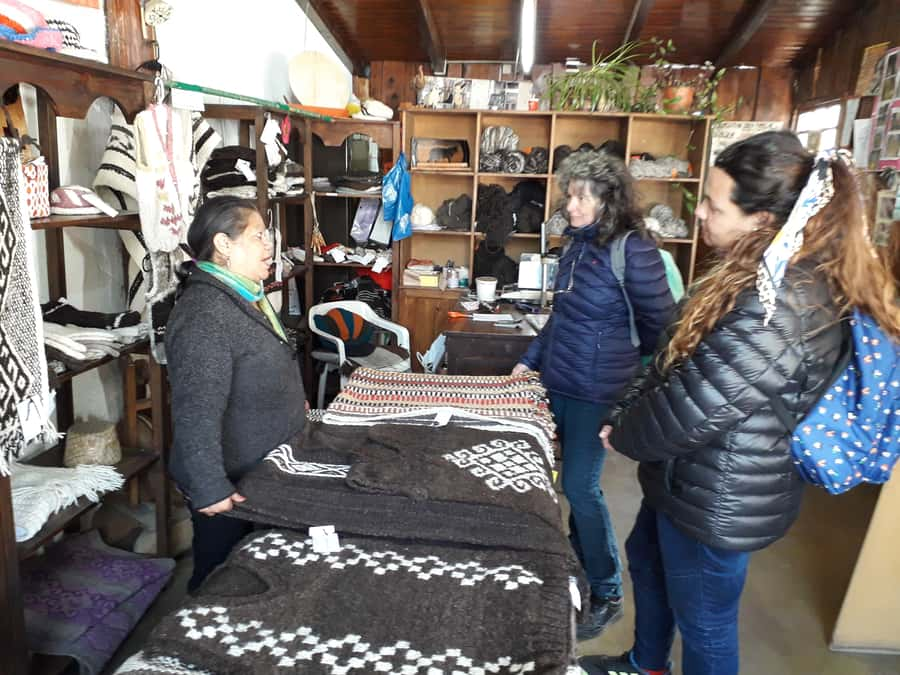
At $41 per person for a 90-minute experience, you’re paying for two things: a guided history walk and structured stops at key city locations. The museum part includes a guided component, and you also get entry ticket time to return later on your own.
The museum has a $2 optional contribution for entry, so budget a little extra if you want that later self-paced look. Even then, the price works out well if you’re the type who likes context. You’re not just buying access to buildings—you’re buying someone to connect the dots between indigenous presence, natural history, and how Bariloche chooses to interpret the past.
Where this price feels most fair: when you actually use the entry ticket for that second visit. The walking portion alone would be great, but the ability to return later lets you control how much time you spend with fossils, tools, and implements.
Who should book this tour (and who should skip it)
This is a good match if you want:
- a history-focused walk that stays organized in a short time,
- Indigenous Patagonia context tied to what you can see in Bariloche,
- bilingual guiding in English or Spanish without needing a crash course first,
- and an ending that includes real outdoor views, not just indoor stops.
Consider skipping (or pairing with something longer) if you know you want hours inside the museum. The tour is built to be efficient. You’ll get the guided overview during the walk, but the most time-consuming collections are better handled with that later self-paced visit.
Also, no pets are allowed, so if you’re traveling with one, you’ll need to arrange separate care.
Should you book the Indigenous People of Patagonia History Tour?
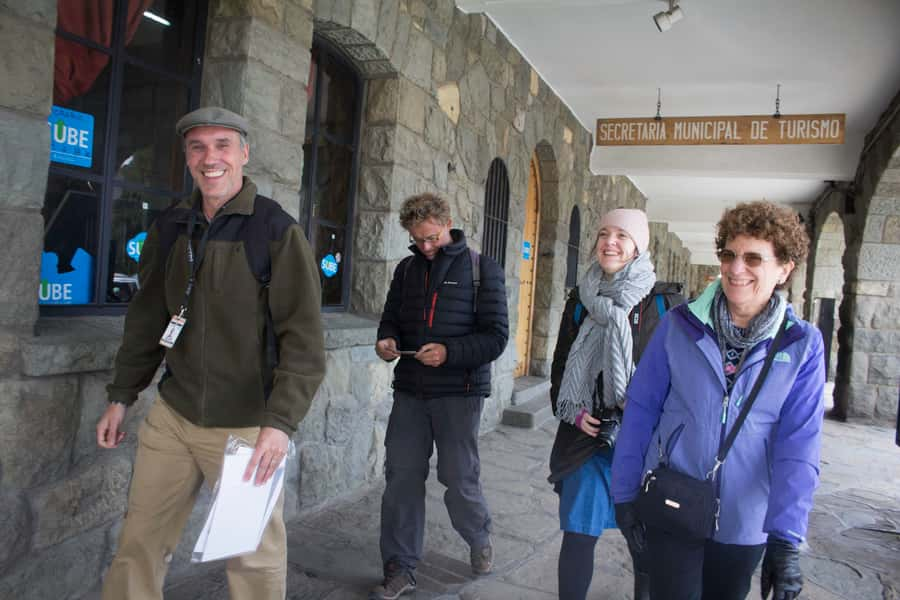
I think you should book it if you want a guided, well-paced way to understand how Bariloche tells the story of Patagonia’s original inhabitants alongside nature and later cultural expressions. The strongest signal from the guide experience—especially Diego—is that you’ll cover a lot in a short window without feeling like you’re drowning in dates.
If you have limited time in town, this is a smart “use it well” option. And if you do have extra hours, the entry ticket that lets you return later is the trick that turns a 90-minute walk into a half-day of learning at your own pace.
FAQ
FAQ
How long is the Indigenous People of Patagonia History Tour?
The tour lasts 90 minutes.
Where do I meet the guide?
Meet by the door of the tourist information office at Centro Civico Square, Bariloche.
What languages is the tour offered in?
The guide speaks English and Spanish.
What’s included in the price?
It includes an English and Spanish-speaking official guide and a 1.5-hour historical walking tour.
Do I need to pay anything for the Museum of Patagonia?
There’s a $2 optional contribution to enter the Museum of Patagonia.
What should I bring?
Bring comfortable shoes for walking in the downtown areas.
Are pets allowed?
No, pets are not allowed.