REVIEW · VITI LEVU
Koroyanitu National Heritage Park Fiji – Hike – Waterfall
Book on Viator →Operated by Fascination Fiji · Bookable on Viator
Waterfall pools and mountain village stories. This hike in Fiji’s Koroyanitu National Heritage Park pairs rainforest trails, bird-spotting, and a possible swim with a short look at everyday life in Abaca Village. It’s the kind of day where you move at walking pace, but the scenery keeps changing.
I especially love that the guide can match the hike to your abilities, because there are multiple trail options and the route is chosen for your group. I also love the hands-on nature feel, with guides like Raymond and Salva pointing out birds, native plants, and even edible finds like wild pineapple and bananas along the way.
One consideration: the trail can be genuinely slippery and tough in spots, and waterfall flow can be weather-dependent. If you’re expecting a smooth stroll with a big waterfall every time, you may be disappointed.
In This Review
- Key highlights
- Why Koroyanitu feels wilder than the usual Fiji stops
- Getting going: the 8:00 am start and pickup drive
- Koroyanitu hike: waterfalls, wildlife, and heritage-park stops
- Waterfall time that depends on the day
- Wildlife spotting that feels practical, not scripted
- Cultural stops along the way
- Abaca Village: what daily mountain life looks like
- Raymond vs. Salva: how the guide makes or breaks the day
- How hard is the hike, really?
- What the 3 to 6 hours include (and what might change)
- Price and value: $215 per person for a private nature day
- Practical tips so your day goes smoothly
- Should you book Koroyanitu and Abaca Village?
- FAQ
- FAQ
- What time does the tour start?
- How long should I plan for?
- Is pickup available?
- Is this a private tour?
- Do I need to buy admission tickets?
- What fitness level do I need?
- Are there different trail routes?
- What happens if the weather is poor?
- What is the cancellation and refund policy?
Key highlights
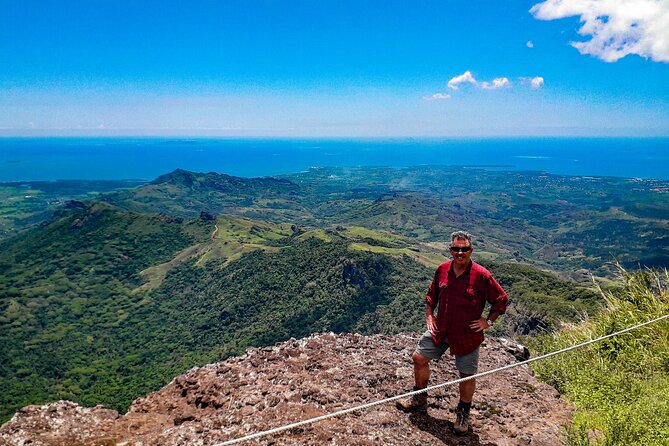
- Multiple trail choices so your guide can fit the route to your fitness level
- Local guides Raymond and Salva who spot birds and talk plants in plain language
- Waterfall pools that can include time for photos and a swim when conditions allow
- Koroyanitu admission included, plus guided stops tied to the heritage park setting
- Abaca Village visit with a free admission stop and a look at daily mountain life
- Pickup offered and a private setup, so you’re not squeezed into a big group pace
Why Koroyanitu feels wilder than the usual Fiji stops
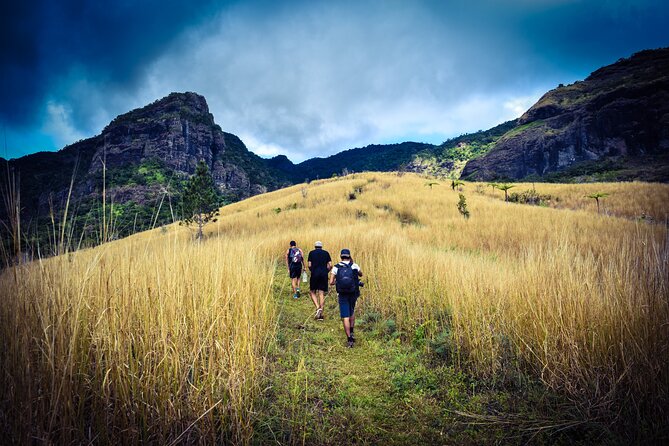
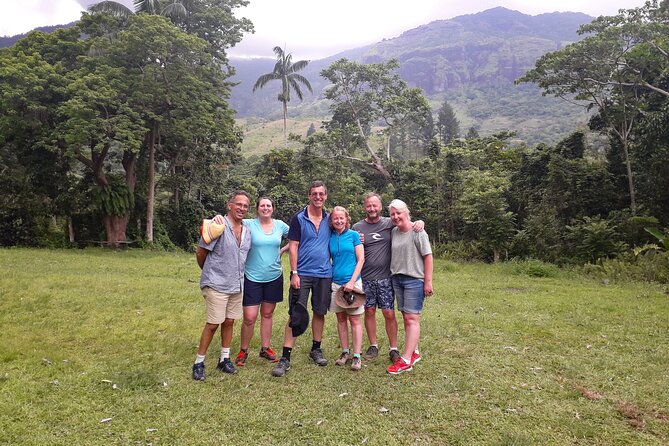
Koroyanitu National Heritage Park is the kind of place where the day starts with the rainforest already doing the work for you. You trade busy viewpoints for a trail environment: roots underfoot, wet leaves, birds calling from branches, and the constant shift from shaded path to open sightlines.
The big “wow” is the waterfall side of the hike. You’re not just looking at water from far away. You can reach natural pools fed by cascading falls, and that’s where the day can turn into a proper memory—especially if you’re willing to get a little wet and take your time.
Then the story doesn’t stop at the park boundary. The short visit to Abaca Village gives you a human scale to the same mountain setting—how people live up there, how families make their days work, and what the surrounding land means to them.
Getting going: the 8:00 am start and pickup drive
The tour starts at 8:00 am, which is a smart choice in Fiji. Cooler morning air can mean better footing on a trail that may be muddy or slick later in the day.
Pickup is offered, and you’ll typically be driven from your meeting point to the park before you start walking. That matters because Koroyanitu isn’t a “walk out your hotel door” kind of place. If you’re staying in Viti Levu, letting someone handle the transport saves you time and helps the day feel full rather than rushed.
Because it’s a private tour/activity, you don’t have to wait for strangers or adjust your pace to a larger group. Your guide can slow down for photos or speed up when the path opens—within the limits of safety, of course.
Koroyanitu hike: waterfalls, wildlife, and heritage-park stops
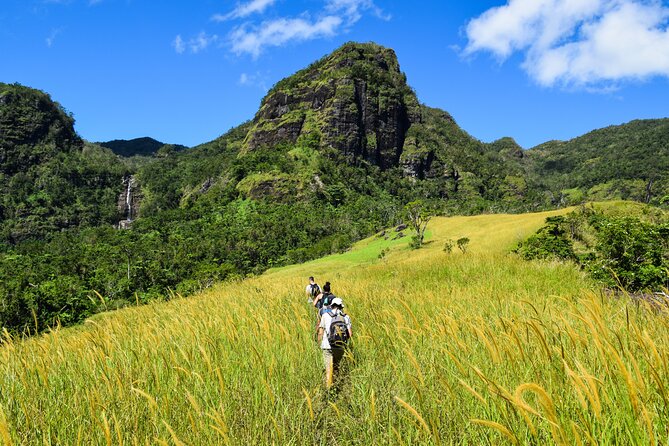
Koroyanitu is built for guided wandering. The core portion is the hike through the heritage park, with about 4 hours set aside and admission included. Your exact route can vary depending on your group and the trail choice, but the experience stays focused on three things: water, living nature, and cultural sites.
Waterfall time that depends on the day
You may reach majestic waterfalls and natural pools. In the best cases, you’ll get that classic moment where the waterfall is right there, not a distant backdrop. Some people even describe an unforgettable swim under the falls.
That said, waterfall flow isn’t something a guide can control. One person found the waterfall disappointing because there wasn’t much water coming down. My advice: go in expecting a chance to reach waterfall pools, but keep an open mind. Rain, recent weather, and seasonal changes can swing how dramatic the falls look.
Wildlife spotting that feels practical, not scripted
This hike isn’t only for hikers who love sweat. It’s also for people who enjoy noticing. Guides focus on native plants and unique wildlife such as birds and butterflies. Raymond, for example, was praised for spotting plants and pointing out wild pineapple and bananas—small details that make the trail feel alive.
If you’re the type who likes learning while moving, this is a strong fit. If you want a nonstop workout with no talk breaks, you’ll still hike a lot, but the guide’s nature notes are part of the rhythm.
Cultural stops along the way
Depending on the route, you might also pass cultural sites, including ancient village ruins or sacred areas. This is where the park setting becomes more than scenery. The guide’s job is to explain why a location matters and how it connects to Fijian traditions and land use.
Even if you’re not a “ruins person,” these stops help the day feel grounded. You understand what you’re walking past instead of just treating it like a backdrop.
Abaca Village: what daily mountain life looks like
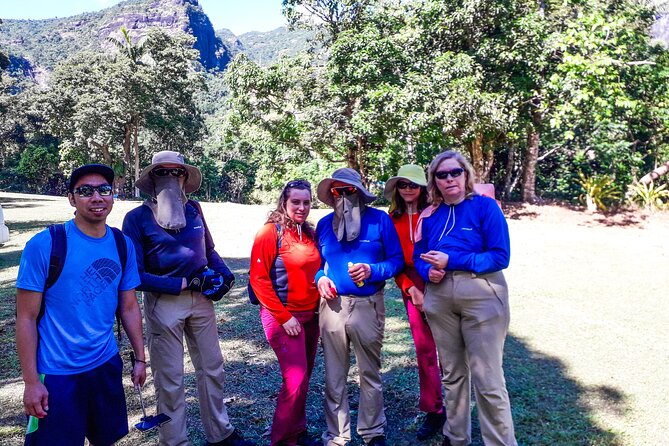
After the main hike, the tour shifts to a shorter cultural stop: Abaca Village. It’s about 30 minutes, with admission listed as free.
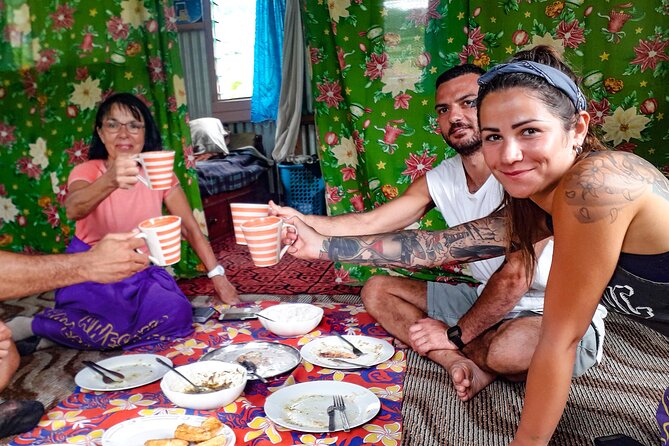
This portion is less about walking and more about meeting people and getting a sense of daily mountain life. The goal is to learn how native Fijians live and survive up the mountains, and to see what that looks like from a family perspective.
In the best scenario, it feels warm and specific—like you’re getting a snapshot rather than a staged performance. One highlight people shared was meeting families and seeing their traditional way of life.
And yes, food can be part of the story. Some people mentioned a traditional Fijian lunch made in a local woman’s home after the hike. Since food details aren’t spelled out in the official outline, treat this as a possible bonus rather than a guaranteed add-on, but it’s clearly the kind of thing your guide may try to arrange.
Raymond vs. Salva: how the guide makes or breaks the day
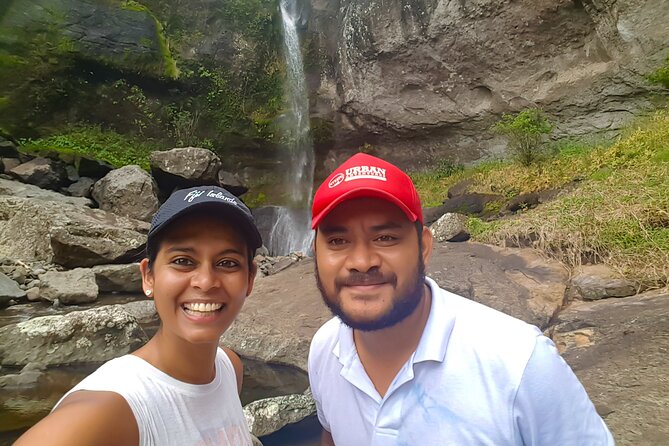
On this tour, the guide isn’t just a safety person. They shape the whole day through trail choice, pacing, and what you notice once you’re on the ground.
Raymond is repeatedly praised for:
- choosing among three trails and matching the route to your abilities
- being strong on birds and plants
- adding those “how do I not miss that?” moments, like finding wild pineapple and bananas
- making people feel comfortable, including solo travelers
Salva also shows up in the feedback with a clear impact on the hiking experience. One review gave a five-star rating specifically because Salva guided the group well, even though the trail conditions were tough. That tells you the guide matters for more than comfort—you want someone who can keep you moving safely when the ground gets tricky.
If you want a day that balances physical effort with learning and attention, look for that guide-style fit. The tour works best when you’re willing to let the guide lead the story of the walk.
How hard is the hike, really?
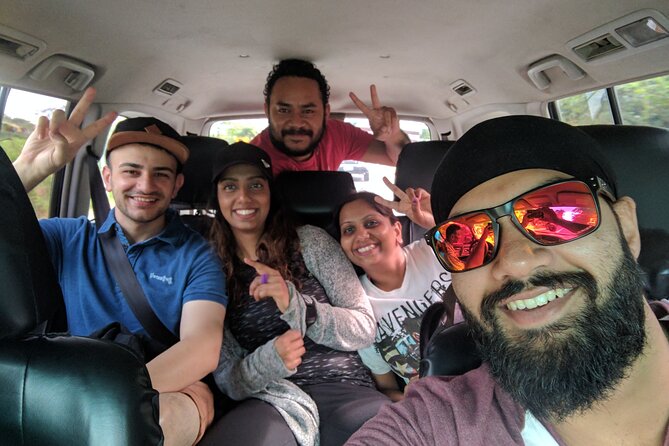
The tour asks for moderate physical fitness. That’s not a fancy label. It usually means you should expect uneven ground and moments where your balance matters.
One review flagged real difficulty: lots of roots, slippery mud, and unstable rocks. Another review said the hike was not too challenging but still required a bit of experience. Those two comments can both be true because route choice and weather change everything.
So here’s the practical way to judge this: if you’re comfortable with wet, uneven trails and you’ve hiked in similar conditions before, you’ll probably be fine. If you want a guaranteed easy path, this tour isn’t built for that.
Also, if rain is in the forecast, plan for the trail to feel more demanding than it looks from the starting point. Even drizzle can change footing. One person noted drizzling didn’t stop great photos, but it can raise the risk of slipping if your shoes aren’t up to it.
What the 3 to 6 hours include (and what might change)
The tour is listed as 3 to 6 hours (approx.), and in practice that range comes from a few factors: which trail route is chosen, how long you spend at waterfall areas, and how the village stop fits into the timing of the hike.
The structure you can count on:
- Morning start at 8:00 am
- The main park hiking segment (with 4 hours suggested in the plan)
- A later village visit around 30 minutes in Abaca Village
Within that skeleton, the “feel” varies. If your guide finds the best waterfall route for your group, you might spend a bit longer at the water. If conditions are less dramatic, you might spend more time on trail education, photos, or reaching a different viewpoint.
The key point for your planning: this isn’t a rushed tick-the-box tour. It’s a walking-and-stopping day, and that’s the value.
Price and value: $215 per person for a private nature day
At $215.00 per person, this isn’t a budget filler. The value comes from three things that usually cost extra when you price them separately:
- Private guide attention
You’re not sharing your hike with a crowd that forces speed or limits interaction. The guide can pick a route for your abilities and slow down for nature spotting.
- Guided access into a heritage park experience
Koroyanitu admission is included, and the trail experience is guided with wildlife and cultural context.
- A two-part day
You’re getting the waterfall hike plus a village stop to understand mountain life. Many day trips in Fiji feel like one place in two photos. This one adds a second setting and changes the pace.
If you’re a couple or a small group, you’re paying for a more tailored day. If you’re traveling solo, the private format can still make it feel less intimidating than a large-group hike, which matches what solo travelers said they appreciated.
Practical tips so your day goes smoothly
You’ll have the best time if you show up ready for a trail that can get muddy.
- Wear grip-focused shoes. Roots, slippery mud, and unstable rocks were mentioned, and that’s your cue to prioritize traction over style.
- Pack a dry layer or plan to get wet. If waterfall pools are accessible, you might end up near the water line.
- Bring a small towel and water. The hike is multi-hour, and you’ll be stopping for breaks and photos along the way.
- Don’t rely on the waterfall looking identical every time. Flow can vary, so aim to enjoy the trail process, not only the final splash.
If you’re choosing between routes based on the day, let the guide decide. Raymond and Salva were praised for matching the trail to abilities, and that kind of judgment matters more than guessing from a distance.
Should you book Koroyanitu and Abaca Village?
Book this tour if you want an active Fiji day with real nature noticing and a guide who explains what you’re seeing. It’s ideal for people who enjoy walking trails in wet environments, appreciate wildlife and plant spotting, and like cultural context beyond a quick roadside stop.
I’d think twice if:
- you need an easy, flat hike
- you’re hoping the waterfall will be guaranteed dramatic regardless of weather
- you’re very sensitive to slippery footing
If you’re excited by waterfall pools, bird calls, and a short village visit that connects the mountains to daily life, this is a strong pick for your Fiji time in Viti Levu.
FAQ
FAQ
What time does the tour start?
The tour start time is 8:00 am.
How long should I plan for?
Plan for 3 to 6 hours (approx.) for the full experience.
Is pickup available?
Yes, pickup is offered.
Is this a private tour?
Yes. It’s listed as a private tour/activity, so only your group participates.
Do I need to buy admission tickets?
For Koroyanitu National Heritage Park, admission is included. For Abaca Village, admission is listed as free.
What fitness level do I need?
You should have moderate physical fitness. The trail can involve roots, slippery mud, and uneven ground depending on the route and conditions.
Are there different trail routes?
There are multiple trails to hike, and the guide chooses the one that fits your group’s abilities.
What happens if the weather is poor?
This experience requires good weather. If it’s canceled due to poor weather, you’ll be offered a different date or a full refund.
What is the cancellation and refund policy?
You can cancel for a full refund up to 24 hours in advance. If you cancel less than 24 hours before the start time, the amount paid is not refunded.