REVIEW · WASHINGTON DC
African-American Heritage Walking Tour of U Street in DC
Book on Viator →Operated by UTG Experience · Bookable on Viator
U Street at dusk tells stories. This 2-hour evening heritage walk links street corners, murals, and memorials into one clear DC story—African-American life, music, and military service—moving at a comfortable walking pace.
I especially love the way the tour turns familiar landmarks into real context. I also love that the route mixes music names and places (U Street’s jazz legacy) with the U.S. Colored Troops story at the African American Civil War Memorial Museum. You’ll leave with a stronger sense of how communities shaped Washington, not just how they were affected by it.
One thing to consider: a small number of past bookings reported last-minute cancellations or meeting-day issues. I’d plan for flexibility, arrive a bit early at 1250 U St NW, and keep your confirmation handy in case the day changes.
In This Review
- Key Highlights Worth Your Time
- U Street at Night: Why This Walk Works So Well
- Price and Value: What $90 Buys You in DC Time
- Stop by Stop: U Street and the Sound of Black Broadway
- Ben’s Chili Bowl Mural: Public Art, Changing Stories
- African American Civil War Memorial Museum: The Wall of Honor
- Howard Theatre: A Stage Built When Others Shut the Door
- Pacing, Group Size, and What to Wear
- Should You Book This U Street Heritage Tour?
- FAQ
- How long is the African-American Heritage Walking Tour of U Street?
- What time does the tour start?
- Where do I meet for the tour?
- How much does the tour cost?
- Is food or drink included?
- What stops are included on the walk?
- Are admissions included for the stops?
- Is the tour offered in English?
- What is the group size limit?
- What if the tour is canceled due to weather?
- Can I get a full refund if I cancel?
Key Highlights Worth Your Time
- U Street’s Black Broadway focus with stop-and-talk storytelling about the jazz clubs and theaters that drew major artists
- Ben’s Chili Bowl mural changes over time, including how it shifted after public controversy and who painted the current work (Aniekan Udofia)
- African American Civil War Memorial Museum honoring the U.S. Colored Troops and their names on the Wall of Honor
- Howard Theatre’s founding purpose in 1910, when Black performers were shut out of many other venues
- Small group size (max 20) makes it easier to ask questions and keep the pace comfortable
U Street at Night: Why This Walk Works So Well
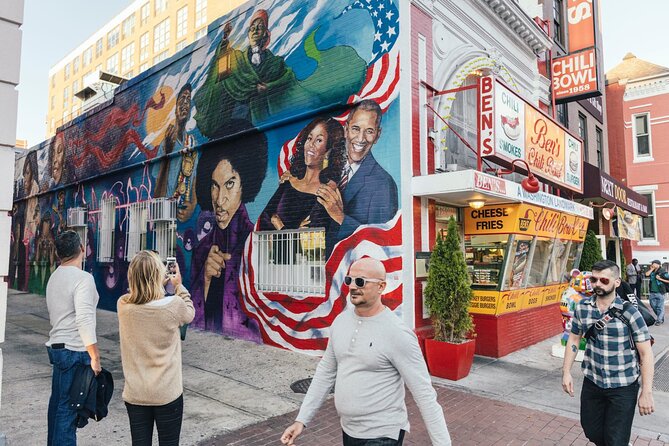
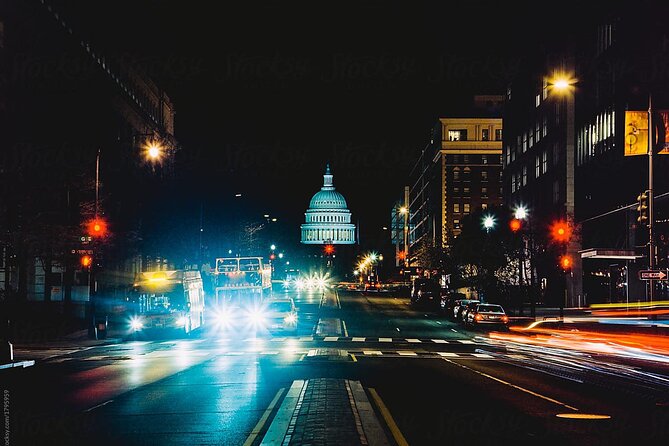
This tour starts at 5:00 pm, and that timing matters. U Street looks and feels different after work hours: storefronts are lit, people are out, and the neighborhood’s music-and-theater energy lands more naturally than it would at noon. You’re not just “checking boxes.” You’re walking through the area where Black culture in DC became loud enough to shape national attention.
The format also helps you absorb it. With a licensed tour guide and a group cap of 20, you get a more personal street-level tour than the giant “bus-and-brochure” style. The route stays tight, and the walking pace is built for a 2-hour evening experience rather than an all-day marathon.
I like that the tour is designed around atmosphere plus specific stops. You spend time at key places, but the guide also connects what you see now to what used to happen there—so the streets don’t feel like empty scenery.
You can also read our reviews of more tours and experiences in Washington DC.


Price and Value: What $90 Buys You in DC Time
At $90 per person for about two hours, the price is not bargain-bin. But here’s the value math that makes it feel fair: you’re paying for a licensed guide plus time at stops where the admission tickets are free (including the African American Civil War Memorial Museum and other included stops). Food and drinks are not included, so you’re not paying extra for meals you might not even want.
In practical terms, you’re buying one thing that’s hard to DIY: guided interpretation. Standing outside a mural or reading a museum plaque is fine. A good guide helps you connect the dots—who these people were, what the moment meant, and why a place in DC became a magnet for culture and activism.
I also appreciate that it’s a small group walk. When the group stays under 20, you get less waiting around and more time where it counts: listening to the guide explain what you’re looking at.
Stop by Stop: U Street and the Sound of Black Broadway
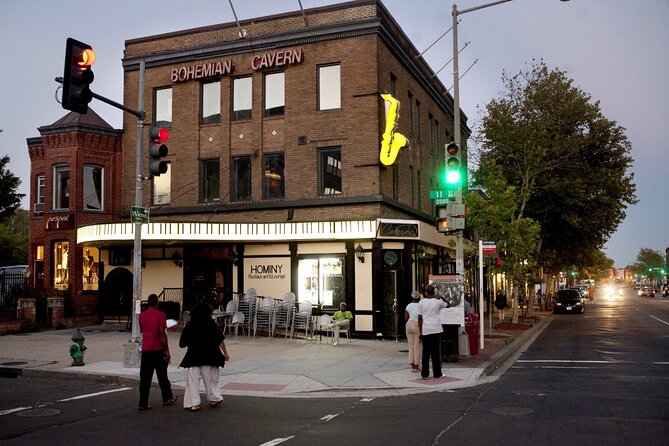
U Street is where the tour begins, and it’s the right starting point. This neighborhood is often linked to the nickname Black Broadway, because music, theaters, and clubs helped turn it into a stage for major artists. The schedule gives a short listed moment at U Street, but in practice that means the guide’s talk plus your walking through the area is the main event here.
What I like about this part is how it frames famous names in place. You’re not just hearing a list of musicians; you’re learning how the streets and venues supported the kind of nightlife where artists could build audiences. Expect stories and context tied to the jazz scene and theater culture, including big DC and national figures such as Duke Ellington, Cab Calloway, Pearl Bailey, Sarah Vaughn, and Jelly Roll Morton.
Here’s a practical tip: this first segment sets expectations for the rest of the walk. If you want to get the most out of the tour, keep your attention on what the guide says about how entertainment, community, and opportunity intersected on these blocks. It will make the later memorial stop land harder.
Ben’s Chili Bowl Mural: Public Art, Changing Stories
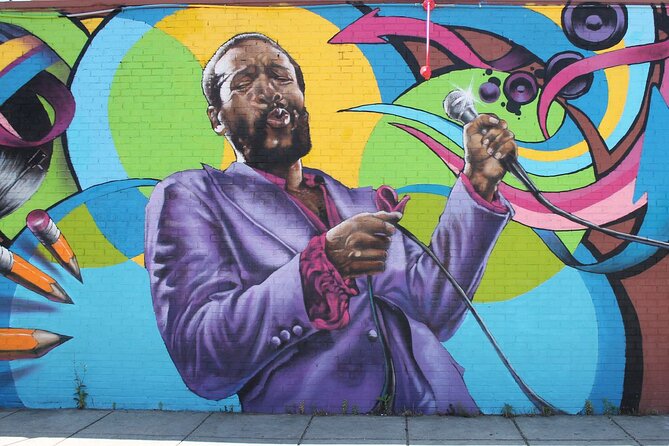
Next up is the Ben’s Chili Bowl mural, and it’s one of those DC stops that can surprise you. Yes, most people think of Ben’s Chili Bowl for the half-smoke. But the landmark is also a canvas for Black American achievement—and the mural’s story is not frozen in time.
The key detail: the mural has been changed multiple times since it appeared in 2012. At one point, parts of it included recognizable figures such as Bill Cosby, Barack Obama, Donnie Simpson, and Chuck Brown. Later, after allegations against Cosby came to light, that portion was removed. The mural also shifted again in 2017, when it briefly tied into the Washington Wizards for the NBA playoffs. Then local artist Aniekan Udofia painted the mural that stands today.
What this means for you on the tour is bigger than art trivia. You’re seeing how public memory evolves—how communities respond to new information, how symbolism gets revised, and how a single wall can carry different messages across years. That makes it a strong mid-tour reset: you get culture, but you also get questions about how societies decide what deserves visibility.
Time-wise, this stop is long enough for you to actually look. Build in a moment to read the mural details, then listen to the guide’s explanation of why this location stays part of the neighborhood conversation.
One more practical note: the tour doesn’t include food. Still, if you want the classic Ben’s experience afterward or before you meet back up with the group, plan to purchase it separately.
African American Civil War Memorial Museum: The Wall of Honor
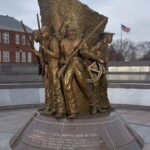
The African American Civil War Memorial Museum is where the tour turns from music-and-murals into the story of service and struggle. The museum is dedicated solely to Black troops who fought for the Union. That focus is the point: it centers people and units that too often get footnotes elsewhere.
Expect the guide to connect the Civil War timeline to the creation of Black regiments. When rebel states refused to rejoin the Union early in the war, President Abraham Lincoln issued the Emancipation Proclamation and created regiments in the Union Army and Navy filled with Black soldiers. This part of the story matters because the museum doesn’t treat service as simple heroism. It highlights the brutal treatment Black soldiers faced—both from the opposing army and discrimination within their own ranks.
You’ll also learn key numbers that make the scale real. More than 200,000 Black Americans filled 175 regiments of the United States Colored Troops (USCT), about one-tenth of the Union’s forces. Through persistent pressure from the Black American community, Union policy on Black military service changed. In the end, about 180,000 Black soldiers served, including roughly 98,500 men who had been formerly enslaved.
The emotional centerpiece is the Wall of Honor, where names are inscribed. The guide’s framing here helps you understand why naming matters: it turns statistics into individual lives and families. It’s the kind of stop where you’ll want to slow down, stand still for a minute, and let what you’re seeing work on you.
The main drawback is also practical: this is a museum stop, and your time there is limited (the schedule gives about 30 minutes). If you tend to like long museum reads, treat this as an orientation visit. You’ll likely want to come back later if anything really grabs you.






Howard Theatre: A Stage Built When Others Shut the Door
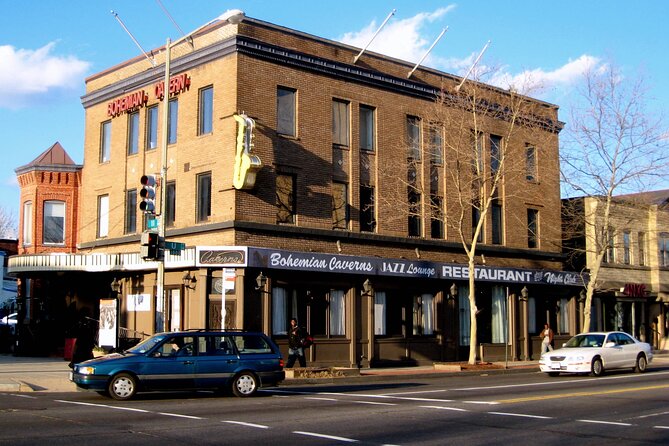
Howard Theatre rounds out the walk, and it’s a powerful way to end because it connects opportunity to resistance in a single building. The Howard Theatre is described as the first Black theater in America and was founded in 1910 in the Shaw neighborhood around Howard University.
The reason for its creation is central. At the time, Black men and women were often not allowed into many other entertainment venues in the city. So this theater was built to create a space where Black performers and audiences could come together. That’s not just architecture; it’s a political and cultural statement.
The guide’s job here is to show you how the theater’s reputation grew. Before it became nationally known, the Howard Theatre was locally famous for open-mic-style events and battle-of-the-band contests. Then, as eras shifted, the theater attracted a wide range of performers, from Louis Armstrong to Kendrick Lamar.
One of the most useful things you’ll get from this stop is a sense of continuity. The tour theme is African-American history and community in DC, but Howard Theatre gives you the link between entertainment and everyday social change—how performance spaces became community engines.
If you’re hoping for a deep interior theater tour, check how the evening schedule plays out for that particular stop. The time allotted is about 30 minutes, so expect more guided interpretation than a long, free-form exploration.
Pacing, Group Size, and What to Wear
This is a walking tour with moderate physical fitness suggested. That’s honest and helpful. You’ll be on your feet for the full two hours, plus short stop times. Wear comfortable shoes you can trust on DC sidewalks.
The group size max is 20, which I consider a sweet spot. Small enough for interaction, large enough to keep momentum. Still, evening walks can get cooler or breezier than you expect, especially once daylight drops, so bring a light layer.
Also, this tour is offered in English. If you’re comfortable in English, this will feel smooth. If you need another language, you’ll want to confirm what’s available for your date since the provided info only states English.
Finally, it helps to know this is a mobile ticket experience. Don’t plan on losing your phone during the walk. Save your confirmation so you can show it quickly if needed.
Should You Book This U Street Heritage Tour?
I’d book this tour if you want a well-paced DC introduction that ties together entertainment, memorials, and community history in one route. The best reason to go is the range: jazz-era storytelling on U Street, public-art context at Ben’s Chili Bowl, and the USCT-centered memorial museum experience. Howard Theatre gives you a strong ending with the space Black artists built when doors were closed elsewhere.
Skip it only if your schedule is rigid and you can’t handle a possible last-minute change. A small number of reports mention cancellations close to the start time or meeting-day problems. That doesn’t mean it happens every time, but it’s enough for me to recommend that you avoid booking this as the single keystone event of a night with no backup plan.
If you’re traveling with someone who likes DC beyond monuments, this tour fits. It’s not just about standing still and reading. It’s about walking through the city in a way that makes the story stick.
FAQ
How long is the African-American Heritage Walking Tour of U Street?
The tour lasts about 2 hours.
What time does the tour start?
The start time listed is 5:00 pm.
Where do I meet for the tour?
You meet at 1250 U St NW, Washington, DC 20009, USA.
How much does the tour cost?
The price is $90.00 per person.
Is food or drink included?
No. Food and drink are not included.
What stops are included on the walk?
The tour includes U Street, the Ben’s Chili Bowl mural, the African American Civil War Memorial Museum, and Howard Theatre.
Are admissions included for the stops?
Admission tickets are free for the stops listed in the itinerary.
Is the tour offered in English?
Yes, the tour is offered in English.
What is the group size limit?
The maximum group size is 20 travelers.
What if the tour is canceled due to weather?
If it’s canceled due to poor weather, you’ll be offered a different date or a full refund.
Can I get a full refund if I cancel?
Yes. Free cancellation is available up to 24 hours in advance for a full refund. Within 24 hours, the amount paid is not refunded.