REVIEW · KRAKOW
Krakow: Kazimierz District Jewish Heritage Tour
Book on GetYourGuide →Operated by Your City Guides · Bookable on GetYourGuide
Kazimierz tells two stories at once. This 2-hour guided walk through Krakow’s Jewish Quarter is interesting because you see how Jewish and non-Jewish life overlapped here for centuries, and how the Holocaust shattered it almost completely. I love that the tour starts in the Old Synagogue area, then moves through key streets and squares tied to community life, prayer, and public memory in one logical route. You’ll also get a real sense of how Kazimierz looks and feels today, not just how it used to be.
Two things I like a lot: first, the guiding is strong. In the feedback, guides like Anya, Ela, and Jimmy show up with serious command of details and answers that stay connected to what you’re standing in front of. Second, you get a real synagogue visit with a ticket included, so this isn’t only street-talking—it’s part architecture, part atmosphere, part historical context. You’ll be walking and listening, but you’ll also be stepping into places that shaped daily Jewish life.
The main drawback to consider is simple: in just 2 hours, you won’t cover every single important site in the district. Also, the “synagogue ticket” is included, but there can be confusion around what exactly is covered for the Remuh Synagogue visit—so it’s smart to confirm which synagogue entrance you’ll have before you go. Plan some extra time around your tour if you want to keep exploring after.
In This Review
- Key highlights to look forward to
- Why Kazimierz hits harder than a typical city walk
- Price and logistics for a 2-hour Jewish heritage tour
- Old Synagogue start: where the story gets grounded
- Szeroka Street walk: how everyday space tells cultural history
- Remuh Synagogue visit: the ticketed moment you’ll remember
- Plac Nowy and Corpus Christi Basilica: a street-level lesson in co-existence
- Ghetto Heroes Square finish: memory in a public place
- What kind of guide experience you’ll likely get
- How to get the most out of the 2 hours
- Who this tour suits best
- Should you book this Krakow Kazimierz Jewish Heritage Tour?
- FAQ
- Where does the tour start?
- How long is the tour?
- Is the tour guided, and what languages are offered?
- Is a synagogue ticket included?
- What should I wear or bring?
- Does the tour run in bad weather?
Key highlights to look forward to
- Start at the Old Synagogue and get orientation in the Kazimierz neighborhood right away
- Szeroka Street walking route that connects prayer, commerce, and everyday life
- Remuh Synagogue visit with a ticket included for a meaningful indoor stop
- Plac Nowy and Corpus Christi Basilica for the visible meeting point of different faith histories
- Ghetto Heroes Square ending with a strong, direct focus on memory
- English or Polish live guide, with a track record for clear explanations and Q&A
Why Kazimierz hits harder than a typical city walk
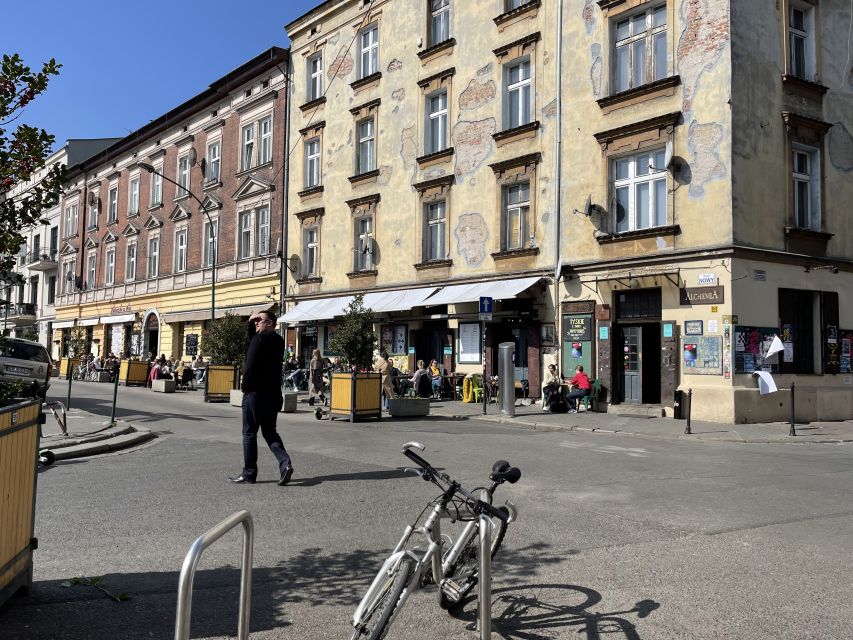
Kazimierz isn’t a theme park version of history. It’s a neighborhood with modern life, bars, and traffic—and layered underneath, you can still trace Jewish institutions, streets, and stories. The tour leans into that mix. You’re not only learning dates; you’re learning how people lived side by side, how traditions worked, and how that world was nearly erased.
The emotional tone matters here. You’ll likely feel a few things at once: sadness for what was lost, nostalgia for what had existed, and hope in what survived and what has been rebuilt. That’s not poetic fluff. It’s the practical effect of walking past synagogues, along meaningful streets, and toward sites tied to the ghetto and the people who lived there. The tour frames it as difficult questions that matter today, not only old tragedy that stays in the past.
And because this is a guided walk, you’ll get a scaffold for the neighborhood. Without that, Kazimierz can feel like a collection of pretty corners. With the structure, you start connecting those corners into a story you can actually remember.
Price and logistics for a 2-hour Jewish heritage tour
At $67 per person for about 2 hours, you’re paying for three things: a live guide, guided access to a synagogue stop, and a carefully timed route through the key landmarks. For a city like Krakow, that’s a fair setup if you want a “get your bearings fast” overview that still includes indoor time.
A few practical notes you’ll appreciate:
- This tour runs rain or shine, so bring weather-proof layers and shoes you can walk in.
- You’ll cover multiple stops on foot, so comfortable shoes aren’t optional.
- It’s wheelchair accessible, which is a big win if you need step-free routing (still, wear comfort-friendly footwear for cobblestones if you’re sensitive to them).
If you’re trying to fit a lot into a tight schedule, the 2-hour length is perfect. If you want total coverage of every synagogue and museum in Kazimierz, this should be seen as your “first serious orientation,” not your only visit.
Old Synagogue start: where the story gets grounded
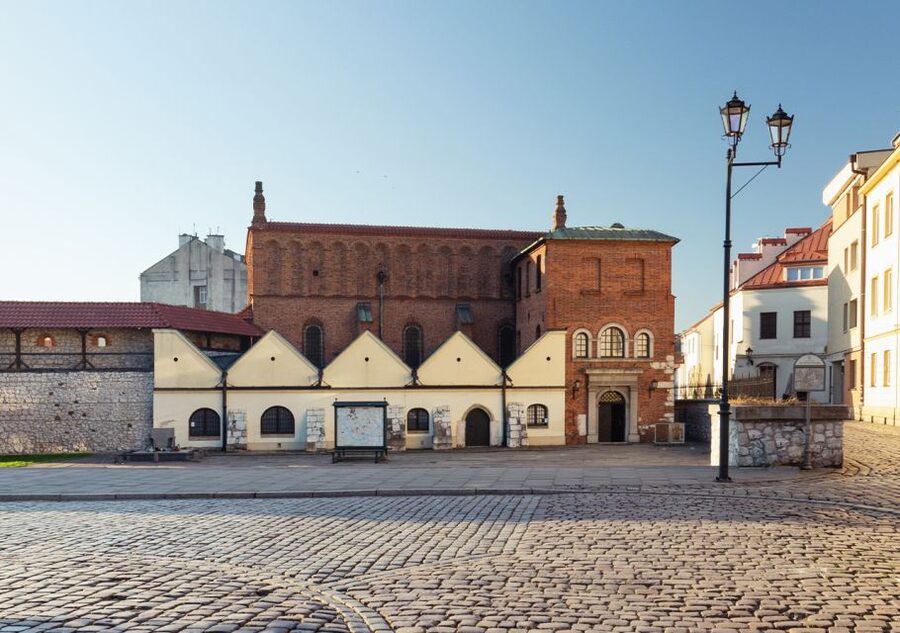
Meeting in front of the Old Synagogue is smart because it anchors the tour in a real starting point. You’re not thrown into Kazimierz randomly. You begin with the neighborhood’s religious and community core, then you walk outward from there.
In practice, this first segment does two useful jobs:
- Sets the timeline: how Jewish life formed, how the community organized itself, and what shaped its public presence.
- Explains the space: why certain streets and squares matter, so later stops don’t feel disconnected.
If you like tours where the guide explains context before asking you to connect dots yourself, you’ll probably enjoy this format. The payoff is that by the time you reach later squares and the ghetto area, you’ll already have a mental map.
Szeroka Street walk: how everyday space tells cultural history
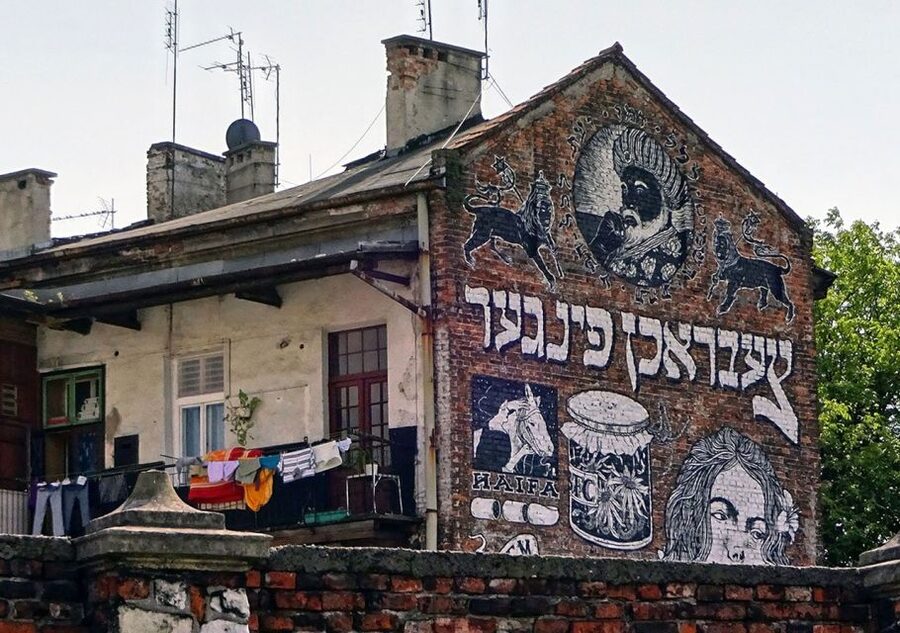
After the Old Synagogue, you’ll head to Szeroka Street for a guided walk. This is the kind of street stop that works well for first-time visitors because it shows you Kazimierz as more than “religious buildings.”
What to pay attention to on this part of the tour:
- How the street layout helps you imagine movement—people traveling between institutions and neighborhoods.
- The way public life sits close to religious life.
- The guide’s explanation of traditions and customs as something practiced in real places, not only described in textbooks.
This stretch also tends to be where you start noticing details you’d otherwise miss. You’ll look more carefully at signs, architecture, and the rhythm of the neighborhood. Even if you’re not a “museum person,” walking with context can turn a simple stroll into a memory you keep.
Remuh Synagogue visit: the ticketed moment you’ll remember
The route includes a stop at Remuh Synagogue, with a guided visit and a synagogue ticket included. This is one of the key value points of the tour, because it gives you an indoor experience tied directly to Jewish religious life.
What makes this stop meaningful is that synagogues aren’t only old buildings. They’re places with specific functions and traditions. The guide’s job here is to connect what you see in front of you to how worship and community life worked.
One caution: there has been confusion in some instances around which synagogue entrance is covered. Since the tour states that a synagogue ticket is included, do yourself a favor and double-check the details at booking or with the provider message thread—especially if Remuh is the one you care most about.
If you want your tour to include at least one substantial interior stop, this is the one to show up for.
Plac Nowy and Corpus Christi Basilica: a street-level lesson in co-existence
Next comes plac Nowy, followed by Corpus Christi Basilica. This pairing is valuable because it shows how Kazimierz isn’t a single-faith story. You’re moving through spaces where different religious identities shaped the same urban environment.
Here’s what I think you’ll get from this section:
- You’ll see how proximity creates contact. Co-existence isn’t always polite, but it is visible.
- You’ll understand that religion shaped public space, not only private life.
- You’ll recognize that Kazimierz’s story is about relationships between communities—sometimes harmonious, sometimes painful.
The Corpus Christi Basilica stop can also help you think in contrasts: different rituals, different architecture, different sacred meanings. Standing with a guide at both kinds of places makes the “two cultures” idea far more concrete than reading about it later.
Ghetto Heroes Square finish: memory in a public place
The tour ends at Plac Bohaterów Getta (Ghetto Heroes Square), specifically at Plac Bohaterów Getta 6. Finishing here changes the mood. It’s harder. It’s direct. And it’s where the tour’s message about what happened—and what must be remembered—lands strongest.
I like the way this finish works because it doesn’t leave you wandering. You end at a designated memory space instead of drifting back into cafés and shops without closure. The guide’s explanations here are meant to tie events and community life to the broader questions of culture, survival, and human responsibility.
If you’re the type who processes history better when it’s guided to an ending, you’ll probably appreciate the structure.
What kind of guide experience you’ll likely get
This tour is driven by the quality of the guide, and the name patterns show why. In the feedback, guides such as Anya, Ela, and Jimmy are praised for being highly engaged, energetic, and willing to answer questions.
You should expect a style that’s:
- Interactive (not just lecturing while walking)
- Detail-forward (small points matter, not only big dates)
- Responsive to what you ask on the spot
That’s a big deal for a subject like this. If you’re curious, a strong guide can steer you toward better questions instead of overwhelming you with facts. And if you’re sensitive to the topic, a good guide can set the pacing so you don’t feel bulldozed.
How to get the most out of the 2 hours
You’ll get more out of this tour if you do two small things:
First, bring a mindset shift. Think of it as an overview plus meaning. You’re not collecting every site; you’re learning how to connect them.
Second, plan your timing. Since the route may not cover every important location in Kazimierz, you’ll enjoy the day more if you leave space before or after for self-guided wandering. That way, you can follow the threads the guide hands you—whether that means revisiting a synagogue area, scanning the street details you noticed on the walk, or lingering near squares a bit longer.
Who this tour suits best
This tour is a good fit if you:
- Want a structured introduction to Kazimierz in limited time
- Appreciate guides who explain why places matter, not only what they are
- Prefer a walking format with a clear beginning and ending
- Like the idea of pairing outdoor streets with at least one synagogue visit
It may be less ideal if you:
- Want maximum site coverage in one go
- Hate uncertainty about which exact synagogue entrance is included
- Prefer very long museum-style experiences
In that case, consider using this as step one, then add museum time or extra sights on your own.
Should you book this Krakow Kazimierz Jewish Heritage Tour?
If you want a thoughtful, guided orientation to Krakow’s Kazimierz—one that connects streets, synagogues, and memory into a single storyline—this is an easy yes. The combination of the Old Synagogue start, the walk down meaningful streets, a Remuh Synagogue visit with a ticket, and the finish at Ghetto Heroes Square makes it more than a quick pass-through.
Just do two things before you commit: confirm what the included synagogue ticket covers (since details can feel unclear) and give yourself time to explore beyond the tour if you catch yourself wanting more.
If that sounds like your style—history with a human pace—this Kazimierz tour is a strong use of your afternoon.
FAQ
Where does the tour start?
The meeting point is in front of the Old Synagogue in Krakow.
How long is the tour?
The tour lasts about 2 hours.
Is the tour guided, and what languages are offered?
Yes, it’s a live guided tour. The guide is available in English and Polish.
Is a synagogue ticket included?
A synagogue ticket is included as part of the tour.
What should I wear or bring?
Wear comfortable shoes and comfortable clothes, since you’ll be walking.
Does the tour run in bad weather?
Yes, it runs rain or shine.