REVIEW · LYON
Lyon: Kheops VR Experience – Immersion in Ancient Egypt
Book on GetYourGuide →Operated by Eclipso · Bookable on GetYourGuide
A pyramid you can walk into. In Lyon, the Khéops VR Experience turns the Great Pyramid of Khufu into a real-feeling VR walk, with a 360° Giza Plateau view that helps you grasp the scale fast. One thing to consider: VR isn’t suitable for everyone, especially if you have epilepsy or certain heart conditions.
I like that it’s not just video footage. You start with a short, clear intro, then you get a headset-driven journey that takes you outdoors to Giza and then indoors through corridors and chambers, with sound and lighting doing real work. The friendly on-site team also helps make it smooth, but you’ll want to pay attention to how the setup works so you don’t feel rushed once the experience begins.
In This Review
- Key highlights at a glance
- Step Into Khufu’s Pyramid From Lyon’s VR Room
- What You’ll Do During the 1-Hour Visit (45 Minutes With the Headset)
- The Giza Plateau 360° Experience: Scale You Can Actually Feel
- Inside Khufu’s Pyramid: Corridors, Chambers, and Hidden Spaces
- Sound, Lighting, and Motion: The Tech Part That Makes It Believable
- Who This VR Trip Is For (and Who Should Skip It)
- Price and Value: Is $34 for a Pyramid Walk Worth It?
- Timing That Works in Lyon: Rain, Heat, and Tight Schedules
- Comfort and Practical Tips Before You Put on the Headset
- The Emotional Payoff: Why People Fall for This Kind of Pyramid Story
- Should You Book the Khéops VR Experience in Lyon?
- FAQ
- How long is the Khéops VR Experience in Lyon?
- How much does the VR experience cost?
- Where does the experience take place?
- What languages are available?
- Is this activity indoors?
- What do I see during the VR experience?
- How accessible is it for wheelchair users?
- Is it suitable for young children?
- Who should not attend?
- What’s the cancellation policy and can I pay later?
Key highlights at a glance
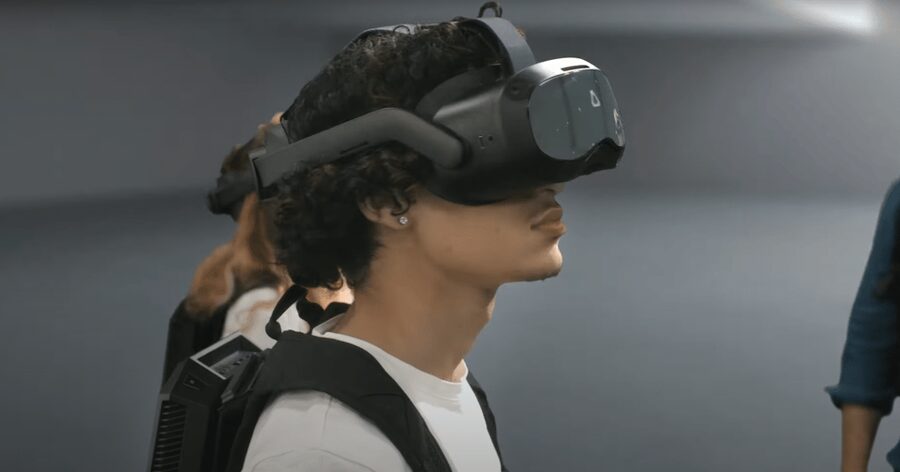
- From Giza Plateau to inside Khufu’s Pyramid: you move through both the exterior and interior spaces
- A 45-minute headset experience: long enough to feel like a journey, not just a quick demo
- Reconstructed corridors, chambers, and hidden spaces supported by historical expertise
- Cinematic sound and atmospheric lighting that make the visuals feel more believable
- Great rainy-day and hot-day plan: fully indoors in Lyon
- Strong value for the time at about $34 per person, with a 1-hour slot overall
Step Into Khufu’s Pyramid From Lyon’s VR Room
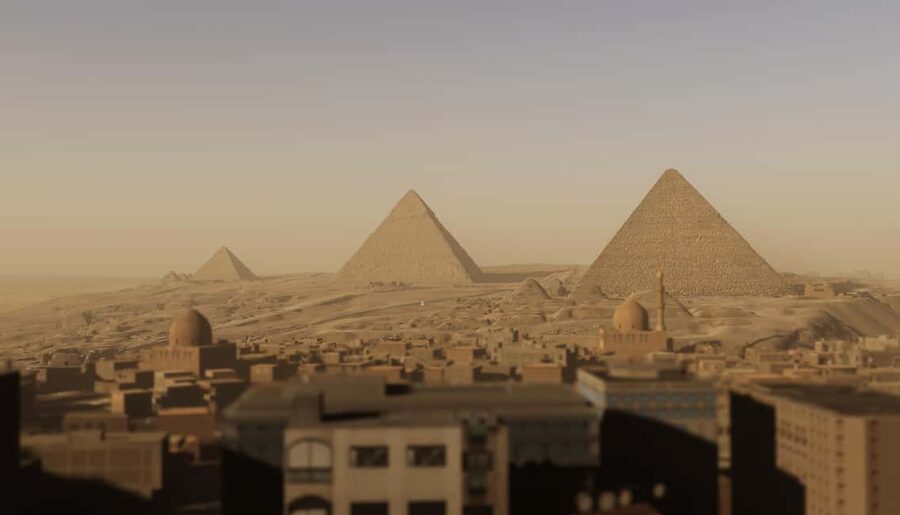
This is one of those rare activities in Lyon that feels like a mini-escape to another continent without leaving the city. The Khéops VR Experience (run by Eclipso) focuses on a single goal: get you standing at the foot of the Great Pyramid of Khufu, then keep you moving until you’re inside.
You don’t “watch” this one. You explore. That difference matters. Museums can show you the pyramid, but VR helps your brain understand distance and geometry because you’re walking around in a 360° environment. It’s a very practical way to understand why those monuments were so hard to ignore in real life.
The whole thing is designed for easy follow-along, too. You get a short introduction first so you know what you’re looking at before the headset experience begins. And the team speaks French and English, which makes it feel less like a gimmick and more like a guided cultural visit.
You can also read our reviews of more tours and experiences in Lyon.

What You’ll Do During the 1-Hour Visit (45 Minutes With the Headset)
Your time is set up like a clean “prep + experience” flow. The full booking window is 1 hour, but the actual headset portion is 45 minutes. You’ll also get the essential background up front, so the VR doesn’t float by with no anchors.
In practical terms, think of the visit as two phases:
- a brief orientation with key facts and context
- then the VR journey, where you’re free to look around and walk through the reconstructed spaces
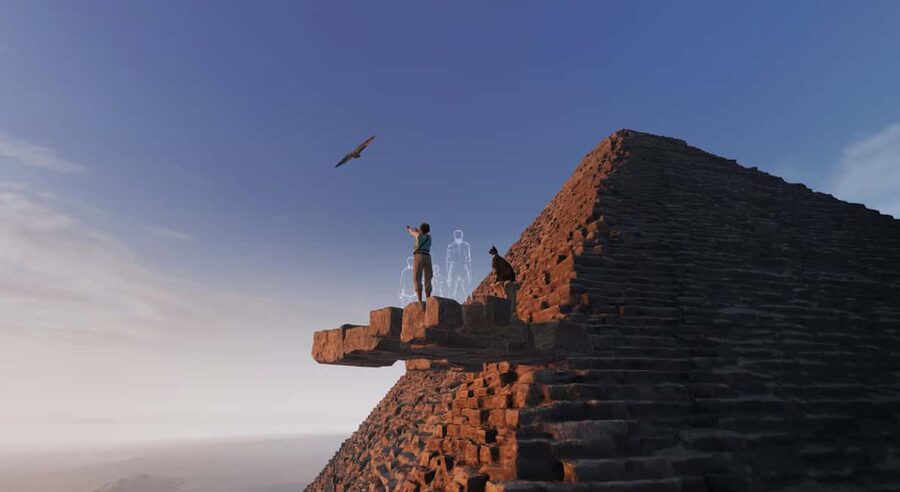
The VR session itself includes both outdoor and indoor chapters. Outdoors, you’re transported to the Giza Plateau and placed at the foot of the Great Pyramid. Indoors, you continue your journey into the pyramid’s internal corridors and chambers, including reconstructed “hidden spaces” that are hard to picture from photos and museum diagrams.
That structure is smart. It builds understanding step by step: scale first, then layout.
The Giza Plateau 360° Experience: Scale You Can Actually Feel

The outdoor section is where the experience quietly earns its keep. A Great Pyramid photo can be dramatic, but it also hides one of the biggest challenges in understanding ancient architecture: your sense of proportion.
In VR, you’re standing in a 360° recreation of the site. You can look around, find sightlines, and notice how massive the pyramid is compared to the space around it. That physical relationship—monument versus open ground—is the kind of thing that’s hard to learn from captions alone.
You’ll also pick up details that are almost impossible to grasp from a distance. When you can rotate and “step closer,” architectural features stop being abstract. They become objects in space, which helps the story stick.
This is also the part that tends to work for people who aren’t “history buffs.” Even if you don’t know your Fourth Dynasty from your Old Kingdom, you still understand scale instantly. You just feel the monument.
Inside Khufu’s Pyramid: Corridors, Chambers, and Hidden Spaces
Then comes the part people talk about because it feels like a boundary gets crossed. You go from the plateau into the interior of Khufu’s pyramid, exploring corridors, chambers, and reconstructed hidden areas.
This is where the experience is more than a visual trick. VR turns the pyramid’s layout into something you navigate. You’re not seeing a flat diagram; you’re experiencing movement. That helps you understand how a building meant for power, worship, and construction logic can also be confusing and layered.
It also helps that the experience is supported by historical expertise. The descriptions emphasize that the corridors and rooms aren’t just made-up scenery. They’re reconstructed with expert help, which gives you a more trustworthy feel while still keeping the experience cinematic.
One practical note: interior VR can make the environment feel darker or tighter than you expect, especially since the experience uses atmospheric lighting and realistic sound design. If you’re prone to feeling a little tense in enclosed spaces, this might be the section to take a steady pace through rather than trying to rush.
Sound, Lighting, and Motion: The Tech Part That Makes It Believable
Plenty of VR is flashy but forgettable. This one tries to keep the experience coherent with sound design, atmospheric lighting, and fluid motion.
Sound matters more than people think. When audio shifts with your movement and changes as you enter different spaces, your brain starts to treat the setting like a real place. Lighting works the same way: it guides where to look and how to read the space.
Motion is also a key factor for comfort. The experience uses fluid motion, which usually helps reduce the “toy-like” feeling. You still should treat VR like a physical experience, though—hold onto the moment, don’t yank your head around, and follow staff guidance.
When the audio and lighting are done well, you stop thinking about the headset and start thinking about the monument. That’s when learning becomes easier.
Who This VR Trip Is For (and Who Should Skip It)
This is a flexible plan for Lyon, especially because it’s indoor and runs about an hour. It’s also positioned as family-friendly in concept, but with clear boundaries: it’s not suitable for children under 8.
It’s a good fit if you fall into one of these buckets:
- you like hands-on learning that doesn’t require a museum timeline
- you want something different from standard sightseeing
- you’re traveling with teens who enjoy tech and visual stories
- you’re dealing with rain or heat and want a low-stress indoor plan
It’s not a fit if VR health concerns apply. The experience isn’t suitable for people with heart problems or epilepsy, so if any of that affects you, skip this activity and choose something that doesn’t involve a headset.
As for language, you’ll be fine if you speak French or English, since the host/greeter offers both.
Price and Value: Is $34 for a Pyramid Walk Worth It?
At $34 per person, the pricing isn’t cheap in the “souvenir level” way. But for a one-hour experience with a dedicated headset session, it often makes sense as value.
Here’s why: you’re paying for time, technology, and a guided narrative format. The experience isn’t just a 10-minute VR clip. It’s a 45-minute guided journey that includes both exterior and interior chapters, with sound and lighting built in.
It also tends to feel efficient. You don’t need to plan travel across town, wait for museum hours, or spend half a day piecing together a history route. You get the story in one concentrated session.
One small consideration from real booking feedback: if you’re coming in a group, ask ahead about possible group pricing. A previous group of four noted they wished they’d known sooner about a group rate they could access. That doesn’t mean a discount is guaranteed, but it’s smart to ask if pricing changes with party size.
Timing That Works in Lyon: Rain, Heat, and Tight Schedules
This is the kind of activity that slots into a day without drama. It’s entirely indoors, which makes it especially useful when Lyon weather is doing its best impression of a weather forecast roller coaster.
If you’ve got a tight itinerary, VR can also be a pressure-free add-on. The total slot is 1 hour, and you get a complete narrative arc. No complicated route planning. No “maybe we’ll find a museum nearby.”
That said, don’t treat it like a casual stop you can stroll into late. Since the experience has a set duration and you need time for the intro, it’s best to arrive with enough buffer to get comfortable before the headset part starts.
Comfort and Practical Tips Before You Put on the Headset
Even though the experience is designed to be accessible and guided, your comfort affects how much you enjoy it. The VR session includes motion and enclosed-space moments, so it’s worth doing a quick self-check:
- Wear comfortable clothing you can move in
- If you wear glasses, make sure you know how they fit with the headset
- If you’re sensitive to motion or lighting changes, take it slow during the interior section
Also, pay attention during the short introduction. That intro is doing more than filling time. It gives you names and key facts so you’re not just moving through “cool rooms,” but actually connecting what you see to why it matters.
The Emotional Payoff: Why People Fall for This Kind of Pyramid Story
What makes this VR experience stick is simple: it’s emotional and educational at the same time. You get wonder—standing in front of something that dwarfs you—and you get structure—corridors, chambers, and reconstructions that turn the pyramid into a navigable place.
Museums and films are great, but they don’t make you walk around. Here, you get that instinctive understanding of scale and layout. You leave with images in your head that are easier to recall later.
And because it’s set up for curious explorers, tech-lovers, families, and history fans alike, it works across different learning styles. Some people enjoy it because it’s fun. Others like it because it’s guided. Either way, you come out with a clearer picture of Khufu’s Great Pyramid.
Should You Book the Khéops VR Experience in Lyon?
Book it if you want an indoor, time-efficient way to experience the Great Pyramid—one that lets you look around and move through reconstructed spaces instead of just watching. At $34, you’re paying for a real guided VR journey lasting 45 minutes, with cinematic sound and lighting that makes the setting feel believable.
Skip it if you’re in the “VR isn’t for me” category due to health reasons (especially epilepsy or heart problems) or if you’re traveling with children under 8.
If you’re traveling with a small group, it’s also smart to ask about group pricing before you commit—one earlier booking suggested that kind of discount existed for a party of four, but the group didn’t learn about it until after the fact.
If your goal is memorable, practical, and different from the usual Lyon day, this is a strong pick.
FAQ
How long is the Khéops VR Experience in Lyon?
The total visit is about 1 hour, and the virtual reality experience with the headset lasts 45 minutes.
How much does the VR experience cost?
The price is listed at $34 per person.
Where does the experience take place?
It takes place in Lyon, in the Auvergne-Rhône-Alpes region of France.
What languages are available?
The host/greeter is available in French and English.
Is this activity indoors?
Yes. The VR experience takes place entirely indoors, which makes it a good option on rainy or hot days.
What do I see during the VR experience?
You’ll visit a 360° recreation of the Giza Plateau, stand at the foot of the Great Pyramid of Khufu, and then continue inside the pyramid to explore reconstructed corridors, chambers, and hidden spaces.
How accessible is it for wheelchair users?
It is listed as wheelchair accessible.
Is it suitable for young children?
No. It’s not suitable for children under 8 years old.
Who should not attend?
It’s not suitable for people with heart problems or epilepsy.
What’s the cancellation policy and can I pay later?
You can cancel up to 24 hours in advance for a full refund, and there’s a reserve now & pay later option available.