REVIEW · SENGLEA
Malta Historical Tour: Valletta & The Three Cities
Book on GetYourGuide →Operated by Meet Garage Ltd · Bookable on GetYourGuide
Valletta and the Three Cities feel like one story. In four hours, you’ll get anchored in Valletta and look out over Grand Harbour like locals do, with time to walk and take photos. I like how this isn’t a “stand here, look there” tour; it’s designed for real strolling.
Two highlights hit hard for me. First, St John’s Co-Cathedral is the kind of interior that makes you pause mid-sentence, even if you don’t plan on a long museum-style visit. Second, the Three Cities—Birgu (Vittoriosa), Bormla (Cospicua), and Senglea (Isla)—turn the day into an easy history-meets-streets experience.
One thing to consider: your guide-style experience can vary. The tour is described as an English driver with a private-group setup, but if you care a lot about live commentary and a strict, complete route, it’s worth confirming the plan—also remember that entrance fees aren’t included.
In This Review
- Key points to know before you go
- How the 4-hour route works (and how to get the most out of it)
- Valletta’s fortified Baroque core: your first orientation stop
- St John’s Co-Cathedral: why it’s the one interior stop worth planning for
- Upper Barrakka Gardens and the Grand Harbour view that ties the whole day together
- Crossing to the Three Cities: Birgu, Cospicua, and Senglea by feel
- Fort St. Angelo: the defense story in stone
- The Inquisitor’s Palace: where politics and religion intersect
- Il-Gardiola Gardens: the slower pause you’ll be glad you get
- Price and value for a private 4-hour tour
- Who this tour is best for (and who should pick something else)
- Rain-or-shine practical tips (so the day feels easy)
- Should you book Malta’s Valletta & the Three Cities tour?
- FAQ
- How long is the Malta Historical Tour: Valletta & The Three Cities?
- Where does the tour start?
- Is hotel pickup and drop-off included?
- Who provides the tour, and what language is it in?
- Is this a private tour?
- Is the tour wheelchair accessible?
- Are entrance fees included?
- Does the tour run in bad weather?
- Is there free cancellation, and can I pay later?
Key points to know before you go
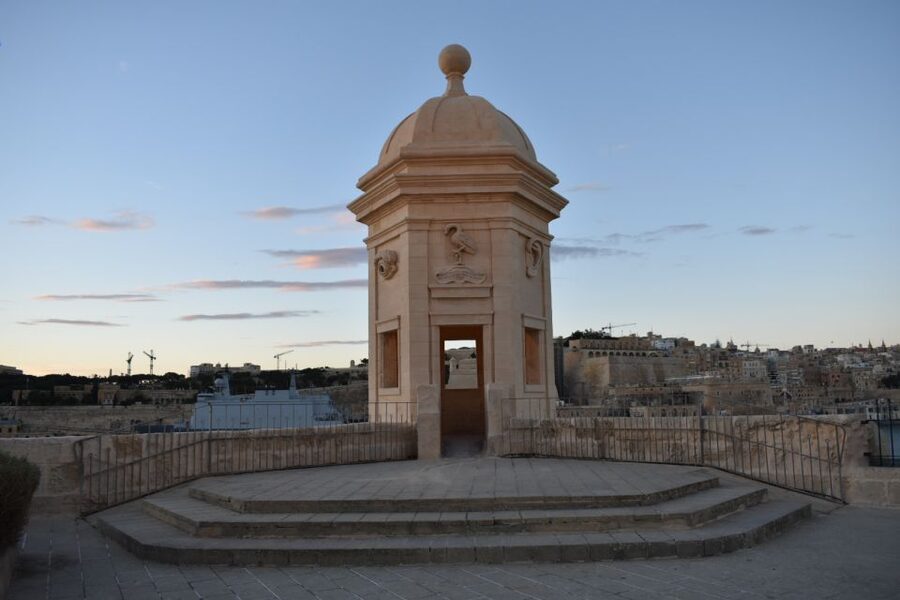
- Upper Barrakka Gardens is built for the big Grand Harbour view and a quick photo win.
- Valletta’s working streets mean you’ll see everyday Malta, not a sealed-off monument zone.
- Birgu, Cospicua, and Senglea connect by short drives and longer medieval-street walks.
- Fort St. Angelo and the Inquisitor’s Palace give you the “who held power here” angle.
- Meet Garage pickup is included, with the driver holding a Meet Garage sign.
How the 4-hour route works (and how to get the most out of it)
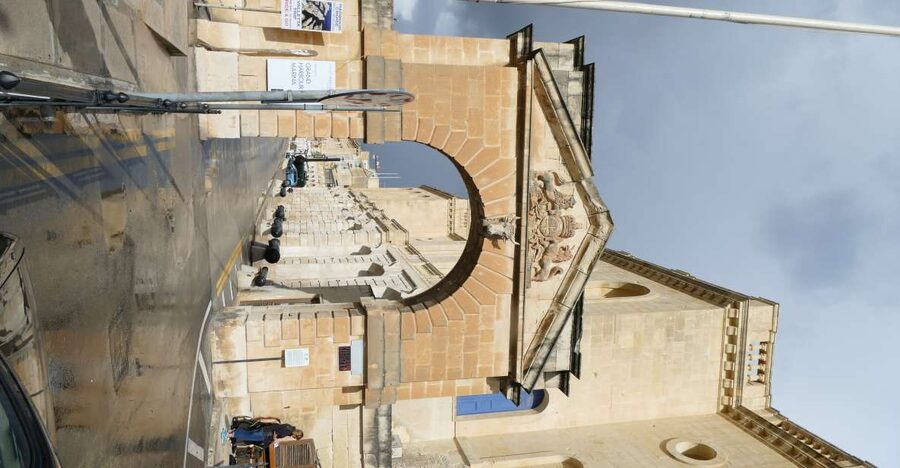
This tour is short by design: about four hours, starting in Valletta and then shifting across the Grand Harbour to the Three Cities. You’ll move by car between areas, but the sightseeing time is meant to feel like walking a neighborhood rather than racing through stops.
That timing matters because Valletta is dense—packed with churches, palaces, and old town houses—and the Three Cities are made of narrow medieval lanes. If you show up with comfortable shoes and a phone ready for photos, you’ll feel like you “get” Malta’s geography quickly: where the fortifications sit, where the harbor-facing viewpoints are, and why these places grew the way they did.
Because this is a private-group format for 2 to 19 people, the experience can feel more flexible than a large coach tour. Still, keep expectations realistic: the day is structured around a set of major sights, and entrance tickets are separate.
Valletta’s fortified Baroque core: your first orientation stop
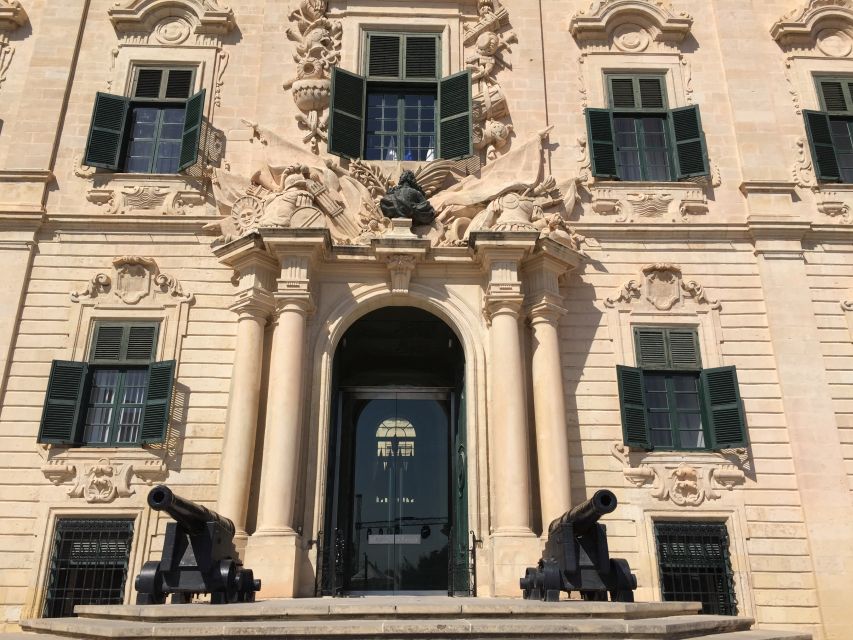
Valletta is the starting point, built in the 16th century under Grand Master Jean Parisot de la Valette (the city’s name comes from him). It’s a fortified, Baroque city layout, and the best part is that it still functions as a real place where people live and work.
When you arrive, you’re not just looking at buildings. You’re also learning the “shape” of the city—how the streets funnel you between viewpoints and churches, and how the harbor theme runs through everything. For first-timers, Valletta works like a living introduction to Maltese history: defense first, faith close by, and daily life layered into the same stone.
Practical note: Valletta is pedestrian-heavy, which can feel great for walking, but it also means you may spend more time on foot than you’d expect if you’re used to getting inside multiple attractions. Entrance fees aren’t included, so plan your priorities if you want specific interiors.
St John’s Co-Cathedral: why it’s the one interior stop worth planning for
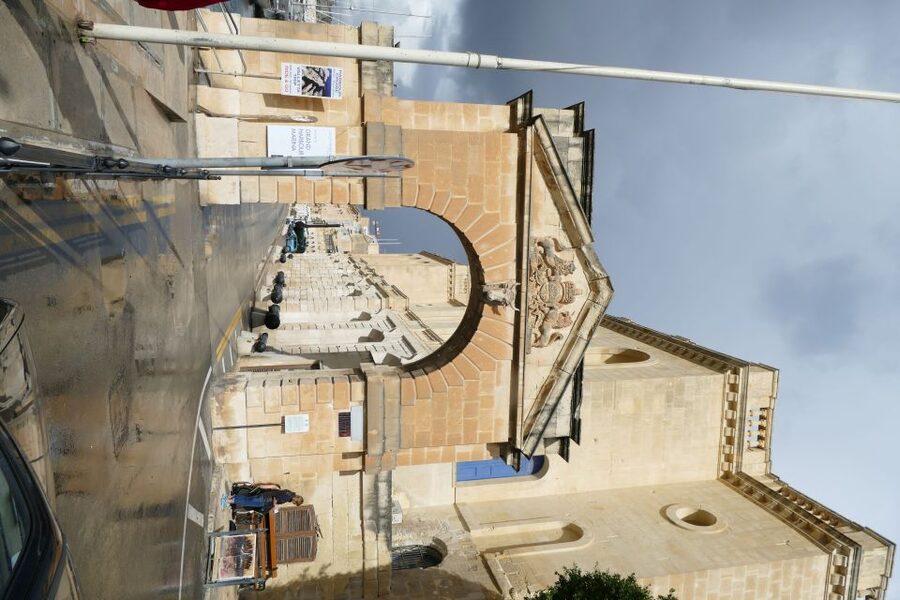
St John’s Co-Cathedral is one of those “put it on your mental top tier” places in Malta. Even if your route is moving fast, it’s the kind of church you’ll remember because it has that strong, unmistakable identity—so distinctive it’s hard to reduce to a quick glance.
The tour highlights St John’s Co-Cathedral as a must-see, and that makes sense: it’s not just pretty architecture. It connects to the broader story of the island’s power centers, when religious and military life were tightly linked.
If you’re the type who likes to understand what you’re looking at, this is where you’ll benefit most from any on-the-ground explanation you receive. If your guide-driver’s narration is limited, still plan to spend a little unhurried time just inside or just at the threshold, to catch the details before you move on.
Upper Barrakka Gardens and the Grand Harbour view that ties the whole day together
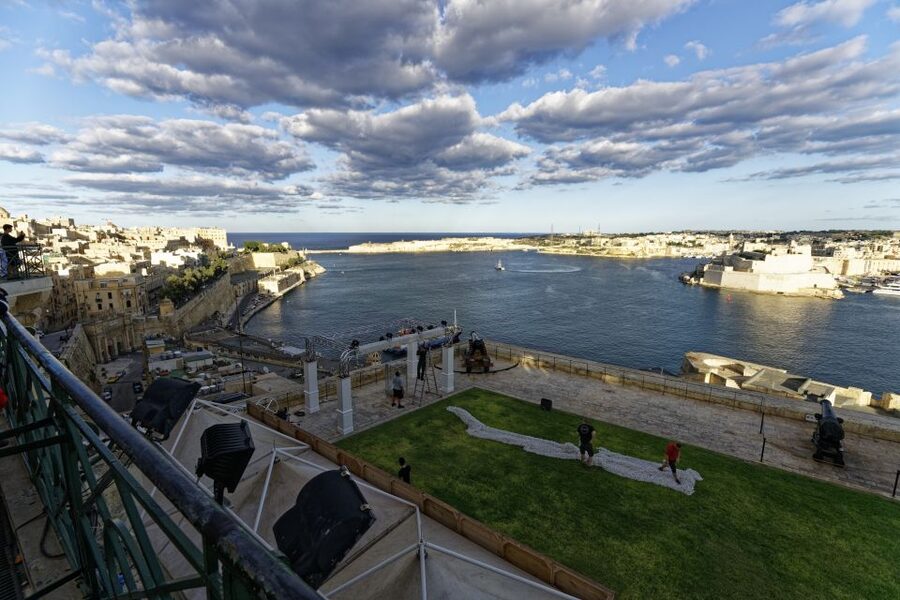
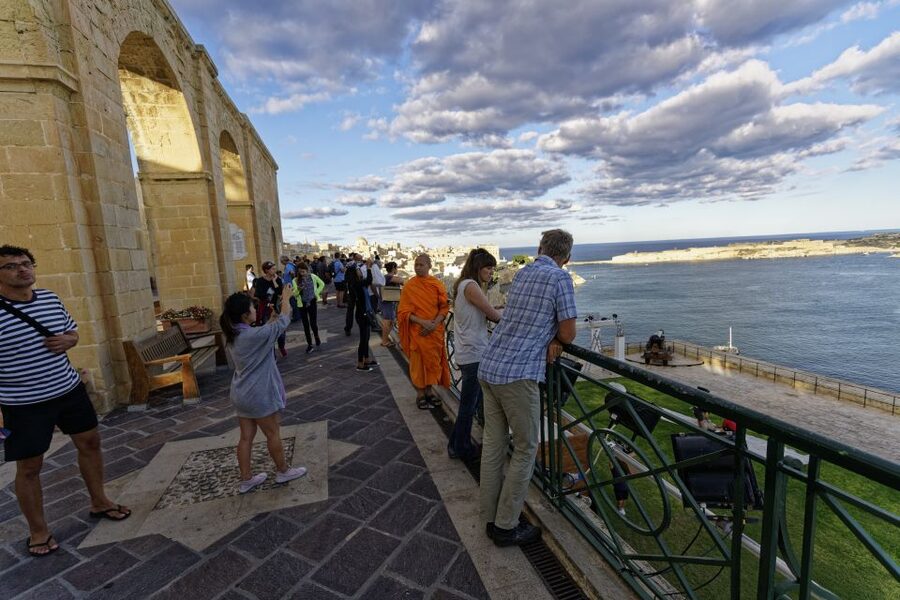
After Valletta, the tour focuses on a key viewpoint: Upper Barrakka Gardens. This is where you see the Grand Harbour in a way that makes the rest of the itinerary click.
Here’s the value: the Three Cities are on the opposite side of the harbor, and seeing the water and fortifications from above helps you understand why those cities mattered. You’re not just learning names like Birgu or Senglea—you’re connecting them to the harbor’s geography and strategic importance.
For photo and video lovers, Upper Barrakka Gardens is efficient. You get a dramatic vantage point without needing to hike, and you can frame shots that show the harbor as a working space rather than a postcard backdrop.
Crossing to the Three Cities: Birgu, Cospicua, and Senglea by feel
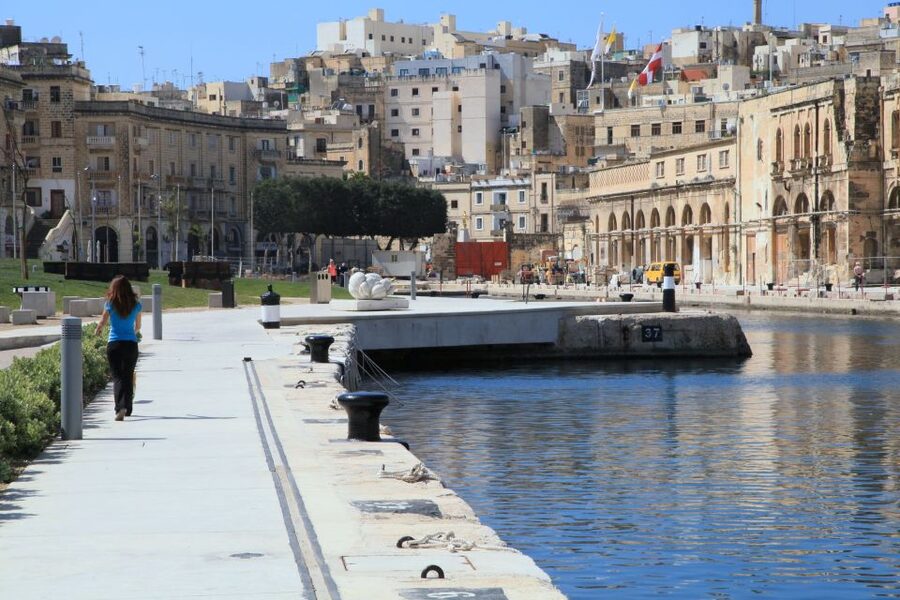
Once you leave Valletta, you drive to the other side of the Grand Harbour to visit the Three Cities: Birgu (Vittoriosa), Cospicua (Bormla), and Isla (Senglea). The shift is immediately noticeable in the atmosphere: you go from Valletta’s grand fortified feel to older streets that feel more “lived in” and tight.
One of the most enjoyable parts of this section is the medieval street pattern. The narrow lanes create short bursts of discovery—turn a corner and suddenly the streets open toward stone facades, harbor hints, or small squares. It’s a walking style that rewards slow attention even though your time is limited.
Each city has its own flavor, but the real payoff is seeing them as a single connected area across the water. You start to understand why the harbor wasn’t just commerce—it was defense, too.
Fort St. Angelo: the defense story in stone
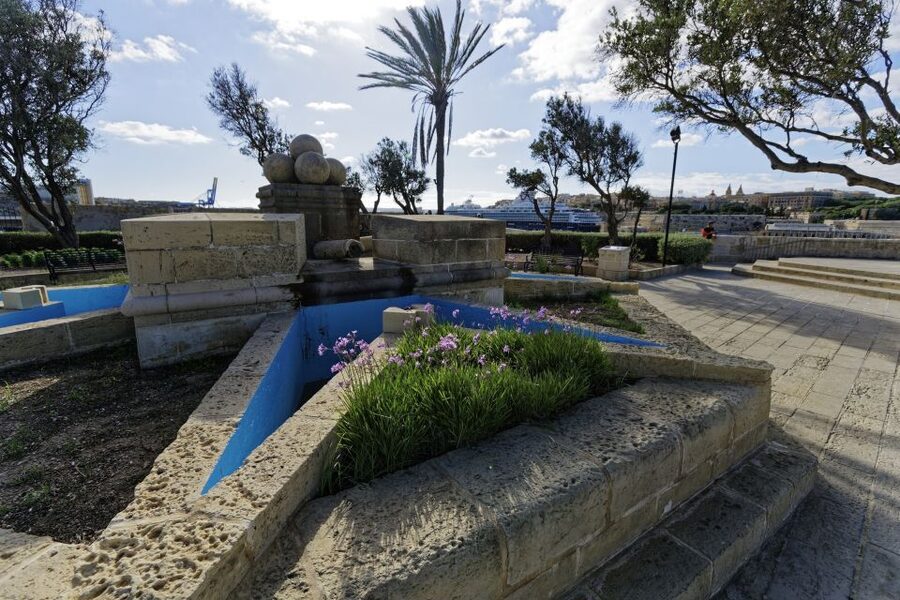
Fort St. Angelo is one of the main sights tied to this area’s fortifications. If you want to grasp Malta’s defensive logic without reading a book, this is the kind of stop that helps.
Even when you’re only there for a short stretch, the fortification focus gives you context for everything else you’ve seen. Valletta explains where power sat; the harbor view explains the stakes; Fort St. Angelo shows the “how they protected it” side of the story.
This is also a great stop for photos, because forts naturally create angles—borders between sea and stone, layers of buildings, and wide sightlines where your camera can do real work.
The Inquisitor’s Palace: where politics and religion intersect
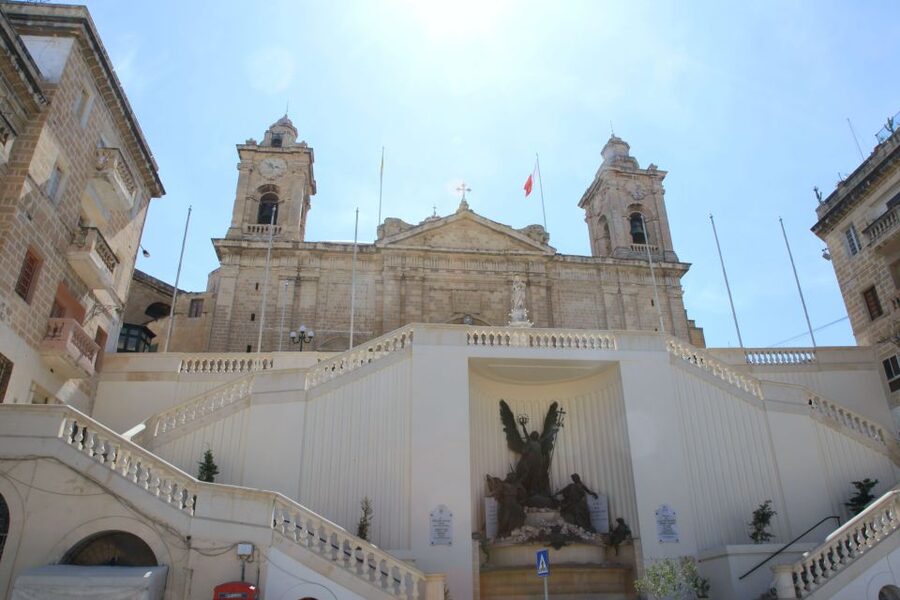
Another highlight on the Three Cities side is the Inquisitor’s Palace. This stop adds a different flavor to the day: not just defense and architecture, but governance and the island’s institutional power.
The value here is perspective. Valletta’s churches and forts tell one layer of the story; the Inquisitor’s Palace explains another. Put together, the day becomes less about isolated landmarks and more about how control worked—socially, politically, and religiously—during key periods in Maltese life.
If you like history with a strong sense of cause and effect, this is the moment where you’ll probably feel the itinerary “make sense.” You’re still walking streets, but now you’re also mentally mapping systems of power behind the scenes.
Il-Gardiola Gardens: the slower pause you’ll be glad you get
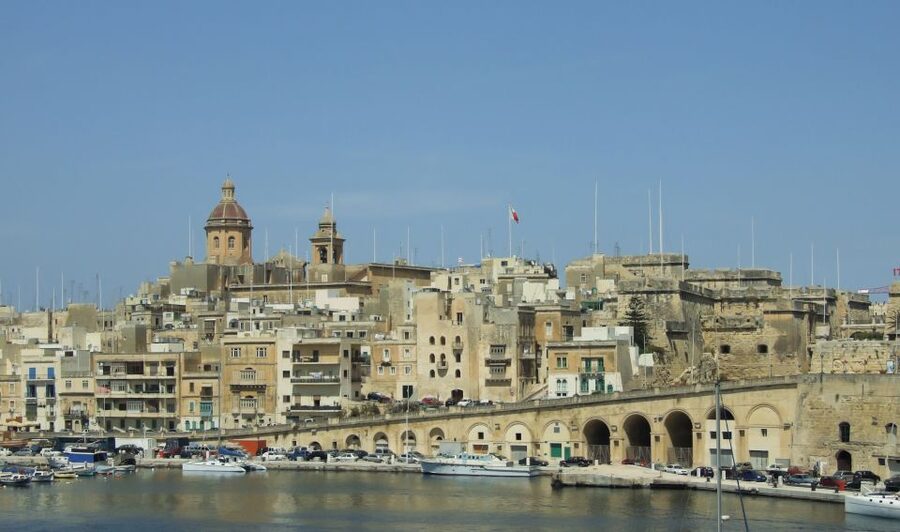
After forts and palaces, the tour includes Il-Gardiola Gardens. This is a smart pacing choice, because gardens give you a breather from stone walls, stairs, and tight medieval streets.
I like this kind of ending slot because it lets you reset your senses. You can regroup, download photos, and take a few minutes just to look out and breathe, rather than feeling like every moment is another doorway and another ticket line.
Even if you’re not a “gardens person,” you’ll likely enjoy the function: it gives the day a natural rhythm and prevents the sightseeing from turning into a nonstop blur.
Price and value for a private 4-hour tour
The listed price is $148 per group up to 4, with a duration of about four hours. That’s a useful way to judge value because you’re not paying per person on a big group bus; you’re paying for a private-format experience with hotel/location pickup and drop-off included.
Here’s what you’re getting for your money:
- Pickup and drop-off from your hotel or location (driver holding a Meet Garage sign)
- A focused route through Valletta plus the Three Cities
- Major, high-recognition stops tied to the harbor and fortification story
- Good opportunities for photo and video
What’s not included is important: food and drinks and entrance fees. If you want to pay for multiple interiors, you should budget extra so the day doesn’t surprise you at the cashier.
Also, the tour is private and runs for a group size that can go up to 19. If you’re traveling with family or a small circle of friends, this structure can be excellent value—especially when pickup/drop-off saves time in a place where getting around can be slower than you expect on foot.
Who this tour is best for (and who should pick something else)
You’ll probably love this tour if:
- You’re short on time and want a fast, organized introduction to Valletta and the Three Cities
- You care about harbor viewpoints and fortification-linked history
- You like photography and want designated spots like Upper Barrakka Gardens
- You prefer a private format where you can move at a human pace
You might want to think twice if:
- You expect heavy, continuous narration at every stop. The tour is described with an English driver, but one of the key real-world risks is inconsistency in commentary.
- You want a long, fully interior, museum-style experience. Entrance fees aren’t included, and the itinerary is built around key stops rather than extended inside-the-building time.
Rain-or-shine practical tips (so the day feels easy)
This tour runs rain or shine, so plan for weather that can shift quickly. Bring comfortable shoes because you’ll be walking medieval streets and uneven old-city surfaces.
A camera and a charged smartphone are worth it, especially for the harbor viewpoints and tight street compositions. A hat is also smart if the day turns sunny, because stone cities can feel like ovens.
One more small but real tip: this tour is not set up for eating/drinking on-site during the main blocks. Since food and drinks aren’t included, eat beforehand or plan a stop later so you’re not distracted by hunger mid-walk.
Finally, note the vehicle rule: alcohol and drugs aren’t allowed, and alcoholic drinks aren’t permitted in the vehicle. Keep the day focused and you’ll avoid awkward moments.
Should you book Malta’s Valletta & the Three Cities tour?
I’d book it if you want a concentrated, 4-hour overview that connects Valletta’s fortifications and churches to the Three Cities across the Grand Harbour. The itinerary’s structure—Valletta first, then Birgu/Cospicua/Senglea—helps you build a mental map quickly, and the inclusion of Upper Barrakka Gardens is the kind of practical planning that makes photos and understanding both easy.
I’d be cautious if you’re very sensitive to narration quality or you need a strict, fully guaranteed route with all three cities and lots of interior time. In that case, I’d confirm details before you go and set your priorities: views, street walking, and major landmarks like Fort St. Angelo and the Inquisitor’s Palace.
If you choose this one, go in with the right mindset: it’s a focused highlights tour designed to help you see Malta’s “defense and faith” story from the harbor outward.
FAQ
How long is the Malta Historical Tour: Valletta & The Three Cities?
The tour duration is 4 hours.
Where does the tour start?
It starts in Valletta, Malta’s capital city, in the fortified Baroque area.
Is hotel pickup and drop-off included?
Yes. The driver picks you up from your hotel or location lobby/front and drops you off after the tour.
Who provides the tour, and what language is it in?
The driver is English-speaking.
Is this a private tour?
Yes. It’s a private group tour, designed for 2 to 19 people.
Is the tour wheelchair accessible?
Yes, the activity is listed as wheelchair accessible.
Are entrance fees included?
No. Entrance fees are not included.
Does the tour run in bad weather?
Yes. It takes place rain or shine.
Is there free cancellation, and can I pay later?
You can cancel up to 24 hours in advance for a full refund, and there is a reserve now & pay later option.