REVIEW · KUTAISI
Kutaisi: Bagrati & Motsameta Religious Heritage Tour
Book on GetYourGuide →Operated by Megobari Tours · Bookable on GetYourGuide
Kutaisi can feel like it runs on layers: old faith, old stone, and new restoration work. This short religious heritage tour brings it into focus with a tight route, a friendly English-speaking guide, and church stops that actually make Georgia’s Christian story make sense.
I especially love how you get real medieval architecture at Bagrati Cathedral, then jump to the Church of the Annunciation where Catholic and Orthodox traditions share the same building story. The guide also keeps the pace human, which matters when you’re walking between hilltop viewpoints and a monastery above the river.
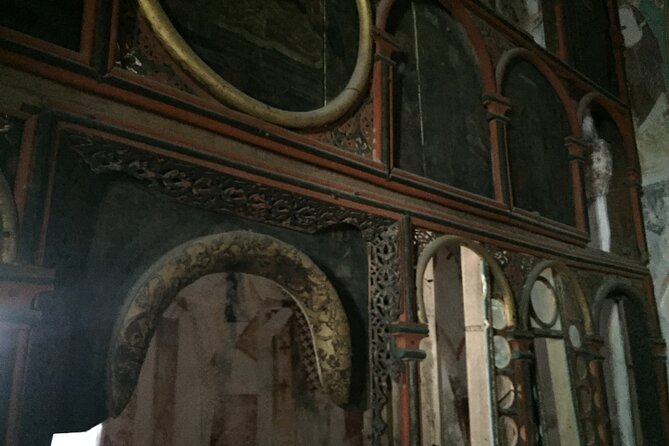
One consideration: the tour notes that Gelati Monastery is under major reconstruction, with much of the complex covered and frescoes not clearly visible. So if you’re hoping to see Gelati artwork on this day, plan for disappointment and expect this outing to stay focused on Bagrati and Motsameta.
In This Review
- Key Highlights You’ll Care About
- Kutaisi in Two Hours: What This Small-Group Loop Includes
- Bagrati Cathedral on Its Hill: Medieval Georgian Stone With Real Context
- The Church of the Annunciation (1823): How Catholic and Orthodox History Share One Building
- Ukimerioni Hill Panorama: The Fast Way to Get Oriented in Kutaisi
- Motsameta Monastery Above the Tskaltsitela River: Martyrs, Legends, and Quiet Views
- Your Guide Matters: Clear Storytelling Even in Cold, Wet Weather
- What to Wear and Bring for Kutaisi Churches
- Price and Logistics: Is $18 Worth It?
- Who This Tour Suits Best (and Who Might Want Something Different)
- Should You Book the Kutaisi Bagrati & Motsameta Tour?
- FAQ
- FAQ
- Where is the meeting point for the tour?
- How long is the Kutaisi Bagrati & Motsameta tour?
- What is included in the price?
- Is food or drinks included?
- How large is the group?
- Does the tour include a panoramic view from Ukimerioni hill?
- Do I need to bring a headscarf?
- Is Gelati Monastery fully accessible right now?
Key Highlights You’ll Care About
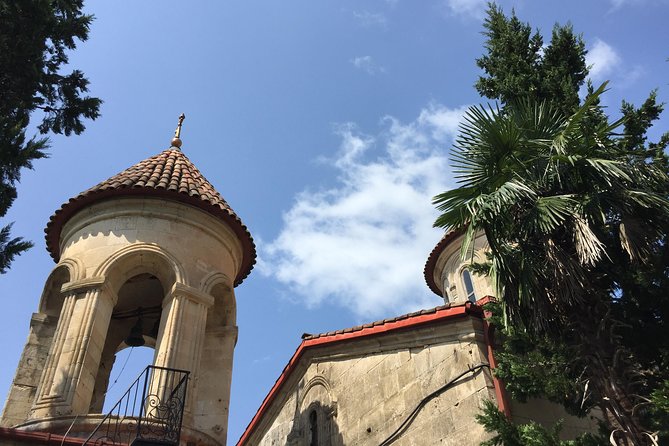
- Bagrati Cathedral hilltop views that help you understand Kutaisi fast
- A Catholic-Orthodox crossover at the Church of the Annunciation (built 1823 in Baroque style)
- Ukimerioni hill panoramas for a quick big-picture view of the city
- Motsameta’s riverside setting above the Tskaltsitela River
- The legend of David and Konstantine told in context, not just as folklore
- Small group size (7 max) for easier questions and a comfortable pace
Kutaisi in Two Hours: What This Small-Group Loop Includes
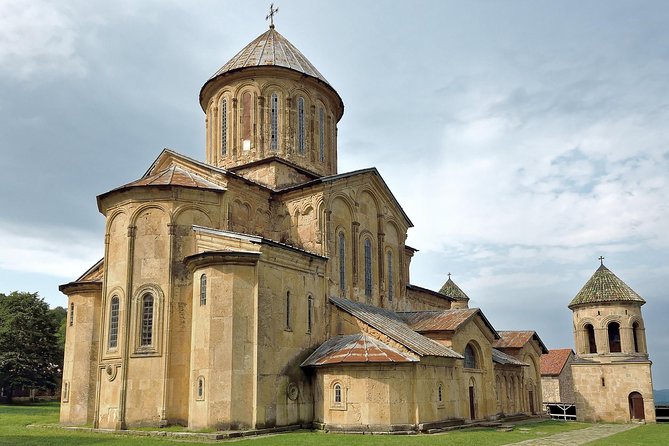
This is a 2-hour heritage route designed for visitors who want the big religious landmarks without spending half a day in transit. You’ll be in a small group of up to 7 people, and you’ll have transportation plus an English speaking guide. With that setup, the day stays simple: you meet in Kutaisi Central Park, visit the key sites, and return to Kutaisi after the tour.
At $18 per person, the value comes from two things: you’re paying for guided interpretation and local logistics, not just entry to a couple of buildings. The itinerary is tight, which means you get context for the main stops—Christian Orthodox tradition, Georgian medieval architecture, and the way religious identity shifted over time—without dragging the schedule.
A small but important practical note: food and drinks aren’t included. I recommend you carry water, especially because parts of the route are outdoors and church visits can run a bit longer when you’re stopping for explanations.
You can also read our reviews of more tours and experiences in Kutaisi.
Bagrati Cathedral on Its Hill: Medieval Georgian Stone With Real Context
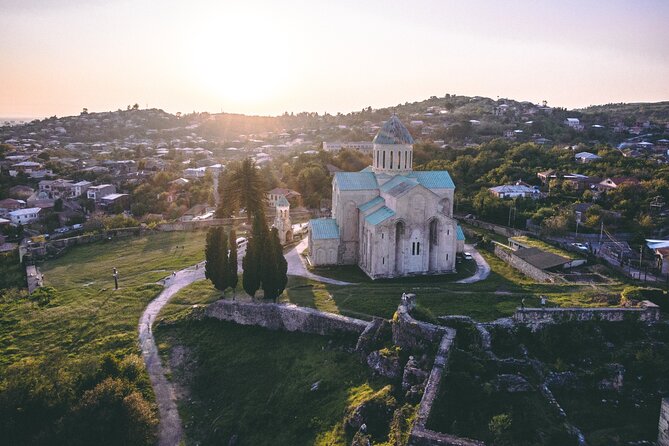
Bagrati Cathedral is the place you start if you want to understand why Kutaisi matters. It’s a symbol of the city and one of the most important examples of medieval Georgian architecture, so it’s not just pretty stone—it’s a reference point.
The cathedral sits up on a hill, and that elevation pays off. You get sweeping views over Kutaisi, which helps you map where everything is and why the city’s older districts cluster where they do. When you see a building like this in person, the geography stops being background and becomes part of the story.
You’ll also hear about its restoration—centuries of destruction and change followed by careful rebuilding. That’s valuable because many visitors come in expecting a museum-perfect monument. Instead, you’ll learn how heritage is an ongoing process: the church survived, got damaged, then was restored so it could keep meaning for people today.
A quick consideration: church interiors can involve stairs and uneven surfaces. If you’re wearing uncomfortable shoes, you’ll feel it when the guide moves the group between viewpoints and doorways.
The Church of the Annunciation (1823): How Catholic and Orthodox History Share One Building
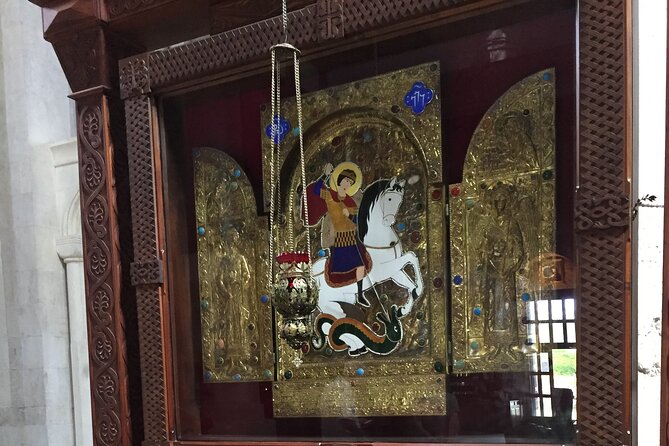
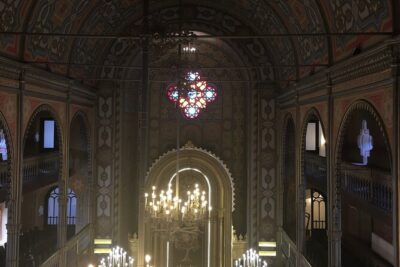
After Bagrati, you move to the Church of the Annunciation, which is one of the most interesting stops on the route because it doesn’t fit neatly into a single religious label.
This church was built in 1823 in the Baroque style and it sits on the site of an earlier royal chapel. That alone is a clue you’re looking at layers of power and patronage—churches like this weren’t only spiritual centers; they also reflected who had influence and what they wanted to project.
Here’s the part that makes it more than architecture: it served Kutaisi’s Catholic community, and then in 1989 it returned to the Orthodox Church. In other words, the building’s identity shifted with time, politics, and community needs. Standing there, you get a better sense of how Georgia’s western regions can hold different Christian threads in the same place.
What to watch for: the church’s elegant proportions and architectural details. The guide will point out elements you might miss if you treat it like just another church. You’ll leave with a clearer idea of how art styles—especially Baroque—found a home in Georgian settings.
Ukimerioni Hill Panorama: The Fast Way to Get Oriented in Kutaisi
The tour’s highlights include a panoramic view of Kutaisi from Ukimerioni hill. This kind of stop might sound optional, but it’s actually useful. When you see the city from above, everything you just learned clicks into place.
Think of it as your visual anchor. After the hilltop of Bagrati and the later monastery setting, the city panorama helps you understand the bigger layout—where the river systems run, where neighborhoods spread, and how Kutaisi’s older landmarks connect through geography.
If the weather is cloudy or rainy, the view may be less dramatic than in clear conditions, but you still get the orientation benefit. And if you’ve ever walked around a city without a map, you already know the value of one good viewpoint early on.
Motsameta Monastery Above the Tskaltsitela River: Martyrs, Legends, and Quiet Views
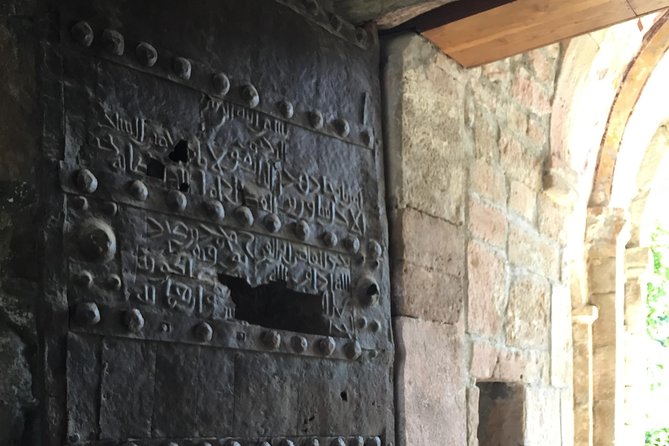
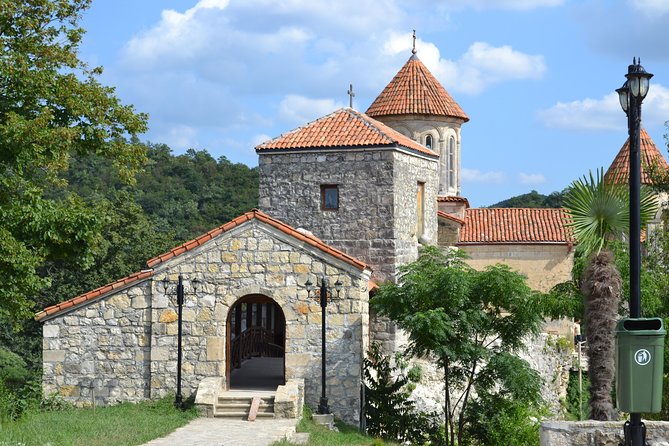
Next comes Motsameta Monastery, perched above the Tskaltsitela River. This stop feels calmer than the city churches. The setting does a lot of work here: you’re on a slope with the river below, and that height creates a sense of separation from street noise.
The guide shares the legend of the brothers David and Konstantine, who were martyred for their faith. What matters is how the story is told. You don’t get it as a disconnected myth; you get it as part of understanding why places like this were remembered, visited, and protected.
There’s also a practical payoff: you’ll enjoy the peaceful atmosphere and the surrounding views from the monastery area. Even if you’re not a “monastery person,” the combination of setting plus story makes the stop memorable.
One more note: because this is an outdoor-feeling site with river-adjacent terrain, bring water and take your time on foot. It’s not a long hike, but you’re walking on monastery grounds where surfaces can vary.
Your Guide Matters: Clear Storytelling Even in Cold, Wet Weather
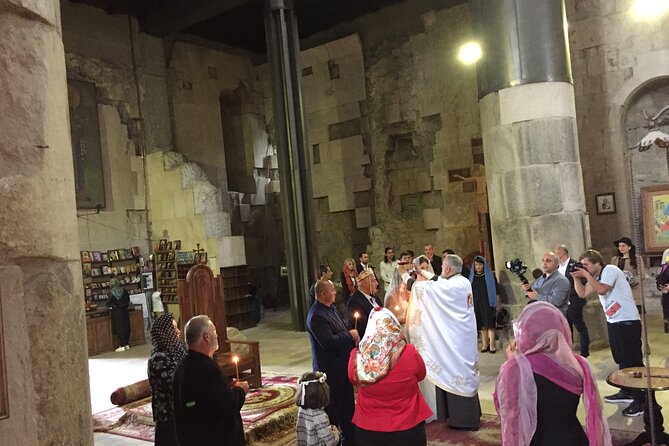
A theme you’ll likely hear from people who do this tour is that the guide makes the difference. Guides connected with this experience—like Eva and Alex—are known for keeping the explanations clear and human, even when conditions aren’t perfect.
That matters more than it sounds. Religious heritage tours can easily turn into a speech that drags on. Here, the structure keeps things moving: each stop connects to the next, and you don’t drown in extra details. You get the essentials, plus the little context points that make the churches feel alive instead of distant.
In short: when the weather turns, you still get a warm, focused experience because the guide keeps things organized and story-driven.
What to Wear and Bring for Kutaisi Churches
Georgia’s churches come with practical rules, and following them keeps your visit smooth.
Bring:
- Water
- Headscarf
Dress code basics:
- Women should cover their hair while visiting churches
- Men should remove caps/hats when visiting churches
- Preferably don’t wear shorts (for men & women)
- There are headscarves and wraps in most churches, but you’ll feel more comfortable if you bring your own
I also recommend you wear layers. Even on mild days, church areas can feel cooler than the streets, and parts of the route are outdoors.
If you go prepared, you won’t waste time rummaging in your bag while the group gets moving.
Price and Logistics: Is $18 Worth It?
Yes, if your goal is smart, guided coverage in a short window.
For $18, you get:
- A 2-hour curated route
- Transportation
- An English-speaking guide
- A small group (7 max)
The “value” part isn’t just the price tag. It’s that the guide explains the meaning behind what you’re seeing: restoration at Bagrati, why the Annunciation church’s Catholic-to-Orthodox shift matters, and how the Motsameta legends connect to Christian tradition.
If you tried to stitch this together yourself, you’d spend time figuring out routing and you’d probably miss the interpretive layer that makes the stops click. That’s why a guided loop—even a short one—can be the cheaper feeling option.
Who This Tour Suits Best (and Who Might Want Something Different)
This tour fits well if you:
- Want big landmarks in a short time
- Like your religious history explained without getting lost in facts
- Prefer a small group where you can ask questions
- Enjoy hilltop views and church architecture, not just quick photos
It might be less ideal if you want:
- A longer, slower walk with lots of additional sites
- A flexible itinerary where you pick what to see next, site-by-site
- A guaranteed full day that includes other major complexes beyond Bagrati and Motsameta
Also, remember the note about Gelati Monastery being under major reconstruction. If you’re traveling specifically for Gelati fresco viewing, this setup won’t satisfy that expectation right now.
Should You Book the Kutaisi Bagrati & Motsameta Tour?
If you want a compact, guided introduction to Kutaisi’s religious heritage, I think this is an easy yes. The combination of Bagrati Cathedral, the Annunciation church’s cross-tradition story, and the river-and-legend atmosphere at Motsameta gives you variety without exhausting you.
Book it if you appreciate architecture plus story, and if you like the comfort of having a guide handle the connections between stops. Skip or adjust expectations if Gelati frescoes are your top priority, since the information you’ll see signals major reconstruction there.
FAQ
FAQ
Where is the meeting point for the tour?
The guide meets you at Kutaisi Central park columns, in front of the Colchi fountain.
How long is the Kutaisi Bagrati & Motsameta tour?
The duration is 2 hours.
What is included in the price?
It includes transportation and an English speaking guide.
Is food or drinks included?
No, food and drinks are not included.
How large is the group?
The tour is limited to a small group of up to 7 participants.
Does the tour include a panoramic view from Ukimerioni hill?
Yes, the highlights include a panoramic view of Kutaisi from Ukimerioni hill.
Do I need to bring a headscarf?
It’s recommended you bring one, and there are headscarves and wraps in most churches. Women should cover their hair in churches.
Is Gelati Monastery fully accessible right now?
The tour notes that Gelati Monastery is currently under major reconstruction, with much of the site covered and frescoes not clearly visible.