REVIEW · NAXOS
Naxos Mythology & Ancient Sites Tour with Cheese & Wine
Book on Viator →Operated by Naxos Cultural Tours · Bookable on Viator
Few mornings feel this myth-heavy in Naxos. This 4-hour tour links the Temple of Demeter and the Dionysus sanctuary with real stories about food, farming, and ancient life, plus a cheese-and-wine stop. I especially love the way guides use Naxos’ own traditions to make the myths feel practical, and I also like the hands-on tastings that turn Greek mythology into something you can taste. One thing to keep in mind: the schedule is structured, so it is not a sit-back-and-stare day.
I also appreciate the setup. You get private transportation and skip taxi hassle, with the meeting point based in Chora and the tour returning to the same place. With a maximum group size of 12, the experience stays friendly and photo-friendly without feeling like a theme park.
In This Review
- Key things you will remember
- Why this Naxos tour works: myth with a food-and-farming lens
- Getting there without the taxi headache (and why group size matters)
- Temple of Demeter: Persephone, seasons, and Naxian architecture
- Apollo, the Kouros statue, and the classic landmarks you should notice
- Sangri cheese and wine: where food traditions do the explaining
- Naos Tou Dionysou Yria: Dionysus in the vines, olives, and figs
- Brunch included: a smart start before the sites
- Price and value: is $234.57 worth it?
- Which guides you might meet, and why their style matters
- Pacing, photos, and sun: how to plan your morning
- Who should book this tour (and who might not)
- Should you book the Naxos Mythology & Ancient Sites Tour with Cheese & Wine?
Key things you will remember
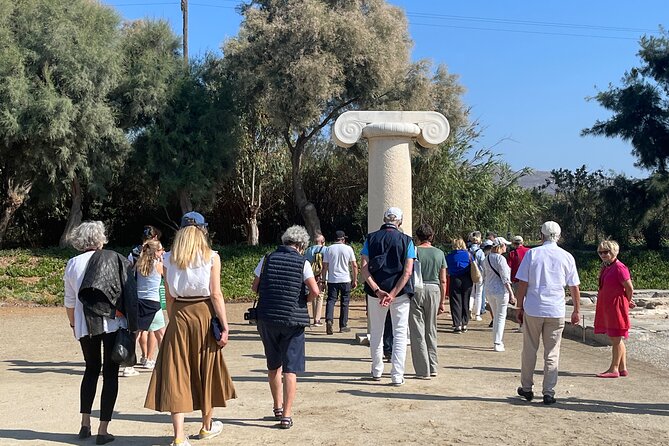
- Temple of Demeter + Persephone context: you get the farming-and-seasonal meaning behind the myth, not just names and dates.
- Cheese and wine in Sangri: myth meets local food traditions at a village-style tasting stop.
- Dionysus at Iria (Naos Tou Dionysou Yria): the sanctuary is set amid vines, olives, and figs, so the story lands faster.
- Brunch included: you start with local flavors instead of hunting for breakfast after a drive.
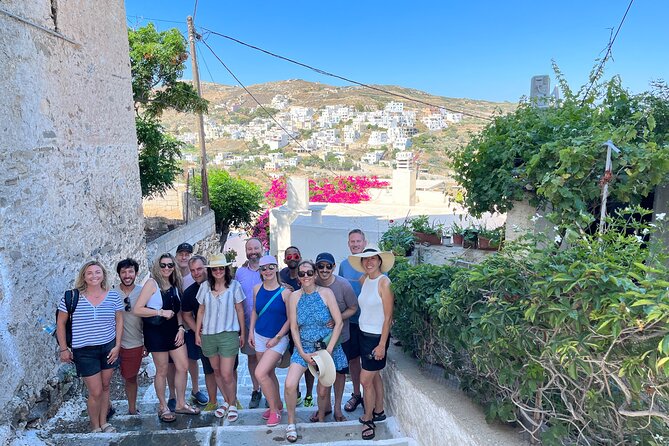
- Small group (max 12) with certified guide: easier questions, better pacing, and more time for photos.
Why this Naxos tour works: myth with a food-and-farming lens
Naxos has plenty of ancient ruins, but most visitors see them like dots on a map. This tour tries something smarter: it ties the gods to how island people actually lived. So you do not just hear about Demeter, Dionysus, and Apollo. You learn why those stories mattered to planting, harvest rhythms, and everyday meals.
That approach makes the sites feel more useful. You walk away with a clearer mental picture of how the Greeks built meaning around the land. And because you also get tastings, you get a second way to remember the day. One moment you are hearing about fertility and rebirth. The next moment you are tasting local cheese and wine and connecting it to traditions tied to food.
Getting there without the taxi headache (and why group size matters)
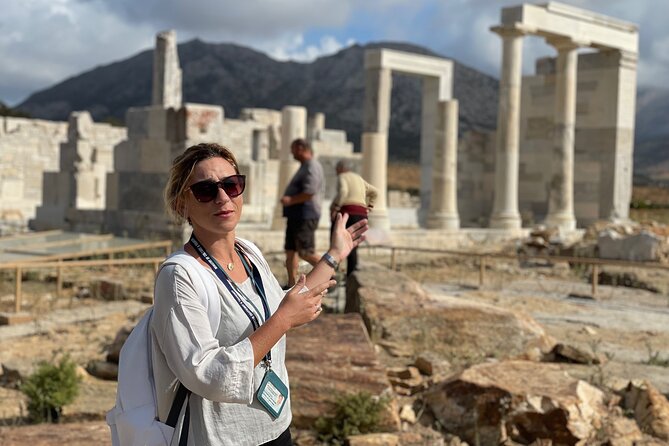
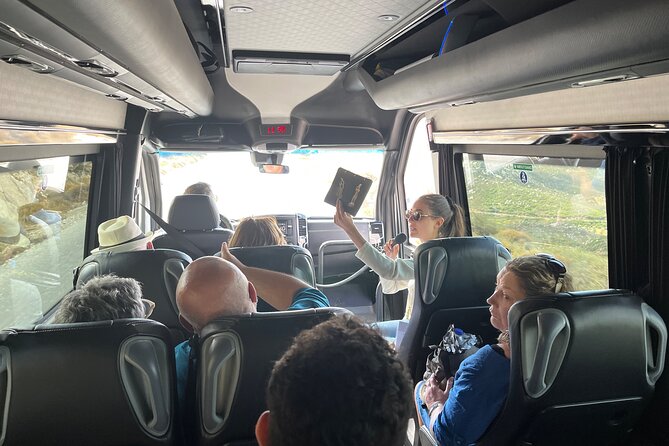
The tour starts at 9:00 am and ends back at the meeting point in Chora (Naxos Bus Transfer, Naxos 843 00). You will be dealing with a small group, up to 12 people, which changes the whole vibe. It is easier for your guide to keep track of your questions, and it is less stressful when someone wants an extra photo angle.
You also get private transportation. That matters on Naxos, where moving between sites can turn into a logistics puzzle if you rely on taxis. The transport is described as having great AC, which is a real comfort factor in summer.
Practical tip: because this is a half-day format, wear comfortable shoes even if the walks are described as manageable. You will still be stepping on uneven ground in ancient site areas. Bring water. You do not need to overpack, but you do want basics.
Temple of Demeter: Persephone, seasons, and Naxian architecture
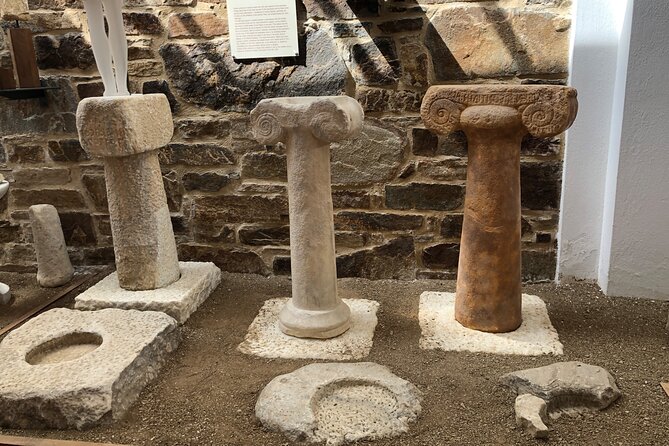
Stop 1 is the Temple of Demeter. This is one of the strongest parts of the tour for me because the myth is not treated like a bedtime story. You get the fertility and agriculture angle, and you hear how the myth of Persephone and Hades links to ancient traditions about nature reborn.
You also get a technical and local layer. The guide explains Naxians’ contribution to architectural development, and that shifts your view from ruins-as-rocks to ruins-as-skill. Instead of just thinking, wow, tall stones, you start noticing how the island’s people built.
Timing is about 1 hour 15 minutes, with admission included. That is enough time to take photos, listen properly, and still look around without feeling rushed. If you love classical sites where context changes everything, this stop will be your anchor moment.
What to look for: when your guide points something out, take 10 seconds to look with your eyes first, then let the explanation lock it in. It is the fastest way to learn and remember.
Apollo, the Kouros statue, and the classic landmarks you should notice
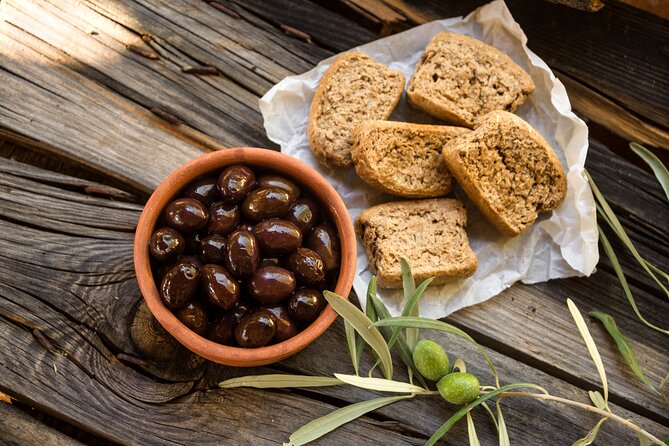
Even though the day is built around two main archaeological visits, the tour’s focus includes the island’s key classical highlights, including the temples of Dionysus, Demeter, Apollo, and the Kouros statue. This is where a good guide earns their pay.
On drives and transitions, your guide typically uses those landmarks to connect the story thread: which god fits which theme, and how Naxos’ culture shaped what people built and honored. If you have never seen a Kouros statue up close before, pay attention to how your guide frames it, because small details become easier once you know what you are looking for.
Practical tip: if you want to get maximum value, keep your phone charged. You will be switching between listening and capturing the exact spot your guide mentions.
Sangri cheese and wine: where food traditions do the explaining
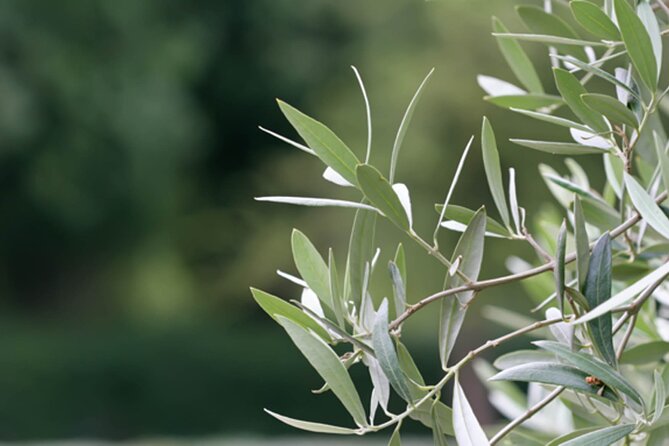
Stop 2 is Sangri, with a 40-minute tasting focused on local cheese and wine. Admission is listed as free for this stop, which is nice because it keeps the day feeling balanced: paid archaeological time, then a lighter, social break.
This part is more important than it sounds. A lot of food tastings are just food. Here, the guide links the tasting to myth stories and the traditions behind food. That turns the experience into something you can carry home mentally, not just physically.
You will likely notice that the guides talk about tradition with confidence. One guide experience highlighted olive oil tasting and even pointed people toward specific oil to buy for home. Another described the wine as the best they had ever tasted. Even if your exact bottles and extras vary by day, the structure is consistent: drink, snack, story, repeat.
If you are sensitive to strong flavors, let your guide know at the start. They can usually help you pace tastings without killing the vibe.
Naos Tou Dionysou Yria: Dionysus in the vines, olives, and figs
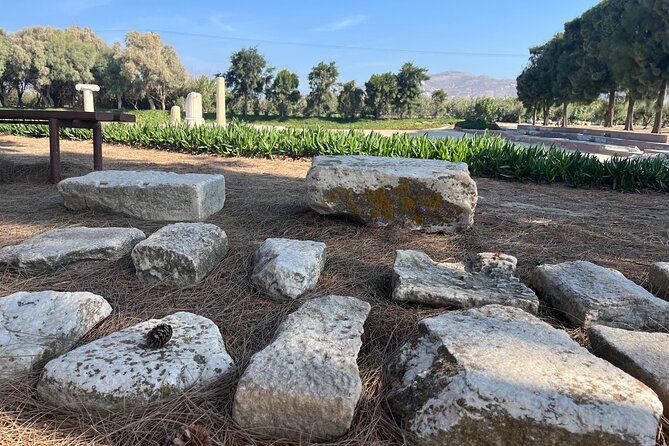
Stop 3 takes you to Naos Tou Dionysou Yria, the sanctuary of Dionysus near Iria. The description matters: the setting is in a beautiful area of vines, olives, and figs, so the myth is tied to the kind of land that actually grows the island’s most iconic foods.
This stop leans into joy and character. Your guide explains Dionysus as a patron god of Naxos and connects the sanctuary to the island’s history. The archaeological site is said to have been sacred since prehistoric times, which is a powerful reminder that ancient worship did not start with one moment or one temple. It grew.
Timing is about 45 minutes, with admission included. That is a solid window for learning without feeling you have to sprint. You will get time to understand what makes this sanctuary special, then move on before fatigue sets in.
What to watch for: when the guide points out the feel of the place, do not just listen. Look around and try to picture how the people who lived here would have understood the setting.
Brunch included: a smart start before the sites
Brunch is included, and it shows up as a real quality marker in the experiences. People describe local delicacies and a good start to the morning before walking and touring.
This matters because the day is only about four hours. If you skip breakfast, you end up spending your energy thinking about food instead of learning. With brunch included, you can focus. You also avoid the awkward moment of arriving at the first site hungry and distracted.
Practical tip: eat at a normal pace. Do not overdo it because you will be tasting cheese, wine, and possibly olive oil after. If you have dietary needs, you should ask about options when you confirm or check in, because the tour data does not list specific alternatives.
Price and value: is $234.57 worth it?
At $234.57 per person, this is not a budget add-on. But for Naxos, it can be good value if you care about guided context and smooth logistics.
Here is what you are paying for that you usually cannot replicate cheaply on your own:
- Certified guide storytelling tied to mythology and Naxian context
- All entrance fees for the stops that include tickets
- Private transportation, which helps you avoid taxi math and wasted time
- Brunch plus a dedicated cheese-and-wine stop
If you were to do this on your own, you would still spend time traveling between sites, and you would likely lose the myth thread that makes the places click. The guides’ talent shows in the details people remember: linking tradition with ancient practice, keeping kids engaged, and turning architecture and agriculture into understandable points.
So the value math depends on what you want. If you are the type who loves ruins only when someone explains why they mattered, you will probably feel the price is justified. If you prefer unguided wandering and flexible timing, you may find it too structured.
Which guides you might meet, and why their style matters
This tour runs with different licensed guides, and their strengths come through in the experiences people share.
- Labrina is described as friendly, entertaining, and especially strong with myth and local stories connected to food.
- Maria is praised for weaving gods and heroes into site history in a way that feels spellbinding, with clear care for people and place.
- Evdoxia is noted for depth and engagement, including for a private half-day format and working well with a daughter.
- Katia comes up in family-friendly stories, with kids staying interested and even family photos mentioned as an added bonus.
You do not control the guide, but you can choose the vibe that fits you. If you want myth stories with humor and warmth, this tour tends to deliver. If you prefer a strict, silent museum style, bring a book for the drive or choose a different kind of tour.
Pacing, photos, and sun: how to plan your morning
This is a 4-hour experience, starting at 9:00 am. That early start helps with light for photos and avoids the worst heat later in the day.
People also note that walking is manageable. Still, ancient sites can mean uneven steps, low stone edges, and sun exposure. Bring sunglasses, a hat, and water. If you wear glasses, consider a strap or case because Naxian breeze can be sneaky.
For photos, the pacing seems built around giving time to capture the sites. Your best strategy: listen first, then shoot what your guide just pointed out. You will get better pictures because you will understand the framing.
Who should book this tour (and who might not)
Book it if you want:
- Myth plus real context, not just names on a sign
- A guided route that hits major Naxos classical sites in a short morning
- Food fun that ties into what you are learning, especially cheese and wine (and possibly olive oil tasting depending on the day)
- A small-group experience that feels personal
Consider skipping it if:
- You want a totally self-paced day with lots of free time
- You dislike structured touring and prefer to wander between sites alone
- You are very strict about avoiding any tastings (because the day includes a dedicated cheese-and-wine stop)
Should you book the Naxos Mythology & Ancient Sites Tour with Cheese & Wine?
Yes, I think this is a strong choice for most first-time Naxos visitors who care about stories. The big win is the combination: ancient sites anchored by Demeter and Dionysus, plus a tasting stop that connects food to myth in a way that actually sticks.
If your travel style is guided learning with breaks, this tour fits. If you love ruins but hate transportation hassle, the private ride helps a lot. If you want to learn and snack at the same time, you will likely come away smiling.
If you are on the fence, ask yourself one question: do you want the gods explained with place-based detail, or do you just want photos of temples? If you want the explanation, book it.