REVIEW · ROME
Ancient Rome’s Dark Side: Ghosts, Murders & Imperial Blood
Book on Viator →Operated by Dark Side City Tours · Bookable on Viator
Rome at night has a darker soundtrack. This 2-hour walking tour strings together assassinations, imperial family feuds, and ghost stories at major Roman landmarks—without museums, and with the city in its quieter mood.
I love the way the guide uses storytelling to connect famous sites to the ugly parts of power: betrayals, executions, and rumors that spread faster than any official history. I also like the small-group feel, with max 15 guests, so the walk stays personal and the details don’t feel rushed.
One heads-up: it’s outdoors with some stairs and uneven spots, so bring comfortable shoes and be ready for a solid night stroll—plus the subject matter can be grim.
In This Review
- Key Points You Should Know Before You Go
- Price and Value for a $30.10 Night Tour
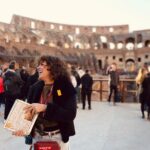
- Finding Your Group and Getting Set for the Evening
- Largo Argentina: Caesar’s Assassination and a Ghost Story Overhead
- Teatro di Marcello: Rome’s Oldest Surviving Theatre and Livia’s Alleged Poisoning
- Capitoline Hill Over the Forum and Palatine: Caligula’s Madness in the Dark
- Carcer Tullianum: The Steps, the Prison Entrance, and Underground Death
- Via dei Fori Imperiali: Domitian’s Prophecy, Murder Timing, and Erased Names
- Monti and the Suburra: Messalina’s Night Rumors and a Shadowy Afterlife
- Scalinata dei Borgia and the Vicus Sceleratus Curse Belief
- Colosseum Finale: Conquest, Blood, and a Dramatic Night View
- Who This Tour Suits (and Who Might Prefer Something Else)
- Should You Book Ancient Rome’s Dark Side?
- FAQ
- What time does the tour start, and how long is it?
- Is the tour in English?
- Do I need tickets or entry passes for the stops?
- How many people are in a group?
- Where do I meet and where does the tour end?
- What should I wear for this night tour?
Key Points You Should Know Before You Go
- A tight 2-hour route across eight night stops, ending with a Colosseum view
- Ghost stories meet imperial politics, from Caesar’s murder to Domitian’s erased name
- Max 15 guests keeps the pacing human and the questions possible
- Outdoor-only format, so you won’t waste time buying or entering sites
- After-dark timing helps, with cooler temperatures and fewer crowds than daytime tends to bring
Price and Value for a $30.10 Night Tour
At $30.10 per person for about 2 hours, this tour is priced like a late-evening “Rome dose” rather than a big-ticket museum day. What you’re paying for is an English-speaking storyteller guide plus a guided route that hits multiple headline areas in one go—so you get structure and context, not just pretty stones.
This is also one of those “you feel it in your feet” tours. Because it’s outdoors, you don’t spend your night in lines or inside timed entry chaos. Instead, you get to stand at the right spots—Largo Argentina, Capitoline Hill, and the Colosseum area—and let the guide paint what happened there and why it still echoes.
If you like your Rome straightforward and atmospheric, this is good value. If you want quiet, light, and purely archaeological facts, the tone may be too dark for your taste.
You can also read our reviews of more tours and experiences in Rome.
Finding Your Group and Getting Set for the Evening
The tour starts at Largo di Torre Argentina (00186 Roma RM) around 8:00 pm. You’ll meet your guide, then set off on a walking loop that culminates near the Colosseum area. The end point is listed as the Colosseum / Piazza del Colosseo, and the tour notes an actual end at Largo Gaetano Agnesi above the Colosseo metro stop.
The small-group cap (up to 15) matters more than you might think. With a tighter group, the guide can keep your attention on the story rather than just talking over traffic. And the reviews that praised guides like Ivanna point to the same thing: the best part of this experience isn’t just where you go. It’s how the guide keeps the pace lively, factual, and a little bit spooky.
Tip: since it’s mostly standing and walking, plan to keep your phone charged and your shoes simple. You’re moving through Rome, not touring from a bus seat.
Largo Argentina: Caesar’s Assassination and a Ghost Story Overhead
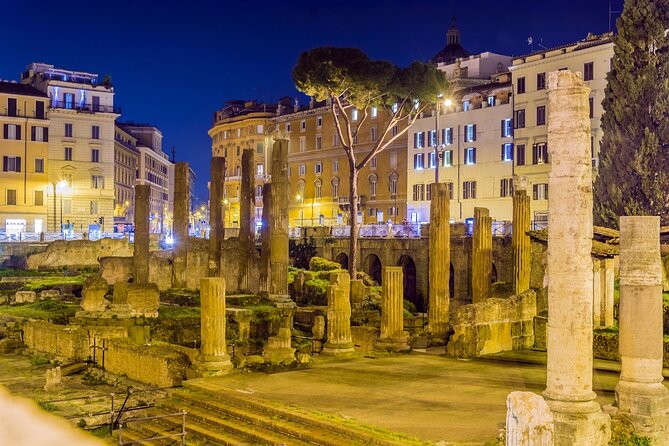
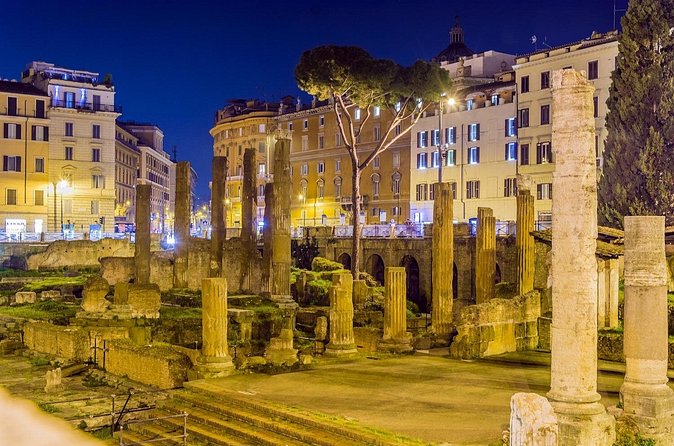
Your first major stop is the Area Sacra di Largo Argentina, where you stand above the site tied to Julius Caesar’s assassination in 44 BCE. The guide focuses on what the murder meant in real human terms: the brutal act, the chaos that followed, and the way legends grew out of political violence.
Then comes the tour’s signature flavor. You’re not just hearing a timeline—you’re hearing the Roman version of what stuck to the walls afterward. The idea that Caesar’s ghost returned to haunt the men involved in betraying him is told like a chilling thread running through the empire’s public face.
What makes this stop special for you: it’s a famous event anchored in a specific spot. You can look down, imagine the moment, and then contrast the official story versus the “people also said…” layer that gives Rome its weird staying power.
Potential drawback: this is a serious subject right at the start. If you prefer your first minutes with light comedy and snacks, this one opens with knives and ghosts.
Teatro di Marcello: Rome’s Oldest Surviving Theatre and Livia’s Alleged Poisoning
Next is Teatro di Marcello, known as Rome’s oldest surviving theatre. From here, the tour shifts from street-level murder to palace-level maneuvering—specifically the story of Livia, the empress accused of eliminating rivals, including her stepson, to help secure the throne for her son.
The guide blends the physical setting (a theatre that survived while much else changed) with the darker idea that the Roman elite’s ambitions could be lethal. The “poison” angle is part of the legends around imperial power, and it helps you see how rumor, fear, and politics fed each other.
Why you’ll probably enjoy this stop: it shows how Rome’s monuments can hold multiple meanings at once. A theatre is for spectacle. But in the imperial stories here, spectacle is also power—who performs, who’s removed, who gets remembered.
Small caution: you’re outside. There’s no museum stop to break the walking rhythm, so keep your pacing steady from the start.
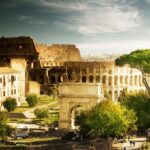
Capitoline Hill Over the Forum and Palatine: Caligula’s Madness in the Dark
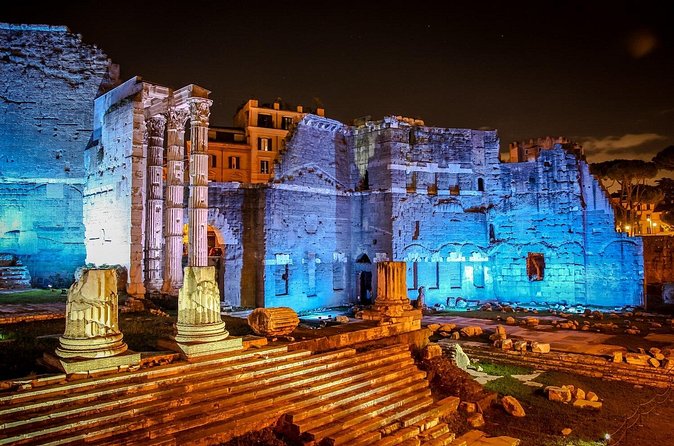
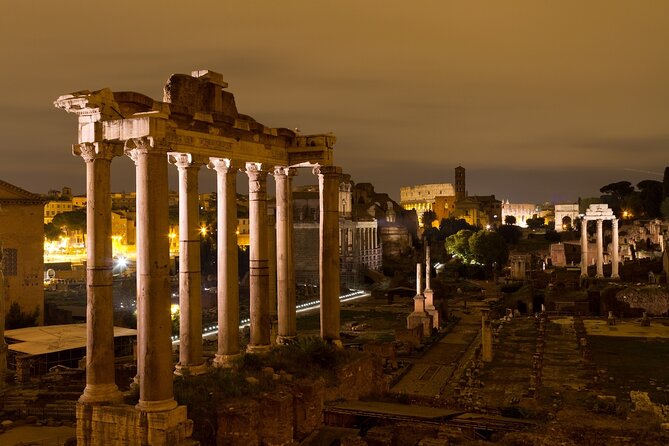
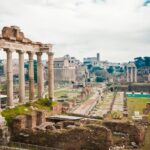
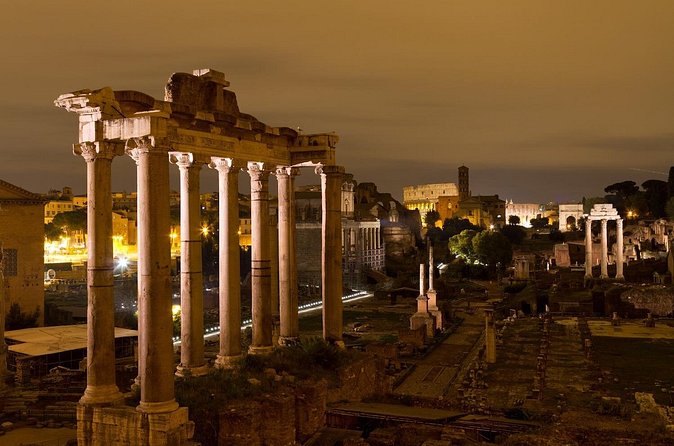
On Capitoline Hill, you get an overlook where the tour points toward the Roman Forum and Palatine Hill—the imperial core of Rome. The guide connects that view to Caligula, including the story of his descent into madness and how it ended in assassination.
Then the legend twist lands again: the idea that Caligula’s ghost haunted the palace halls after his death. It’s a reminder that in Rome, power wasn’t just taken—it was narrated, feared, and mythologized.
This is one of the best “switch your brain” moments in the tour. Up here, it’s easy to think Rome was always grand and official. The story explains how quickly that surface could fracture into paranoia and violence.
If you’re the type who likes to “see the geography” behind the history, this view helps a lot. But if you’re hoping for hands-on artifacts, this is still a standing-and-listening stop.
Carcer Tullianum: The Steps, the Prison Entrance, and Underground Death
At Carcer Tullianum, the tour takes a darker turn in the most literal way. You stand beside the infamous steps tied to executions where traitors and enemies of the state were left to rot. Then you move to the entrance to the Tullianum prison, where powerful prisoners were reportedly strangled underground and denied proper burial.
This isn’t a gentle stop. It’s built to confront you with what “state punishment” could mean when power wanted someone gone and forgotten.
For value, this stop works because it changes the tone of the whole experience. Before this, the tour leans into legends and court intrigue. Here, the theme becomes disappearance. That context helps you understand why Rome’s ghost stories feel so believable within their own logic.
Practical consideration: it’s outdoors and involves standing. If you have trouble with long periods on uneven ground, take your time and use the group pacing.
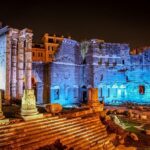
Via dei Fori Imperiali: Domitian’s Prophecy, Murder Timing, and Erased Names
Walking through the area tied to Domitian’s forum, you hear a story shaped around prophecy and control. The guide explains how Domitian allegedly tried to avoid a predicted death, only to be murdered at the predicted hour.
Then comes the grim punchline that feels very Roman: Domitian’s name was erased from history, and his ghost was said to be feared by the servants who survived him.
This stop is especially interesting because it isn’t just about killing. It’s about what happened after: rewriting, erasing, and managing the story so the new regime looks inevitable.
If you like history that focuses on power after the event—who tells the official version—this part hits hard. It’s also a helpful reminder that “memory” is a political tool.
Drawback: you’ll be walking through a street setting rather than a sealed-off monument. Keep an eye on where you’re stepping and stay with the group.
Monti and the Suburra: Messalina’s Night Rumors and a Shadowy Afterlife
The tour then heads into Monti, linking the area to the Suburra, often described as Rome’s seediest district. The story here is Messalina, the emperor’s wife, with allegations that she walked these streets at night. The guide also shares the legend that her ghost still lingers in the shadows.
This stop adds something different. Earlier stops are tied to specific famous deaths and famous names. Here, you get a more street-level flavor: danger, reputation, and the way a city can preserve an image of a person long after power changes.
Why it works for you at night: the atmosphere isn’t staged. You’re literally doing the walk at the hour when a rumor like this would have felt most plausible.
One consideration: if you don’t enjoy scandal stories, this stop may feel more gossip-like than courtroom-like. The guide keeps it historical enough to ground it, but the subject still has that “whispers in the dark” vibe.
Scalinata dei Borgia and the Vicus Sceleratus Curse Belief
Next up is the Scalinata dei Borgia, near the ancient Vicus Sceleratus. The story centers on a Roman princess who drove her chariot over her murdered father’s body—and on the Roman belief that acts of violence could curse entire streets.
This is where the tour’s ghost theme becomes more than jumpscares and storytelling. The idea of curses is treated like a cultural reaction to brutality: if violence can mark bodies, it can also mark places. That’s why Rome’s legends feel built into its street corners.
This stop can be thought of as a “myth meets geography” moment. You walk, look, and hear how people in ancient times might have interpreted the physical city as morally charged.
Practical note: again, it’s outdoors and short. If you like longer explanations, this tour’s rhythm might feel quick, but it keeps the night moving.
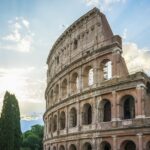
Colosseum Finale: Conquest, Blood, and a Dramatic Night View
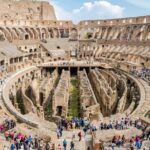
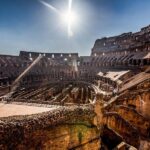
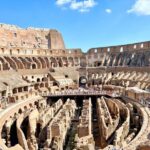
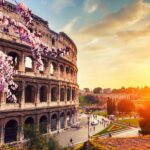
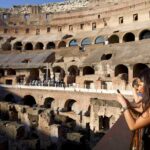
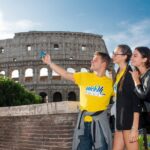
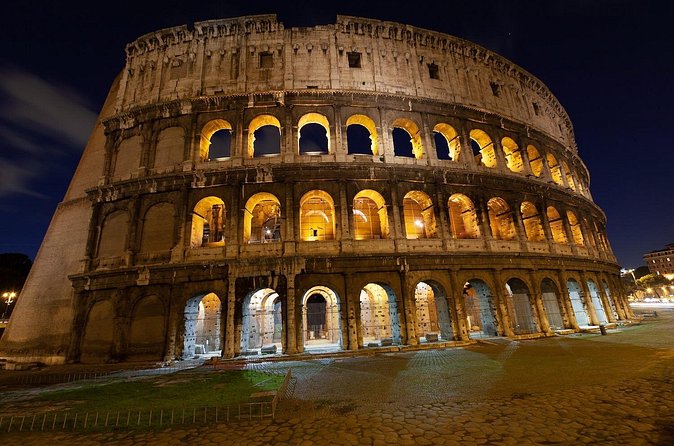
The tour finishes with a dramatic view over the Colosseum. The guide ties the arena to conquest—built from warfare and taken wealth—and to the bloodshed that made it famous. You also hear the haunting part: the idea that gladiators and prisoners who never received peace might still be part of what the Colosseum represents.
Ending here makes sense. By the time you reach the Colosseum, you’ve already walked through the mechanics of Roman power: betrayal, punishment, erasure, and fear. The arena is the final expression of that system made monumental.
What I’d tell you to do at the end: pause, look, and let the story “land.” This tour doesn’t give you an on-site museum experience, but it does give you a night view framed by the darker meaning behind it.
After the tour, you’re near the Colosseum metro area, so it’s straightforward to continue your night.
Who This Tour Suits (and Who Might Prefer Something Else)
This is a great fit if you want Rome after dark with a guide who can hold a story together. You’ll likely enjoy it if you like:
- Imperial scandals and power struggles tied to real locations
- Ghost legends used as a storytelling tool, not as a gimmick
- A small-group night walk that’s structured but not stiff
It’s also a good match for people who want to avoid the worst of daytime heat and heavy crowds, since this is paced as a night stroll.
Skip it if you:
- Don’t enjoy stories involving executions and grim violence
- Prefer long museum time over walking
- Want a more cheerful, casual sightseeing style
And remember the physical note: it’s moderate walking with some stairs. Rome always has stairs. This one just doesn’t hide that fact.
Should You Book Ancient Rome’s Dark Side?
Yes, if you want a high-energy night story tour that connects major Roman sites to the empire’s ugly underbelly—assassinations, poison rumors, prisons, prophecy, scandal, curses, and a final Colosseum view. At $30.10 for about two hours, it’s strong value because you’re getting an expert guide plus a tight route where you don’t need site-entry tickets.
No, if you want light entertainment or purely academic archaeology. This tour chooses mood and story, and it leans into the dark parts on purpose.
If you’re torn, pick based on your travel style: do you travel for monuments alone, or do you travel for the human mess behind the stones?
FAQ
What time does the tour start, and how long is it?
It starts at 8:00 pm and runs for about 2 hours.
Is the tour in English?
Yes. The tour is offered in English.
Do I need tickets or entry passes for the stops?
The experience is outdoors, and entry to archaeological sites or museums isn’t included.
How many people are in a group?
The tour is limited to a maximum of 15 travelers.
Where do I meet and where does the tour end?
You start at Largo di Torre Argentina, 00186 Roma RM, and you end at the Colosseum area (Largo Gaetano Agnesi above the Colosseum metro stop / Piazza del Colosseo area).
What should I wear for this night tour?
You should plan for outdoor walking and a few stairs, so wear comfortable, sturdy shoes and have a moderate fitness level.