REVIEW · SEOUL
Seoul History Tour: Dark Past & Market Street Flavors
Book on Viator →Operated by TRIPPER KOREA · Bookable on Viator
Seodaemun Prison changes how you see Seoul. This Seoul history tour pairs a heavy, eye-opening stop at Seodaemun Prison with real-life street food at Namdaemun Market, all guided in English. I especially like how the story connects Korean resistance to the places you can still stand in today, and how the market feels like a calm release after the hard parts. One possible drawback: the schedule is tight, and a few people have felt the pace can feel a bit rushed.
Expect walking outdoors, a mix of colonial-era history and palace architecture, plus a final hour that’s all about everyday Seoul snacks. The whole trip runs about 4 hours, starts at 2:30 pm, and tops out at a maximum group size of 99.
In This Review
- Key highlights you’ll care about
- Starting Point, Timing, and the Real Pace of the Tour
- Seodaemun Prison History Hall: the darkest chapter, built for understanding
- Dilkusha (Albert W. Taylor House): where global support gets a human face
- Deoksugung Palace: traditional royal space meets Western modernization
- Sungnyemun Gate and Seoul City Hall: spotting the political story in plain sight
- Namdaemun Market street food: the perfect ending for tired feet
- Price and value: what $65 really covers
- Who this tour suits best (and who might want a different style)
- Should you book this Seoul History Tour?
- FAQ
- How long is the Seoul History Tour?
- How much does the tour cost?
- What’s included in the price?
- Where does the tour start and end?
- Is the tour very walk-heavy?
- Do I need WhatsApp for this tour?
- What happens if it rains or snows?
- Can I cancel for a full refund?
Key highlights you’ll care about
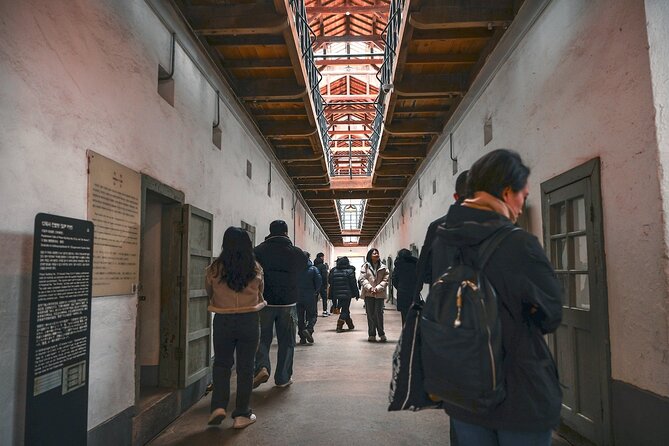
- Seodaemun Prison History Hall: former Japanese colonial prison spaces where independence fighters endured brutality.
- Dilkusha (Albert W. Taylor House): an American ally’s home, with the name meaning Heart’s Delight.
- Deoksugung Palace’s mixed architecture: Korean royal grounds shaped by Western influence during modernization.
- Sungnyemun Gate and Seoul City Hall: a quick photo-and-context stop showing Seoul’s political shift over time.
- Namdaemun Market street food: Korea’s oldest traditional market for flavors people actually eat.
- Everything essential is included: English-speaking guide, transport, entrance fees, and market tastings.
Starting Point, Timing, and the Real Pace of the Tour
You meet at 95-10 Hyeonjeo-dong, Seodaemun-gu, and the tour ends at Namdaemun Market at 21 Namdaemunsijang 4-gil, Jung District. It starts at 2:30 pm and runs about 4 hours, which is long enough to feel like you visited several eras, but short enough that you’re not stuck touring all evening.
Comfort matters here. You’ll do a fair amount of walking across different neighborhoods, and you’re advised to have moderate physical fitness. Also, it operates in rain or snow as scheduled, so bring a weather plan—because Seoul can change fast, and your shoes still need to work.
If you want a calm experience, do the simple things right: arrive a few minutes early at the meeting point, and keep some water in your daypack. One pacing complaint is real, so you’ll enjoy it more if you go in expecting a purposeful, moving schedule rather than a slow museum stroll.
You can also read our reviews of more tours and experiences in Seoul.
Seodaemun Prison History Hall: the darkest chapter, built for understanding
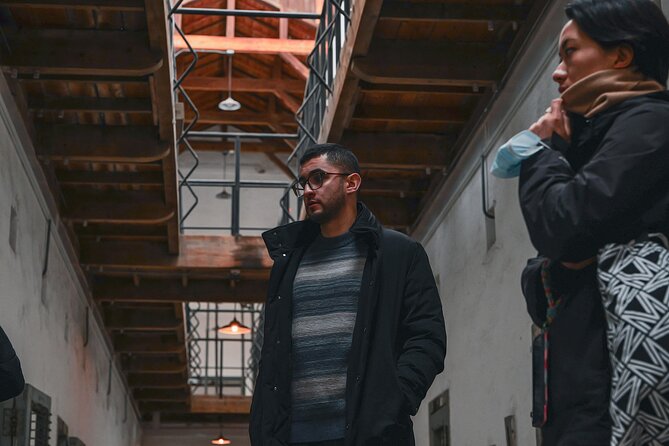
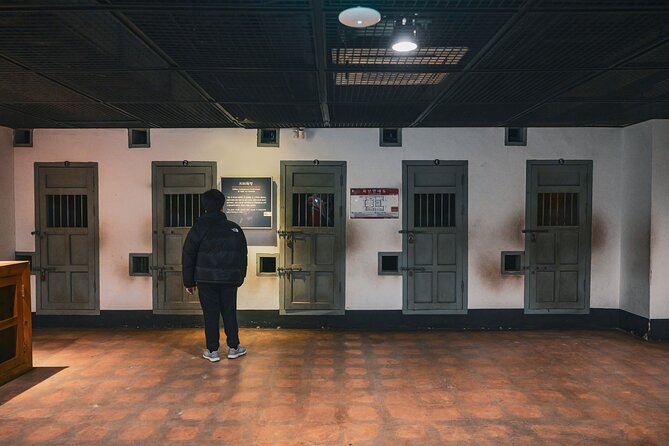
This is the anchor stop. You’ll start at the Seodaemun Museum of Natural History area and then spend about 50 minutes at the Seodaemun Prison History Hall, with admission included. The setting does the work: somber halls, former prison spaces, and a timeline that centers Korean independence fighters who endured extreme hardship.
What I like about this stop is that it isn’t treated like just a photo op. The guide-led pacing gives you something important: context for why this prison matters in Korea’s modern story, not only that it was brutal. You’ll hear stories of resistance and the kinds of suffering that independence activists faced, and that makes the rest of the tour click into place.
A practical note: this is emotional history. Even if you’re comfortable with heavy topics, the atmosphere can be a lot. If you’re visiting with kids or anyone who needs gentler content, keep that in mind and decide based on your group’s tolerance.
Dilkusha (Albert W. Taylor House): where global support gets a human face
Next comes a stop that feels lighter in tone but not lighter in meaning. You visit Dilkusha, also known as the Albert W. Taylor House, for about 30 minutes with admission free.
This is the kind of place that reminds you history isn’t only made by local fighters. It’s tied to Albert W. Taylor, an American journalist who supported Korea’s independence. The stop also explains the name: Dilkusha means Heart’s Delight, which is a small detail but a meaningful one. It gives you a lens for resilience and international solidarity, not just conflict.
Why this stop works: it changes the emotional rhythm. After prison, you get a human-scale setting where you can think about how support traveled across borders—through journalism, relationships, and visibility. You don’t need to be a history expert to get it; the structure of the visit makes the connections clear.
Tip for your own experience: treat this as a conversation break. If you’re the type who likes to ask questions, this is a good moment. The theme is different, so your questions tend to lead somewhere.
Deoksugung Palace: traditional royal space meets Western modernization
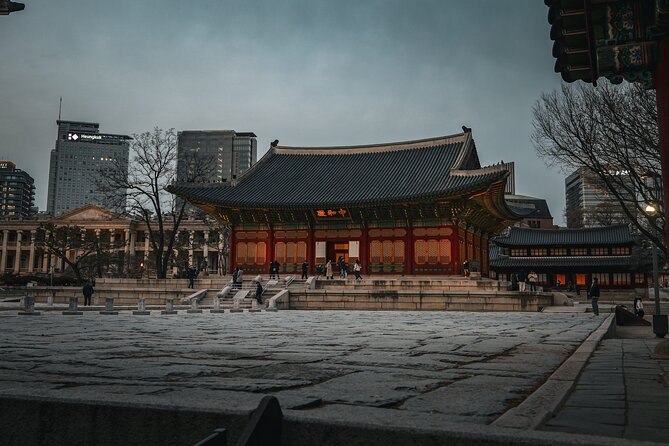
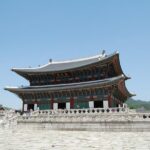
Then you step into Deoksugung Palace, spending about 40 minutes with admission included. This stop is famous for one thing you can actually see: a blend of traditional Korean and Western architectural styles.
That mix isn’t random decoration. The guide frames it as an era of adaptation—Korea’s modernization happening under political turbulence. Standing in this palace area, you get the sense of a country trying to move forward while navigating pressure and uncertainty.
I like this stop because it balances emotion with architecture. Seodaemun gives you the cost. Deoksugung helps you understand the response: how power, identity, and physical spaces changed over time.
A small consideration: palaces always require some walking, and you’ll likely be moving at a tour pace to keep the timeline. If you love lingering, plan extra time on your own after the tour ends—especially if you’re the type who wants to take photos slowly or read every sign.
Sungnyemun Gate and Seoul City Hall: spotting the political story in plain sight
You get a short but meaningful pass-by at Seoul City Hall & Sungnyemun Gate (Namdaemun) for about 20 minutes. Entrance isn’t listed as included here, but you won’t pay extra for the viewing time in the same way you do for palace or prison admissions.
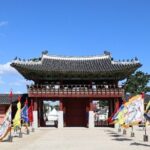
The point of this stop is the location itself. Seoul City Hall is presented as a symbol of Korea’s transformation from a colonial past to a thriving democracy. Sungnyemun (Namdaemun) is a landmark you can admire as a physical reminder that the city’s story changes across centuries.
In a short tour, this is the kind of stop that can feel quick—but it’s also useful. It helps you connect the darker history to the modern city you’re living in right now. Even if you only take a few photos, it keeps the tour’s political arc coherent.

Namdaemun Market street food: the perfect ending for tired feet
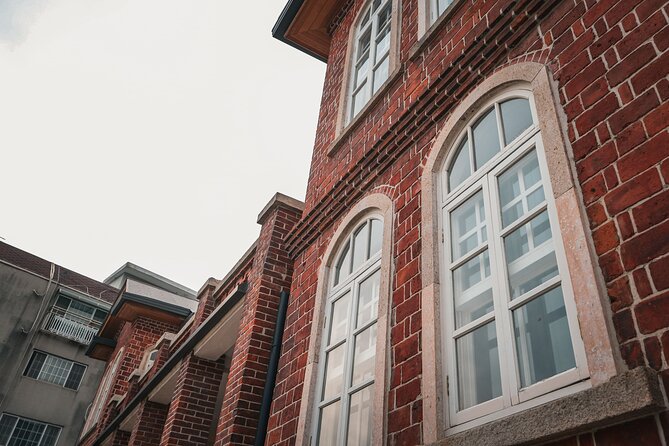
Finally, you land at Namdaemun Market, with about 1 hour there. This is where the tour becomes fun in a different way: you’re not chasing history now, you’re chasing flavors.
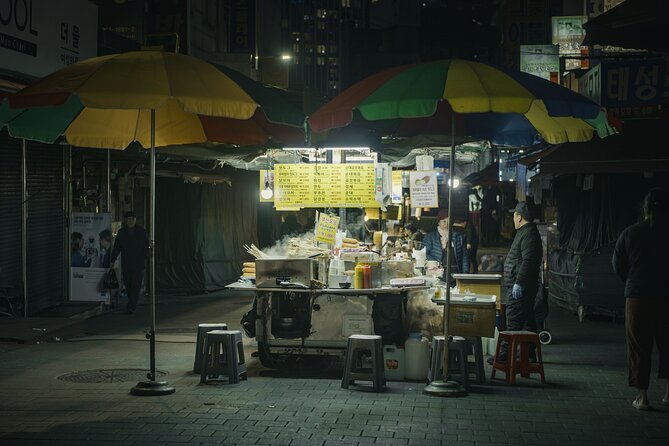
Namdaemun Market is described as Korea’s largest and oldest traditional market, with vendors selling goods for over 600 years. That’s impressive on paper, but what matters for you is how it feels in the moment: busy enough to be alive, yet familiar enough that the food reads as everyday Seoul, not a staged attraction.
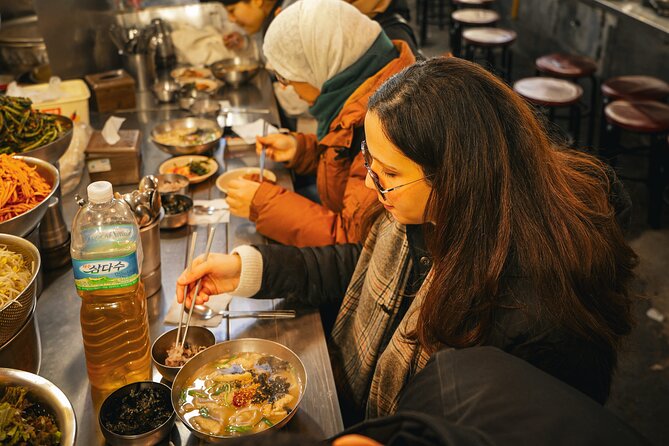
Food tastings are included, and the tour specifically mentions Kalguksu Alley as a famous area for eating. I love how this ending is built like a reward. After Seodaemun and palace history, you get something immediate—warm, comforting, and easy to share with your group.
Practical advice: because tastings are included (not necessarily full meals everywhere), set a realistic expectation. If you want to order more than tastings, keep some extra money for your own choices.
Price and value: what $65 really covers
At $65 per person for about 4 hours, this is priced like a budget-friendly history day, not a premium private tour. The value comes from the parts that add up fast on your own: transportation cost, English-speaking professional guide, all entrance fees, and food tastings at Namdaemun Market.
So if you were to DIY this, you’d likely pay separately for guides (or lose context), separate admissions, and time spent figuring out transit between sites. Here, the structure does the heavy lifting for you.
The one cost you should expect beyond the listed price is tips, since tips aren’t included. Also, if you fall in love with something at the market and want more than tastings, you’ll likely spend extra. That’s normal and easy to manage.
Who this tour suits best (and who might want a different style)
This tour fits you if you want:
- a guided Seoul history lesson that doesn’t stay theoretical
- a blend of serious history and a real market finish
- English explanations that help you connect locations to Korea’s independence story
- a walk-through format rather than sitting in one museum room for hours
You might not love it as much if:
- you prefer slow, unhurried museum time
- you’re sensitive to heavy content (Seodaemun is intense)
- you strongly dislike group schedules and fast transitions
If you’re traveling alone, this is still a good setup because the guide keeps everyone moving and answering questions. If you’re traveling with friends who love both food and history, you’ll probably have a great time—especially during the Namdaemun portion, where you can compare what you try.
Also, the guide matters. People have praised guides for being well-informed and engaging, with at least one guide named Kim specifically mentioned for going above and beyond. That’s exactly what you want here: someone who can explain the significance without turning the experience into facts-only recitation.
Should you book this Seoul History Tour?
Yes, if you want a clear, emotionally serious history day that ends with local food you’ll actually remember. The strongest reason to book is the balance: Seodaemun Prison gives you the weight, Deoksugung Palace shows you how Korea adapted during modernization, and Namdaemun Market gives you a comfortable way to finish.
My only caution is pacing. If you’re the type who needs extra time at each stop, consider doing your own follow-up afterward—especially around palace areas—so you get the slow version you love.
Book it if you’re ready for a purposeful 4-hour walk through Korea’s fight for freedom and the everyday city that came after.
FAQ
How long is the Seoul History Tour?
It’s about 4 hours long.
How much does the tour cost?
The price is $65.00 per person.
What’s included in the price?
You get an English-speaking professional guide, transportation cost, all entrance fees, and food tastings at Namdaemun Market.
Where does the tour start and end?
It starts at 95-10 Hyeonjeo-dong, Seodaemun-gu, Seoul and ends at Namdaemun Market, 21 Namdaemunsijang 4-gil, Jung District.
Is the tour very walk-heavy?
The tour involves walking outdoors and is recommended for travelers with moderate physical fitness.
Do I need WhatsApp for this tour?
They send detailed information one day before the tour date via WhatsApp, including the guide’s contact. If you don’t use WhatsApp, the info is sent by email, so check your inbox.
What happens if it rains or snows?
The tour operates as scheduled in rain or snow. You’ll only be contacted separately if weather makes it completely impossible to proceed.
Can I cancel for a full refund?
Yes. You can cancel up to 24 hours in advance for a full refund. If you cancel less than 24 hours before the start time, the amount paid is not refunded.