REVIEW · NEW YORK CITY
New York: Mafia and Gangster History Tour in Little Italy
Book on GetYourGuide →Operated by Tourizee · Bookable on GetYourGuide
One block turns into a crime scene story. This Little Italy mafia tour uses the neighborhood’s real streets to explain how organized crime grew, splintered, and reinvented itself. I especially like the way it connects famous names like Lucky Luciano and John Gotti to specific places you can actually point at, not just trivia. The big watch-out is that it’s a walking tour and not suitable for mobility impairments.
What I like most is the pacing and the focus. You get a clear storyline from the early Black Hand period and Prohibition power struggles, then a shift into how Luciano reshaped the system with the Five Families and his WWII-era dealmaking angle. Another strong plus is the guide format: small group size (up to 10) and a long enough Little Italy segment to let the story land, not rush past.
The one drawback to plan around is simple: it’s a steady walk on city sidewalks. Come with comfortable shoes and realistic expectations. If weather is bad, the tour may get cancelled and you’ll need a backup plan for rescheduling.
In This Review
- Key things that make this tour worth your time
- Little Italy’s mob story starts with street-level gangs
- The guide’s job: turn names into a place-based timeline
- 44 Spring Street: where you get your bearings fast
- Little Italy walking segment: Prohibition power and the rise of Masseria
- Ravenite Social Club: why clubs mattered more than you think
- Lt. Petrosino Square: early crime-fighting in the same story
- The Police Building and the Frank Serpico angle
- Umberto’s Clam House stop: where the present sits beside the past
- Optional movie locations: The Godfather and The Sopranos adds fun, not confusion
- Price and value for a $40, 2-hour walking tour
- Practical tips so the tour feels smooth, not stressful
- Who should book this tour?
- Should you book? My take
- FAQ
- Where does the tour meet?
- How long is the tour, and how far do you walk?
- Is the tour limited to small groups?
- What language is the tour guide speaking?
- Is this tour suitable for mobility impairments?
- What should I bring, and are pets allowed?
Key things that make this tour worth your time
- Little Italy as a crime map: You walk about a mile while following a mob timeline that actually makes sense.
- Real-world gangland names: Luciano, Joe Masseria, John Gotti, Crazy Joey Gallo, and more are tied to places you see.
- Ravenite Social Club stop: A dedicated short stop to understand why this club mattered to the Gambino world.
- Police pressure story included: Lieutenant Petrosino and Frank Serpico bring the anti-corruption angle into the same walk.
- Small group feel: Limited to 10 people, so you’re not just a blur in the background.
- Pop culture add-ons: You may see optional locations linked to The Godfather and The Sopranos.
Little Italy’s mob story starts with street-level gangs
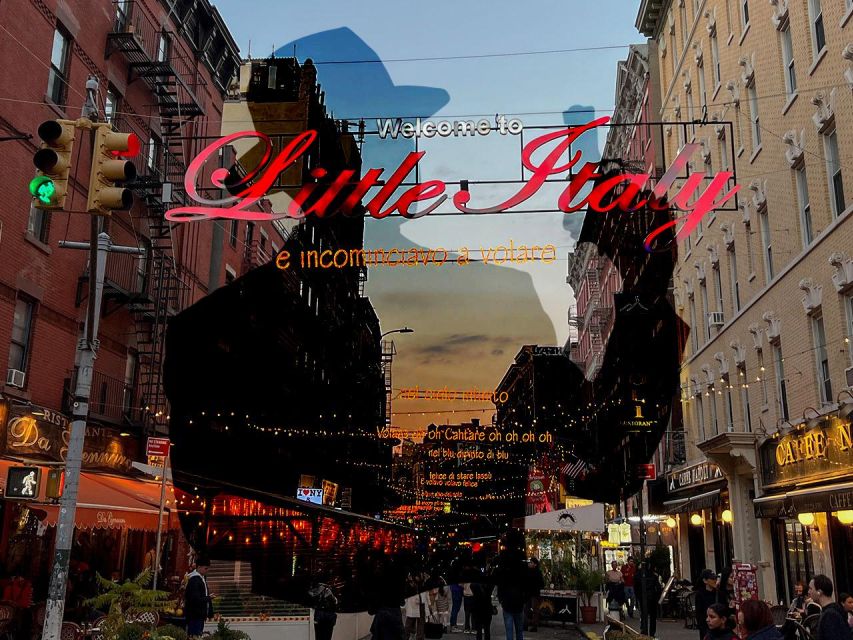
This is the kind of tour where the neighborhood becomes the textbook. You start in the Little Italy area and follow a criminal timeline that begins with the early Black Hand gangs and the violence they used to muscle in. That origin matters, because it shows you the logic behind later organized-crime structures: fear, protection rackets, and control of money.
I like that the tour doesn’t treat the mob as one long, identical era. It breaks the story into stages: early gang tactics, the liquor wars around Prohibition, and the rise of figures like Joe Masseria. If you’ve only seen the mafia through movies, this is the part that grounds the myth.
And the timing works. The tour runs about 2 hours, with a total walking distance listed at about 1 mile / 1.5 km. That’s not a marathon, but it’s long enough to feel like you’re moving through the neighborhood’s actual layout instead of sitting in place for a slideshow.
You can also read our reviews of more tours and experiences in New York City.



The guide’s job: turn names into a place-based timeline
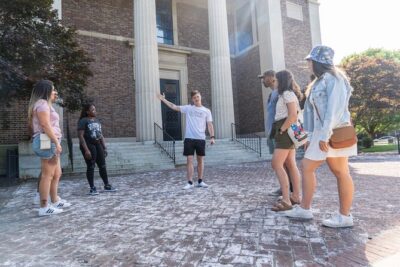
The tour lives or dies on the guide. Here, the format is built around a live guide-led walking experience, and the small group size (max 10) helps a lot. In the feedback, guides named Tom (also seen as Thomas) get called out for being friendly, funny, and genuinely prepared, including the use of a thick binder of photos and supporting materials.
You should expect a story-driven approach. The best tours don’t just list names; they explain why each turn in the timeline happened. This one frames it like a cause-and-effect chain, so when you hear about Luciano’s changes, you understand what came before and what those changes solved.
Also worth noting: the tour is in English, and it’s a walking tour, so you’ll want to keep your energy up. Comfortable shoes are not a suggestion here; they’re the whole plan.
44 Spring Street: where you get your bearings fast
The meeting point is at 44 Spring Street, on the corner of Spring and Mulberry Streets, next to the DaSalvio Playground. Your best move is to arrive 10 minutes early, because the tour starts promptly and you won’t be able to join once it’s underway.
There’s a practical detail that makes the start smoother: the guide is supposed to be identifiable in a white cap. If you hate the awkward minute of scanning faces, this helps.
At this first stop, I’d think of it as the warm-up. Before the big mob sites, you’re setting context: what period you’re in, which groups matter most in that moment, and how to read the neighborhood once the story starts branching into gangs, clubs, and law enforcement.
Little Italy walking segment: Prohibition power and the rise of Masseria
The longest chunk of time is the Little Italy portion (about 75 minutes). This is where the tour builds momentum. You get the early gang era first, including the violent methods tied to the Black Hand gangs. Then you move into the Prohibition era, where liquor wasn’t just alcohol—it was money, leverage, and territory.
This part is valuable even if you’re not a hardcore mob fan. Prohibition-era control explains why organized crime became structured. When you have a scarce, high-value product, you get competition, intimidation, and systems for managing conflict. That’s why the story pivots to Joe Masseria, often described as a boss figure in the evolving world.
If you’re into film references, this is also where you may hear pop culture threads introduced as optional additions later. The tour can include locations tied to The Godfather and one linked to The Sopranos, but that’s framed as extra, not the core.
One consideration: because this segment is the story engine, it’s also when you’ll want to pay attention. If you drift, the later jumps to Luciano and Gotti won’t land as hard.
Ravenite Social Club: why clubs mattered more than you think
Next comes the Ravenite Social Club stop, around 15 minutes. Even without going inside for anything elaborate, a dedicated pause here changes how you see the mob’s social side. This is the kind of place that shows organized crime isn’t just street violence—it’s also networks, influence, and the social infrastructure that keeps power in motion.
The tour ties this stop to the Gambino world and to the Dapper Don era. The big takeaway is that these clubs functioned like more than hangouts. They were reputation machines and information hubs.
If you’ve watched mafia media, you might remember how often the story circles back to who’s connected to whom. This is where that idea becomes real and geographic.



Lt. Petrosino Square: early crime-fighting in the same story
Then you shift into law enforcement history at Lt. Petrosino Square (about 10 minutes). Lieutenant Petrosino is presented as an early crime fighter, which matters because it refuses the idea that the mob just ran unchecked until the movies showed up.
This stop helps you understand why the anti-crime story is part of the same urban fabric as the crime story. Petrosino represents an early pushback—an attempt to disrupt organized networks before they became more locked-in.
I also like that the tour doesn’t pretend the police side was simple or instant. You get the sense of conflict that evolves alongside the criminals.
The Police Building and the Frank Serpico angle
After Petrosino, you head to the Police Building (about 10 minutes). Here, the tour links to Frank Serpico, a name that signals corruption and the personal cost of exposing wrongdoing.
This is a strong balance point. Mafia tours can go one-note—crime, crime, crime. Here you get a parallel storyline: the people trying to hold the line, and the risk that comes with challenging systems.
Even if you only know Serpico from the general idea of whistleblowing, the tour’s structure helps connect dots. It frames policing as a part of the same power struggle, not a clean opposite side of the street.
Umberto’s Clam House stop: where the present sits beside the past
You end with Umberto’s Clam House (about 10 minutes). This part works well because it doesn’t freeze the neighborhood in the past. You’re at a recognizable restaurant setting, which reminds you that Little Italy is living, eating, and changing while the stories of the past continue in the background.
The tour doesn’t turn into a food event here, but the proximity to a real local institution gives the stop weight. You’re not just hearing about events—you’re standing in a place where the neighborhood’s current identity is obvious.
One tip if you like food stops: decide in advance whether you want dinner after. The tour ends back at 44 Spring Street, so you’ll want a plan that doesn’t leave you wandering hungry in the same streets you just toured.
Optional movie locations: The Godfather and The Sopranos adds fun, not confusion
Some versions of this tour can include optional locations tied to The Godfather and one from The Sopranos. I like this idea because it’s a bridge for movie fans who want something more than history. Still, the tour’s main value is the gangster evolution story, not cinematic sightseeing.
If you’re a pop culture person, this can make the walk feel more personal. If you’re not, you can treat these as quick visual markers and keep your focus on the timeline itself.
Price and value for a $40, 2-hour walking tour
The price is $40 per person for a 2-hour experience. That’s a reasonable range for a private-guide-style walking tour with a small maximum group size of 10.
Where the value comes from is not just the time. It’s the structure: a full arc that covers early gangs, Prohibition-era battles, Luciano’s organizational shift (including the Commission of Five Families concept), and the government dealmaking during World War Two. Then it lands on the rise and fall of John Gotti, including references to the Ravenite Social Club and the bloody endings of figures like Crazy Joey Gallo and Sally Bugs Briguglio.
That’s a lot for one walk. If you’re the type who likes learning how systems evolve—how violence and money build organizations—this price makes more sense than it looks on paper.
Practical tips so the tour feels smooth, not stressful
Here’s how to set yourself up for a good time.
- Wear comfortable shoes. You’ll be on city sidewalks for about 2 hours.
- Arrive early. The meeting spot is specific: Spring and Mulberry at 44 Spring Street, by the DaSalvio Playground.
- Expect a small group. You’ll hear more and get a better sense of pacing.
- Plan for weather. The tour can be cancelled due to inclement weather or not enough bookings, with a full refund if that happens.
- Bring the right mindset. This is walking history with a gangster focus, not a lecture in a museum.
Also, pets aren’t allowed (assistance dogs are allowed), and the tour is listed as not suitable for people with mobility impairments. If you’re unsure whether you can manage the walking pace, err on the cautious side.
Who should book this tour?
I’d recommend it if you fit one of these profiles.
- You’re a mafia and crime-history fan who likes real locations over pure storytelling.
- You want the big names, but also the mechanics behind how organized crime works.
- You like walking tours that stay focused for the full 2 hours without turning into filler.
I’d skip it if you hate walking, need step-free access, or prefer your NYC history tied to quieter topics. This walk is crime-forward, with law enforcement and corruption themes added in for balance.
Should you book? My take
If you’re spending a day in Manhattan and you want a tour that turns Little Italy into a readable map of gangster evolution, this one is a strong choice. The small group size, the guided storytelling, and the mix of mob figures with policing and anti-corruption themes make it feel more complete than most “mafia sites only” walks.
Just come prepared for walking and pay attention during the longer Little Italy segment. If you do that, the stops make sense later—especially Ravenite Social Club and the John Gotti era storyline.
If you want, tell me your travel dates and what you already plan to see nearby, and I’ll suggest the best time to slot this into your day.
FAQ
Where does the tour meet?
Meet on the sidewalk on the corner of Spring and Mulberry Streets, next to the DaSalvio Playground at 44 Spring Street. Look for the guide in a white cap, and plan to arrive 10 minutes early.
How long is the tour, and how far do you walk?
The tour lasts 2 hours and covers about 1 mile (1.5 km) on foot.
Is the tour limited to small groups?
Yes. The group is limited to a maximum of 10 participants.
What language is the tour guide speaking?
The tour is guided in English.
Is this tour suitable for mobility impairments?
No. It’s not suitable for people with mobility impairments.
What should I bring, and are pets allowed?
Bring comfortable shoes. Pets are not allowed, though assistance dogs are allowed.