REVIEW · NEW YORK CITY
Soul of Harlem: Striver’s Row, Apollo Theatre & Gospel Heritage
Book on Viator →Operated by New York City By Foot · Bookable on Viator
Harlem hits different when you walk it. This 2-hour tour moves through major landmarks like the Apollo Theatre and places that explain how the neighborhood evolved over hundreds of years.
I love the tight flow from research and faith to streets and music. Two standouts for me are starting at the Schomburg Center for Research in Black Culture and ending in the orbit of the Apollo—plus the fact that the stops are free to enter.
One thing to consider: the pacing can feel weather-dependent, and on cold or rough days you may spend more time with explanations indoors or around a photo folder than on the sidewalk, so plan layers.
In This Review
- Key things you’ll notice on this Soul of Harlem walk
- Why this walk feels personal (even when you’re in a group)
- Schomburg Center: the smartest first step you can take
- Abyssinian Baptist Church: when history isn’t a costume
- Strivers’ Row: the row houses, the alleyways, and the big names
- Bill’s Place on Swing Street: listening to Harlem music in context
- Apollo Theatre: how to land in legend without missing the point
- Sunday gospel access: when the tour switches from walking to worship
- Price and value: why $39 works for what you get
- Group pace, weather, and meeting points: the real-world stuff
- Who this tour is best for (and who might want a different plan)
- Final call: should you book Soul of Harlem?
- FAQ
- FAQ
- How long is the Soul of Harlem tour?
- How much does the tour cost?
- What stops are included?
- Is admission included for the stops?
- Is there a gospel experience?
- How large is the group?
- What language is the tour in?
- Can I cancel and get a full refund?
- Are service animals allowed?
Key things you’ll notice on this Soul of Harlem walk
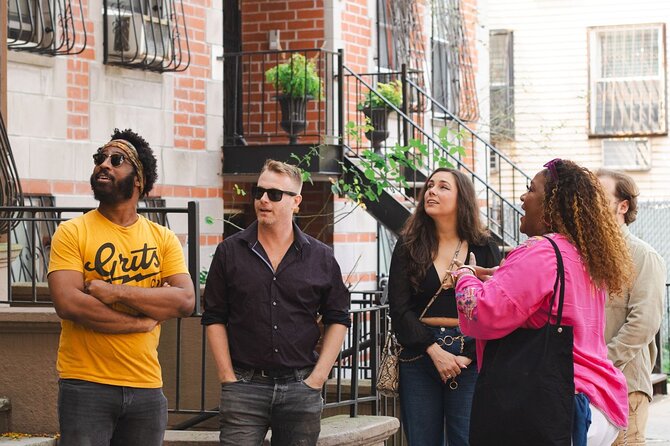
- Local guides with real Harlem connections (and you’ll hear the stories like they matter, not like a script)
- A history starter at the Schomburg Center, with rotating exhibits tied to big Black history themes
- Abyssinian Baptist Church’s deep timeline, with a church established for more than 220 years
- Strivers’ Row row houses and shared courtyards from the 1890s, plus the famous people tied to these blocks
- Bill Saxton performing at Bill’s Place, bringing Harlem swing and jazz into the route
- Sunday gospel access with skip-the-line entry to a local church experience
Why this walk feels personal (even when you’re in a group)
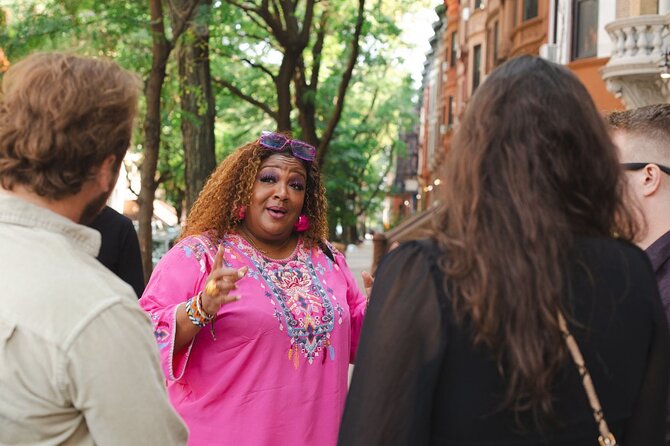
This tour is priced like a neighborhood intro, not a big production: $39 per person for about 2 hours with a max group size of 18. That matters. In a smaller group, your guide can actually connect the dots for you as you walk, and you get questions answered without yelling over a busload of people.
It’s also led by local Harlem residents and award-winning guides. In real life, that usually shows up as more than memorized facts. Guides like Ron, Lady Altovise, and Meredith bring personality and humor into the story, and they tend to explain not just what happened, but why it mattered for daily life—music, politics, community, and the constant push for equality.
You can also read our reviews of more tours and experiences in New York City.



Schomburg Center: the smartest first step you can take
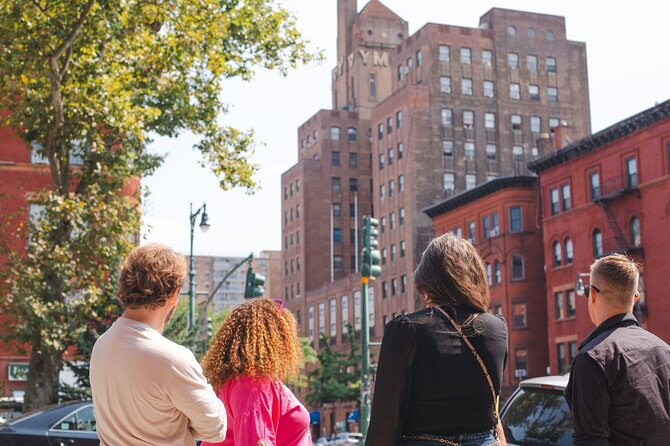
The tour begins at the Schomburg Center for Research in Black Culture, a major library and research hub run by the New York Public Library system. You’re not just seeing a building—you’re getting a mindset. The Schomburg Center is where you start to understand Black history through archives, preservation, and exhibitions.
Expect about 20 minutes here. Since admission is free, you can focus on the story being told rather than feeling rushed by ticket logistics. The exhibits can rotate, but you might see themes connected to the Harlem Renaissance, the Civil Rights Era, and even more recent movements like Black Lives Matter. That range is helpful. It explains Harlem as a living influence, not a museum display.
Practical tip: this is a great stop to reset your bearings. If you’re the type who needs context before street corners start making sense, you’ll appreciate this start.
Abyssinian Baptist Church: when history isn’t a costume
Next comes the Abyssinian Baptist Church, a place established over 220 years and located in Harlem since 1902. This is one of the oldest Baptist churches in the United States, which gives you a deeper timeline than most neighborhood walks.
You’ll spend about 30 minutes here, and admission is free. For me, the value isn’t only the age of the church. It’s the way faith institutions helped shape Harlem’s community life—organizing, supporting, and sustaining people through tough eras.
The church stop also balances the tour. After the research center, you get the human, lived-side of history: community spaces where stories weren’t only recorded—they were practiced.
Weather note: church interiors can be warmer and calmer than the sidewalk. If it’s a cold day, you’ll likely be grateful for the shelter.
Strivers’ Row: the row houses, the alleyways, and the big names
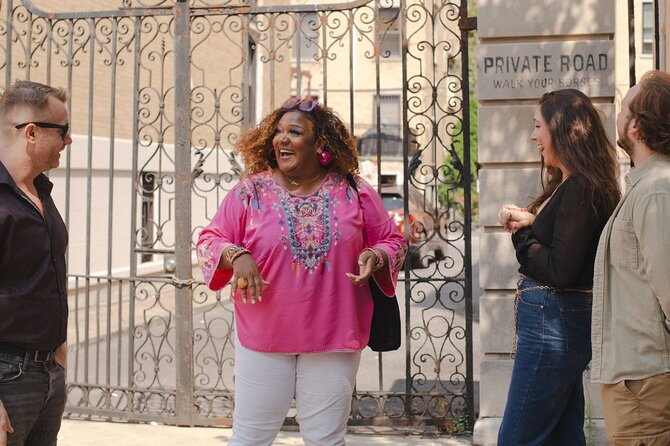
Then you move through Strivers’ Row, a historic district known for beautiful row houses and the alley-and-courtyard layout. The details here matter. These homes with shared rear spaces and courtyards—built in the 1890s—reflect how people lived closely, but still carved out personal space.
You’ll get about 20 minutes walking this area. Admission is free, and the point is to connect the architecture to real people who used these blocks as platforms—artists, athletes, political figures, and writers.
The tour highlights names tied to Harlem culture and public life, including:
- tap dancer and actor Bill Bojangles Robinson
- heavyweight boxer Harry “Black Panther” Willis
- Congressman Adam Clayton Powell Jr.
- William Marion Cook, noted as the first Black Broadway musical composer
Why this stop is worth your time: it turns famous names into street-level understanding. You stop seeing Harlem as a collection of headlines and start noticing the built environment that shaped community identity.
What to watch for: pay attention to the layout—courtyards and alleyways. Even if you don’t know what you’re looking at yet, your guide will help you read the spaces.
Bill’s Place on Swing Street: listening to Harlem music in context
After the architecture, you shift to sound at Bill’s Place, described as being on Harlem’s original Swing Street. Here, Bill Saxton performs with singers from the American jazz and swing world—plus the tour frames him in the broader tradition tied to names like Billie Holiday.
You’ll have about 20 minutes for this stop, and it’s free as part of the experience.
This is a smart inclusion because music is often the easiest way to grasp Harlem’s energy. Instead of treating jazz and swing as distant “old recordings,” you hear how the tradition feels in the neighborhood setting.
Practical expectations: you’ll be focused on performance, not sightseeing. If you’re the kind of person who reads every plaque, shift gears here and let the sound do the teaching.



Apollo Theatre: how to land in legend without missing the point
The tour closes in the orbit of the Apollo Theatre. This is a venue that carries a serious cultural weight, and the tour gives you a quick dose of that context without turning it into a lecture.
You’ll spend about 30 minutes here. Admission is free as part of the experience, and the Apollo’s current energy is part of the story—celebrating 90 years, with concerts by major artists including Usher, Smokey Robinson, Mary J. Beige, and Baby face.
What I like about this stop: it helps you understand the Apollo not as a single moment in time, but as a stage where stars are built and careers gain momentum. Harlem has always been a place where talent meets opportunity—this theater is one of the clearest examples.
Small caution: the Apollo area can be busy. Keep your group together and listen for your guide’s instructions so you’re not stuck looking for the next turn while everyone else is moving.
Sunday gospel access: when the tour switches from walking to worship
On Sundays, the tour adds something special: a gospel experience at a local church, with skip-the-line access. You’ll still have the same core Harlem walk, but this final shift changes the tone.
Gospel isn’t just entertainment here. It’s a living tradition—community, emotion, and history braided together. This is also the part where you’ll feel the difference between learning about a culture and being in the room with it.
If you’re deciding whether to go on a Sunday, consider your comfort level with a more participatory environment. You don’t need to be an expert to enjoy it—you just need to be ready to listen and respond respectfully.
Price and value: why $39 works for what you get
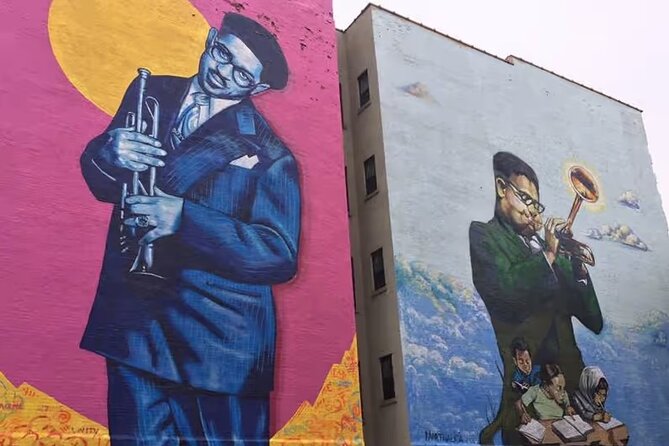
At $39 for about 2 hours, you’re paying for three things:
- A guided route through major Harlem sites
- Interpretation from local Harlem residents who know how to connect the story
- A structured experience that includes a performance stop at Bill’s Place and (on Sundays) gospel access
Most of the stops have free admission, which is unusual. You’re not doubling up on museum ticket costs just to learn the basics. That makes the price feel more like paying for a teacher than paying for entry fees.
Also, the group size cap at 18 keeps it from turning into a crowded shuffle. In a city like New York, that alone can be worth something.
Group pace, weather, and meeting points: the real-world stuff
This tour is designed for most travelers to participate, and it’s led by guides who seem comfortable keeping energy high. Still, it’s a walking experience. Wear shoes that can handle street crossings and uneven sidewalks.
Weather can affect how “sidewalk-heavy” the tour feels. One concern that pops up is time spent on visual explanations (like a photo folder) when the weather is cold. That’s not terrible, but it can change the rhythm from outdoor walking to indoor listening. If your schedule is tight, give yourself a little cushion.
Meeting point accuracy is another practical consideration. I’d treat this like any popular tour in NYC: confirm the exact meeting location with your guide ahead of time, especially if you’re arriving from somewhere nearby.
Who this tour is best for (and who might want a different plan)
This one fits you if you want:
- A focused 2-hour Harlem introduction
- Stops that cover research, faith, architecture, and music
- Guides who bring names and events to life—especially Ron, Lady Altovise, and Meredith
- A blend of culture and social context, including the neighborhood’s shift over time and the push for equality
You might want a different plan if:
- You need a tour that covers fewer indoor explanations on cold days
- You’re hoping for a sweeping, ultra-deep timeline at every minute of the walk (this is more of a curated route than a full-semester course)
Final call: should you book Soul of Harlem?
I think you should book it if you want a practical, story-led Harlem walk that connects the Schomburg Center’s archives, Abyssinian’s institutional roots, Strivers’ Row’s street-level architecture, and the Apollo’s stage legacy—with music and Sunday gospel adding extra lift.
Skip it only if you’re extremely sensitive to pace changes from weather or you have a hard stop with no flexibility at all. With comfortable shoes, a warm layer, and a little curiosity, this is a strong way to understand Harlem beyond postcards—and to leave with names you’ll actually remember.
FAQ
FAQ
How long is the Soul of Harlem tour?
It runs for about 2 hours (approx.).
How much does the tour cost?
The price is $39.00 per person.
What stops are included?
You visit the Schomburg Center for Research in Black Culture, Abyssinian Baptist Church, Strivers’ Row, Bill’s Place, and the Apollo Theatre.
Is admission included for the stops?
The tour information lists free admission for the Schomburg Center, Abyssinian Baptist Church, Strivers’ Row, Bill’s Place, and the Apollo Theatre as part of the experience.
Is there a gospel experience?
Yes, Sundays only include a gospel experience at a local church, with skip-the-line access.
How large is the group?
The tour has a maximum of 18 travelers.
What language is the tour in?
The tour is offered in English.
Can I cancel and get a full refund?
Yes. You can cancel for a full refund if you cancel up to 24 hours in advance of the experience start time.
Are service animals allowed?
Yes, service animals are allowed.