REVIEW · OCALA
Ocala: Gypsy Gold Horse Farm Horses & History Tour
Book on GetYourGuide →Operated by Gypsy Gold LLC · Bookable on GetYourGuide
If you think you’ve seen every kind of horse, this farm will reset that. Gypsy Gold Horse Farm pairs Gypsy Vanner horses with the real story of how the breed was discovered and registered, right here in Ocala.
Two things I like a lot: first, the 1-hour history lecture with Dennis Thompson, which gives you context you won’t get from a quick look in a paddock. Second, the chance to walk a 40-acre working farm and meet the animals up close, not just pose and leave.
One consideration: this is a history-and-culture focused visit, so it may feel slow for very young kids who want nonstop action.
In This Review
- Key points to know before you go
- Ocala’s Gypsy Gold Horse Farm: where culture meets the stable
- The 60-minute lecture with Dennis Thompson sets the tone
- Photo-op time: see a Gypsy Vanner Horse right after the talk
- A guided 40-acre farm walk: horses plus mules, donkeys, and parrots
- What to expect on the walk
- What you’ll gain from seeing more than horses
- The story behind the first 16 registered Gypsy Vanner horses
- 2 hours vs 1 hour: choosing the right tour length for your style
- The 2-hour Horses & History option
- The 1-hour walking tour option
- Price and value: what about $50 gets you
- Practical tips that make the visit smoother
- Who should book this tour (and who should think twice)
- Tour days, start times, and how to plan your day
- Should you book Gypsy Gold Horses & History in Ocala?
- FAQ
- How long is the tour?
- What does the 2-hour Horses & History tour include?
- What days and times are tours available?
- Is there a shorter option if I don’t want the lecture?
- What animals will I see on the farm?
- Who gives the lecture?
- What should I bring?
- Are pets allowed?
- Can I cancel and still get a refund?
- Is the tour suitable for wheelchair users or animal allergies?
Key points to know before you go
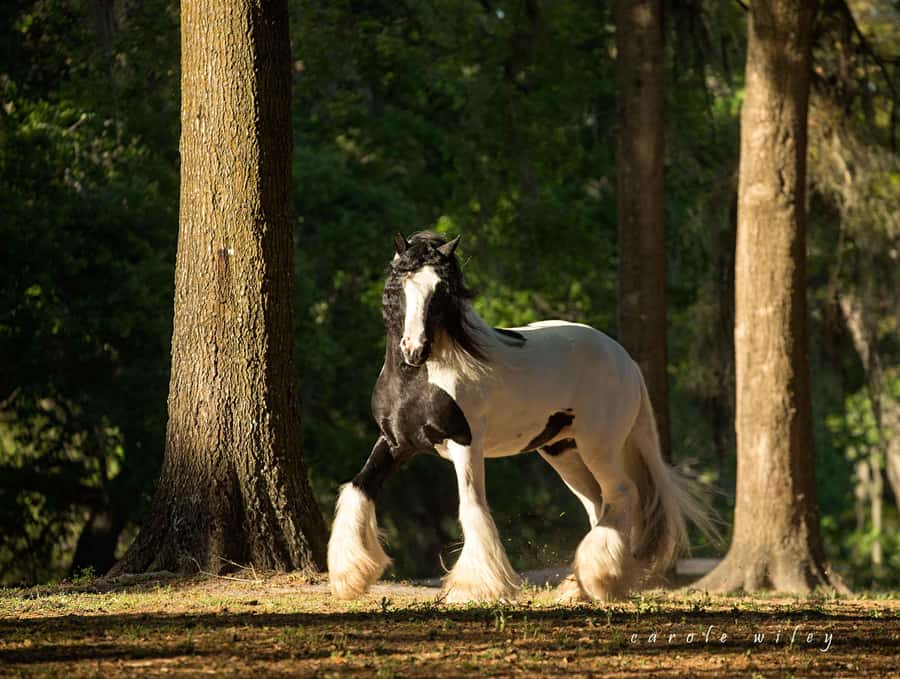
- A Dennis Thompson-led history lecture puts the Gypsy Vanner story in plain language before you meet the horses
- Photo-op with a Gypsy Vanner Horse happens right after the lecture, so the breed makes sense fast
- A true farm tour across 40 acres includes horses plus other animals like mules, donkeys, and parrots
- Home to the first 16 registered Gypsy Vanner horses in the United States, helping you understand how the breed took off
- Two tour lengths to match your pace: 2 hours for the full Horses & History experience, or 1 hour for a walking tour
Ocala’s Gypsy Gold Horse Farm: where culture meets the stable
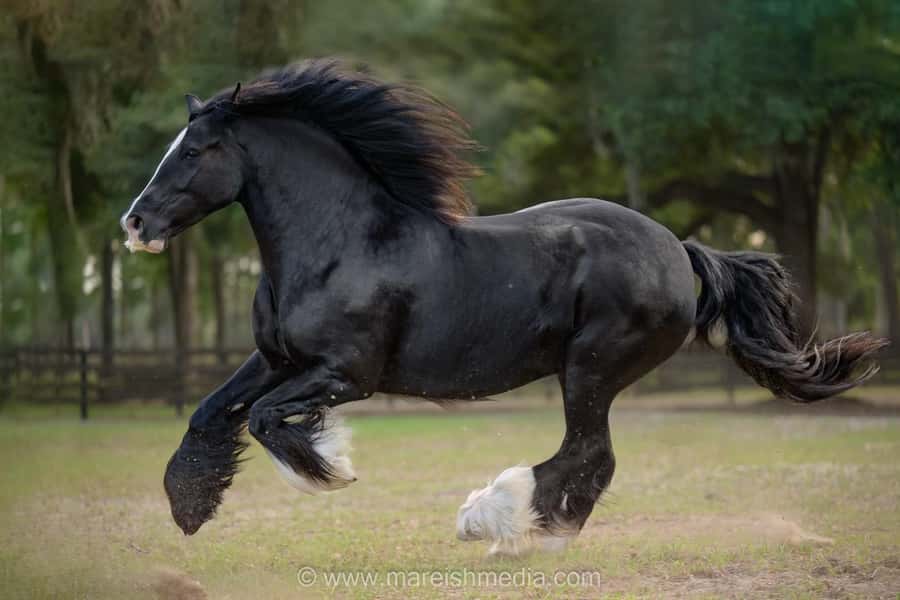
Ocala is Florida’s horse country, and this visit leans hard into that identity. But instead of only showing you pretty horses, Gypsy Gold frames the animals as part of a people-and-history story. That’s what makes it different: you don’t just look. You learn why these horses exist in the way they do.
The setting also matters. You’re visiting a farm that’s built around education and meeting the animals where they live, over a 40-acre space. And because it’s a private group experience, the tone stays personal rather than mass-tour-ish.
If you’re curious about how a breed is recognized, how naming works, or how cultural knowledge travels across time and countries, this is the kind of stop you’ll remember later when you see Gypsy Vanners again.
The 60-minute lecture with Dennis Thompson sets the tone
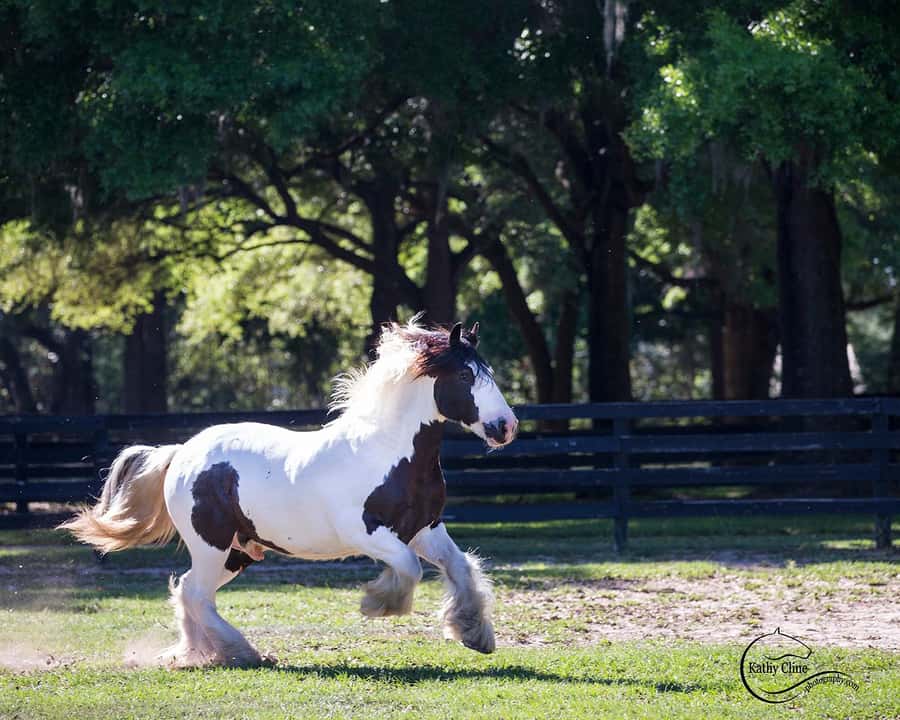
The tour starts with a 1-hour lecture. Dennis Thompson leads the talk, and that’s a big part of the value. You’re not guessing what you’re looking at; you get the background first, then the farm visit makes more sense.
This is where you learn how the Gypsy Vanner Horse connects to British Gypsy communities. You also learn that the Thompsons didn’t start with a catalog and a clipboard. They found something unusual while traveling through the English countryside, and then they spent time learning from what they saw in Gypsy camp life.
A few themes the lecture brings to the surface:
- why the breed was developed by British Gypsies
- how the Thompsons studied the horses they found
- how the breed’s identity was shaped, including the naming of Gypsy Vanner Horse
I like this order. You leave the lecture knowing what questions to ask when you meet the horses. That’s when your eyes start spotting details instead of just taking photos.
Photo-op time: see a Gypsy Vanner Horse right after the talk
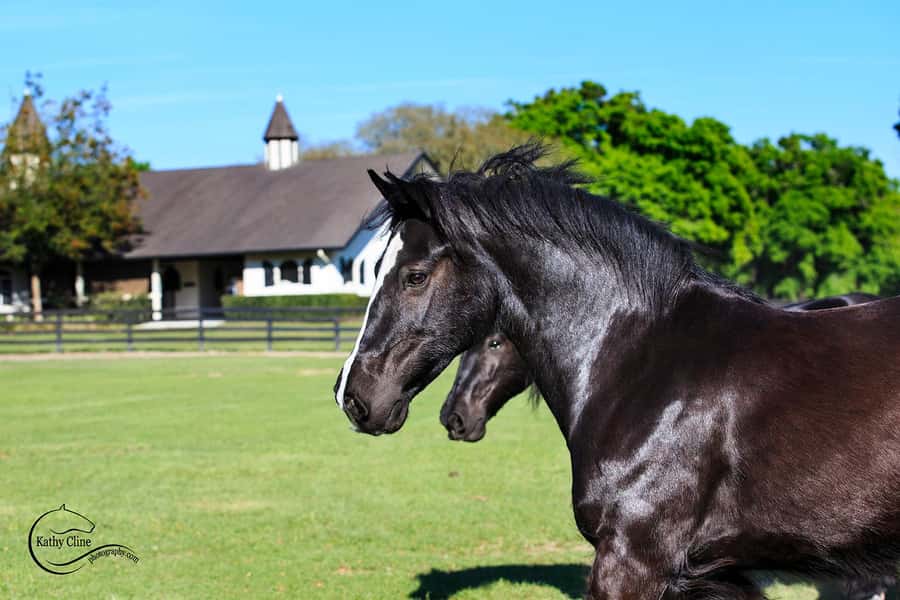
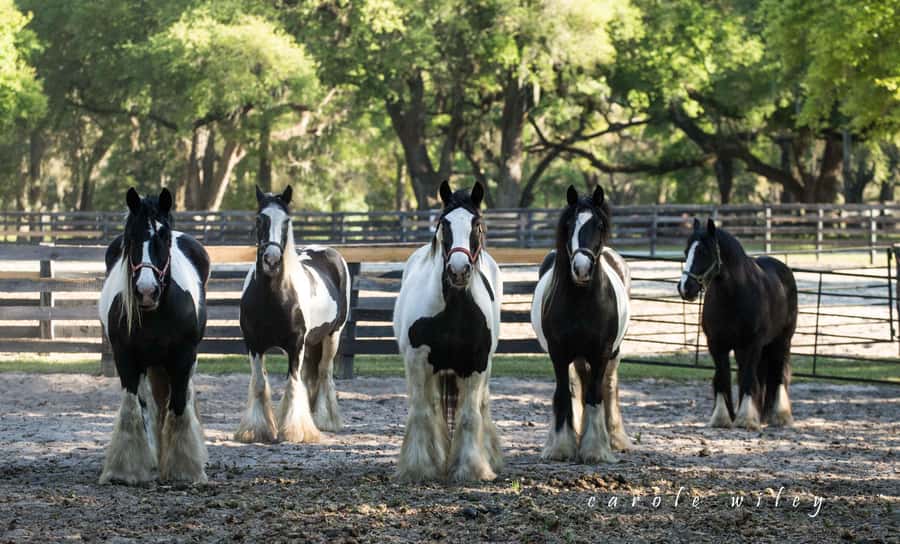
After the lecture, you get a photo-op with a Gypsy Vanner Horse. This is a small moment, but it’s smartly placed. You’ve just heard the story, so you can connect the “why” to the “what” immediately.
If you’re a camera person, bring your closed-toe shoes and get ready to move a little. The farm can be sunny and warm, and you’ll want to stay comfortable if you’re planning to snap photos and then keep walking.
Also, don’t treat the photo-op like a drive-by. Use it to look closely: coat, markings, and overall build. Even if you’re not a horse expert, the lecture will help you notice what makes the Gypsy Vanner distinct.
A guided 40-acre farm walk: horses plus mules, donkeys, and parrots
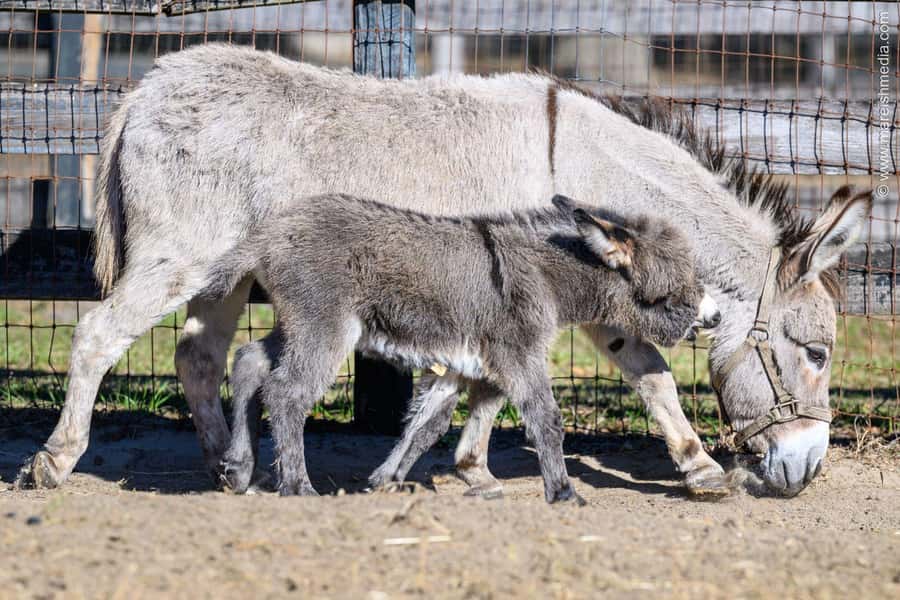
Next comes the farm tour, guided and paced for you to meet animals on site. The experience is built around a guided walk of the property, with you learning as you go rather than hearing everything at a desk.
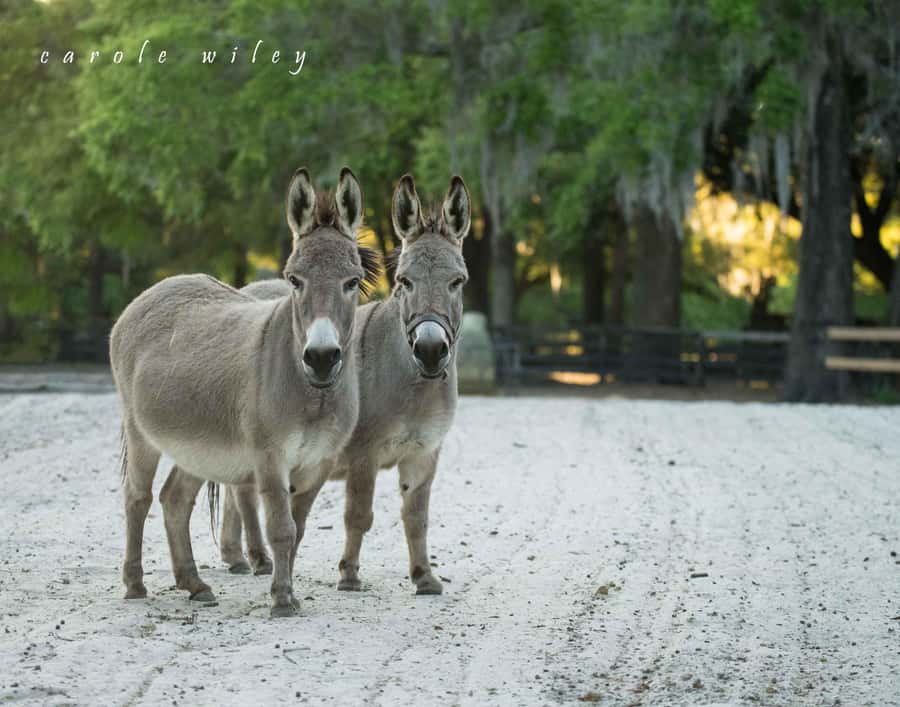
On the farm, you’ll meet not only horses but also mules, donkeys, and parrots. That matters more than it sounds. A lot of horse tours stop at one barn and one species. Here, you get a broader view of how a farm actually functions and what “home” looks like for different animals.
What to expect on the walk
You’ll be walking across a working property, so comfortable shoes are essential. You’ll also be in the sun more than you might think, especially in central Florida. Bring water and wear sunscreen, or you’ll rush the experience just to stay comfortable.
What you’ll gain from seeing more than horses
Seeing multiple kinds of animals helps you understand that the farm experience is about care and environment, not only about a single breed. The better you connect the animals to daily life on the property, the more you’ll appreciate why the horses here matter to breed history.
The story behind the first 16 registered Gypsy Vanner horses
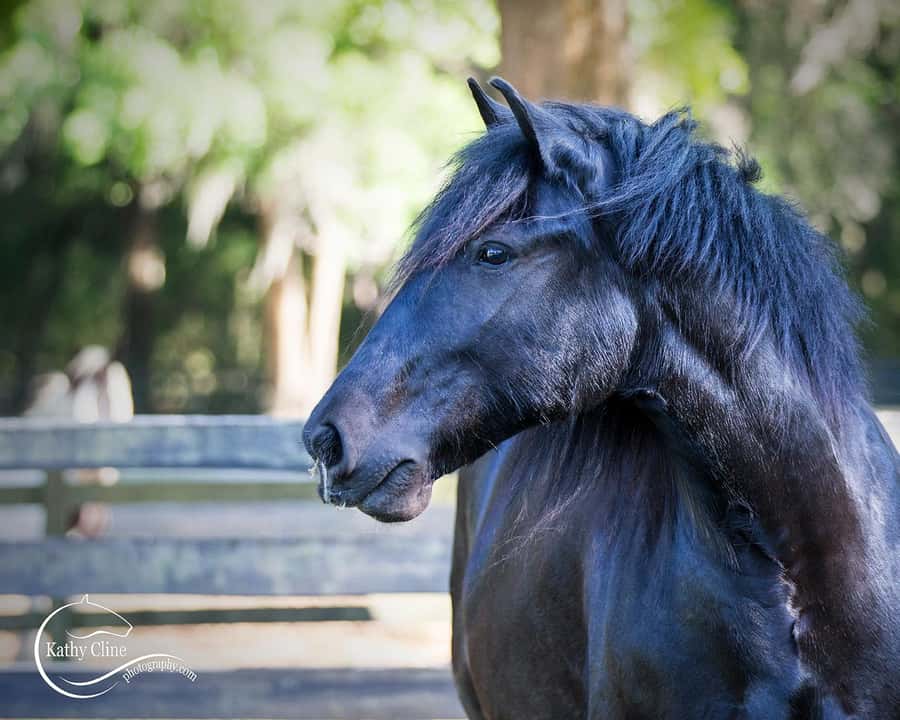
One of the strongest reasons to book is the farm’s link to the first 16 registered Gypsy Vanner horses in the United States. That detail isn’t just trivia. It’s the bridge between discovery and preservation.
Here’s the basic idea you’ll learn: when the Thompsons encountered the breed and studied what they found, they didn’t just admire the horses. They worked to understand the horses raised by British Gypsies and then help carry that knowledge into the U.S.
Over time, they took part in naming the breed Gypsy Vanner Horse and helped establish The Gypsy Vanner Horse Society, described as the world’s first registry for a breed developed by British Gypsies. That’s why the farm visit feels like more than animal viewing.
You’re watching the result of a long effort—one that connects culture, language, and formal recognition. Even if you don’t care about registries, you should care about what that kind of structure does: it protects identity and makes it easier for others to understand what they’re looking at.
2 hours vs 1 hour: choosing the right tour length for your style
Gypsy Gold offers two options: a 2-hour educational tour and a 1-hour walking tour. The difference is simple but important for planning.
The 2-hour Horses & History option
This is the full experience: a 1-hour lecture with Dennis Thompson, then a photo-op, then your guided farm walk. If you like context—why something exists—you’ll probably want this one.
The 1-hour walking tour option
This is your choice if you want to focus more on the farm itself and less on the lecture portion. It can be a good fit if you’re short on time or if you already feel comfortable with the general background and you just want to meet the animals.
If you’re the type who likes museum-style storytelling, you’ll likely feel satisfied with the longer option. If you’re more of a “show me the animals” person, the shorter one can be the better value in time.
Price and value: what about $50 gets you
The price is listed at $50 per person for this experience length. For that money, you’re paying for three main things: expert-led history, a guided farm visit, and structured animal time (including the photo-op).
Compared with casual self-guided visits, the value here comes from interpretation. You don’t have to guess what you’re looking at, and you don’t have to piece together the story from scattered sources. You get it in one place, with a guide who’s connected to the discovery and the breed’s development.
Also, you’re not paying for transportation or meals. Plan on bringing your own schedule around that. If you’re staying in Ocala for a couple days, you can pair this with other horse country stops without feeling like you’re spending your whole day in transit.
Practical tips that make the visit smoother
This tour is outdoors and hands-on in the “you’ll walk around the farm” sense. So small preparations matter.
Bring:
- Closed-toed shoes (you’ll be on a farm, not a city sidewalk)
- Water, especially in Florida heat
- Sunscreen and a hat
- A camera if you want to capture the photo-op and the farm walk
- Carrots, since you’re encouraged to bring them
Wear:
- Comfortable clothes that can handle sun and walking
Plan for:
- Weather-appropriate clothing, because you’ll be outside for the lecture-to-walk flow
And remember the rules:
- No pets
- No smoking
Who should book this tour (and who should think twice)
This works best for adults and older teens who enjoy history, culture, and understanding how something specific was created. If you like learning about breeds through people and documents, you’ll get a lot out of it.
It also fits well if you enjoy meeting animals but you don’t need it to be nonstop entertainment. The experience is educational. That’s the point.
One caution: one recent note specifically flagged that the tour may not hold young children’s interest. If your kids are the “constant action, zero lecture” type, you might consider the 1-hour walking tour instead, or have a backup plan for keeping them engaged.
If you have allergies, this isn’t listed as suitable for people with animal allergies. And if you need wheelchair access, it’s also not listed as suitable for wheelchair users. Those are the kind of planning details that can make or break a day.
Tour days, start times, and how to plan your day
Tours run every Monday, Wednesday, Friday, and Saturday, with starting times at 10:00 AM or 1:30 PM. That schedule helps if you’re building an Ocala itinerary around a specific day.
Since the visit is 2 hours for the full tour, treat it like a main activity block. You’ll want a little buffer before and after so you can travel to the farm and then handle your next stop without rushing.
Also, language is English, and the tour is a live guided experience in a private group format. If you’re traveling with a small circle and want less crowd pressure, that private setup is a plus.
Should you book Gypsy Gold Horses & History in Ocala?
I’d book it if you want more than a quick animal encounter. The big win is the order of operations: lecture first, photo-op right after, then the farm walk. That creates understanding, not just memories.
I’d think twice if you’re bringing very young kids who get bored with history-focused talking. In that case, choose the shorter walking tour option and keep expectations realistic.
Also book if you’re the kind of traveler who cares about how cultures shape outcomes. The Gypsy Vanner story here isn’t treated like folklore. It’s presented as a real process tied to the Thompsons, the naming of the breed, and the registry effort that helped formalize recognition.
If you’re visiting Ocala for horse country, this is one of the most meaningful “why this breed exists” experiences you can fit in.
FAQ
How long is the tour?
You can choose a 2-hour educational tour or a 1-hour walking tour.
What does the 2-hour Horses & History tour include?
It includes a 1-hour lecture about the breed’s history led by Dennis Thompson, a photo-op with a Gypsy Vanner Horse, and then a 1-hour guided tour of the farm.
What days and times are tours available?
Tours are available every Monday, Wednesday, Friday, and Saturday, with starting times at 10:00 AM or 1:30 PM.
Is there a shorter option if I don’t want the lecture?
Yes. There’s a 1-hour walking tour option.
What animals will I see on the farm?
You’ll meet Gypsy Vanner Horses and you’ll also see horses, mules, donkeys, and parrots on the property.
Who gives the lecture?
Dennis Thompson gives the 1-hour lecture at the start of the Horses & History tour.
What should I bring?
Wear comfortable closed-toed shoes. Bring a hat, sunscreen, water, a camera, and carrots.
Are pets allowed?
No, pets are not allowed.
Can I cancel and still get a refund?
Yes. You can cancel up to 24 hours in advance for a full refund.
Is the tour suitable for wheelchair users or animal allergies?
No. It is not suitable for wheelchair users and it is not suitable for people with animal allergies.