REVIEW · DENVER
Denver – Capitol Hill Guided Walking Ghost / History Tour
Book on Viator →Operated by Ghostly Emprise · Bookable on Viator
Mysterious architecture after dark makes Denver feel new. This guided Capitol Hill walking tour mixes Denver history with local ghost lore as you move between several rumored haunted sites, from the Molly Brown House area toward the Colorado State Capitol. I especially like the way the walk is short (about 1 mile) and paced for an easy evening, plus the guide-led mix of building stories and paranormal-style moments.
One thing to plan for: you’re outdoors after dusk, and some nights the pace can feel quick when it’s cold, windy, or the group needs to keep moving for timing.
In This Review
- Key points before you go
- A 90-minute ghost-and-history walk with real Capitol Hill atmosphere
- Where you meet and how the walking route flows
- Stop-by-stop: what the guide points at on the Molly Brown House route
- The Patterson Inn: history that turns into a haunting-style story
- Peabody-Whitehead Mansion: where architecture and legend intersect
- How the guides set the tone: James F., Sheila, and Tori
- EMF detectors and the optional extra you can rent
- What to wear, bring, and pay attention to on this evening walk
- Price and value: is $28 worth it?
- Best fit: who this Denver ghost tour works for
- Should you book this Denver Capitol Hill ghost-and-history walk?
- FAQ
- What does the Denver Capitol Hill Guided Walking Ghost / History Tour cost?
- How long is the walking tour?
- Where is the meeting point?
- What’s included in the ticket price?
- Is an EMF detector included?
- What language is the tour offered in?
- What is the cancellation/refund timeline?
Key points before you go
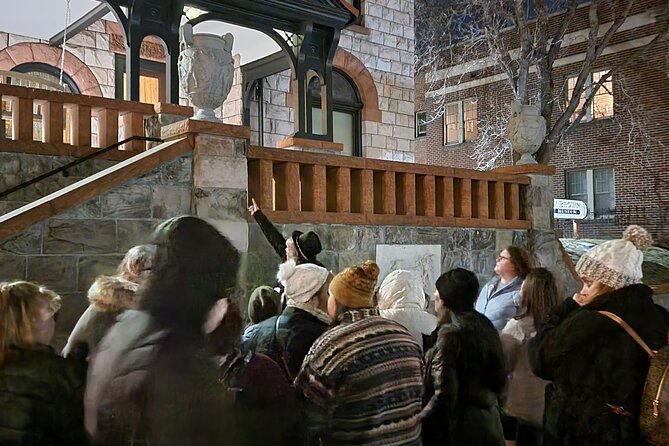
- Real mansions, not just talk: you’ll see the kinds of buildings that make the stories stick.
- Spooky history, balanced: you get names, dates, and design details alongside hauntings.
- Optional EMF detector fun: you can rent one for $6 USD if you want extra activity.
- Photo-friendly night: the guide may share how to look at what a camera catches.
- Local guide energy: you’ll likely get a guide who knows the area and tells it with personality.
- Small enough to engage: up to 90 people, with a format that works for conversation.
A 90-minute ghost-and-history walk with real Capitol Hill atmosphere
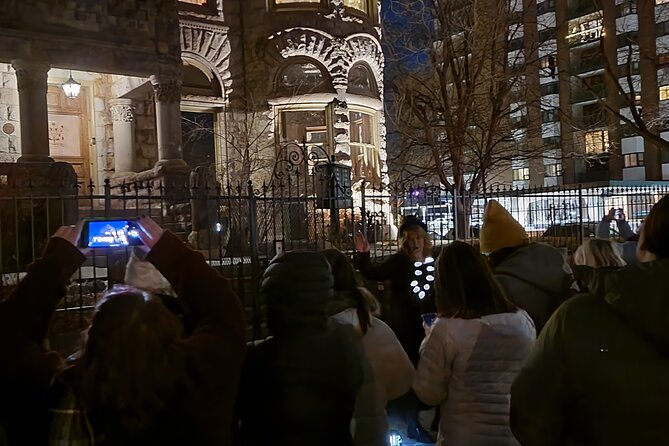
This is the kind of tour that works even if you’re on the fence about ghosts. The pitch isn’t just jump-scare spooky; it’s Denver history set into motion, with the guide pointing out architectural clues and local legends in the same breath.
You’re on foot for about 1.5 hours, covering roughly 1 mile. That makes it practical for a weeknight plan: you get a full “evening event” feeling without committing to a long slog or late-night driving. It also means you spend more time outside looking at buildings, not staring at a bus window.
And because it’s Capitol Hill, the setting helps. Mansions and civic buildings look different at night. Even when you’re not chasing a supernatural explanation, you still get that wow-factor of the neighborhood’s facades, doors, and windows as the guide connects each stop to what happened there.
You can also read our reviews of more tours and experiences in Denver.

Where you meet and how the walking route flows
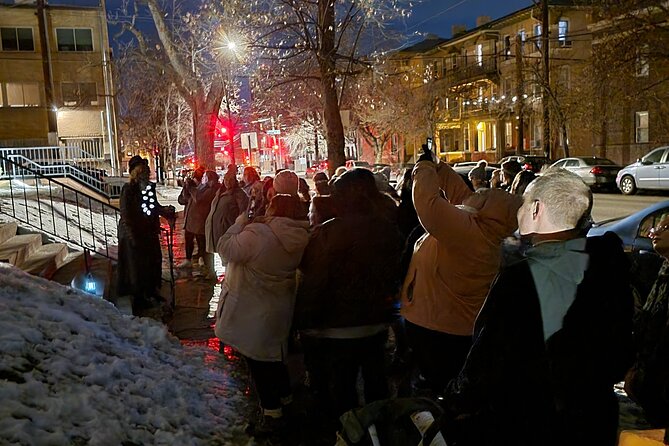
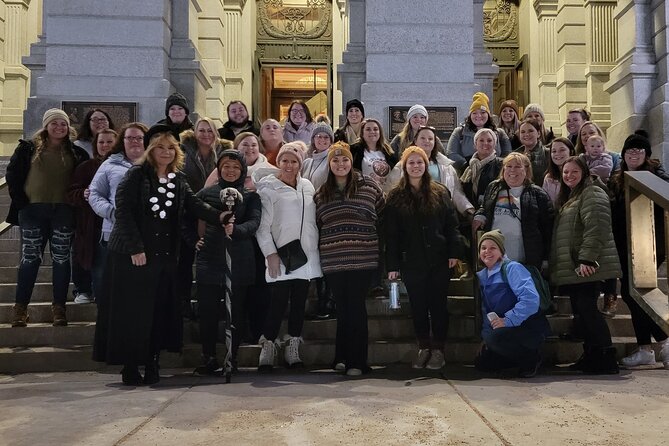
The tour starts at the Colorado State Capitol, 200 E Colfax Ave, Denver, CO 80203, with the experience ending back at the same meeting point. Start time is 7:00 pm, and you’ll want to be early. One of the biggest frustrations people report with this kind of tour is missing the group, so arriving a few minutes ahead helps you avoid stress.
Even though the tour starts at the Capitol area, the route includes stops that take you through the Molly Brown House orbit and nearby properties. The overall loop is designed so you can see multiple exterior sites without it turning into a full-day “walk the whole city” plan.
The itinerary is built around movement and story timing: the guide layers the background first, then brings in the haunting claims as you reach the relevant building features. That order matters. If you hear the backstory before you stand in front of the place, you’re more likely to notice the details the guide points out.
Stop-by-stop: what the guide points at on the Molly Brown House route
The tour’s spirit begins with the Molly Brown House area and the legend that keeps popping up around it. This is one of the most memorable stops on the walk, partly because it has strong Denver name recognition and partly because the haunting stories associated with it are vivid.
A detail that comes up here is the idea of a ghost cat and the way camera photos can sometimes seem to show unusual shapes or movement. If you like the photo-and-story angle, this is the stop where the tour energy often peaks.
What I like about this approach is that it gives you something to do besides listen. The guide encourages you to look closely at what’s in front of you as the story lands. Even if you’re a practical skeptic, you still end up treating the buildings like evidence: entry points, windows, and the spaces people would have seen from.
If it’s your first time in Denver, this start also gives you quick context. You’re not getting lost in “ghost lore only.” You’re getting the neighborhood’s social history and why these big homes and institutions ended up here in the first place.
The Patterson Inn: history that turns into a haunting-style story
From the early part of the walk, you’ll move past the Patterson Inn, another spot where the guide blends the past with what people say they’ve sensed over time. Inns and hotels tend to generate stories naturally because they’re built on comings and goings, illness, late nights, and tense moments that don’t fade quickly.
The Patterson Inn stop works well for a simple reason: it’s the kind of building where you can picture how events unfolded. The guide uses that mental picture, then folds in the paranormal claims that go with it.
If you’re expecting a technical paranormal setup, keep your expectations realistic. You’re not operating a lab. You’re in a nighttime walking tour where the guide uses atmosphere, local legend, and optional gear (like an EMF reader if you rent one) to turn the area into an interactive story.
Peabody-Whitehead Mansion: where architecture and legend intersect
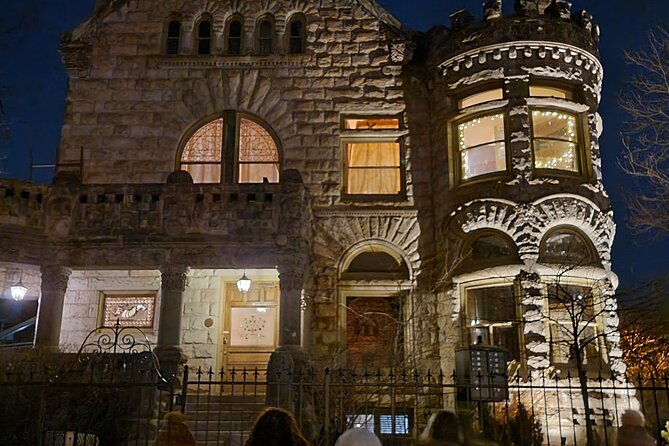
One of the big “Capitol Hill wow” moments is the Peabody-Whitehead Mansion stop. This is where the tour leans into the idea that architecture tells you something about the people who lived (or worked) there. The guide uses exterior features like window placement and building layout as part of the storytelling.
A haunting element that gets mentioned here is the idea of window activity and the lore around guard dogs, which adds a tense, almost cinematic feel to the stories. Even if you don’t buy the supernatural angle, the tale works because it’s tied to how someone could have been seen, heard, or watched from specific vantage points.
This stop is great for couples and small groups because it’s memorable in two ways. You see a striking building, and you also get a story that feels like it has a “why” behind it: the building’s function, the time period, and how daily routines would have played out.
How the guides set the tone: James F., Sheila, and Tori
The biggest repeat theme is the guide personality. You’ll hear names like James F., Sheila, and Tori come up with different group experiences, but the common thread is energy plus a real effort to keep the group engaged.
James F. is described as entertaining and informative, with a style that mixes history with comedy while still staying grounded in facts about the buildings and Colorado events tied to them. Sheila’s style is often praised for being engaging and full of stories, including sharing actual photos from earlier encounters captured during past tours. Tori’s tours are noted for being detailed, with extra insights and photo support through an assistant (Blake) in at least one group experience.
Why this matters: a ghost tour lives or dies on pacing and explanation. If the guide only recites legends, you tune out. If the guide only gives history, the “ghost” half feels forced. Here, the balance seems to land well because the stories are connected to real places and real architecture.
Also, the guide’s local touch helps. Some guiding styles include references to current community connections or research tied to the buildings, which makes the stories feel less like generic creepiness and more like Denver-specific lore.
EMF detectors and the optional extra you can rent
This tour offers an optional EMF detector rental for $6 USD (not included in the ticket price). Even if you don’t fully buy into EMF as proof, it’s still a useful prop for focusing attention on the tour’s interactive side.
In practical terms, renting one can make you feel more involved. Instead of just listening, you get a small task: watch for any changes the guide points out and compare what you notice with the story being told at that moment.
A key reality check: an EMF reader is a gadget, not a courtroom expert. But as a fun add-on, it can heighten the experience, especially on a cold night when your senses are already tuned to the dark.
If you’re traveling as a group and half want the tech and half don’t, you can split it. It’s also helpful if you want a bit more structure for the haunting claims: the guide can tie the spooky narrative to a moment where everyone can look at the same thing.
What to wear, bring, and pay attention to on this evening walk
This is a nighttime walking tour, so plan like it’s a real outdoor outing. Wear warm layers. One review notes that cold weather made the group feel pushed along, which is exactly what happens when the tour duration and your comfort don’t match.
Bring a charged phone and consider extra space in your camera roll. There’s a photo-angle to this tour: guides have shared that photos may show surprising orbs or shapes captured on camera during past outings. You might also notice how your own framing changes the way you interpret the building features the guide points out.
Comfort-wise, remember the walking distance is about 1 mile. That’s not huge, but it’s still continuous. Comfortable shoes beat “cute boots” every time on uneven sidewalks and near street crossings.
If you get cold easily, that’s your main variable. The stories are better when you can stay present. You can still have fun on a windy night, but you’ll enjoy it more if you’re not shivering through the best stop.
Price and value: is $28 worth it?
At $28 per person for about 1 hour 30 minutes, the value comes from what you actually get: a guided route through multiple prominent sites plus a story mix that’s more than just one house or one legend.
The tour includes the guided walking ghost/history experience. Optional add-ons cost extra, like the EMF detector rental ($6 USD), and tips are not included. That’s normal for tours, but it’s worth factoring in if you plan to add the tech.
So is it worth it? I’d say yes if you want a Denver evening activity that gives you both:
1) a practical introduction to Capitol Hill landmarks, and
2) a guided narrative that tries to make the paranormal element feel connected to place.
If you’re only interested in long, detailed history lectures, you might find the stories more “story-driven” than textbook. If you want pure thrills with minimal explanation, this won’t be that either. The sweet spot is someone who likes facts, architecture, and spooky stories with a guide in control.
One helpful signal: the tour holds a 4.7 rating and a 95% recommendation rate. That kind of consistency usually means the guide style and route plan land well more often than not.
Best fit: who this Denver ghost tour works for
This tour suits:
- Couples looking for a shared Denver night that feels different from typical dinner-and-a-museum plans.
- Small groups and friends who enjoy conversation and a bit of theater from the guide.
- Anyone who likes “history plus one weird layer,” including non-believers who still enjoy legends tied to real buildings.
It can also be a good “family night,” though you’ll want to match it to your kids’ tolerance for spooky stories. The walk itself is manageable, but it’s still a ghost tour tone.
The main reason to hesitate is pace. Some people want slower, more conversational time at each stop, while others are fine with keeping things moving. If you’re sensitive to cold or you like lingering, plan to dress for comfort so you can keep up with the schedule without losing the story.
Should you book this Denver Capitol Hill ghost-and-history walk?
Book it if you want an evening plan that mixes Denver architecture, guided storytelling, and a chance to play with the optional EMF detector for a small extra cost. It’s short enough to fit easily into a trip, and the route hits high-interest places that make the hauntings feel specific to Denver rather than generic.
Skip it or choose your expectations carefully if you hate outdoor night walks in cold weather or if you prefer extremely slow, discussion-heavy tours. Also, be disciplined about meeting up early; this type of tour can’t wait forever once it’s time to start.
If your idea of a great trip includes walking neighborhoods after dark and letting stories turn real streets into something you remember, this one fits the mood. And if you’re lucky, you’ll get a guide with that special mix of history details and playful spooky energy that makes the whole Capitol Hill loop feel like more than just a stroll.
FAQ
What does the Denver Capitol Hill Guided Walking Ghost / History Tour cost?
The tour costs $28.00 per person.
How long is the walking tour?
The tour lasts about 1 hour 30 minutes (approximately).
Where is the meeting point?
The meeting point is the Colorado State Capitol, 200 E Colfax Ave, Denver, CO 80203.
What’s included in the ticket price?
The ticket includes the Denver – Capitol Hill Guided Walking Ghost / History Tour.
Is an EMF detector included?
No. The EMF detector rental costs $6 USD and is not included.
What language is the tour offered in?
The tour is offered in English.
What is the cancellation/refund timeline?
You can cancel for a full refund up to 24 hours in advance of the experience’s start time. If you cancel within 24 hours, the amount paid is not refunded.