REVIEW · PHILADELPHIA
Philadelphia: Revolution and The Founders History Tour
Book on GetYourGuide →Operated by Grim Philly Twilight Tours · Bookable on GetYourGuide
Philadelphia turns walking into living history. This Revolution and Founders tour strings together the big Revolutionary stops in Old City, with a real historian guiding your route and answering the questions that pop up. You’ll end up seeing how places link to the people behind the Declaration era, not just reading plaques.
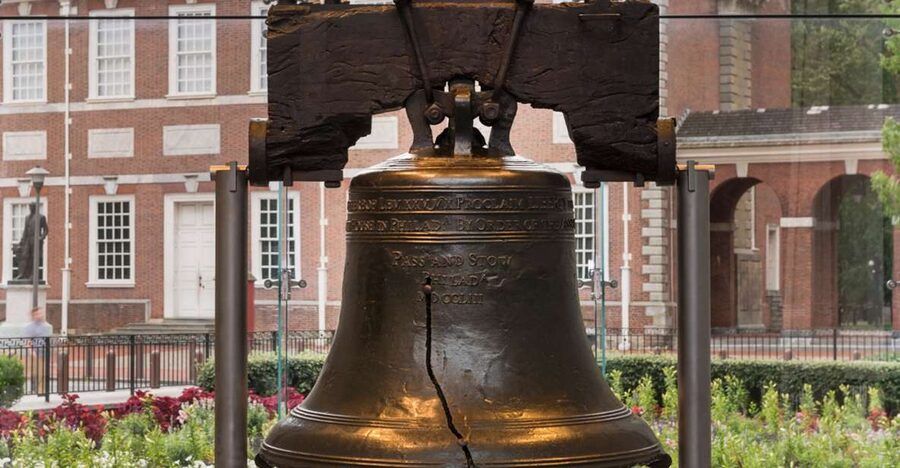
I especially like the Liberty Bell moment. It’s one thing to recognize the name, and another to hear what the building blocks around it meant for the revolution—and why those streets matter. I also like that the guide experience can be driven by standout storytellers like Wendy, Kyle, Josh, Vince, and Joseph, so the history lands as people-and-choices, not just dates.
One caution: this tour does not include Independence Hall timed tickets or the interiors of NPS federal structures. If you want to go inside, you’ll need a separate plan for those spaces.
In This Review
- Key Points to Know Before You Go
- Getting Oriented at the Independence Visitor Center
- Why This Walk Works: From Revolution Basics to Real Street Context
- The Route’s Main Stops: Liberty Bell, Washington’s Home Area, and Independence Hall
- Founder Connections That Actually Make Sense
- Continential Congress and the Political Story Behind the Places
- Q&A Time: Getting Your Own Answers Instead of Pretending You Know
- The Guide Experience: Why the People Matter on This Tour
- What’s Included vs. What You’ll Need to Plan Separately
- Timing and Pace: Two Hours That Stay Focused
- Rain or Shine: How to Dress for a City-Wide Walking Lesson
- Value Check: Is $29 a Good Deal for This Route?
- Who This Tour Fits Best
- Should You Book This Revolution and Founders History Tour?
- FAQ
- How long is the Philadelphia Revolution and Founders History Tour?
- What is the price per person?
- Where do we meet for the tour?
- Is the tour walking only?
- Does the tour include Independence Hall timed tickets?
- Are interiors of NPS federal structures included?
- What sites are part of the tour?
- What about weather? Is it canceled for rain?
- What language is the tour in?
- Is this tour wheelchair accessible?
Key Points to Know Before You Go
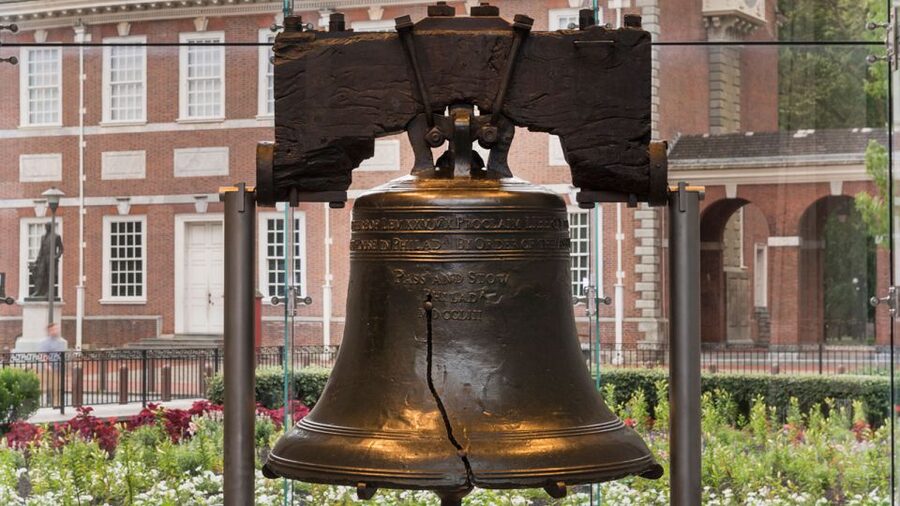
- Liberty Bell + Independence Hall area are core stops, so you get the famous anchors fast.
- Founders-focused street storytelling connects Franklin, Washington, Hamilton, Revere, Madison, Paine, and Henry to specific places.
- Ask-anything Q&A is part of the format, so you can chase your own curiosity.
- Two-hour walking route is a practical hit of Old City without turning into an all-day grind.
- Free podcast gives you a way to keep learning after you finish the walk.
- Rain-or-shine means you’re not left scrambling on a weather day.
Getting Oriented at the Independence Visitor Center
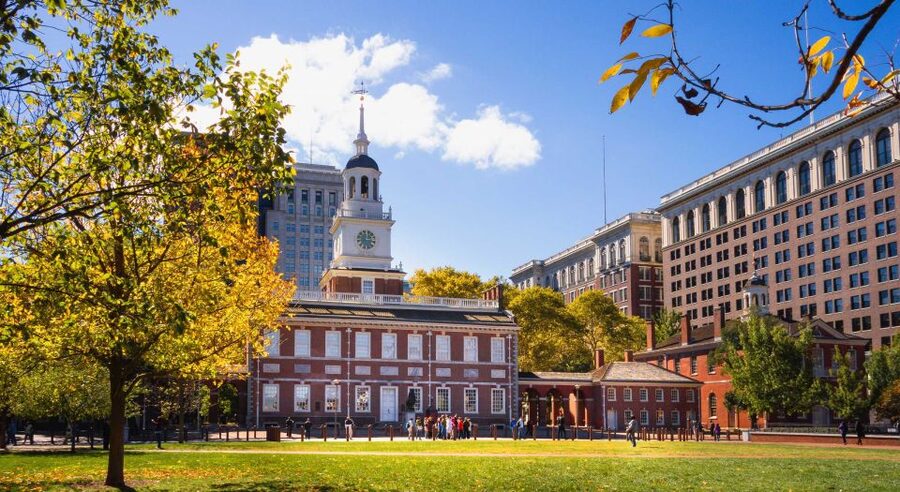
The tour starts outside the Market Street doors of the Independence Visitor Center. The meeting location is right in the thick of Old City, so you’re not spending precious tour time hunting for the group.
I like this kind of start because you can orient quickly. You’re already near major Revolutionary sites, so once you meet your guide, you can move on while everything is still clear in your head.
Quick practical tip: if you’re standing at the visitor center and the signage seems to point toward a side entrance, follow the guidance you get on arrival and look for your group at the main visitor-facing entrance area. That small detail matters because it’s easy to end up a few steps off when you’re arriving early.
You can also read our reviews of more tours and experiences in Philadelphia.

Why This Walk Works: From Revolution Basics to Real Street Context
This is a walking tour designed to give you a clean overview of Revolutionary Philadelphia. The rhythm is simple: walk the historic streets, stop at key locations, and connect those places to the political story unfolding in the 1770s.
What makes it work is the way it turns geography into narrative. Instead of treating each landmark like a standalone postcard, your guide links them to decisions, debates, and rival priorities among the founders. You leave with a sense of how the revolution wasn’t one neat straight line, but a messy chain of arguments happening in real places.
Also, the live component matters. You can ask questions as you go. That’s a big deal if you’re trying to understand why a certain founder mattered, or how a particular moment connects to what you’ve already seen.
The Route’s Main Stops: Liberty Bell, Washington’s Home Area, and Independence Hall
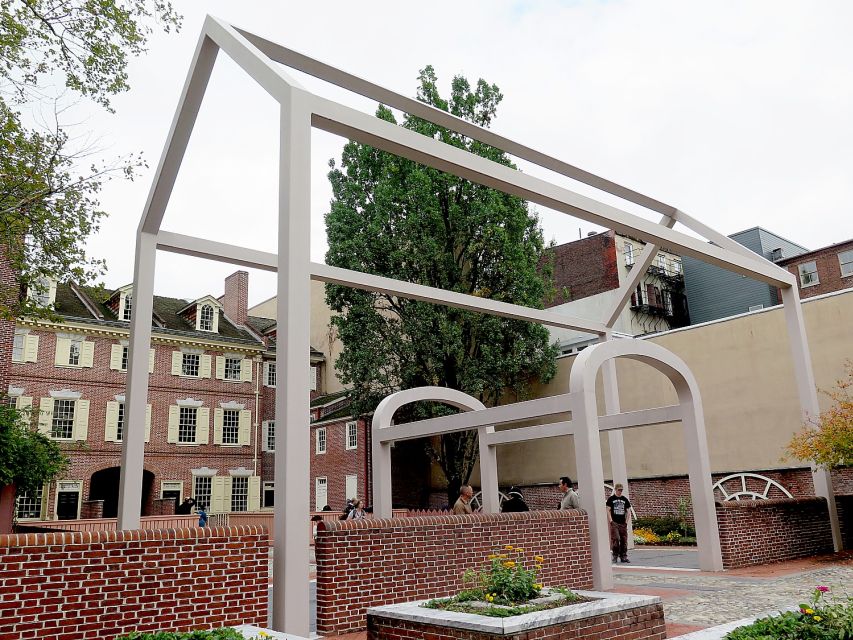
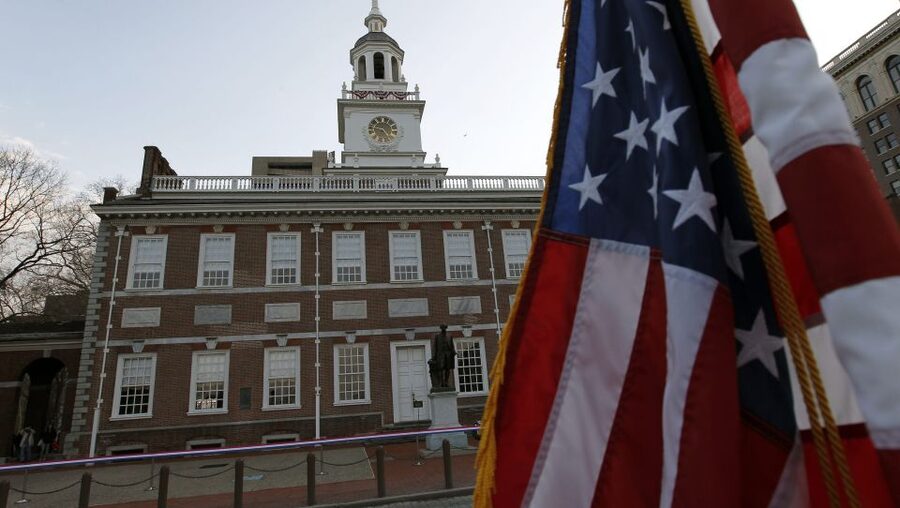
You’ll hit the major sites connected to the American Revolution, including stops tied to the Liberty Bell and the Independence Hall area. Even if you’ve seen photos, the value here is context. Your guide helps you put the Liberty Bell and nearby civic spaces into the larger story of independence and the political pressure leading up to it.
The tour also includes the home of George Washington and the broader Revolutionary neighborhoods around him. You’ll learn about George Washington in the setting where you’d expect to hear him: not as a distant statue, but as a central figure moving through the moment.
Independence Hall is part of the experience, but here’s how to think about it: you’ll be in the orbit of the landmark and learn what happened there and why it mattered, but you’re not guaranteed to go inside. Interiors of NPS federal structures and Independence Hall timed tickets are not included, so consider pairing this tour with a separate timed entry if you want the full inside-the-walls experience.
Founder Connections That Actually Make Sense
A big part of the appeal is that you don’t just hear names. You learn why those names mattered, and you connect them to places.
Here are the kinds of connections the tour makes:
- Benjamin Franklin is tied to the city’s Revolutionary intellectual and political energy.
- Alexander Hamilton shows up through his Philadelphia-era role and the local connections surrounding it.
- George Washington is framed through how leadership worked on the ground.
- Paul Revere and James Madison help you trace the revolution’s practical and political strands.
- Key debate-era voices like Thomas Paine and Patrick Henry help explain what arguments sounded like back then.
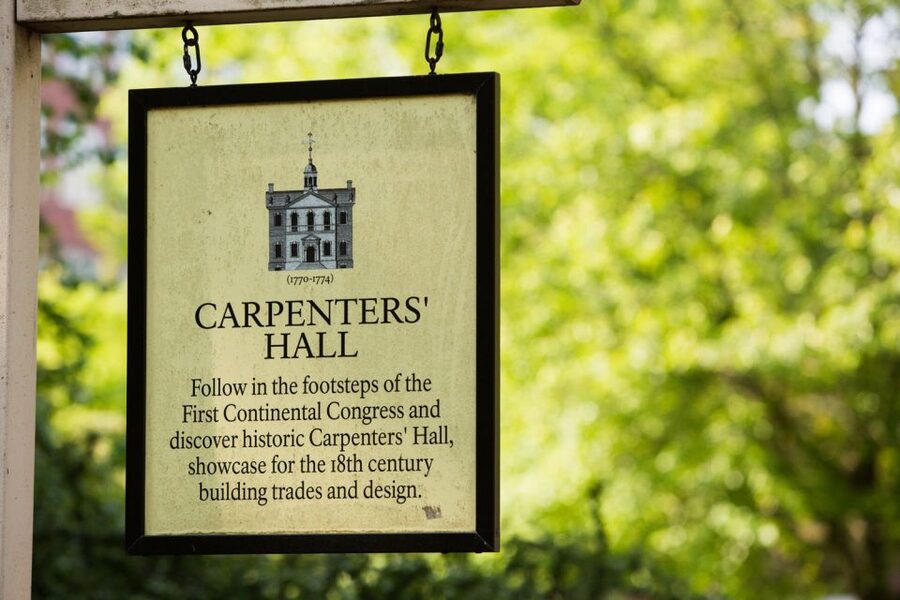
- You’ll also learn about the Continental Congress site and how it shaped the revolution’s governance.
This is where I think the value is. You can walk Philadelphia’s historic streets on your own and read plaques. But on a guided walk, the guide turns the plaques into a timeline you can follow, with cause and effect.
Continential Congress and the Political Story Behind the Places

One of the tour’s standout parts is the focus on the Continental Congress site. That stop helps you understand that the revolution wasn’t just military drama. It was also letters, votes, negotiations, and political legitimacy.
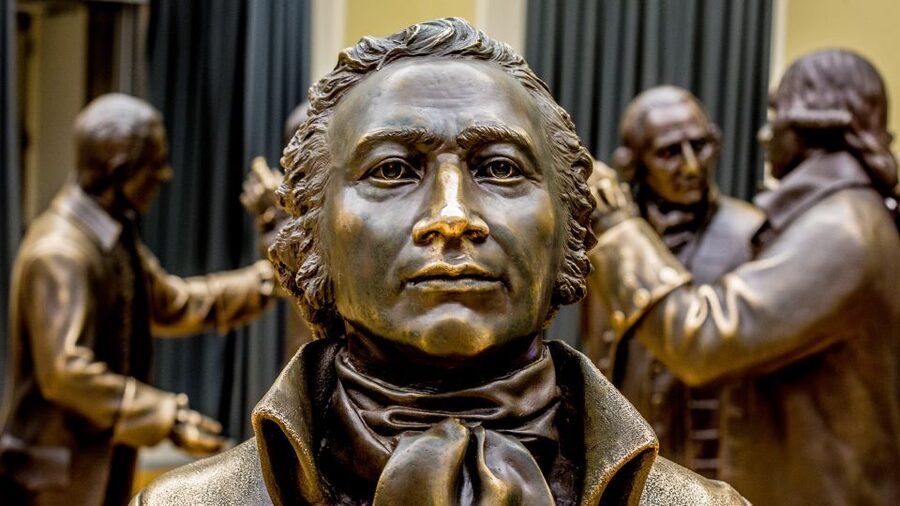
When your guide talks about the Continental Congress and people like Madison, you start to see the founders as a working network. They weren’t just heroes in a textbook. They were strategists and politicians trying to hold together alliances and decisions under intense pressure.
This section is especially useful if you’re not already deep in early American government history. You’ll leave with a clearer sense of why the political process was central to the revolution, not just an afterthought.



Q&A Time: Getting Your Own Answers Instead of Pretending You Know
A lot of tours give you a lecture and hope you keep up. This one builds in time to ask your guide questions. That’s valuable because every group has different levels of history comfort.
If you’re the kind of person who keeps wondering about a founder’s role beyond the headline, asking questions turns confusion into clarity fast. It also keeps the walk from feeling like a one-way presentation.
From what’s been shared by past groups, guides often bring energy and keep things interactive. You’ll likely feel a back-and-forth dynamic instead of a rigid script.
The Guide Experience: Why the People Matter on This Tour

For this kind of walking tour, the guide is half the product. The difference between a dry explanation and an engaging story is huge when you’re walking for two hours through sites that you might otherwise just skim.
You’ll see strong guide names tied to this tour format, including Wendy, Kyle, Josh, Vince, Joseph, Christa, Alex, Bill, Dr. Lee Arnold, Ted, and Jim. What stands out across guide styles is consistent: they’re prepared, they bring anecdotes, and they make sure your group stays involved.
There’s also a practical side to good guiding. One guide-style detail that keeps showing up is attention to keeping the group comfortable, including pacing and shade breaks in hot weather. On a walking tour, that can be the difference between a fun two hours and a sweaty slog.
What’s Included vs. What You’ll Need to Plan Separately
Here’s the clean breakdown so you can plan your expectations:
Included:
- A walking tour
- A live guide (English)
- A free podcast
Not included:
- Independence Hall timed-tickets
- Interiors of NPS federal structures
You can still enjoy a lot without interior access. But if Independence Hall inside access is on your must-do list, plan to grab timed tickets separately. I’d also suggest checking your schedule early, since timed-entry sites can fill.
The free podcast is a smart add-on. Even if you don’t listen immediately, it’s a useful way to refresh key points once you’re back at your hotel.
Timing and Pace: Two Hours That Stay Focused

The tour runs for 2 hours and continues rain or shine. That duration is a sweet spot. Long enough to connect multiple sites and build context, short enough that you can still fit in other Old City plans the same day.
Because it’s a walking route, wear shoes you actually trust. Philadelphia sidewalks around Old City can be uneven, and you’ll spend most of your time on foot.
Also, the tour is wheelchair accessible. If you’re mobility-limited, it’s still a walking format, so consider bringing what you need for comfort and pacing. The route is designed to be accessible, but it is still outdoors.
Rain or Shine: How to Dress for a City-Wide Walking Lesson
Since the tour happens rain or shine, you should treat it like an outdoor education event. Pack or wear:
- A light rain layer if the forecast looks iffy
- Comfortable shoes with grip
- A small umbrella only if you can manage it while walking as a group
Philadelphia weather changes fast. The upside is that rain doesn’t kill the schedule. You’ll still get the Revolutionary street story.
Value Check: Is $29 a Good Deal for This Route?
At $29 per person for a 2-hour guided walk, the value is in what you avoid and what you gain.
You avoid:
- Confusing self-guided wandering between major Revolutionary sites
- Guessing which stops matter most and why
- The time cost of trying to build your own timeline from plaques alone
You gain:
- A guide who ties the places together into a coherent Revolutionary narrative
- Live Q&A, which is where explanations become personal to your interests
- A free podcast that extends the learning beyond the walk
The trade-off is clear: you’re not buying an all-in-one ticket for Independence Hall interiors. But for the price, you’re buying smart orientation plus context across multiple foundational sites.
If you’re trying to do Old City efficiently, this is a budget-friendly way to get your bearings fast and understand what you’re looking at.
Who This Tour Fits Best
This is a great match if:
- You want the key Revolutionary Philadelphia sites without building a research project
- You like asking questions while you’re learning, instead of guessing later
- You’re short on time but want more than a basic landmark checklist
It’s also ideal for families who want an overview. Some guides are known for keeping things engaging and age-friendly, especially when you’re traveling with kids who get bored with long lectures.
If you’re already a deep Revolutionary specialist who knows the government details cold, you might want to pair this with a more focused museum or reading-heavy add-on. Think of this tour as your high-quality “big picture that still feels grounded in places.”
Should You Book This Revolution and Founders History Tour?
If you want a focused introduction to Revolutionary Philadelphia that connects Liberty Bell and Independence Hall to the people who drove the revolution, I’d book it. The two-hour format is practical, the guide-led explanations help the landmarks click, and the built-in Q&A keeps it from becoming a rote walk.
Skip it only if:
- Independence Hall interiors are your top goal and you don’t want to coordinate timed entry separately
- You dislike outdoor walking tours in general, since it’s rain or shine
FAQ
How long is the Philadelphia Revolution and Founders History Tour?
The tour lasts 2 hours.
What is the price per person?
The price is $29 per person.
Where do we meet for the tour?
Tours begin outside the Market Street doors of the Independence Visitor Center.
Is the tour walking only?
Yes. It’s a walking tour with a live guide.
Does the tour include Independence Hall timed tickets?
No. Independence Hall timed-tickets are not included.
Are interiors of NPS federal structures included?
No. Interiors of NPS federal structures are not included.
What sites are part of the tour?
The tour includes major Revolutionary Philadelphia stops such as the Liberty Bell and the Independence Hall area, plus the home of George Washington and locations connected to figures like Franklin, Hamilton, Revere, Madison, Paine, and Patrick Henry.
What about weather? Is it canceled for rain?
No. The tour takes place rain or shine.
What language is the tour in?
The tour is in English.
Is this tour wheelchair accessible?
Yes, it is wheelchair accessible.