REVIEW · PORTLAND MAINE
Portland, Maine: 2-Hour Guided History Tour
Book on GetYourGuide →Operated by Maine Day Ventures · Bookable on GetYourGuide
Portland’s past starts on cobblestones. From a hidden door inside Andy’s Old Port Pub, you’ll join a local history lover for a guided walk that connects about 200 years of Portland’s story to real streets you can point at, including stops near the lobster statue and the waterfront. I love the expert storytelling and the way the sights feel conveniently clustered.
I also like the pace. You get a focused 2-hour walking tour that moves through the historic Old Port, downtown, and waterfront areas, with time to ask questions as the guide points out what to notice beyond the obvious photo spots.
One catch: this is not suitable for people with mobility impairments, and it’s rain or shine. If you don’t handle steady walking on outdoor surfaces comfortably, plan accordingly.
In This Review
- Key highlights at a glance
- Starting at Andy’s Old Port Pub: the tour’s best first step
- Old Port cobblestones and the waterfront story you can walk
- Henry Wadsworth-Longfellow’s home and Portland’s literary pull
- Eastern cemetery: history doesn’t always shout
- Abyssinian Church and the architecture you can actually read
- Value and timing: is $49 a fair deal for a history walk?
- Who this tour fits best (and who might want a different plan)
- How to get the most out of it (small prep, big payoff)
- Should you book this Portland history tour?
- FAQ
- Where does the tour start?
- How long is the Portland history tour?
- How much does it cost?
- What’s included in the price?
- Are food and drinks included?
- Will the tour run in bad weather?
- What should I bring?
- Is the tour suitable for mobility impairments?
- What language is the tour conducted in?
- Is free cancellation available?
Key highlights at a glance
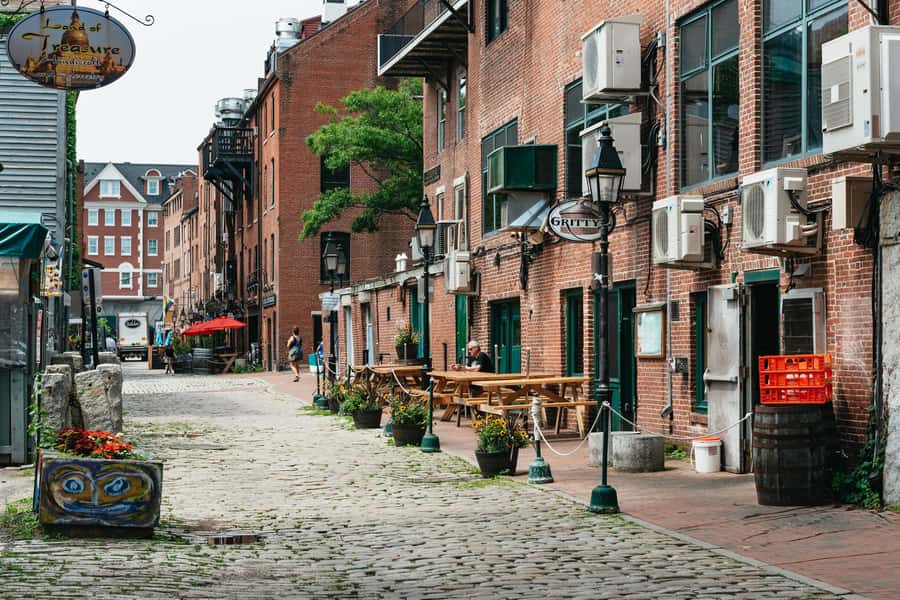
- Andy’s Old Port Pub hidden-door start on Commercial Street makes it feel like a real local meetup
- Old Port cobblestone and waterfront routing helps you understand how Portland grew
- Landmark variety includes the lobster statue, Henry Wadsworth-Longfellow’s home, Eastern cemetery, and Abyssinian Church
- Guides like Tyler and Ross are praised for being funny, clear, and easy to follow
- A local sweet treat at the end gives you a simple finish line
- Strong value for the time: $49 for a 2-hour guided walk with multiple major stops
Starting at Andy’s Old Port Pub: the tour’s best first step
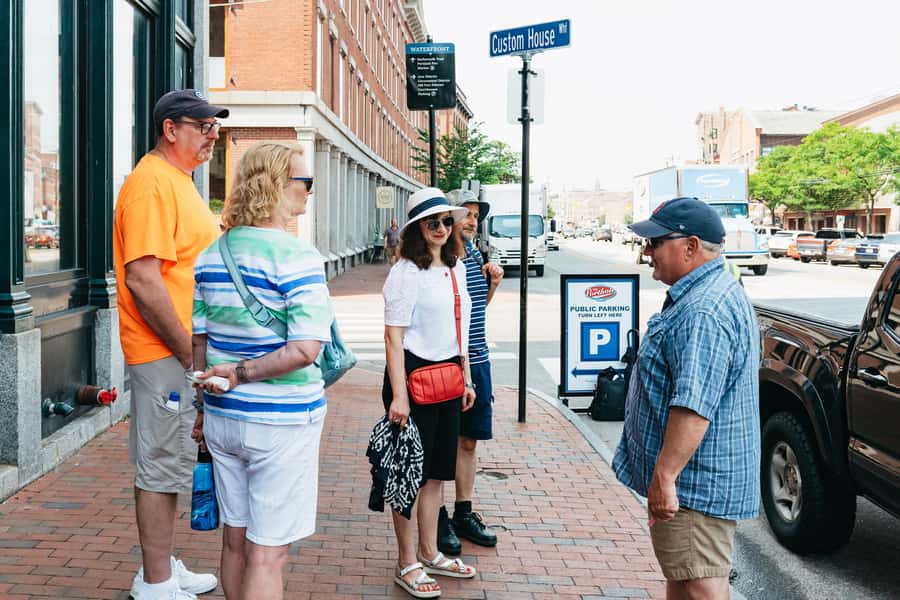
Meet inside the hidden door at Andy’s Old Port Pub on Commercial Street, and right away you’ll know this isn’t the kind of tour that just shuffles you past landmarks. The meeting spot matters. You start in the heart of the Old Port zone, where Portland’s maritime and commercial identity is still written into the street layout.
From there, your guide leads you through cobblestone streets and into downtown and waterfront areas. That’s a big part of the experience: you don’t just get facts. You get context, with each stop connected to the city’s bigger growth story—where people built, traded, worshiped, and memorialized over time.
Guides rotate, but the pattern in the feedback is consistent: people come away saying the tour is engaging, well-paced, and easy to hear. Names that show up often include Tyler and Ross, and they’re described as friendly, clear, and the kind of people who can keep both adults and teens paying attention.
So what do you get in practical terms? You finish with a mental map of Portland. You know where the Old Port “begins,” which areas were tied to shipping and crowds, and why certain landmarks matter. Even if you come only for a short stay, that orientation helps you plan the rest of your trip without guessing.
If you’re someone who likes history but doesn’t want a lecture, this format is a win: short walks, frequent story beats, and visible landmarks as anchors.
Old Port cobblestones and the waterfront story you can walk
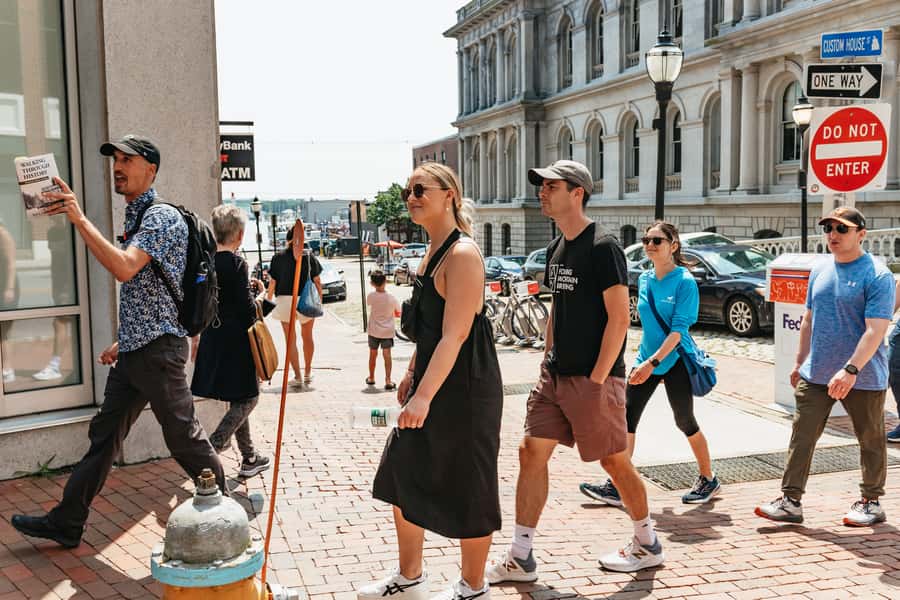
The tour’s core strength is the route itself. You move through the historic Old Port and the waterfront areas, which is exactly where Portland’s identity is easiest to grasp. Streets don’t just look charming here—they explain function. Think about how a working harbor city needs access: to ships, to supplies, to people passing through, and to the businesses that grew around them.
One of the landmarks that may be included is the lobster statue. It’s the kind of stop that sounds like a simple photo moment—until your guide ties it back to the city’s seafood economy and coastal culture. This is how the tour keeps you from zoning out. Even at a familiar tourist icon, you learn what it represents in Portland’s working life and identity.
As you walk, you also get to see the mix of Old Port street character and downtown change. That’s important because Portland’s “story” isn’t one era. You’re looking at layers: old commerce patterns, evolving architecture, and civic or community spaces that show what residents valued beyond trade.
A practical note: you’ll want comfortable shoes. This is a walking tour, and the Old Port’s cobblestones plus outdoor weather can add up. Bring water, and wear weather-appropriate clothing since the tour runs rain or shine.
And here’s a subtle advantage: the guide can point out details you’d likely miss on your own. When you’re shown where to stand and what lines in the buildings or street patterns suggest, the city starts feeling “readable,” not just scenic.
Henry Wadsworth-Longfellow’s home and Portland’s literary pull
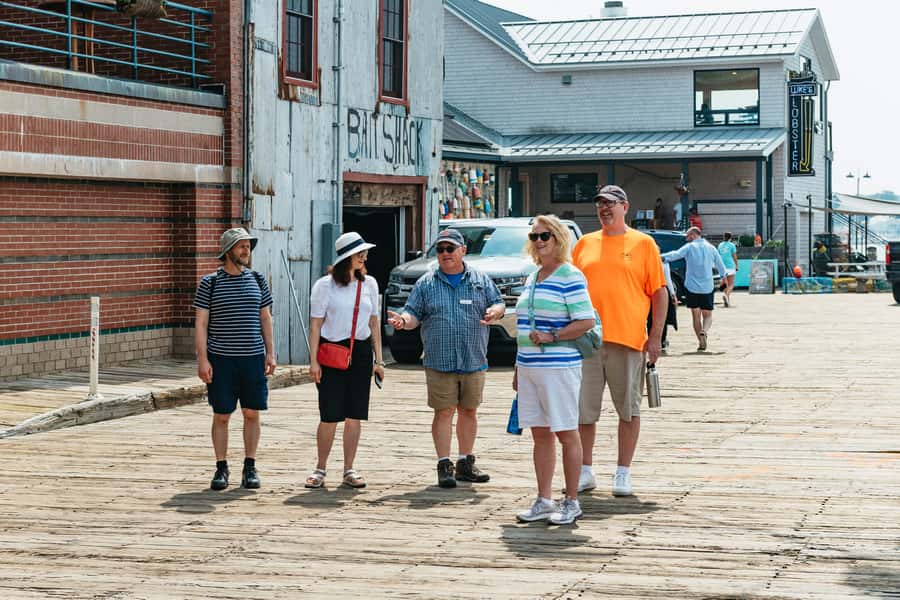
Not every history tour includes a stop that connects Portland to American literature, but this one does—one possible location is the home of Henry Wadsworth-Longfellow. That matters because it shifts the focus from only trade and civic growth to how the city influenced artists and thinkers.
You’ll get a sense of how Portland fit into the broader cultural currents of its time. Longfellow’s presence helps you understand Portland not just as a shipping hub, but as a place where national identity and personal stories intersected with a coastal city’s life.
This stop is especially good if you like history that ties to people, not only dates. A cemetery stop and a church stop often do that too, but Longfellow brings a different angle: a creative legacy that makes the city feel more human.
Also, because this is a walking tour, the location of his home isn’t just a name on a map. You experience it in context—near the kind of streets and neighborhoods that would have shaped daily life. That makes your takeaways stick. You remember the person, and you remember the setting.
If you’re the type who enjoys mixing a history walk with a relaxed afternoon afterward, this stop helps you transition. After the tour, it’s easier to spot where Portland might have inspired writers, speakers, and storytellers because you’ve already traced the connection.
Eastern cemetery: history doesn’t always shout
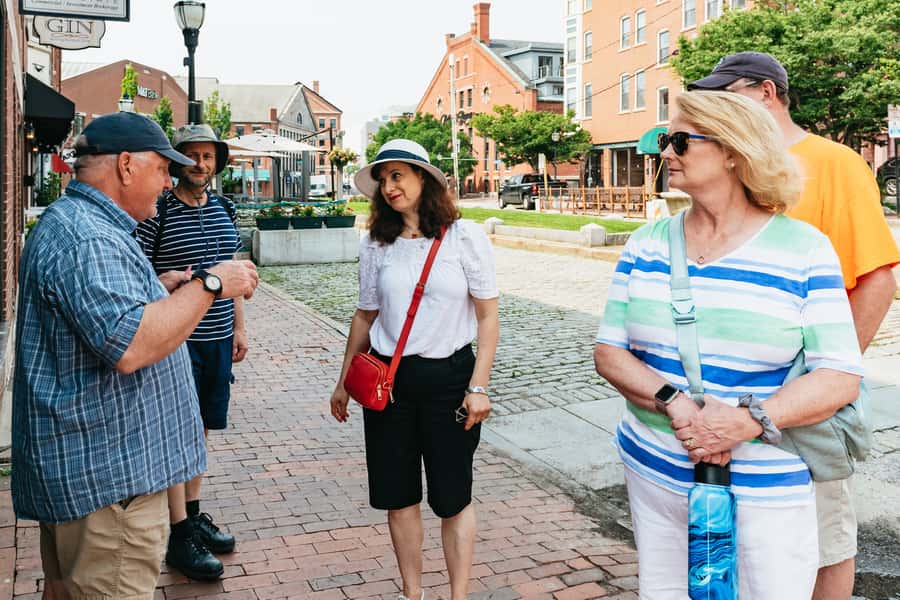
One possible stop is the Eastern cemetery, and this is where the tour adds emotional weight. Cemeteries can feel like a pause button on a sightseeing schedule, but they’re also one of the best places to understand a city’s long memory.
In a city with deep roots, cemeteries show you who mattered to Portland’s communities, what families lived here, and how different eras left their marks. A good guide doesn’t make this grim. They use it to explain what the city valued and how it changed over time.
For you, this can be a surprisingly useful learning moment. It teaches you that “Portland’s history” isn’t only the buildings and big public landmarks. It’s also the quiet record left by everyday people and civic life—names, dates, and the way a city organizes remembrance.
It’s also a good check on your expectations. If you came hoping for mostly architecture and waterfront photos, the cemetery stop adds variety. If you like thoughtful, slower moments during a tour, this part gives you that rhythm.
There is a practical reality too: you’ll be outside. On a hot day, guides have been praised for trying to find shade when possible, which helps this part feel less like an endurance test. Still, bring water and dress for the conditions.
Abyssinian Church and the architecture you can actually read
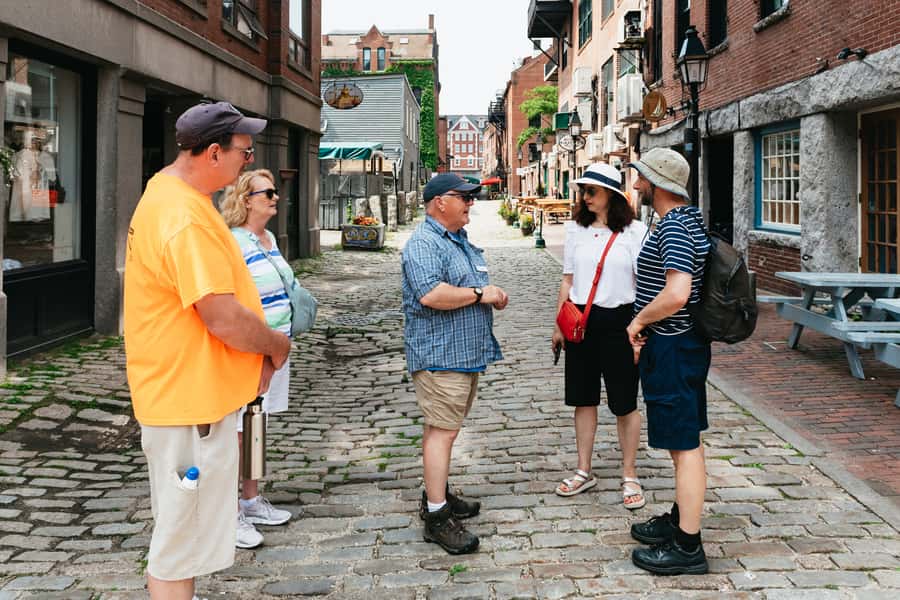
Another possible landmark stop is the Abyssinian Church. A church on a history walk might seem like an automatic box-tick until your guide connects it to Portland’s community story and architectural clues.
Religious institutions often served multiple roles in older cities: places of worship, community gathering points, and landmarks that shaped neighborhood identity. On a walking tour, you don’t just hear that. You see the building in place—how it sits in the streetscape and how it signals the kind of community that formed around it.
This is where the tour becomes great for anyone who likes architecture but isn’t an architecture expert. Your guide’s job is to translate what you’re looking at: why certain design choices happened, what the building suggests about the era, and how the city’s growth patterns shaped where such structures went up.
You’ll also get a more rounded understanding of Portland. Waterfront and commerce tell you about industry. A church tells you about community. Add in cemetery stories and literary ties, and you start to see Portland as a city with social depth, not only a harbor postcard.
If you’re traveling with family, this stop tends to work well. One comment in the feedback notes the tour can accommodate different ages, and the mix of landmark types supports that.
Value and timing: is $49 a fair deal for a history walk?
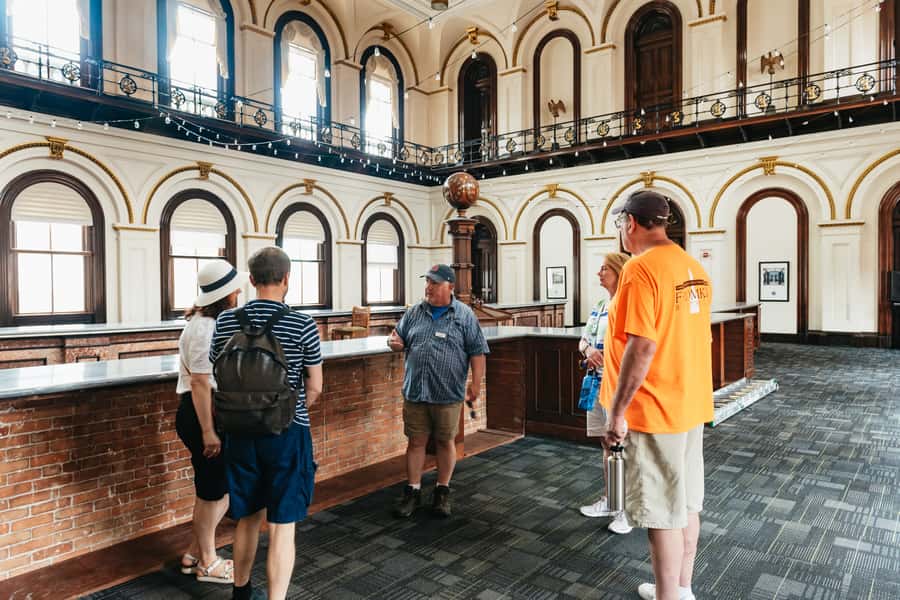
At $49 per person, this isn’t a “cheap and cheerful” activity—but it also doesn’t try to be fancy. The value comes from three things you can feel during the walk.
First, you’re paying for a professional guide’s ability to connect the dots. You get a story line that spans about 200 years, not just a list of names. That’s what people consistently compliment, including praise for guides like Tyler and Ross as engaging and easy to understand.
Second, you get a tight walking route with multiple major stops. You start at Andy’s Old Port Pub and move through Old Port, downtown, and waterfront areas, with several recognizable landmarks possibly along the way. For a limited time in Portland, that saves you time vs. trying to plan a self-guided route with the same level of context.
Third, the tour ends with a local sweet treat. That’s a small inclusion, but it changes how the experience lands. You don’t feel like you paid for a half-day lecture and then drifted away with no payoff. You finish, snack, and carry the stories into the rest of your day.
Timing-wise, the tour is described as a 2-hour walking tour, and the highlight mentions a 2.5-hour tour experience. For planning, I’d treat it as roughly a morning or afternoon activity that takes up about half your block, especially if your guide encourages questions at stops.
Who this tour fits best (and who might want a different plan)
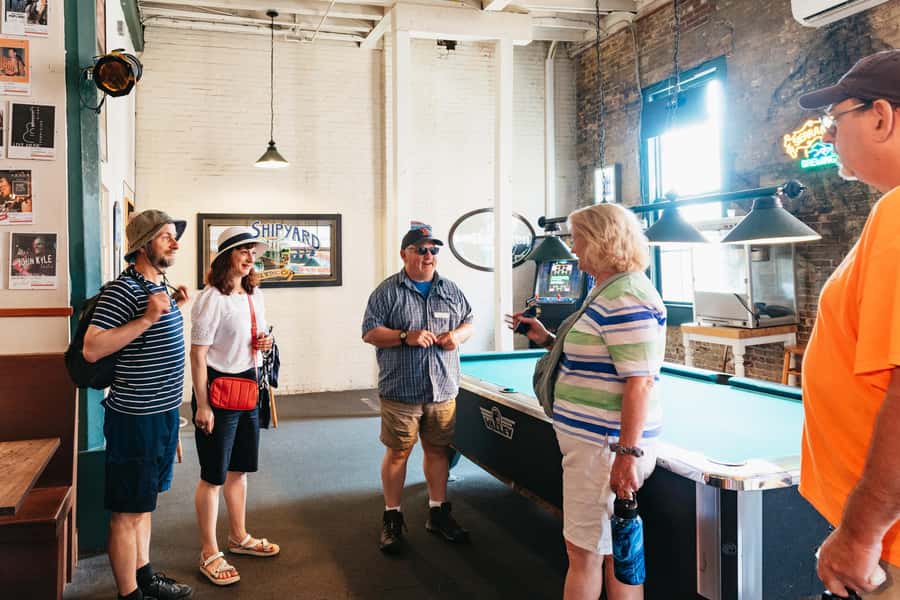
This experience is best for you if:
- You want Portland, Maine orientation fast—Old Port, waterfront, and key landmarks in one focused outing
- You like history explained in plain language, tied to what you can see nearby
- You’re traveling with mixed ages and want a guide who can keep attention
- You want a guided walk that makes it easier to explore on your own afterward
It may be a rough fit if:
- You have mobility limitations or need an accessible route, since it’s a walking tour and is listed as not suitable for people with mobility impairments
- You hate outdoor walking in changing weather, since it runs rain or shine
If you’re on a cruise or doing a short visit, this type of tour is especially helpful because it gives you the “why” behind the scenery without requiring extra transit.
How to get the most out of it (small prep, big payoff)
This tour works best when you come ready to notice. Here’s how you can make it easier on yourself.
Bring comfortable shoes and wear weather-appropriate clothing. Outdoor walking in Portland can be unpredictable, and cobblestones are not the place to wear new shoes that haven’t met the world yet.
Bring water. Even on a shorter tour, it adds comfort, and it helps you stay present when the guide is giving details at multiple stops.
If you’re into photos, don’t just shoot. Stop where the guide tells you to. The best photo moments come after the explanation, not before. You’ll understand what you’re photographing, which makes your memories more useful later.
Finally, come with at least one question ready. Guides on this route are praised for being friendly and engaging, so asking something simple—like what changed most over the last century or why a certain landmark was built—can turn a good tour into a memorable one.
Should you book this Portland history tour?
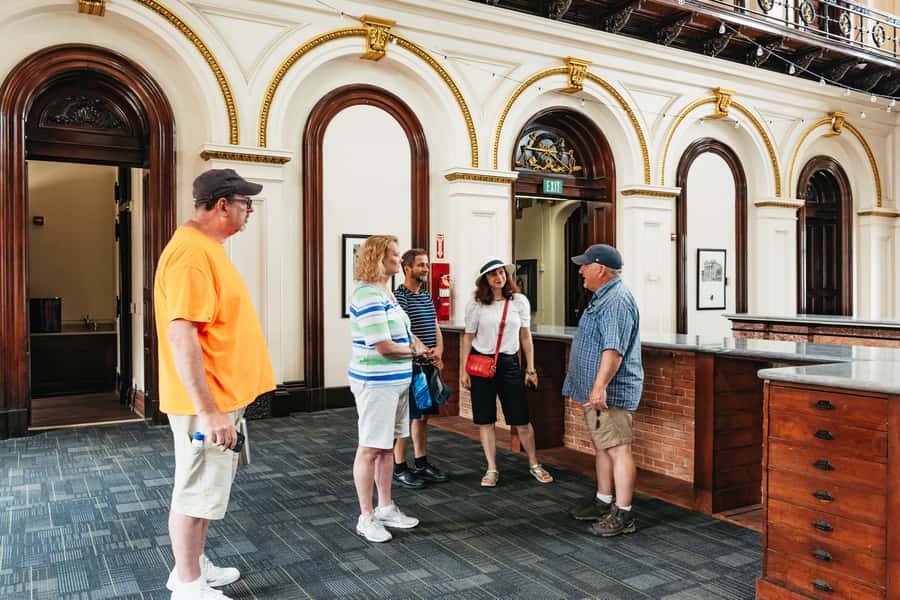
I’d book it if you want a well-guided Portland orientation through the Old Port, waterfront, and a set of recognizable landmarks, with about 200 years of context explained in a way that keeps you moving. At $49, the price makes sense because you’re buying time saved, interpretation provided, and a finished experience that ends with a local sweet treat.
Skip it if mobility is an issue, or if you only want indoor history. This is built for walking. It’s built for seeing. And when you match that style to your trip—short on time, curious about Portland—the payoff is strong.
If you’re on the fence, a good rule is this: if you’d rather learn the city than just look at it, this is your kind of tour.
FAQ
Where does the tour start?
Meet your guide inside the hidden door at Andy’s Old Port Pub on Commercial Street.
How long is the Portland history tour?
It’s listed as a 2-hour walking tour, and the experience may run around 2.5 hours depending on the pace and stops.
How much does it cost?
The price is $49 per person.
What’s included in the price?
You get the services of a professional tour guide, a 2-hour walking tour, and local taxes and fees.
Are food and drinks included?
Food and drinks are not included. The tour does end with a local sweet treat.
Will the tour run in bad weather?
Yes. The tour takes place rain or shine.
What should I bring?
Wear comfortable shoes, bring water, and dress in weather-appropriate clothing.
Is the tour suitable for mobility impairments?
No. It is not suitable for people with mobility impairments.
What language is the tour conducted in?
The tour is conducted in English.
Is free cancellation available?
Yes. You can cancel up to 24 hours in advance for a full refund.