REVIEW · SIEM REAP
Banteay Srei and Grand Circuit Heritage Tour from Siem Reap
Book on Viator →Operated by Journey Cambodia · Bookable on Viator
Some temples feel like a secret.
This full-day Grand Circuit tour mixes the famous with the quieter side of Angkor: Hindu and Buddhist sites, plus a long run through countryside near Banteay Srei. I love that it stays small, with a maximum of 15 people, so you get more time to ask questions and less time stuck in a slow-moving crowd. I also like the comfort factor: hotel pickup/drop-off and an air-conditioned vehicle with bottled water and cool towels between stops.
For me, the best part is the contrast—big, iconic Angkor energy at one end, then fine sandstone carving work at the other. You’ll cover multiple stops in a single day, including Preah Khan and a sunset viewpoint at Phnom Bakheng. The main thing to plan around is cost: the $24 tour price doesn’t include temple entrance fees, and the temple pass is $37 per person paid directly at the sites.
In This Review
- Key things to know before you go
- Price and what $24 really buys you
- Small-group comfort: how the tour keeps the day moving
- Pre Rup to Phnom Bakheng: your Grand Circuit route in plain terms
- Pre Rup: a strong start outside the big-city center
- Banteay Srei: the day’s carving obsession
- Neak Pean: a quieter Buddhist island stop
- Preah Khan: an interesting contrast to the headline temples
- Phnom Bakheng: your sunset viewpoint finish
- Guides and photo help: why names like Sak and Pi come up often
- Dress code and packing: what matters for Khmer temples
- Weather, timing, and how to protect your day
- Should you book the Banteay Srei and Grand Circuit Heritage Tour?
- FAQ
- What time does the tour start?
- How long is the tour?
- What’s included in the $24 price?
- Are temple entrance fees included?
- How big is the group?
- What dress code do I need to follow?
- Do I need a passport name or country at booking?
- What if the weather is bad?
Key things to know before you go
- Max 15 travelers means the pace stays human, not cattle-car.
- Hotel pickup and drop-off in Siem Reap saves time, especially for an 8:00 am start.
- Air-conditioned transport plus water and cool towels keeps you moving between temples.
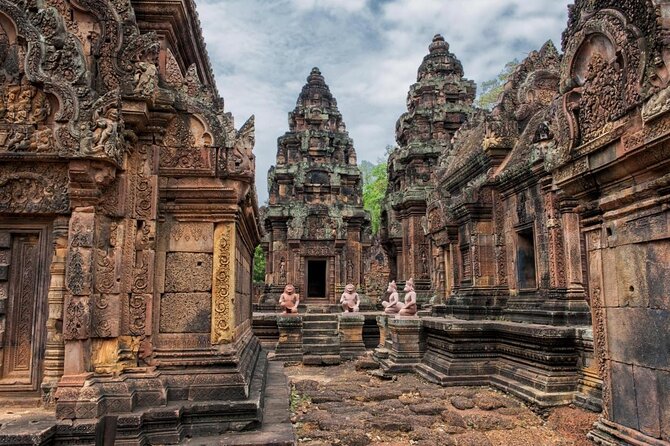
- Banteay Srei’s carving focus is the day’s star, even if it’s smaller than the headline temples.
- Phnom Bakheng sunset is a highlight, but cloud cover can soften the view.
Price and what $24 really buys you
At $24 per person, the headline price feels almost too good for a full day of guided temple touring. What you’re paying for is the human part: an experienced English-speaking guide, comfortable air-conditioned transport, and smooth hotel pickup/drop-off. You also get bottled water and cool towels along the way, which matters in the Siem Reap heat.
Just remember the one big extra cost: temple entrance fees. The temple pass is $37 per person and is paid directly to the site. On a simple math level, your total day is more like $61 per person before any optional extras (snacks, souvenirs, and the kind of cold drink you swear you don’t need—until you do).
If you’re trying to do more than the “inner circuit” in one extra day, this is good value. You’re not just ticking boxes; the itinerary is designed to cover different styles of Khmer temple building in one shot.
You can also read our reviews of more tours and experiences in Siem Reap.
Small-group comfort: how the tour keeps the day moving
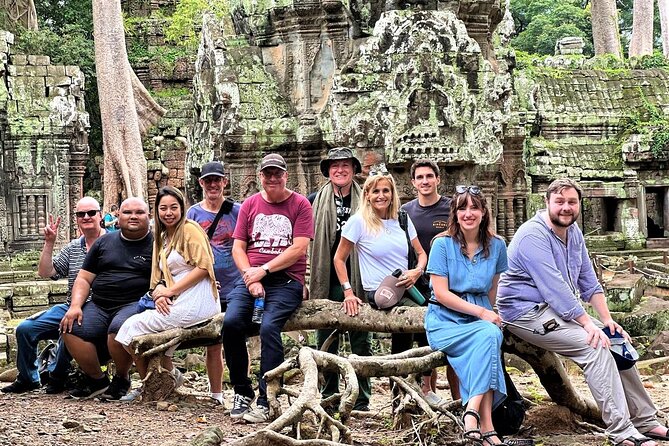
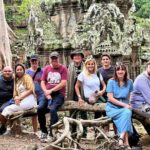
This is a full-day loop, so your schedule depends on how efficiently your group travels. With a maximum of 15, you usually get quicker transitions at quieter points along the route. When a guide is explaining carvings, rituals, or layout, a smaller group means you can actually hear and see without craning around strangers.
The transport is also a real feature. You ride in a climate-controlled vehicle, and you’re not stuck sweating through transfer time between temples. I like that the tour comes with hotel pickup and drop-off at your Siem Reap lodging. It’s one less logistical headache, and it helps you start on time.
One more practical note: you’ll use a mobile ticket. That’s handy in Cambodia, where it’s easier to show your pass on a phone than to hunt for paper.
Pre Rup to Phnom Bakheng: your Grand Circuit route in plain terms
This day has a clear arc: start with a dramatic viewpoint temple, then shift into intricate works and calmer spiritual stops, and end with the Angkor sunset scene. The timing is built for moving through multiple temple sites without feeling like you’re rushing every minute.
Pre Rup: a strong start outside the big-city center
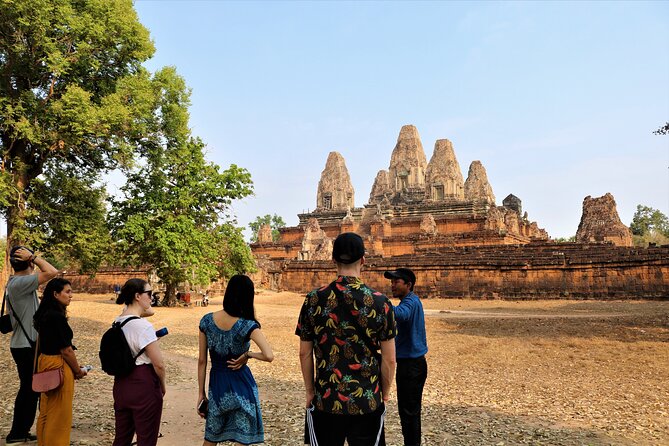
Your morning begins with Pre Rup, a Hindu temple tied to Khmer royal ambitions. Expect a lively viewpoint temple feel—less about a single photo angle and more about atmosphere and stone layouts. You’ll spend about 1 hour 30 minutes here, with admission paid separately.
What I like about starting with Pre Rup is the way it sets expectations. This is a temple where the site’s height and structure help you understand Khmer temple design before you go into more delicate carving work later.
Banteay Srei: the day’s carving obsession
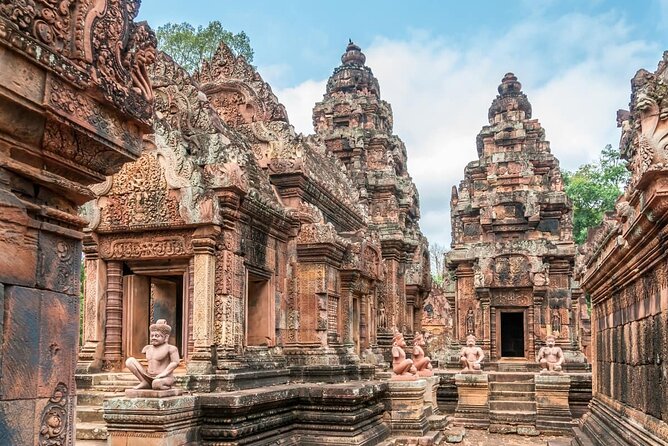
Then you drive to Banteay Srei, and this is why many people book the whole thing. It’s a smaller sandstone temple, but the reliefs and details are often seen as among the finest in Cambodia. You’ll have around 3 hours, which is a generous window for looking closely instead of sprinting.
Here’s how to get more from it: slow down. Banteay Srei rewards patience—faces, ornament lines, and the layered storytelling in the carvings are easier to appreciate when you’re not rushing to the next stop.
The one drawback: it’s a long day and this temple asks for walking and standing. If you’re nursing sore knees, give yourself time to pause without feeling behind.
Neak Pean: a quieter Buddhist island stop
Next is Neak Pean, an artificial island with a Buddhist temple. You’ll spend about 40 minutes here. Think “calm pause” more than “grand finale.” This stop breaks up the intensity of the other sites and gives your brain a rest.
If you’re the type who likes architecture but also enjoys atmosphere, Neak Pean is a good moment to reset. You won’t need huge energy for this one, but you’ll still get a meaningful change of scenery.
Preah Khan: an interesting contrast to the headline temples
You’ll move on to Preah Khan, commissioned by Jayavaraman VII in honor of his father. This stop gives you a different flavor than the big, most-famous Angkor hits. You spend about 1 hour here, with admission paid separately.
What works well about Preah Khan in this route is contrast. It’s a chance to see how Khmer builders expressed power and devotion across different temple layouts and styles, without it feeling like you’re repeating the same architectural lesson again and again.
Phnom Bakheng: your sunset viewpoint finish
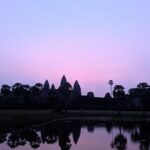
Finally, you end at Phnom Bakheng, a temple ruin that’s known for sunset views. You’ll spend about 1 hour, then return to town late afternoon. When it’s clear, the sightlines can feel magical.
But do not assume perfect conditions. One drawback shows up repeatedly in real life: cloud cover can interfere with the sunset view. The good news is that the temple ruins still look great even when the sky isn’t cooperating.
Guides and photo help: why names like Sak and Pi come up often
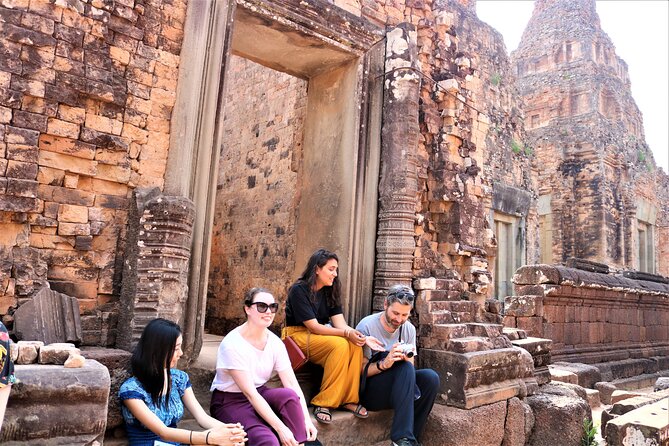
A lot of temple tours are “see this, now go.” The difference here is the guide. In particular, I saw strong praise for guides like Sak and Pi. Sak is often noted for deep temple explanations and knowing good spots for photos. Pi is mentioned as being able to answer a range of questions while keeping the group engaged.
If you like photography, there’s practical value in having someone who understands light and angles. One of the best surprises in this kind of day is not just getting a good picture, but learning where to stand so the temple’s layout makes sense in the frame.
And yes, you’ll also meet your driver along the way. A driver named Mr. Black has been called out for being safe and welcoming, which matters when you’re bouncing between sites for hours.
Dress code and packing: what matters for Khmer temples
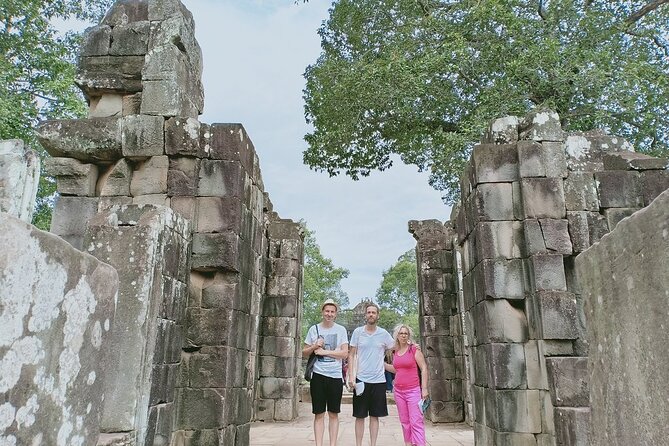
Temple rules in Cambodia are straightforward, but you want to be ready. The dress code is cover knees and shoulders. This means even if the day is hot, plan for lightweight clothing that still follows the rules. Comfortable walking shoes are strongly recommended, because you’ll spend real time on temple surfaces and uneven ground.
What I’d bring for comfort:
- A hat or cap and sunscreen (even with an AC vehicle, walking time is real)
- Something light to cover shoulders before you enter sacred areas
- A small refillable water bottle if you like, even though bottled water is provided
Also, you’ll need your passport name and country at booking. That’s not the fun part, but it’s a common requirement for temple-related documents.
Weather, timing, and how to protect your day
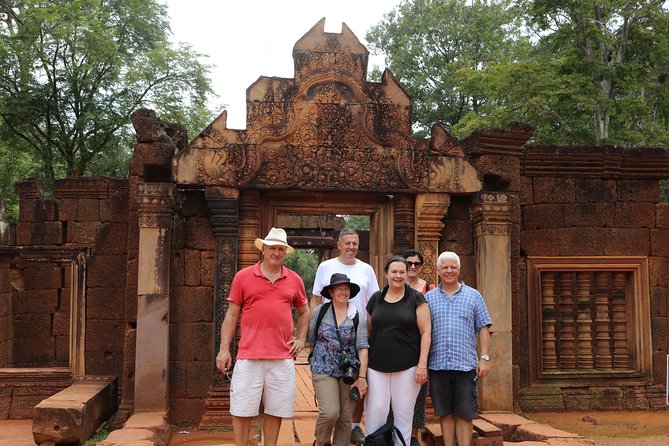
This experience needs good weather. If conditions are poor, you may be offered a different date or a full refund. Since sunset is part of the plan, cloudy skies can reduce the payoff at Phnom Bakheng.
The best strategy is to treat sunset as a bonus, not a guarantee. Even if the sky changes, you still get a structured day across multiple temple types, plus that satisfying shift from main Angkor energy into the countryside feel of the sites beyond the usual routes.
Timing-wise, the start is 8:00 am, which is early by vacation standards. The upside is you beat some crowds and heat, and you’re in a better position to enjoy each stop rather than rushing through all five.
Should you book the Banteay Srei and Grand Circuit Heritage Tour?
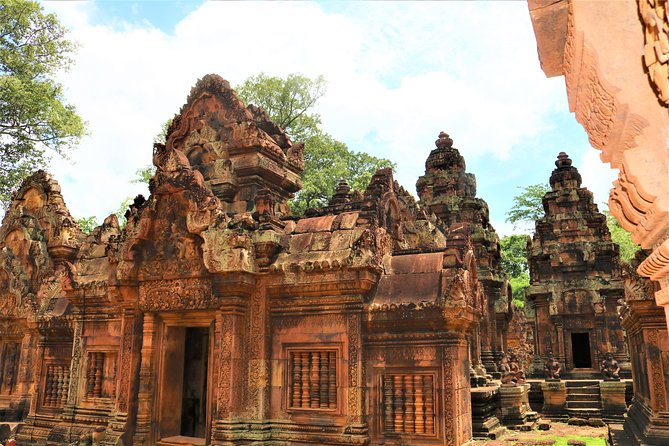
I’d book this if you want a second Angkor day that feels different from the inner circuits, and you care about seeing Banteay Srei without treating it like a 20-minute stop. It’s a smart pick for people who like thoughtful temple explanations, and for those who appreciate a smaller group size while still covering a lot of ground.
Skip it or consider an alternative if you’re only interested in the single most famous monuments and hate additional costs. The temple pass is $37 per person on top of the $24 price, and the day can involve enough walking that comfy shoes matter.
If you’re flexible on weather and you like a route with both viewpoints and detailed carving, this is a strong way to experience Angkor’s range in one long day.
FAQ
What time does the tour start?
It starts at 8:00 am.
How long is the tour?
The duration is about 8 hours.
What’s included in the $24 price?
It includes an experienced English-speaking guide, air-conditioned transport, hotel pickup and drop-off, bottled water, and cool towels.
Are temple entrance fees included?
No. The temple pass is $37 per person and is paid directly to the sites.
How big is the group?
The tour has a maximum group size of 15 travelers.
What dress code do I need to follow?
Knees and shoulders must be covered.
Do I need a passport name or country at booking?
Yes. You’ll need the passport name and country for all participants when booking.
What if the weather is bad?
The tour requires good weather. If it’s canceled due to poor weather, you’ll be offered a different date or a full refund.