REVIEW · POZNAN
Poznan: Private Jewish Heritage Tour
Book on GetYourGuide →Operated by PT Team · Bookable on GetYourGuide
Poznan has more Jewish clues than you expect. I like this tour for how it connects Jewish monuments across the city, so the past feels like a map you can walk. I’m also drawn to the heavier stops, especially the story of forced Jewish labour and the Holocaust-era sites that make the history concrete.
What really helps is the fully private format with a live guide who can answer questions as you go. One clear plus: guides like Martin bring extra meaning when you have family ties to the area, while Matteusz is the kind who turns the route into a real conversation. The main drawback to plan for is that the meeting point can be slightly tricky in practice, since the marker on Stawna 10 may not be exactly where you end up first—one guide was about 50 meters farther along near the New Synagogue.
In This Review
- Key things I’d mark on your mental map
- Where the walk really begins: the New Synagogue on Stawna 10
- The former Jewish quarter: headquarter, social life, and Akiva Eger Square
- Wolnosci Square and the feeling of remembrance
- City Stadium and occupation-era landmarks: learning what the city witnessed
- The forced labour story at Fort VII and the broader Holocaust context
- Square of the Righteous Among the Nations: context with moral weight
- Seeing what Germans destroyed: the synagogue lost in WWII
- New Jewish cemetery visit: Akiva Eger’s grove and a quieter pace
- How a 3-hour private tour feels when it’s actually tailored
- Price and what $16 buys you in real terms
- Who this tour suits best
- Practical tips before you meet your guide
- Should you book this Poznan Jewish Heritage Tour?
- FAQ
- Where is the meeting point for the tour?
- How long is the tour?
- Is this tour private?
- How much does it cost?
- Is the tour available in English and other languages?
- What is included in the price?
- Are entrances included?
- Is the tour wheelchair accessible?
- What Jewish sites and memorials will we see?
- Is free cancellation available?
Key things I’d mark on your mental map
- New Synagogue starting point on Stawna 10, so you launch with the right landmark and context
- Akiva Eger Square and the former Jewish-quarter core, where the route feels purposeful
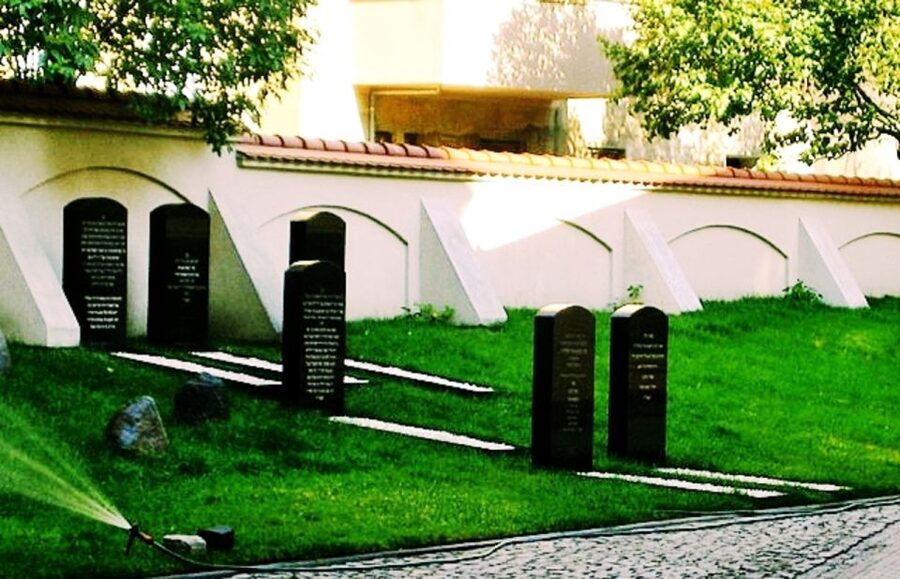
- Wolnosci Square as a stop for remembrance tied to Poznan Jews’ eternal rest
- Fort VII / forced-labour story and other German-occupation landmarks that explain what happened to the community
- New Jewish cemetery where you’ll find Akiva Eger’s grove
Where the walk really begins: the New Synagogue on Stawna 10
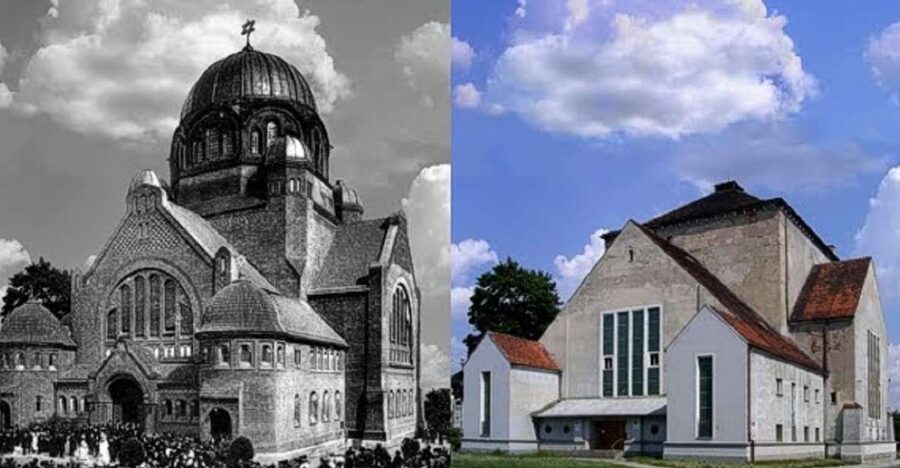
The tour meets at the New Synagogue on Stawna 10 Street, with your guide holding your name. That matters more than you’d think. Poznan’s Jewish heritage is spread out, and if you miss the first landmark, the story can feel like disconnected photos instead of one route.
From the start, the guide frames the big idea: the history of Poznan’s Jews is tied to the city itself. You’re not just sightseeing buildings. You’re learning how community life shaped the streets around it, then how that life was broken and dispersed.
You can also read our reviews of more tours and experiences in Poznan.
The former Jewish quarter: headquarter, social life, and Akiva Eger Square
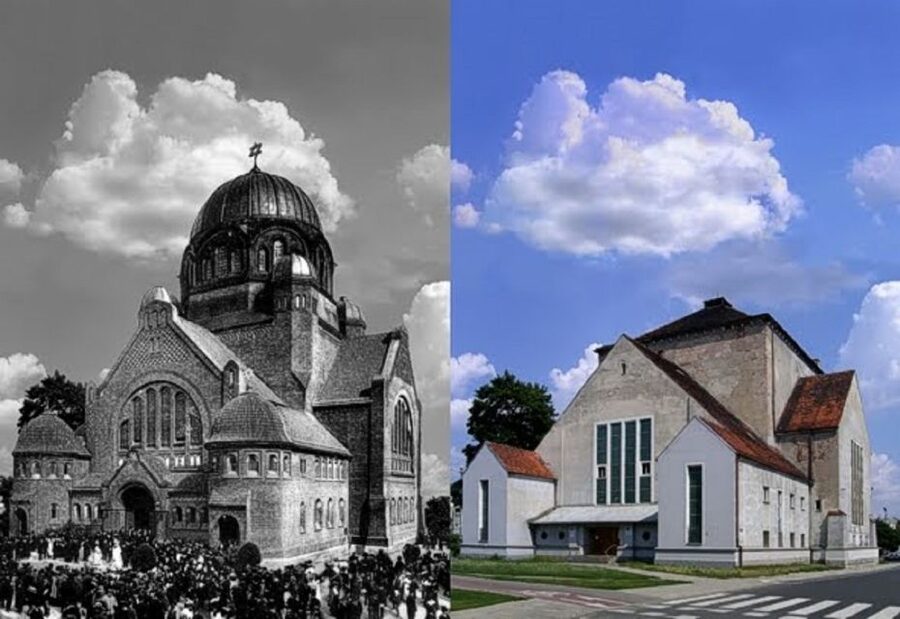
Your walk begins in what used to be the center of social and religious life for Poznan Jews. Expect a sequence of stops that reads like the map of community power: the headquarters of the Jewish community, then the New Synagogue area, and onward toward Akiva Eger Square.
This part works best because it’s not only about a single monument. It’s about how people used the space—where they gathered, where community leadership operated, and how day-to-day Jewish life looked in a Polish city.
At Akiva Eger Square, the guide also sets up the later cemetery moment. You’ll hear who Akiva Eger was, then you’ll come back to that name again when you reach his grove at the Jewish cemetery. It’s one of those quiet tricks that makes the tour stick.
Wolnosci Square and the feeling of remembrance
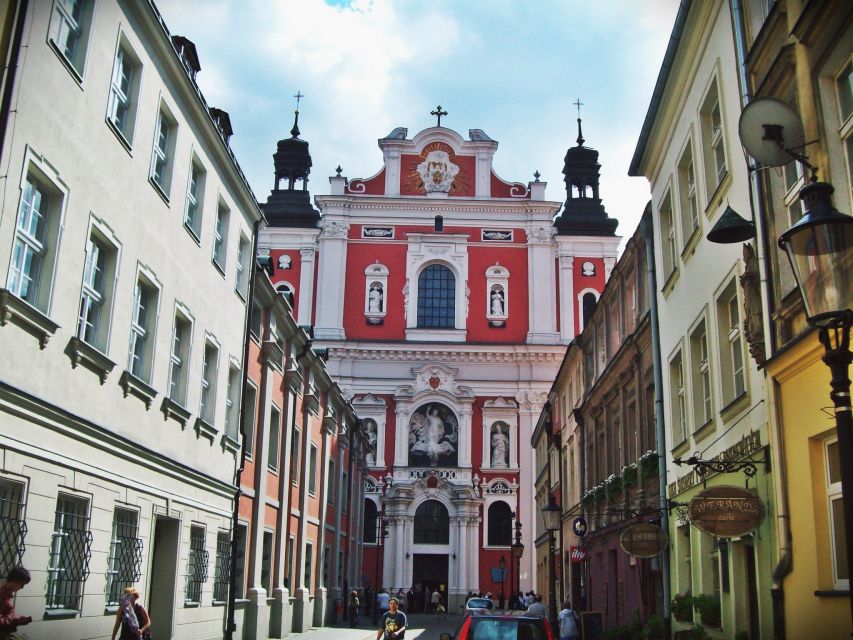
Next you’ll stop at Wolnosci Square—a name connected to remembrance, with ties to the eternal rest of Poznan Jews. This is the kind of stop where you’ll want to slow down, because the guide will connect places to people, not just dates.
You should come with an open mind for solemn context. The tour doesn’t treat memory as decoration. It treats these sites as part of the city’s ongoing record of what the community faced, and what was lost.
City Stadium and occupation-era landmarks: learning what the city witnessed
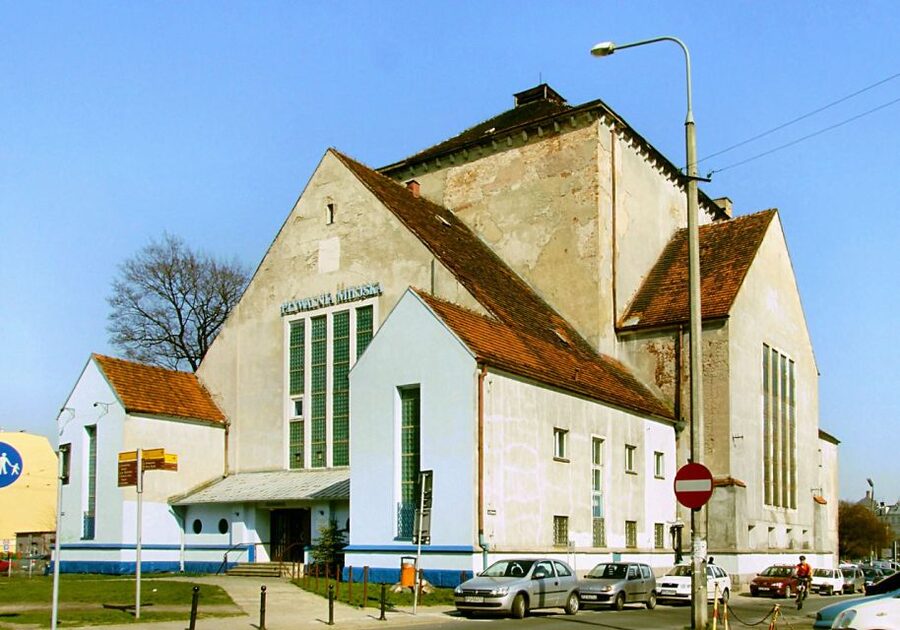
The tour then moves to a city landmark tied to the tragic fate of Jews during German occupation: the City Stadium. It’s a memorable choice because stadiums are where modern life crowds together, so the contrast hits hard when the guide explains what happened in this same urban setting.
If you tend to like history you can see with your own eyes, this section clicks. Instead of only reading plaques, you walk through the kinds of spaces where people once lived their routines—and later endured something brutal.
This is also one reason the route can feel like more than Jewish-only points. Even when a stop isn’t purely Jewish architecture, it’s still part of the story of how the occupation changed Poznan’s people.
The forced labour story at Fort VII and the broader Holocaust context
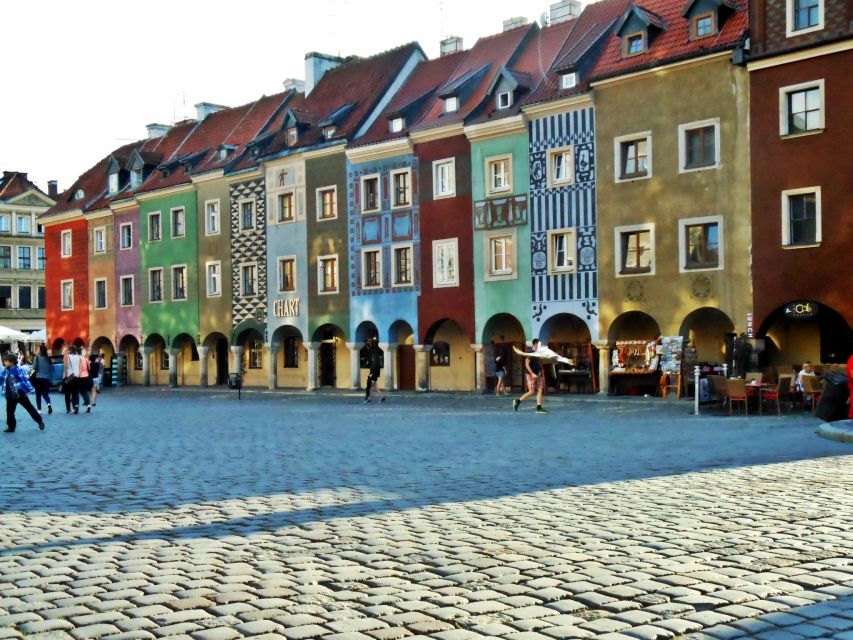
One of the most important highlights is the part focused on forced labour camp history for Jews and the Holocaust. The tour includes the Monument to the Victims of the Labor Camp for Jews in Poznan, and it also connects this narrative to Fort VII, which has been part of recent tours.
Here’s what I like about this structure: it doesn’t jump straight to the heaviest topic without grounding it. By the time you reach the labor-camp story, you’ve already walked through the outlines of a community—so the scale of what was taken away lands more clearly.
Practical note: this section can be emotionally heavy. Wear comfortable shoes and keep water in mind. You’re on your feet for the whole 3 hours, and on days when the weather is warm, even a calm walk can feel long.
Square of the Righteous Among the Nations: context with moral weight
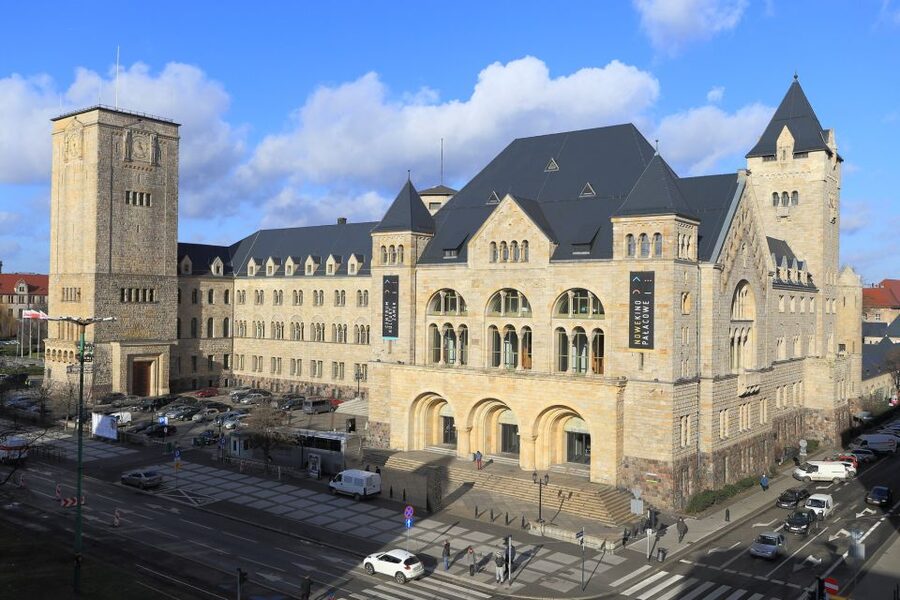
After the labor camp memorial, you’ll stop at the Square of the Righteous Among the Nations. This is a shift in emotional tone, but it’s not a “lighter” moment in a trivial sense.
The guide’s job here is to explain why this site exists and what it represents. You’ll likely walk away thinking about the choices people made under impossible pressure, rather than only what was done to victims.
If you care about how history includes human actions on multiple sides—not just one—this is an especially valuable stop.
Seeing what Germans destroyed: the synagogue lost in WWII
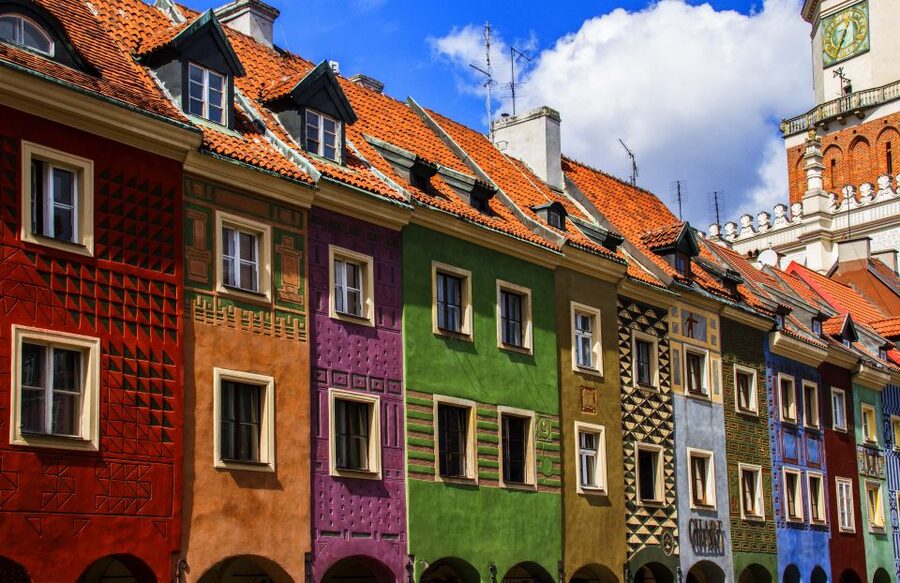
Another highlight is seeing the synagogue destroyed by Germans during World War II. Even when you’re looking at the aftermath rather than an intact building, the guide can help you visualize what stood there and why it mattered.
This stop is powerful because it turns “ruins” into meaning. You’ll understand not just that something was damaged, but how the destruction affected the community’s cultural and religious life.
Just be prepared for the reality that, in Poznan, a lot of the Jewish heritage is fragmented. That doesn’t make the tour less worthwhile. It makes the guide’s role even more important: you’re learning how to read the city even when the evidence is incomplete.
New Jewish cemetery visit: Akiva Eger’s grove and a quieter pace
The final major stops take you into the new Jewish cemetery, including finding Akiva Eger’s grove. This part gives you space to absorb what you learned earlier, because the cemetery is where names and memory become physical again.
This cemetery section also pays off if you’ve been paying attention to the earlier Akiva Eger Square reference. You’ll connect the person to the location, and you’ll likely understand why the guide places these facts in sequence.
The pace here tends to feel calmer, which is exactly what you want near the end of a 3-hour historical walk.
How a 3-hour private tour feels when it’s actually tailored
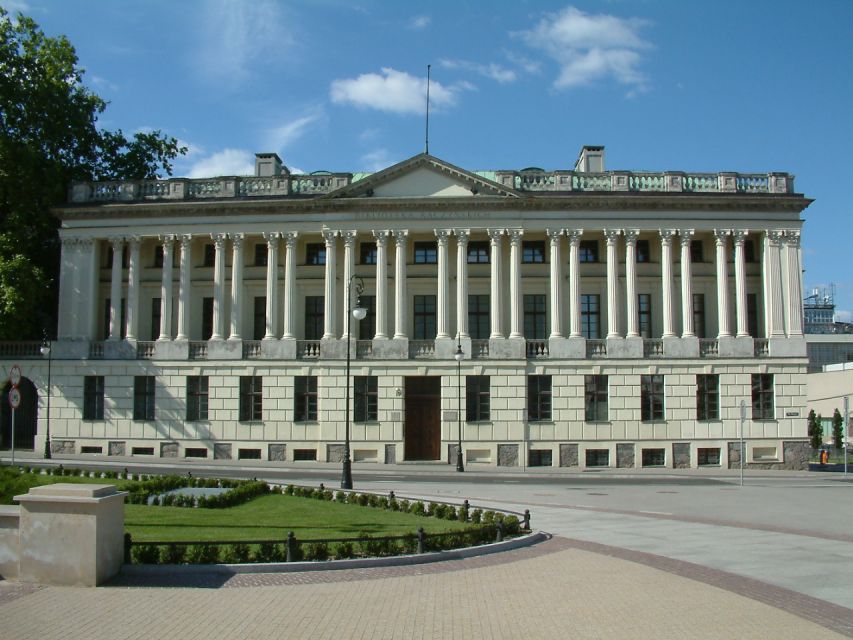
This is a private group tour, so you’re not squeezed into a one-size-fits-all script. That matters for two reasons: you can ask questions, and the guide can adjust pacing if something clicks for your group.
The guides are live, and the tour runs in multiple languages: English, Spanish, German, Russian, Polish, French, and Italian. One reason I’d recommend this setup is that understanding history depends on more than listening—it depends on asking follow-up questions and getting clear answers.
You’ll also get something that’s easy to overlook: the guide will explain what else you can discover on your own after the tour. That’s a practical way to extend the visit without turning the day into a rushed scavenger hunt.
Price and what $16 buys you in real terms
At $16 per person for a 3-hour guided tour, the value is mostly about focus. You’re paying for a structured walk that connects multiple city sites—synagogue-related landmarks, memorial squares, forced-labor history, and cemetery access—into one coherent story.
Also, the tour includes the guide, but entrances are not included, so plan on that possibility if any site charges. Still, for the number of major stops covered in a half-day window, the cost-to-time ratio is strong—especially if you like learning with a person who can point out what you’d otherwise miss.
Who this tour suits best
I think this experience is a great fit if:
- you want Jewish history tied directly to the streets of Poznan, not just one museum
- you appreciate a guide who can answer questions and steer the conversation
- you want both community-life context and Holocaust-era memorial context in one route
It may be less ideal if you’re looking for only intact architecture or you’re expecting lots of surviving Jewish buildings to photograph. Poznan’s heritage here is more scattered, and the guide’s job is to help you see the whole picture anyway.
Practical tips before you meet your guide
A few small things can make the tour smoother:
- Arrive a few minutes early at the New Synagogue on Stawna 10, but don’t be surprised if your guide is positioned slightly farther along near the New Synagogue area.
- Wear shoes you can walk in for the full 3 hours. Even when the stops are close, you’re moving.
- Bring a notepad or save notes on your phone. The tour includes names and place connections (like Akiva Eger) that are easier to remember when you jot them down.
- If you have family connections to the region, tell the guide early. Guides like Martin have been noted for bringing extra meaning to those personal links.
Should you book this Poznan Jewish Heritage Tour?
Yes, I’d book it if you want a guided walking route that connects Poznan’s Jewish story to specific places: the former Jewish quarter, Wolnosci Square, the occupation-era landmarks like City Stadium, the forced-labour narrative tied to Fort VII and the labor-camp memorial, and the reflective closing stop at the new Jewish cemetery with Akiva Eger’s grove.
Skip it only if you want a lighter, purely scenic tour or if you’re uncomfortable with Holocaust-era content. If that topic is part of what you came for, this is the kind of structured, human-guided experience that helps the city make sense.
FAQ
Where is the meeting point for the tour?
Your guide will wait for you by the New Synagogue on Stawna 10 Street with your name. Be ready on time.
How long is the tour?
The tour lasts about 3 hours.
Is this tour private?
Yes, it’s a fully private sightseeing tour for your group.
How much does it cost?
The price is $16 per person.
Is the tour available in English and other languages?
Yes. The live guide is available in English, Spanish, German, Russian, Polish, French, and Italian.
What is included in the price?
The guide is included.
Are entrances included?
No, entrances are not included.
Is the tour wheelchair accessible?
Yes, the tour is wheelchair accessible.
What Jewish sites and memorials will we see?
You’ll visit the former Jewish quarter area, the Jewish community headquarters, New Synagogue area, Akiva Eger Square, Wolnosci Square, the City Stadium, the Square of the Righteous Among the Nations, the Monument to the Victims of the Labor Camp for Jews in Poznan, and the new Jewish cemetery (including Akiva Eger’s grove). You’ll also see the synagogue destroyed during WWII.
Is free cancellation available?
Yes, you can cancel up to 24 hours in advance for a full refund.