REVIEW · AHMEDABAD
Ahmedabad: Full Day City tour with Heritage Walk & transfers
Book on GetYourGuide →Operated by Go City Adventures · Bookable on GetYourGuide
Ahmedabad works overtime on your senses—history in motion. This full-day tour links Islamic and Hindu architecture with Gandhi-era turning points, stitched together with smart transfers so you see a lot without feeling lost.
I like that it’s built around real places (not just photos) and a clear flow of stops. I also like how the walking portion starts early, so you get the main architectural details before the day heats up.
The main thing to plan for is walking. You’ll cover ground between sites, so bring comfortable shoes and expect a steady pace.
In This Review
- Key takeaways before you go
- Entering Ahmad Shah’s Mosque at 8:00 AM: architecture you can read
- Ahmad Shah’s Tomb stop: small detour, big context
- Sabarmati Ashram: where Gandhi’s story connects to the freedom struggle
- Adalaj Stepwell and garden: a scenic pause with real character
- Hutheesing Jain Temple: intricate structure and a distinct spiritual focus
- Sidi Saiyyed Mosque: the Tree of Life latticework
- Vallabhbhai Patel National Museum: films and artifacts that make the story stick
- Transfers, timing, and pace: how the day actually feels
- Private group and the guide factor: what to expect from the experience
- Price and value: is $125 per person fair for a full-day circuit?
- Who this tour suits best (and who should pass)
- Quick practical tips to make the day smoother
- Should you book Ahmedabad: Full Day City tour with Heritage Walk & transfers?
- FAQ
- What is the duration of the Ahmedabad full day city tour?
- What time does the tour start?
- Does the tour include hotel pickup and transfers?
- Which places are included in the itinerary?
- Is there a walking component?
- Is the tour guide available in English?
- Is this a private group tour?
- How much does it cost?
- What is the cancellation policy?
- Is there a pay later option?
Key takeaways before you go
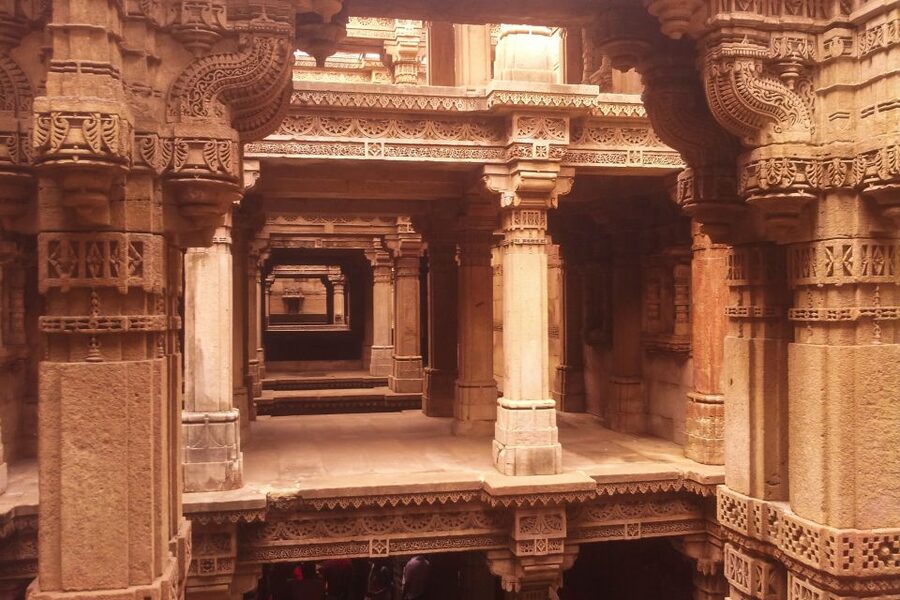
- 8:00 AM start with a 15th-century mosque built by Ahmad Shah I, where you can spot careful pillar and wall work up close
- A pass-by of Ahmad Shah’s Tomb that adds context without turning the day into a lecture
- Adalaj Stepwell plus the surrounding garden, a calmer pause in the middle of busy sightseeing
- Sabarmati Ashram tied to the Salt March, so Gandhi feels connected to the freedom struggle, not just a museum fact
- Sidi Saiyyed Mosque’s Tree of Life latticework, plus the Vallabhbhai Patel National Museum ending with films and artifacts
Entering Ahmad Shah’s Mosque at 8:00 AM: architecture you can read
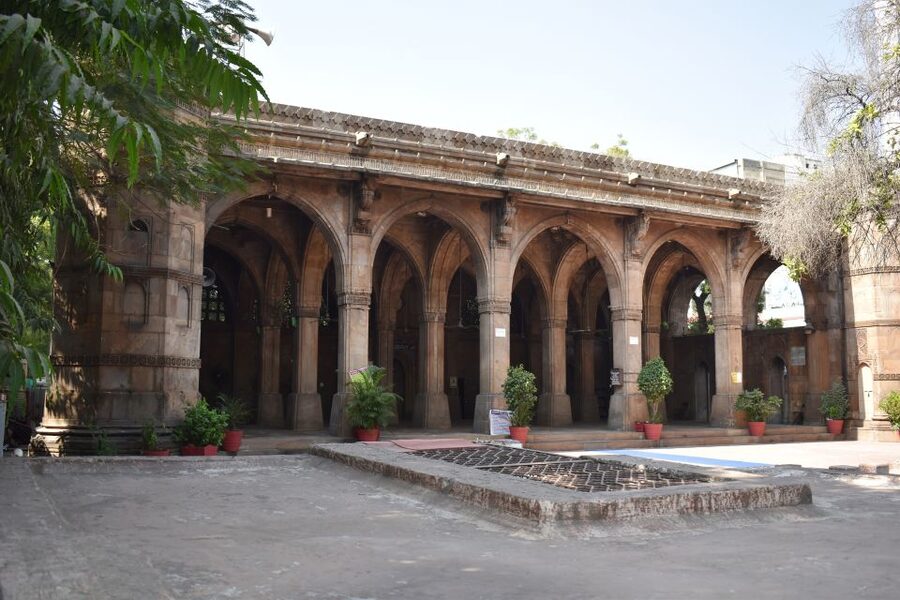
Your day starts with pickup from your hotel and a transfer to the meeting point. The walking tour proper begins at 8:00 AM, and the first major stop is a 15th-century mosque constructed by Ahmad Shah I.
What makes this start so good is that you don’t just look. You get pointed toward details—especially the precise work on pillars and walls. That’s where the Islamic and Hindu mix shows up in a way that feels physical, not abstract. You’ll notice how the design language blends styles rather than treating them like separate worlds.
On a walk like this, timing matters. Earlier light and cooler air help you actually slow down to see carvings, patterns, and structural rhythms. If you’re the type who usually rushes through monuments, this first stop is a good reset.
You can also read our reviews of more tours and experiences in Ahmedabad.


Ahmad Shah’s Tomb stop: small detour, big context
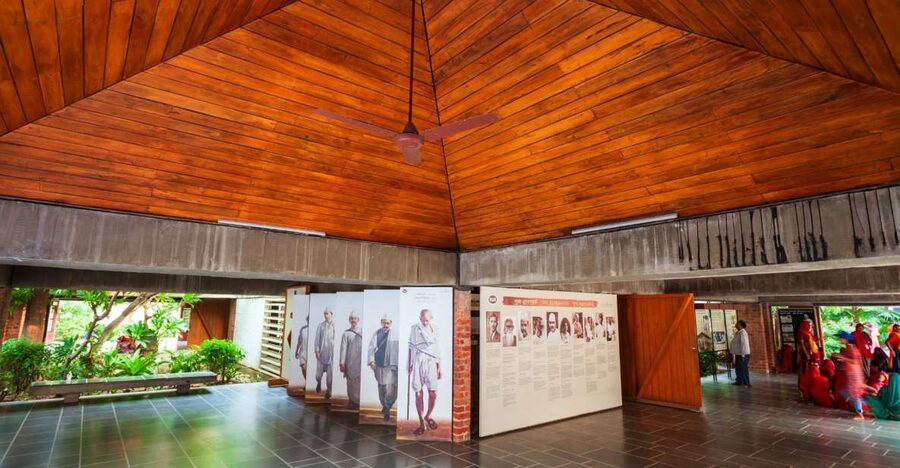
On the way between the main walking sights, you’ll pass by Ahmad Shah’s Tomb. It’s not presented as a standalone long stop, but it adds an anchor point to the morning story—who was behind the buildings, and why their legacy is still showing up in the city’s sacred architecture.
This is a good move for two reasons. First, it helps you connect what you’re seeing (mosque details) with the broader era. Second, it keeps the morning moving so you can reach the sites people actually plan their day around.
Sabarmati Ashram: where Gandhi’s story connects to the freedom struggle
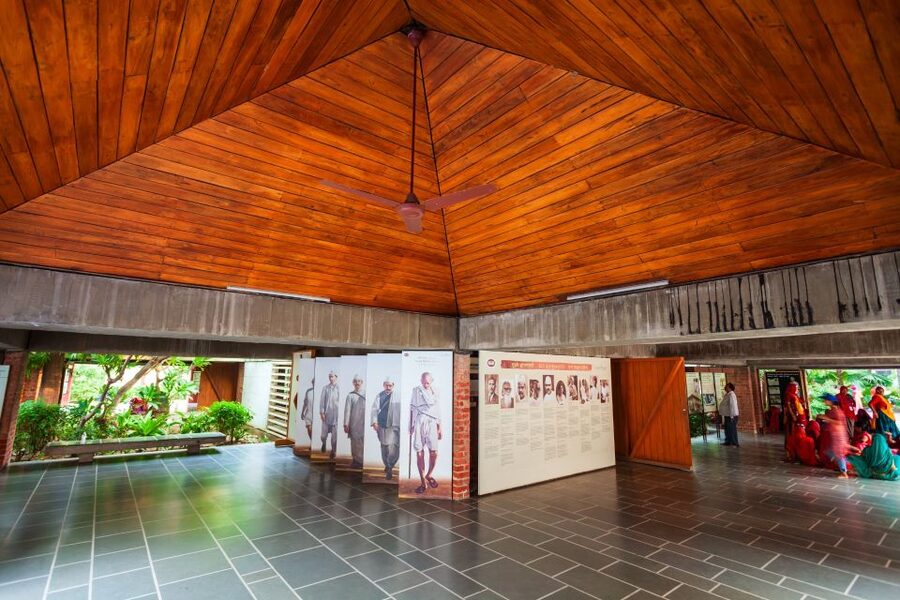
After the morning walk, you switch to a ride and head to Sabarmati Ashram. This is the part of the itinerary that turns from architectural reading into political history you can hold in your head.
You’ll go to the area where Mahatma Gandhi lived for an important stretch of time. The tour also connects his role to the freedom struggle, including the Salt March, linked to the Ashram period.
Why that connection matters: Gandhi’s influence can feel like a headline name if you only meet him through books. Here, you’re given a clear thread—time, place, and action. Even if you’re not a history nerd, you’ll likely leave with a stronger sense of cause and effect.
Adalaj Stepwell and garden: a scenic pause with real character
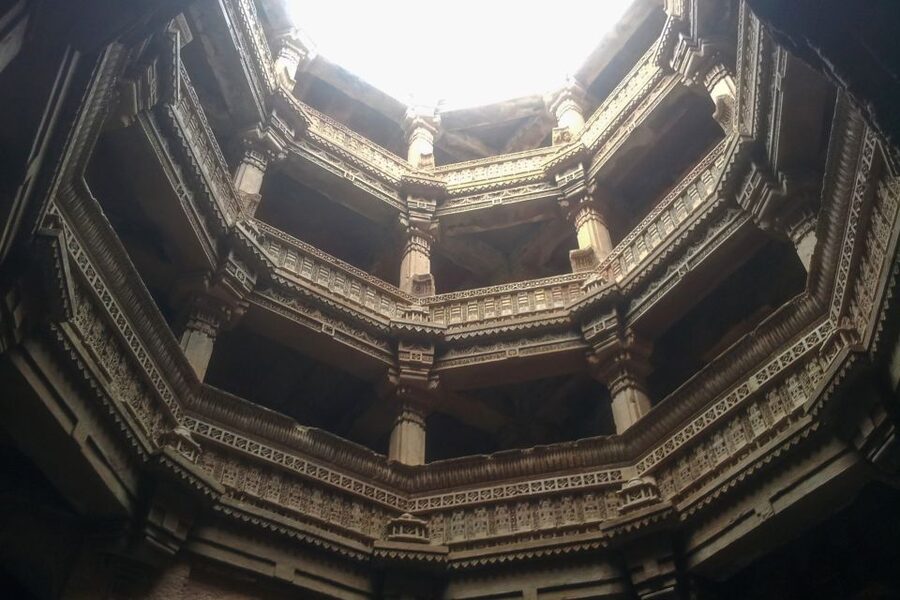
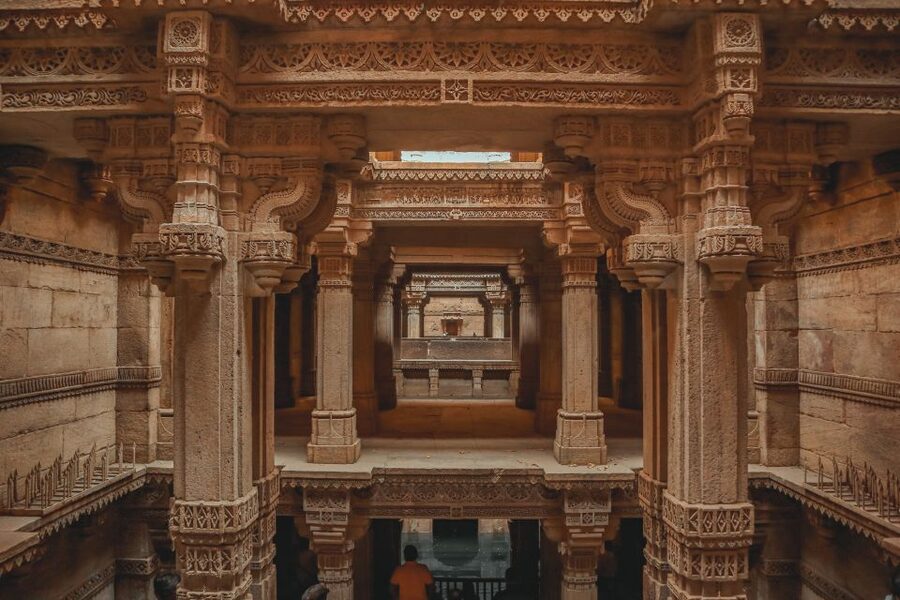
Next comes one of the most photogenic stops on the day: Adalaj Stepwell, plus the surrounding garden area. Stepwells are more than pretty architecture; they’re part of how communities handled water, heat, and daily life.
On this tour, you’re not just dropped at a single viewpoint. You get time to enjoy the space and its atmosphere. The garden setting also gives you that breather you need after temples and mosques—especially if you’ve been walking since the morning.
If you tend to like places that feel different from typical temple or monument stops, this is where you’ll feel the shift. The stepwell’s geometry and atmosphere are the kind of thing that rewards slow looking.
Hutheesing Jain Temple: intricate structure and a distinct spiritual focus
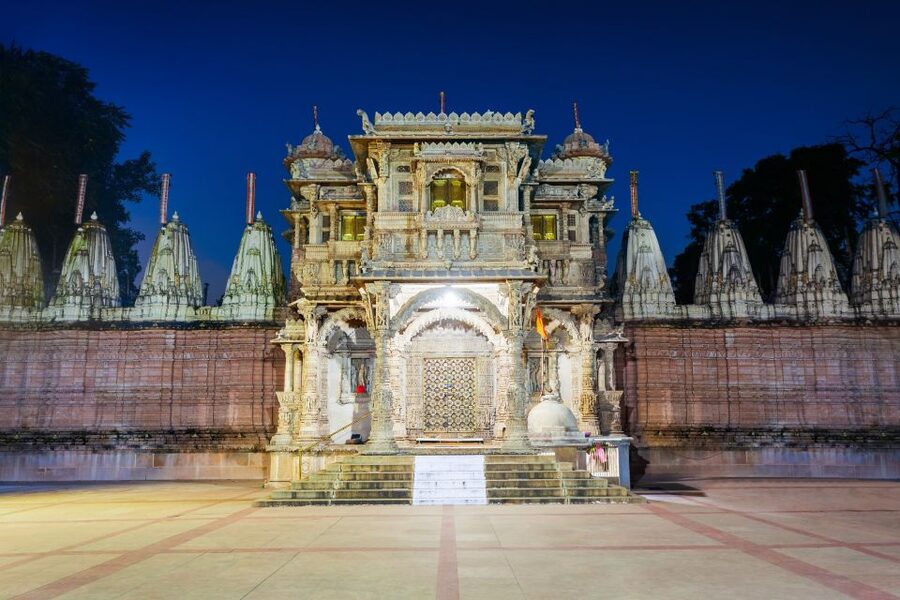
Then the day turns toward Hutheesing Jain Temple, a 19th-century Jain temple devoted to Dharmanatha.
Jain temples often communicate through shape, ornament, and symmetry, and this one is no exception. The tour gives you enough time to see the structure in a way that feels coherent—rather than only passing by for a quick photo.
This stop also balances the day’s spiritual variety. You’ve already seen Islamic architecture up close. Now you’ll switch to a different design logic and religious emphasis. That shift helps you understand why Ahmedabad has such a strong reputation for layered traditions.
Sidi Saiyyed Mosque: the Tree of Life latticework
If you like architectural details that look like art, you’ll enjoy the Sidi Saiyyed Mosque. The highlight here is the famous latticework, often referred to as the Tree of Life, along with other intricate design elements.
This is the kind of sight where your brain does two things at once: it tracks pattern and it tries to figure out how it’s built. The tour’s pacing helps—because you’re coming from other major stops, you can compare how each structure tells its story.
Also, this is a great spot for questions. If you’re curious about how styles evolve across regions and time periods, ask your guide what you’re noticing. The experience is designed for guided context, not just “see and go.”
Vallabhbhai Patel National Museum: films and artifacts that make the story stick
The final major stop is the Sardar Vallabhbhai Patel National Museum. The focus is Independent India’s first home minister, Vallabhbhai Patel, and the tour centers on his role in uniting more than 500 princely states.
What you’ll get here is less about exterior architecture and more about story. You’ll see the life journey through short films and displayed artifacts. That format is ideal if you want history you can follow without needing to read every label on your own.
If you’ve been concentrating hard for six or seven hours already, this end-of-day structure helps. You’re not hunting for details at every corner. Instead, you’re given a guided narrative that wraps the day into one clear theme: state-building, leadership, and turning points.
Transfers, timing, and pace: how the day actually feels
This is an 8-hour city tour with hotel pickup and transfers between sites. The walking portion happens early, then rides connect you to later stops. The itinerary runs until 3:00 PM, when you’ll be transferred back to your hotel.
In plain terms: you’ll spend your morning on foot, then shift into a more seated rhythm as the day progresses. That’s a smart plan for a city packed with landmarks.
One practical note from recent experiences: come ready to walk a lot. The route mixes streets and monumental entrances, so comfortable shoes matter more than style.
For breaks, the tour doesn’t promise a long lunch stop. I’d plan to carry a few snacks and water so you’re not hungry when the timing gets tight.
Private group and the guide factor: what to expect from the experience
This tour is a private group with a live English guide. Private doesn’t automatically mean you’ll have a huge personal space bubble, but it does mean the guide can keep things moving at a pace that fits your group.
One recent guide mentioned by name is Mr. Murtaza, and the feedback emphasizes how he explained history clearly and stayed patient. There’s also a note that an English and Hindi speaking setup worked well, so if you’re bilingual (or your group is), that’s a reassuring sign.
You’ll feel the difference when a guide can point out what to notice. On days like this, that’s half the value. Otherwise, you’d just see impressive buildings and miss the connections.
Price and value: is $125 per person fair for a full-day circuit?
At $125 per person for an 8-hour experience, the value comes from three things working together:
1) multiple major sites in one day,
2) hotel pickup plus transfers between stops, and
3) a live English guide during both the walking and indoor/outdoor segments.
If you were to try this on your own, you’d likely spend time coordinating transport, figuring routes, and deciding how long to linger at each stop. Here, the schedule does that thinking for you.
Private group pricing can feel steep if you’re traveling solo. But if you’re splitting cost with friends or family, the math shifts quickly—especially because the day includes enough landmarks to feel complete by mid-afternoon.
Who this tour suits best (and who should pass)
You’ll love this tour if you want a structured day that covers big names in Ahmedabad: Sabarmati Ashram, Adalaj Stepwell, Hutheesing Jain Temple, Sidi Saiyyed Mosque, and the Vallabhbhai Patel National Museum—with guidance on what to notice at each stop.
It’s also a great fit if you care about the theme of architectural mixing. The morning mosque walk is built around the Islamic and Hindu blend, and the rest of the day keeps the context connected.
Skip it (or consider shortening your plan) if you:
- dislike walking and long museum-style storytelling,
- prefer totally unstructured free time,
- want to spend a very long stretch at just one site.
Quick practical tips to make the day smoother
- Wear comfortable shoes. The morning walk is real.
- Bring water and snacks, since the schedule is focused and lunch timing can feel compressed.
- If you enjoy photos, keep your eyes up while you walk. Some of the best detail is on pillars, walls, and latticework.
- Ask your guide what you’re noticing as you go. This tour works best when you use the guide’s explanations.
Should you book Ahmedabad: Full Day City tour with Heritage Walk & transfers?
I’d book it if you have limited time and want a complete picture of Ahmedabad in one day. The itinerary connects themes: architecture, spirituality, and major freedom-struggle context, and it finishes with Patel’s nation-building story through films and artifacts. That ending is a strong way to close the day with meaning.
But if you’re the type who wants long, quiet visits and minimal walking, you might find the pacing a bit tight. In that case, look for a shorter heritage option instead.
If you can handle a morning on foot, this is a solid way to spend your time—practical logistics, a clear route, and enough guided detail to make the stops feel connected.
FAQ
What is the duration of the Ahmedabad full day city tour?
The tour lasts 8 hours, running from the morning start at 8:00 AM until 3:00 PM.
What time does the tour start?
The walking tour begins at 8:00 AM.
Does the tour include hotel pickup and transfers?
Yes. The day begins with pickup from your hotel, and you’ll also have transfers between the different sightseeing stops.
Which places are included in the itinerary?
The tour covers Sabarmati Ashram, Hutheesing Jain Temple, Adalaj Stepwell, Sidi Saiyyed Mosque, and the Sardar Vallabhbhai Patel National Museum. It also includes a pass-by of Ahmad Shah’s Tomb during the walking portion.
Is there a walking component?
Yes. The tour includes a walking tour that starts at 8:00 AM and you should expect to walk a lot.
Is the tour guide available in English?
Yes, the tour includes a live tour guide in English.
Is this a private group tour?
Yes, it is listed as a private group.
How much does it cost?
The price is $125 per person.
What is the cancellation policy?
You can cancel up to 24 hours in advance for a full refund.
Is there a pay later option?
Yes. It offers Reserve now & pay later, where you can book your spot and pay nothing today.