REVIEW · KECHRIES
Private Tour of Apostle Paul Footsteps in Ancient Corinth
Book on GetYourGuide →Operated by Colours of Greece · Bookable on GetYourGuide
Corinth feels personal when you follow Paul’s steps. This private 6-hour route in the Peloponnese ties together key places for the Apostle Paul story, from the agora to the Bema, plus the harder-earned climb to Acrocorinth. Along the way you also get practical context stops like the Isthmus Canal photo break and a stop at the ancient port area of Kechries.
I love that the day is built around Paul’s message, with the marketplace setting, the sermon platform idea, and the Temple of Apollo as a clear contrast between beliefs. I also like the comfort package: hotel pickup/drop-off, an air-conditioned vehicle, onboard WiFi, and bottled water during the ride. The one drawback to plan for is that entrance fees and a licensed guide to accompany you inside the archaeological sites are not included, so you’ll likely pay extra once you’re there.
In This Review
- Key things I’d circle on this Apostle Paul in Corinth tour
- Why Apostle Paul’s Corinth still hits hard
- Athens pickup to the Isthmus: start comfortable, stay on schedule
- Isthmus of Corinth photo stop and Diolkos: quick context, not a time sink
- Ancient Corinth: from the marketplace setting to the Bema moment
- Temple of Apollo contrast: a faith lesson you can see in space
- Archaeological Museum of Ancient Corinth: where the symbols become physical
- Acrocorinth: the climb that changes your pace and your focus
- Kechries: an ancient port stop that adds the travel dimension
- Time management: how the 6 hours actually feel
- Private tour comfort and driver style: what makes the experience click
- Price and value: what $63 buys you (and what you still pay on-site)
- Who this tour is best for (and who should skip it)
- Should you book this Apostle Paul footsteps tour?
- FAQ
- How long is the Private Tour of Apostle Paul Footsteps in Ancient Corinth?
- Where is pickup, and is drop-off included?
- Is this a private tour?
- What’s included in the price, and what isn’t?
- Is the tour suitable for people with mobility impairments?
- What should I bring?
- Can I cancel, and what’s the latest time to cancel?
Key things I’d circle on this Apostle Paul in Corinth tour
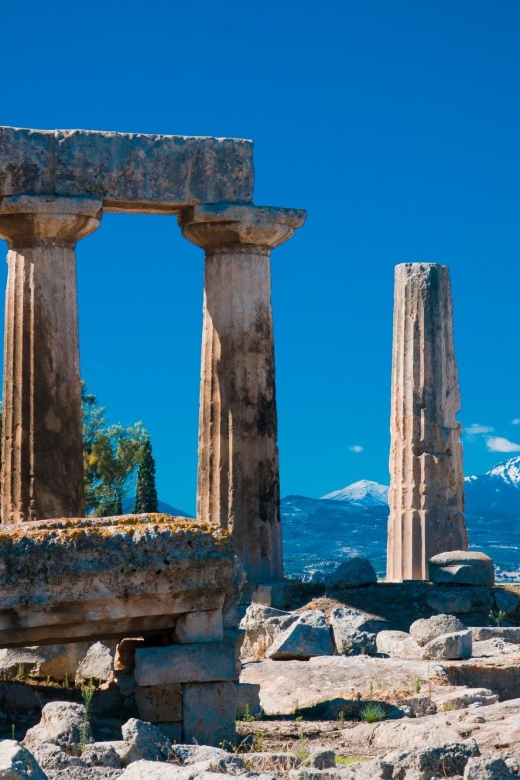
- Ancient Corinth focus: you spend real time at Paul-linked areas, not just passing by ruins
- Bema and Temple of Apollo contrast: you’ll connect faith teaching to the older religious landscape
- Corinth museum visit: time set aside to understand what you’re seeing
- Acrocorinth climb: a physical stop that helps the story feel grounded
- Isthmus Canal + Diolkos: quick context stops that are great for photos and orientation
Why Apostle Paul’s Corinth still hits hard
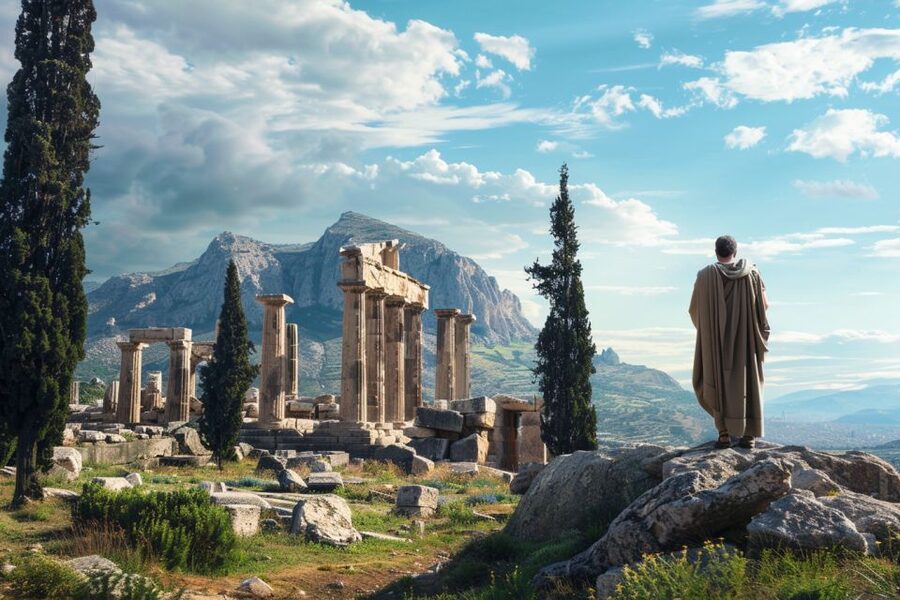
Corinth was the kind of city where different ideas collided in public. That matters because Paul wasn’t giving a private talk in a quiet room—he was speaking into a real urban mix of trade, beliefs, and daily life. Seeing the main locations in sequence helps the story make sense fast.
What I like is that the route doesn’t treat faith as vague. You’ll walk through settings tied to Paul’s preaching: the marketplace/gathering area idea, the Bema (the platform concept), and then the Temple of Apollo as a tangible counterpoint. Even if you don’t come for religion, you’ll still get a clear picture of how cultures rubbed up against each other.
Athens pickup to the Isthmus: start comfortable, stay on schedule
Your day begins with pickup in Athens. The driver meets you at your hotel/apartment entrance and waits, or meets you at the port gate holding a sign with your name—so you don’t waste time hunting or guessing.
Then you’re on the road in an air-conditioned vehicle with onboard WiFi and bottled water. For groups of 1–4 people, it’s a sedan setup, which usually feels easier to manage for a single-day route than larger buses. If you like a calm start, this is the kind of tour where the car ride is part of the experience rather than a painful prelude.
One small but smart detail: the tour is structured into short, workable chunks. That means you’re not stuck with one endless stop where everyone gets tired at the same time. The time blocks are short enough to keep momentum, but long enough to actually look around.
Isthmus of Corinth photo stop and Diolkos: quick context, not a time sink
The first sightseeing stop is at the Isthmus of Corinth for a photo stop. You’ll have about 20 minutes—enough time to get your shots and reorient yourself to where Corinth sits in the larger geography.
After that, there’s a visit to Diolkos for about 10 minutes. It’s brief by design, so I’d treat it as a quick “we’re here” moment—use it to get your bearings and to learn what the place represents in the wider Corinth area. If you prefer your stops long and slow, you might wish there were more time here. If you like a balanced route, this short segment keeps the day moving toward the main sites.
Ancient Corinth: from the marketplace setting to the Bema moment
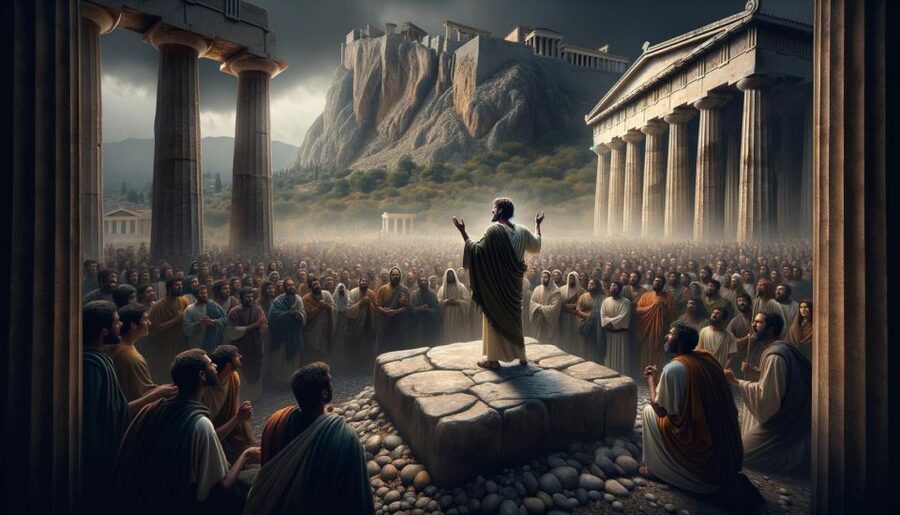
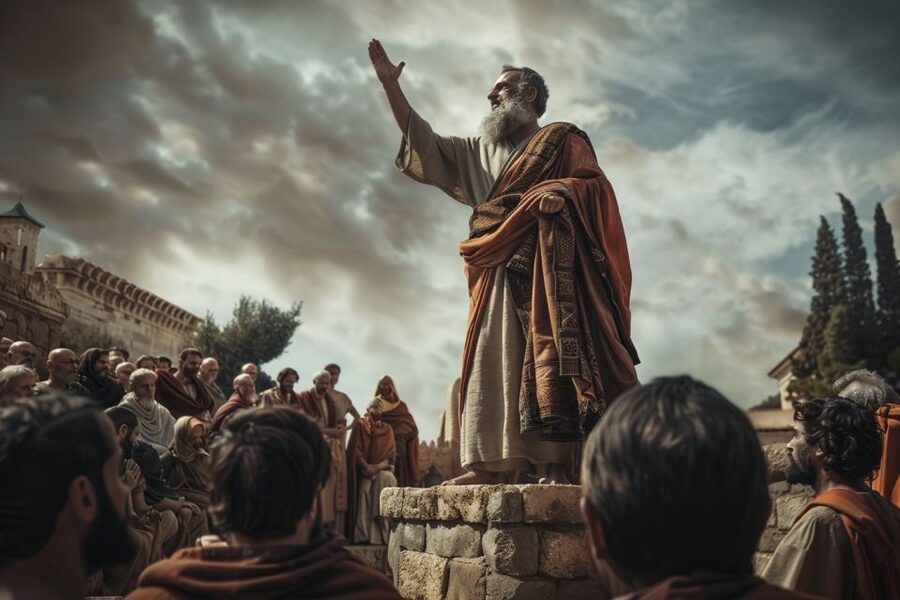
This is the heart of the tour. You’ll spend around 40 minutes in Ancient Corinth, with time focused on the places connected to Paul’s activities. The big value here is sequence: you go from the marketplace/gathering setting (where Paul’s message would have landed in daily life) to the idea of the Bema—Paul’s preaching platform.
The Bema concept is powerful because it turns scripture from something you read into something you can picture. You’re essentially standing in a setting that helps explain how words could spread when delivered in a public, structured space. Add in the marketplace idea, and suddenly Paul’s talk isn’t floating—it’s placed into a crowd-and-communication reality.
Practical tip: wear shoes you can trust on uneven stone. The surfaces can shift from walkway to ruin areas without much warning, and 40 minutes adds up quickly if you’re constantly adjusting your footing.
Temple of Apollo contrast: a faith lesson you can see in space
The Temple of Apollo stop is part of the tour’s “why this mattered” approach. You’re not just touring Christian landmarks; you’re also looking at the pagan religious landscape that Paul would have been confronting in that era. That contrast is what makes the story feel grounded instead of one-sided.
Here’s what I think you’ll appreciate most: the ability to compare. When you can physically place the older religious setting next to where Paul’s teaching would take the conversation, the clash of cultures isn’t abstract. It becomes a real spatial relationship—one place where people worshiped and gathered, and another world of ideas Paul wanted people to consider.
If you enjoy “standing where history happened” but also want interpretation, this tour is set up for you. If you’re only interested in one tradition and don’t care about the broader setting, you may find this part less satisfying.
Archaeological Museum of Ancient Corinth: where the symbols become physical
Next comes the Archaeological Museum of Ancient Corinth, about 45 minutes. I like museum time on a Paul-focused tour because it helps you decode what you’re seeing outside. Otherwise, ruins can feel like a collection of stones and labels.
The museum visit also gives your legs a breather—45 minutes is enough to reset without dragging the day into a long indoor slog. It’s a good balance after outdoor walking and before the bigger climb later.
What you’ll get from this stop is perspective. Ruins don’t always explain themselves. In the museum setting, you can connect objects and evidence to the kind of daily life Paul would have been describing.
Acrocorinth: the climb that changes your pace and your focus
Then it’s time for Acrocorinth, around 40 minutes. This is where the tour gets more physical, because you’re climbing as part of the visit.
I’d plan for two things: slower steps and more frequent pauses to catch your breath. Even if you’re in decent shape, the pace can change once you’re ascending, and that’s actually useful—your body starts paying attention to the environment in a way that makes the story feel less like a lecture and more like a lived place.
It’s also a good moment for photography and simple observation. When you’ve got elevation and the ruins spread out differently, the day’s timeline feels more connected. It’s a natural “okay, now I get the scale” stop.
If it’s hot or humid, bring extra water planning in your head. Bottled water is included, but you’ll still want to sip early and often rather than waiting until you’re thirsty.
Kechries: an ancient port stop that adds the travel dimension
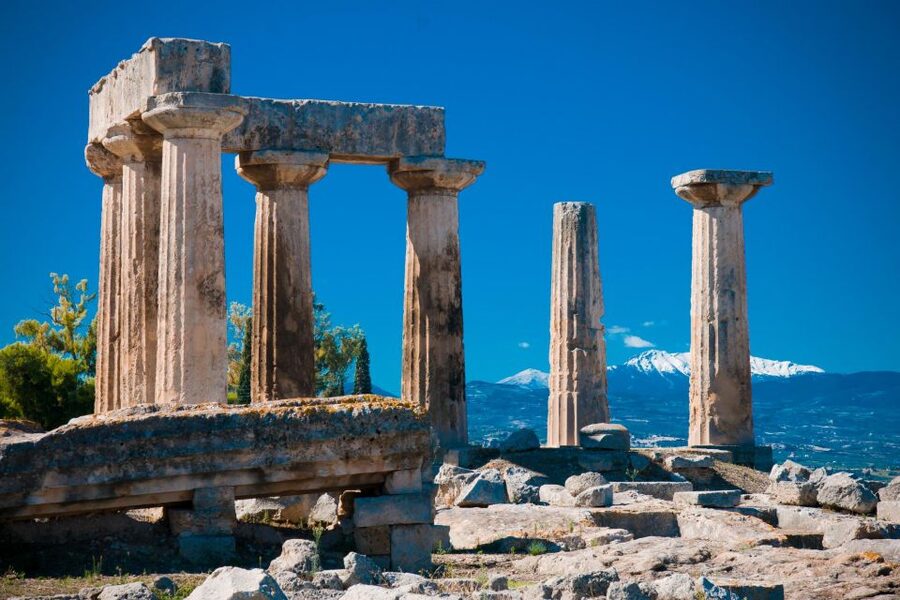
The last major sightseeing segment is Kechries, with about 20 minutes of sightseeing. This stop rounds out the day by adding a practical link to movement—how people, goods, and ideas flow through a region with a port.
Even if you’re focused on scripture, this part helps explain why a message could travel. Corinth wasn’t isolated; it was connected, and port life is one way that connectivity becomes visible in the landscape.
This is also a “lighter lift” stop compared to the climb at Acrocorinth. If you’re starting to feel the day in your calves, you’ll likely find Kechries easier to enjoy without rushing.
Time management: how the 6 hours actually feel
On paper it’s 6 hours. In real life, it feels like a sequence of short anchors: photo stop, quick context visit, Ancient Corinth focus, museum reset, Acrocorinth climb, then a port-area finish.
That structure matters. When you’re in ancient sites, it’s easy to lose time to paperwork, walking between areas, and getting your bearings. This tour seems designed to keep transitions tight, which helps you get more “meaningful looking time” instead of just transportation time.
Weather is also a factor. One booking noted the tour went perfectly even in rain, which is a good sign that the route works even when the skies don’t cooperate. Just remember the simple rule: good shoes matter more than a fancy outfit.
Private tour comfort and driver style: what makes the experience click
This is a private group setup, not a big shared bus day. That matters because you can move at a pace that fits your questions, your photo rhythm, and your energy level.
The tour is led by professional English-speaking tour drivers with deep local knowledge. In the feedback I saw, guides such as Roslan, John, and Nick get credited for clear step-by-step guidance and taking their time with explanations. One booking also highlighted that the guide listened to personal needs, including making a quick sanitation stop—exactly the kind of real-world flexibility that keeps a day from feeling rigid.
WiFi onboard is a small thing, but it helps if you’re trying to check transit, maps, or just sanity between stops. And because you’re in an air-conditioned vehicle with bottled water, you’ll arrive at the archaeological parts less drained than you would on a purely DIY day.
Price and value: what $63 buys you (and what you still pay on-site)
At $63 per person for a 6-hour private tour from Athens, the value is mostly in the door-to-door logistics plus driver-led interpretation. You’re paying for comfort and efficiency: pickup/drop-off, an air-conditioned vehicle, onboard WiFi, and bottled water, along with an English-speaking driver who guides you through the Paul-focused route.
What’s not included is just as important. You won’t have archaeological site entrance fees included, and a licensed guide to accompany you inside archaeological sites is not included. Translation: your final day cost may rise depending on site admission requirements and whether you choose to add a licensed in-site guide experience.
If you’re the type who hates surprise costs, budget a little extra for admissions. If you already plan to visit museums and major sites anyway, this tour can feel like a smart way to add interpretation and organization without hiring separate transportation.
Who this tour is best for (and who should skip it)
This tour fits best if you want a structured, Paul-centered walk through Corinth without doing the planning math yourself. It also works well if you like a mix of faith context and real-world setting—marketplace ideas, the Bema concept, and the Temple of Apollo contrast—plus a museum stop that helps you connect evidence to place.
It’s private and small-group friendly (sedans for groups of 1–4), so it can suit couples, solo travelers, and friends who want control over timing and questions. If you’re traveling with kids old enough to handle a longer day outdoors and aren’t pushing mobility limits, it can also work—just expect walking on ancient surfaces.
The main “skip” flag is mobility. The tour is not suitable for people with mobility impairments. Also, pets aren’t allowed. If either of those affects you, you’ll want to look for a different format.
Should you book this Apostle Paul footsteps tour?
Book it if you want a calm, private Athens-to-Corinth day that connects the main Paul-related spaces with clear explanations and a museum stop. The route is well balanced: a few quick context moments (Isthmus Canal, Diolkos), a core Ancient Corinth focus, a learning break in the museum, then the physical Acrocorinth climb, finishing with Kechries.
Skip it if you’re looking for a fully ticketed, all-in archaeological-guide experience with no extra costs, because entrance fees and licensed in-site guidance are not included. Also skip if mobility constraints make climbs or uneven stone a problem.
FAQ
How long is the Private Tour of Apostle Paul Footsteps in Ancient Corinth?
The tour lasts 6 hours.
Where is pickup, and is drop-off included?
Pickup is from Athens, and hotel/apartment pickup and drop-off are included. The driver waits at the entrance (or at the port gate with a sign holding your name).
Is this a private tour?
Yes, it’s a private group tour.
What’s included in the price, and what isn’t?
Included are an air-conditioned vehicle, onboard WiFi, bottled water, professional English-speaking tour drivers, and hotel pickup/drop-off. Not included are entrance fees to archaeological sites and the museum, and a licensed guide to accompany you into archaeological sites.
Is the tour suitable for people with mobility impairments?
No, it’s not suitable for people with mobility impairments.
What should I bring?
Bring comfortable shoes.
Can I cancel, and what’s the latest time to cancel?
You can cancel up to 24 hours in advance for a full refund.