REVIEW · LIVERPOOL
Inspirational Women Liverpool Past-Present History Tour – monthly
Book on Viator →Operated by Liverpool Famous Walking Tours · Bookable on Viator
Women’s history in Liverpool is everywhere—if you know where to look. This 2-hour Inspirational Women Liverpool Past-Present History Tour guides you past the usual highlights and points to the people who shaped the city but often got written out. I like the gentle walking pace, and I also like that the stops are built around real places you can stand in front of, not just facts read from a screen.
My other big reason I’m a fan: you get a smooth mix of big landmarks and smaller, “wait, what is this building?” moments—like Lady Chapel stained glass and a grade II listed school building for girls and women. One possible drawback: it’s an easy walk, but you do need comfortable non-slip shoes because you’ll cover cobbles and uneven spots.
In This Review
- Key highlights you’ll feel on this tour
- A 2-hour walk that changes how you see Liverpool
- Meeting point at Liverpool Cathedral: quick logistics that matter
- Stop 1: Liverpool Cathedral Lady Chapel and the women in stained glass
- What to watch for (and what to skip)
- Blackburne House: a grade II listed site tied to women’s schooling
- Rodney Street: the Harley Street of the North and famous female residents
- Everyman Theatre (Hope Hall): suffragettes and a political edge
- Mount Pleasant: medicine, education, and health reform at the turn of the century
- Pembroke Place and the red-brick university legacy
- Metropolitan Cathedral of Christ the King: Nightingale nurses and law reform
- Lime Street: a 19th-century reputation and a lady in Liverpool songs
- William Brown Street and the Walker Art Gallery: public art shaped by women
- St George’s Hall: suffragist movement links and a surprising cookery twist
- Guides Pam and Jean: why the storytelling lands
- Price and value: what $31.58 buys you in Liverpool
- Who should book this Inspirational Women Liverpool tour?
- Should you book this tour?
- FAQ
- Is the tour in English?
- How long is the Inspirational Women Liverpool Past-Present History Tour?
- What does the ticket include for the Liverpool Cathedral stop?
- Do I need to buy separate entry tickets for the other stops?
- What should I wear for this walking tour?
- What happens if the weather is poor?
Key highlights you’ll feel on this tour
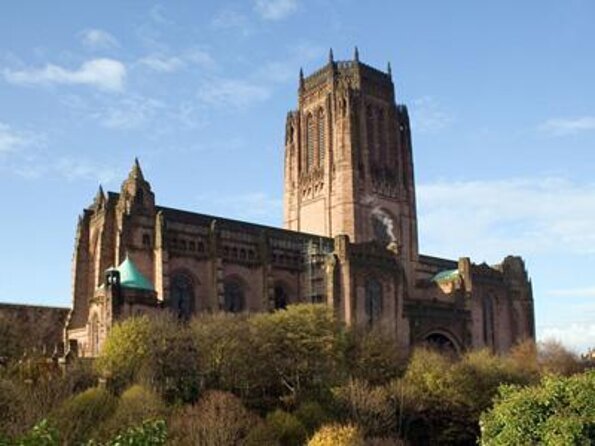
- Liverpool Cathedral Lady Chapel: donation admission included, with stained glass tied to women’s stories
- Women’s education at Blackburne House: a grade II listed building linked to schooling for girls
- Suffragette connections at Everyman Theatre (Hope Hall): politics and community history on the route
- Healthcare and reform at Mount Pleasant and Christ the King: women connected to medicine and legislation
- Art and public culture at the Walker Art Gallery: women tied to making it the national gallery of the north
- Small-group feel: capped at 26 travelers, so you can actually hear the guide
A 2-hour walk that changes how you see Liverpool
This tour works because it’s not trying to cover every woman in Liverpool. It picks specific threads—education, politics, medicine, art, faith—and then shows you where those stories sit in the cityscape. You end up walking through neighborhoods you might otherwise zip past, like Rodney Street and the streets around Lime Street and the art gallery.
The pace is relaxed, and the route is short enough that the history doesn’t turn into a marathon lecture. That matters, because the best part of this kind of tour is standing in the right spot long enough to connect the story to the building, the street, and the time period.
You can also read our reviews of more tours and experiences in Liverpool.

Meeting point at Liverpool Cathedral: quick logistics that matter
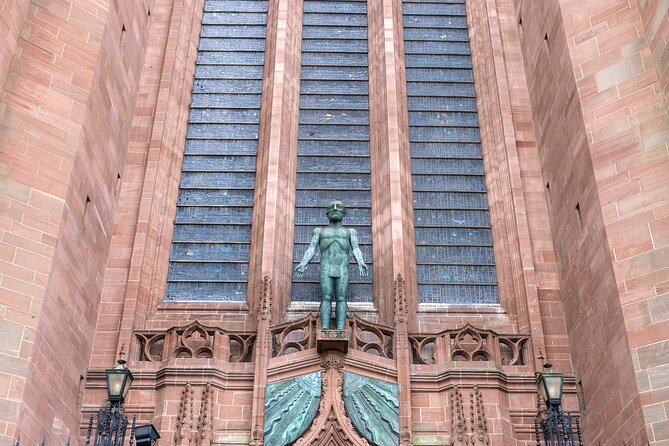
The tour starts at Liverpool Cathedral (St James’ Mount, L1 7AZ) at 10:30am, and it finishes at St George’s Hall (St George’s Pl, L1 1JJ). You’ll get a mobile ticket, and the tour runs in English on a monthly schedule.
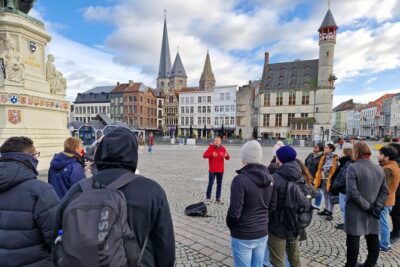
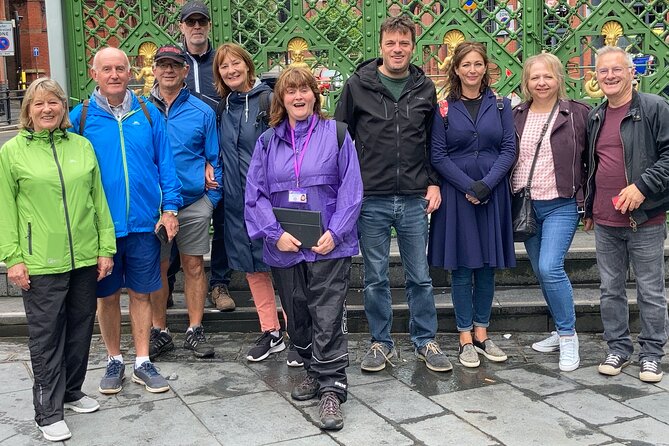
Small group size is part of the value here: the maximum is 26 travelers, which makes it easier for the guide to keep everyone together and for you to hear the commentary at each stop.
Do plan for real walking: they recommend comfortable non-slip shoes, especially since parts of the route include cobbles and uneven surfaces. Also bring water and sunscreen if the day is bright. And if you travel with a service animal or a well-behaved dog, the tour allows them—just know you’ll be moving through busier areas in a group.
Weather is a real factor. Since the experience is described as requiring good weather, bring a light layer and keep an eye on forecasts so you don’t get surprised on the day.
Stop 1: Liverpool Cathedral Lady Chapel and the women in stained glass

You begin in the Lady Chapel at Liverpool Cathedral, starting your tour in a place made for slow looking. This stop sets the tone: you’ll see the final works by a famous female sculptor of the modern era (as described by the tour), and you’ll get a guided visit of the Lady Chapel and its stained-glass windows.
The big practical plus: admission by donation to the Cathedral is included in your ticket price. So you’re not juggling extra payments or last-minute decisions while you’re trying to absorb the story. Plan on using your phone camera here. The tour is scheduled with enough time for photos and video, and the stained glass is the kind of thing you’ll want to capture before you move on.
From the guide’s storytelling, you may hear specific names tied to the windows and the wider theme of women’s influence—one review mentioned Juliana of Norwich. Even if you don’t recognize every reference at first, the guide helps you connect the figures to Liverpool’s wider development.
What to watch for (and what to skip)
- Watch for the way the guide links the religious art to real women’s influence, not just decorative detail.
- Don’t rush. This is a “stand and look” stop, and it works best when you take a beat before moving on.
Blackburne House: a grade II listed site tied to women’s schooling
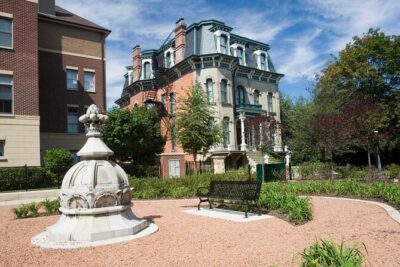
Next up is Blackburne House, a grade II listed building. This short stop focuses on the important role the building played in the education of girls and women. It’s only about ten minutes, so the goal isn’t to read every plaque. It’s to understand why this kind of institution mattered: education wasn’t automatically available, and buildings like this represent the push for women to learn, lead, and participate in public life.
This is also a “good pause” stop for people who want history that feels grounded. Instead of just saying women mattered, the guide points to physical evidence of how that change happened in Liverpool.


Rodney Street: the Harley Street of the North and famous female residents
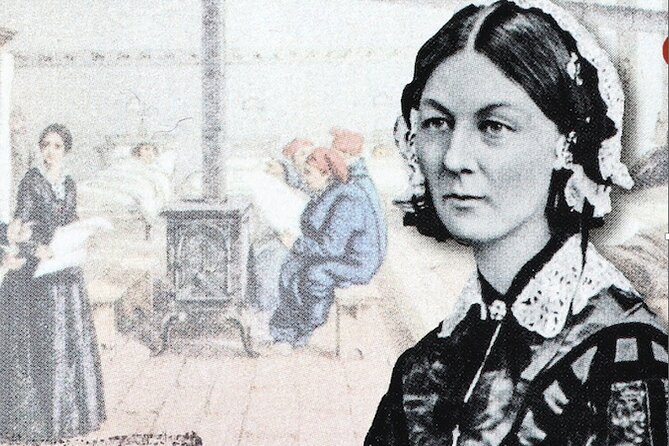
At Rodney Street, the tour leans into reputation and people. This street is often called the Harley Street of the North, and the guide uses that framing to talk about well-known women connected to the area’s medical and professional history.
Even though your time here is brief, this stop is useful because it gets you thinking about how women built careers in spaces that were sometimes controlled by men. It’s one of those moments where you can look at a street and realize it’s a timeline—houses and institutions that kept shaping who had access to power and expertise.
Photo tip: Rodney Street is a great place to snap a quick street shot, then a second photo that catches the character of the buildings rather than just the storefronts.
Everyman Theatre (Hope Hall): suffragettes and a political edge
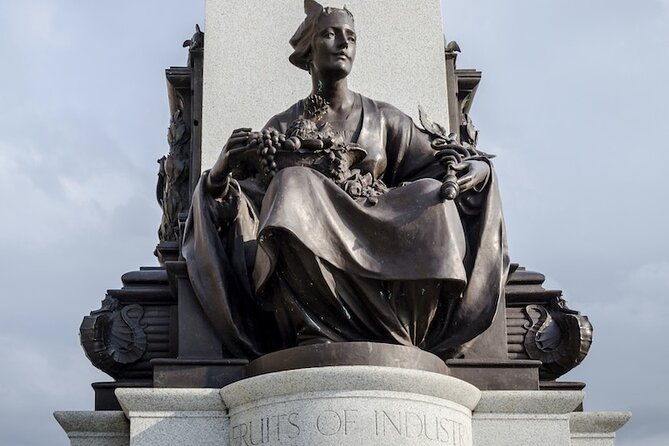
The tour shifts to Everyman Theatre, and it’s not treated like a casual stop. The site’s history as Hope Hall is tied to a bohemian environment with a political edge, plus connections to ground-breaking movements such as the suffragettes.
This matters because it shows how political change doesn’t only happen in government buildings. It also happens in theaters, meeting halls, and cultural spaces where people gather, organize, and argue about what society should become.
Because the stop is around ten minutes, the guide usually hits a few key stories rather than trying to cover every related organization. That’s the right approach for a short walking tour.
Mount Pleasant: medicine, education, and health reform at the turn of the century
At Mount Pleasant, you’ll hear about women from Liverpool connected to medicine and the challenges they faced when trying to influence how medicine, education, and health services developed around the turn of the last century.
This is where the tour’s “past to present” theme becomes more than a slogan. The guide highlights obstacles and what reform looked like in practice: not just grand declarations, but the daily work of pushing for changes in healthcare, training, and public health.
If medicine and public health are your interests, this stop is one of the best uses of your time on the route. The building itself may not be the main character here; the story is. But standing in the area where that work happened helps the context land.
Pembroke Place and the red-brick university legacy
Then you head to Pembroke Place. The guide brings up how this area gave the name to red-brick universities and links it to famous female alumni and pioneering women.
This is another short stop, but it’s a strong “connector” in the route. Education keeps showing up across the tour, and here the story connects universities to women who helped move the needle—one of the women mentioned is a philanthropist who successfully campaigned for women’s rights and family social in the early 1900s.
If you’re visiting Liverpool for the first time, this stop can be a quick reminder that universities didn’t become equal by accident. People campaigned, advocated, and kept pushing.
Metropolitan Cathedral of Christ the King: Nightingale nurses and law reform
At Metropolitan Cathedral of Christ the King, the tour turns to the Catholic Cathedral and its connections to the Nightingale nurses. You’ll also learn a mix of the tragic side of that history and the incredible work of a leading reformer who supported legislation for women and families in the 1800s.
This stop is valuable because it covers two angles at once: caregiving and policy. It’s not just “what happened to people,” but how some women (and their allies) worked to shape the rules that affected families and everyday life.
Even with a time limit of about ten minutes, the stop doesn’t feel empty. It gives you names, themes, and a sense of why legal reform was tied to human suffering and public responsibility.
Lime Street: a 19th-century reputation and a lady in Liverpool songs
At Lime Street, the guide uses its infamous 19th-century reputation as a springboard. You’ll hear about one lady who appears in several famous Liverpool songs.
This is a different kind of history stop. Instead of focusing on institutions, it focuses on cultural memory. It’s a reminder that songs and stories can preserve names and reputations that official records ignore—or at least complicate.
If you like local culture, this is the moment where the tour feels a bit more like Liverpool than like a museum. And you can probably picture why the guide chose this street: the stories are already embedded in the city’s soundtrack.
William Brown Street and the Walker Art Gallery: public art shaped by women
Passing by William Brown Street, you get a glimpse of places tied to women’s social and political union meetings in the early 1900s. Then the route arrives at the Walker Art Gallery, where the tour connects women to the gallery’s development and its role as the national gallery of the north.
This stop is useful because it expands the definition of influence. Women aren’t only described in terms of activism and care—they’re also tied to public culture and institutions that shape what a city shows itself.
A review highlighted that the guide brought the tour title to life and helped connect the women to the streets and the institutions where they acted. That’s exactly what you want from a gallery-related stop: names you can connect to a place you can actually see.
St George’s Hall: suffragist movement links and a surprising cookery twist
The tour ends at St George’s Hall, a grade I listed building that anchors the finale. The guide covers its place in the suffragist movement and also points to an intriguing role the building has had in modern-day cookery.
That “cookery” detail might sound random, but it works as a closing move. It’s a reminder that old buildings keep getting new uses. Stories don’t stay frozen; they get reused by new generations in new contexts.
If you like getting a good final image, this is where you’ll want to slow down. You’ve been learning for two hours, and St George’s Hall is a big, clear backdrop for remembering the tour’s theme.
Guides Pam and Jean: why the storytelling lands
The best part of this tour, based on guide accounts, is how the guides keep the story human and present-tense. One guide named Pam is described as passionate, friendly, engaging, and able to bring history back to life. Another guide named Jean is described as fun, passionate, and incredibly knowledgeable.
Two details from those guide experiences are especially practical for you:
- The guide helps keep everyone included, even if your group includes older visitors navigating slopes and busy areas.
- Guides can adjust the tour slightly to match the pace of the group without skipping the core content.
If you want a walking tour where the guide actually talks like a person, not like a script, this is a strong match. It’s also a good fit if you’re traveling with someone who needs a slower rhythm; the guide approach seems designed for real people moving together.
Price and value: what $31.58 buys you in Liverpool
At $31.58 per person for about 2 hours, you’re paying for a guided route, multiple stops, and included Cathedral access (by donation) at the start. Many city history walks are either too short to be meaningful or too long to stay comfortable. This one sits in a sweet spot: enough time to connect themes, not so much time you feel stuck.
Also, the tour time is structured around photo-and-story moments. You don’t just rush from point A to B. You get scheduled stops for each location, and the route is designed for a gentle walking experience.
Because the stops after the Cathedral are described as admission-free, the cost stays focused: you’re not hit with ticket fees at each location. That makes budgeting easier, especially if you’re already planning other paid attractions in Liverpool.
Who should book this Inspirational Women Liverpool tour?
This tour is a great choice if you:
- want Liverpool history that’s not only male-centered
- like walking routes where buildings help explain the story
- enjoy topics like education, suffragettes, medicine, art, and law reform
- want a short, manageable experience that still feels substantial
It’s also a good option for locals who think they know Liverpool. The guides aim to show you places you might pass without noticing, and the tour is designed to reveal those “how did I miss this?” moments.
If you’re traveling with kids, note that children under 16 must be accompanied by an adult. For pets, service animals are allowed and well-behaved dogs are welcome, but you’ll need to manage them around crowds.
Should you book this tour?
If your goal is to understand Liverpool through the lives of women—past and present—and you want it done on foot with a friendly, story-first guide, I think you should book. The biggest reason is the balance: landmark stops like Liverpool Cathedral and St George’s Hall are paired with neighborhood streets and institution-adjacent locations that make the stories feel real.
My advice: bring your curiosity, wear non-slip shoes, and don’t treat it like a quick photo safari. The tour works best when you slow down at each stop long enough to connect the woman’s story to the place you’re standing in.
FAQ
Is the tour in English?
Yes. The tour is offered in English.
How long is the Inspirational Women Liverpool Past-Present History Tour?
It runs for about 2 hours.
What does the ticket include for the Liverpool Cathedral stop?
Admission to Liverpool Cathedral is included by donation in the ticket price.
Do I need to buy separate entry tickets for the other stops?
The other listed stops are described as free admission.
What should I wear for this walking tour?
Wear comfortable non-slip shoes. The route may include cobbles and uneven surfaces.
What happens if the weather is poor?
The experience requires good weather. If it’s canceled due to poor weather, you’ll be offered a different date or a full refund.