REVIEW · RALEIGH
Raleigh African American History Tour
Book on GetYourGuide →Operated by Triangle Walking Tours · Bookable on GetYourGuide
One hour can change how you see downtown. This Raleigh African American History Tour sends you walking between landmark sites tied to Raleigh’s Black community, with a local historian leading the way and keeping the story grounded in specific places. The tour style is practical: you get the names, the purpose, and the setting, right there on the sidewalk.
Two things I love about it: first, you’re guided by Andrew, a local historian praised for being both well-studied and clearly passionate about Raleigh’s African American and social culture. Second, the route connects major sites without turning it into a slide show. You’ll pass the Hamlin Building and Delaney Building on East Hargett Street, then continue to East Davie Presbyterian Church, and finish with stops tied to Dove Music Store and the Lincoln Theater. One possible drawback: with just 1 hour on the clock, the guide has to move fast, so you’ll want to jot notes if you’re the type who likes to remember names and dates later.
In This Review
- Key highlights worth planning around
- How this 1-hour walk keeps the story concrete
- Where you begin on Fayetteville Street (and how to use the time)
- East Hargett Street: the Black Main Street introduction
- East Davie Presbyterian Church: politics and landmark architecture
- Cabarrus Street: Dove Music Store and Lincoln Theater
- Why Andrew’s guided approach makes this tour feel worth it
- Price and value: what $19 buys you in real terms
- How to decide if this is the right fit for you
- Should you book the Raleigh African American History Tour?
- FAQ
- Where does the Raleigh African American History Tour meet?
- How long is the tour?
- How much does the tour cost?
- What does the tour include?
- What stops are part of the walk?
- Is the tour wheelchair accessible?
- What languages are the tours offered in?
Key highlights worth planning around
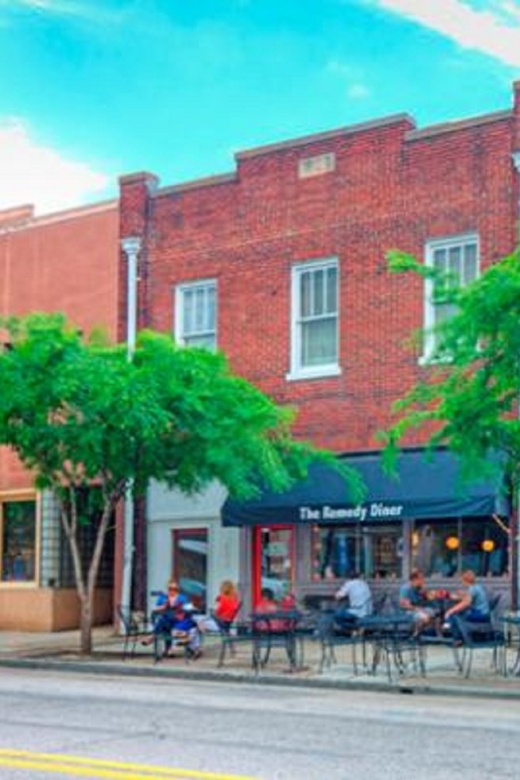
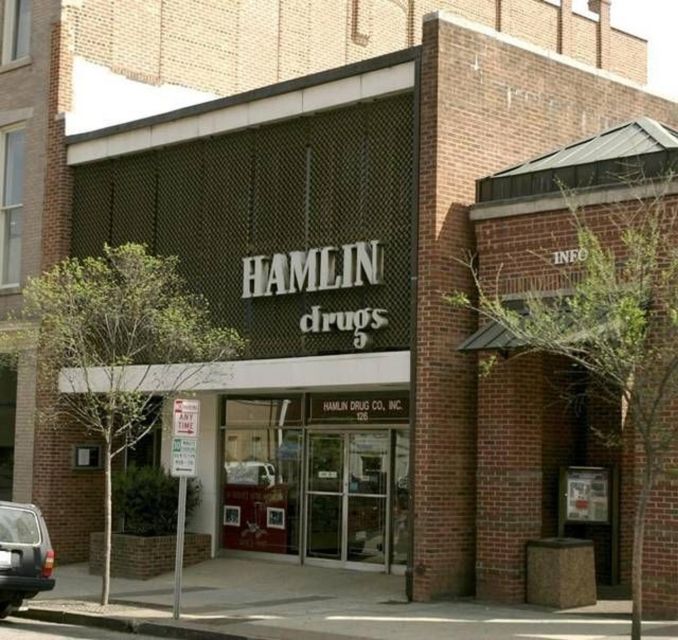
- East Hargett Street stops you can actually picture: Hamlin Building and Delaney Building anchor the story in real downtown architecture.
- Andrew’s storytelling: expect lots of clear context and many people and places mentioned in the span of an hour.
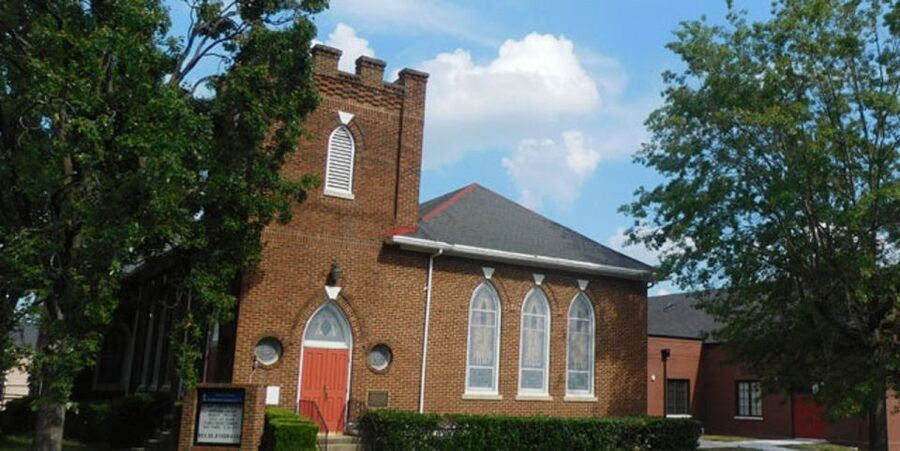
- East Davie Presbyterian Church as a standout: a major community landmark tied to political life and created by Raleigh’s famous Black architect.
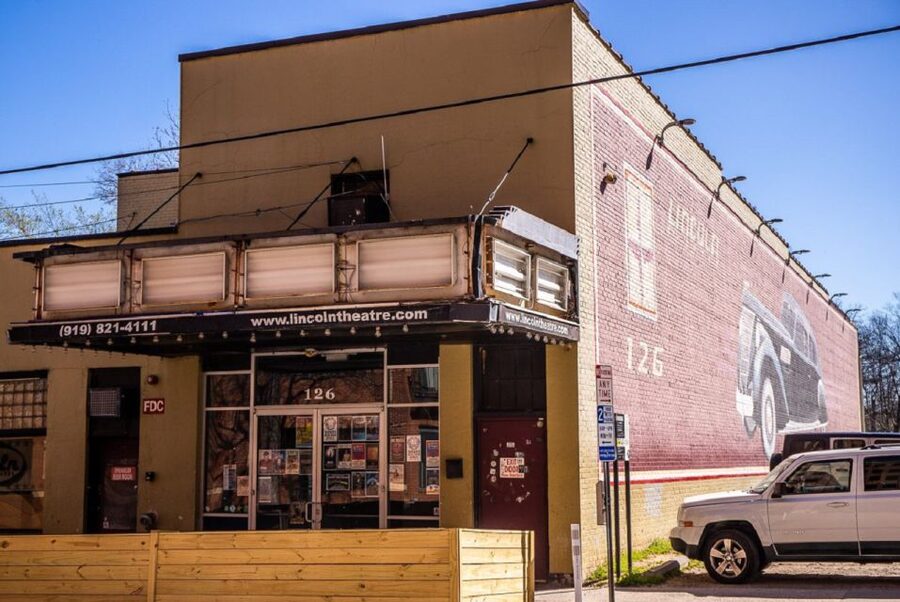
- Cabarrus Street culture sites: you’ll see the former Dove Music Store location and the Lincoln Theater.
- A tight, walkable downtown route: built for people who want understanding, not a long day out.
- A straightforward meeting point: start at the Fayetteville Street entrance of the Raleigh Downtown Sheraton.
How this 1-hour walk keeps the story concrete
Raleigh downtown can feel like a blur if you’re just using streets and phone maps. This tour fixes that. The whole format is simple: you move block to block, the guide points out what matters, and you connect each place to the people and community work that happened there.
Because it’s only an hour, the pacing is focused. That’s a plus if you want the big picture and a set of anchor points you can build on later. It’s also honest: you’re not going to get every chapter of Raleigh’s African American story in sixty minutes. You’re getting a well-organized slice, centered on a “Black Main Street” corridor and several important cultural and civic locations.
If you’re the kind of person who enjoys walking tours, this one works especially well. You’re not just hearing about the past—you’re seeing the physical settings that shaped community life.
Where you begin on Fayetteville Street (and how to use the time)
You’ll meet at the Fayetteville Street entrance of the Raleigh Downtown Sheraton. That matters more than it sounds. Starting in the middle of downtown keeps the tour practical: no complicated transfers, no guessing which neighborhood to reach first.
Once you’re with the group, the best move is to treat the tour like a guided primer. You’ll be given people, place names, and roles—fast. If you want to remember it, bring a small notebook or use your phone’s notes app and keep your screen brightness down for quick reference. Andrew’s style (praised for being passionate and well-studied) seems to pack a lot of detail into the hour, so taking a few quick notes helps you turn facts into something you can actually keep.
East Hargett Street: the Black Main Street introduction
The tour starts by taking you to East Hargett Street, Raleigh’s historic Black Main Street. This isn’t just a label. It’s a frame for understanding what a “main street” meant for everyday life—business, community institutions, and the spaces where residents could gather, organize, and build economic and cultural strength.
From there, you’ll focus on two buildings on East Hargett: the Hamlin Building and the Delaney Building. Seeing these names in context is the payoff. Instead of treating downtown architecture like scenery, the guide connects it to community presence and the importance of built spaces for Black history in Raleigh.
A good thing to do at this stop: look at the building from the sidewalk and slow down mentally. Think of it as a marker. Even if you never walk inside, you’re learning what the structure represented and why it ended up on a tour route in the first place.
East Davie Presbyterian Church: politics and landmark architecture
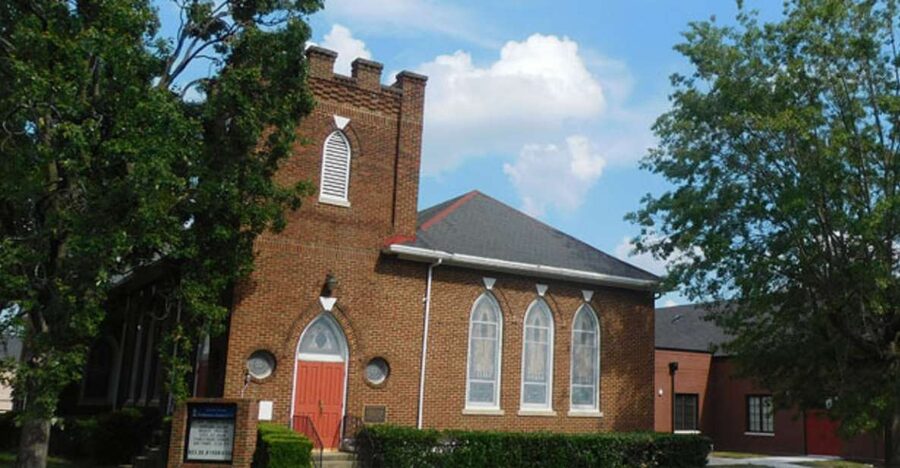
Next comes East Davie Presbyterian Church, described as an impressive building with a standout community role. Here, the tour shifts from street-level business context into something broader: civic life and leadership.
Two key pieces of context are tied to this church stop. First, it served an important political role in the community—meaning it wasn’t only about worship. Second, it’s connected to the magnum opus of one of Raleigh’s most famous Black architects. That combination—political function plus architectural significance—is exactly the kind of link that makes the tour useful later when you’re reading about Raleigh or walking downtown on your own.
At this point in the tour, you’ll usually get the kind of explanation that helps you understand why institutions mattered so much in periods when access wasn’t guaranteed. Even without getting into long timelines, the guide’s job here is to connect the building to real community power and creative achievement.
Tip: if you’re someone who likes visuals, spend a few seconds looking around the church area before the guide moves on. It helps you “file” the story in your brain in the right place.
Cabarrus Street: Dove Music Store and Lincoln Theater
The final stretch takes you to Cabarrus Street, where the focus shifts again—from civic and religious significance to cultural life. You’ll see the former Dove Music Store site and the Lincoln Theater.
Here’s what makes these stops meaningful for your understanding: both are tied to how communities express identity through music and performance. Even if you don’t know the details yet, the fact that these locations are part of the route tells you they were important enough to remember and worth walking to.
You might find yourself thinking about the “in-between” places too—shops, stages, and everyday hubs where community culture could happen. That’s often where history becomes feelable: not just politics and institutions, but the creative rhythm of a city.
If you want to get extra value from this part, keep your questions simple. Ask yourself: what kind of community gathering would have happened here? Then let the guide’s explanation sharpen your guess into something accurate.
Why Andrew’s guided approach makes this tour feel worth it
The most consistently praised aspect is the guide. Andrew is singled out for strong preparation and a clear love for Raleigh’s local history—especially the African American story and how social and cultural life shaped the area in the past and in the present.
That matters for you because this tour includes a lot of proper nouns—buildings, street names, churches, and key locations. A good guide helps those names connect into a coherent map in your head. Andrew’s approach is described as highly informative, and I think that’s exactly what you want on a tour like this: not vague storytelling, but specific connections that help the hour feel like real learning.
Also, because multiple people mention wishing they had taken notes, I’d recommend you treat the tour like a class you can walk. Even a few scribbles will make the experience stick.
Price and value: what $19 buys you in real terms
At $19 per person for a 1-hour guided walk, this is the kind of price that works if you want meaningful context without budgeting a half-day. The tour includes a full guided experience with entry to the event, hosted by a local historian.
What you’re paying for isn’t just someone talking. You’re paying for:
- a set route through specific Black community landmarks,
- a trained guide who can explain why those sites matter,
- and a downtown walking format that’s quick enough to fit between other Raleigh plans.
If your schedule is tight, the timing is a real part of the value. If you had to do this on your own, you’d still spend time tracking down where to stand and what to look for. Here, you get the direction and the interpretation in one package.
How to decide if this is the right fit for you
This tour fits best if you want:
- a walking experience you can finish in about an hour,
- a downtown route anchored by named sites,
- and a guide who focuses on real community institutions and cultural locations, not generic facts.
It’s also a good pick for first-time Raleigh visitors who want more than the typical highlights. The tour steers you toward key Black community spaces and helps you understand why downtown matters beyond what you see at street level.
If you prefer slow pacing or long museum-style stays, you might feel the time limit. But if you like focused orientation with a strong storyteller, this is built for you.
Should you book the Raleigh African American History Tour?
Book it if you want a high-impact, short downtown walk with a guide who clearly knows how Raleigh fits into African American community history. At $19 and one hour, it’s priced like an easy win, and the route is specific enough to give you lasting anchors—Hamlin Building, Delaney Building, East Davie Presbyterian Church, Dove Music Store’s former site, and the Lincoln Theater.
Skip it only if you’re looking for a longer, deeper, stop-by-stop program with lots of time inside buildings. This tour’s strength is focus and movement, not extended stays.
If you’re planning your Raleigh day, I’d treat it as a solid first chapter. Then, later, you can explore on your own with much better context than you’d have otherwise.
FAQ
Where does the Raleigh African American History Tour meet?
You meet at the Fayetteville Street entrance of the Raleigh Downtown Sheraton.
How long is the tour?
The tour lasts 1 hour.
How much does the tour cost?
The price is $19 per person.
What does the tour include?
Entry into the event gives you a full guided tour of the area hosted by a local historian.
What stops are part of the walk?
You’ll walk along East Hargett Street (including the Hamlin Building and Delaney Building), then visit East Davie Presbyterian Church, and continue to Cabarrus Street to see the former Dove Music Store site and the Lincoln Theater.
Is the tour wheelchair accessible?
Yes, the tour is wheelchair accessible.
What languages are the tours offered in?
The tour is guided in English.