REVIEW · LONDON
London American Heritage Tours
Book on Viator →Operated by Your London Cabbie · Bookable on Viator
A black cab tour with American ghosts. I love how it stitches together London streets and big moments from U.S.-UK history, with a guide who talks as you move. This is built for people who want the real places behind the headlines, from Benjamin Franklin’s London footprint to the Mayflower story’s first steps.
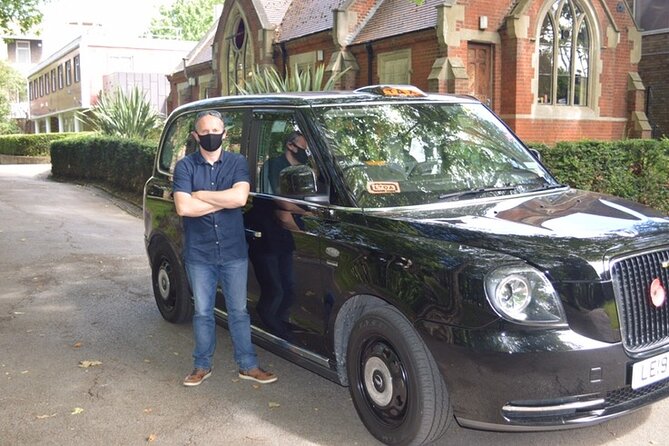
My two big wins: you get pickup and drop-off in central London, and you ride in a black cab while someone else wrestles with traffic. The other reason I kept smiling: the tour is led by Peter Mulcahy—funny, quick on details, and happy to tailor the pace to your interests. One consideration: with stops designed for driving-and-walking, you’ll want comfortable shoes and a moderate fitness level for short stretches at each location.
In This Review
- Key Highlights You’ll Actually Feel
- Why This Black-Cab Route Works Better Than “Hop-On” Tours
- Starting at St. James’s Park: Colonial Clues on the Streets
- Charing Cross and Franklin’s London Footprint
- Aldwych Area and the U.S. Air Men Memorial
- Smithfield Market and the Holy Sepulchre Church Connection
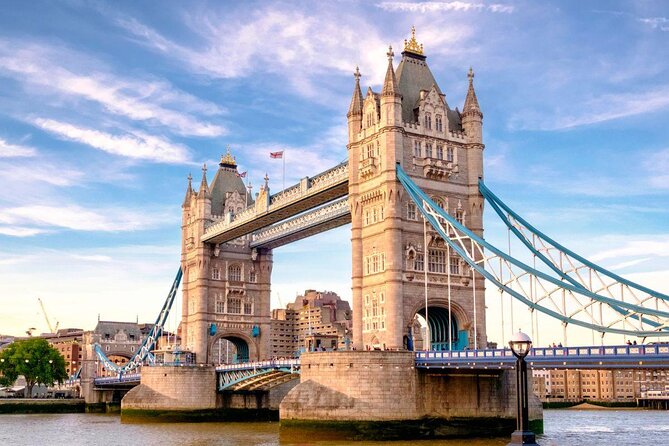
- Tower Bridge and the Surrounding Area: Where the Big Moments Cluster
- Shadwell Basin: The Founding Mother’s Birthplace and Christening Site
- Blackwall Tunnel and the 1606 Route Feeling
- St. Mary’s Rotherhithe and the Mayflower’s First Leg
- How Much Time You Really Get at Each Stop
- Price and Value: What $151 Covers (and Why It Can Make Sense)
- Peter Mulcahy’s Style: Funny, Personal, and Built for Questions
- Who This Tour Is Best For
- Quick Practical Tips Before You Go
- Should You Book This Tour?
Key Highlights You’ll Actually Feel
- Private black-cab experience with live commentary as you travel between sites
- Pickup and drop-off included, so you’re not hunting meeting points
- A guided route of American-linked landmarks most people skip on their own
- Short, purposeful stops that keep the day moving without turning into one long march
- Peter Mulcahy’s storytelling style, with humor and real connections between the two countries
- Snacks and bottled water to keep you going between photo stops
Why This Black-Cab Route Works Better Than “Hop-On” Tours
London’s history is everywhere, but it’s also easy to miss the thread. This tour does the opposite of random sightseeing. It moves you from place to place fast enough to cover a lot, then slows down where it matters so you can understand why a specific corner connects to America.
The black cab part isn’t just a theme. In a city like London, traffic and route planning can chew up your time. Here, you’re not stuck reading your phone while everyone else drives. Your driver/guide handles the logistics, and the commentary keeps flowing, so the time in transit feels like part of the experience rather than time between stops.
I also like the size limit. With a maximum of five people per booking, you’re not competing for attention at every stop. It’s still private, so you can ask questions and steer the conversation toward what you care about most.
You can also read our reviews of more tours and experiences in London.

Starting at St. James’s Park: Colonial Clues on the Streets
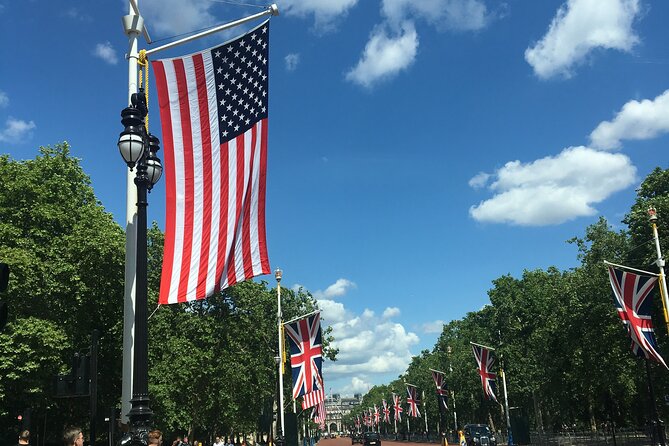
The day begins with an easy start near St. James’s Park. You’ll park nearby and walk through streets tied to colonial American history. This is a smart opening because it helps you get your bearings right away. Before you jump into the famous building names, you’re learning how London’s layout and neighborhoods tie back to the U.S. story.
At this early stage, the tone matters. A good guide doesn’t just list facts; they show patterns—how people moved, where power concentrated, and which kinds of neighborhoods mattered. With this start, you’re primed to notice those details as the tour shifts eastward and closer to port and maritime history.
What to watch for: short walks can still add up if you’re spending your whole day in tourist shoes. If you’re even slightly prone to foot fatigue, plan for that and bring comfortable footwear.
Charing Cross and Franklin’s London Footprint
Next you’re in the Charing Cross area, including the site connected to Benjamin Franklin’s home, plus St. Martin in the Fields. Franklin is one of those names that sounds familiar, but it’s usually stuck in textbook mode. On this tour, he becomes a person living inside London’s everyday geography.
This stop works well because it blends legend with place. A site isn’t the same thing as a museum, but when a guide points out the relationship between locations and what Franklin was doing, the story sticks. You also get the benefit of short, focused time—enough to learn without turning the day into a slow grind.
If you like American history more than European royalty, this is your comfort zone. Franklin’s London years connect directly to the larger U.S.-UK relationship, and the guide can keep that thread moving into later stops.
Aldwych Area and the U.S. Air Men Memorial
In the Aldwych area, you’ll visit a memorial dedicated to U.S. Air men lost in World War II. This part adds emotional weight, and it also broadens what “American heritage” means in London. It’s not only founding-era diplomacy and early voyages. It’s also twentieth-century shared sacrifice.
A memorial stop has a different rhythm. You’ll likely need a moment to absorb what you’re seeing, and then your guide can frame it historically—why the site exists, what it represents, and how it fits into the bigger story of transatlantic connections during the war.
The practical upside: these kinds of stops are usually less crowded than the big postcard landmarks. That means you can actually hear and think, not just stand in a line for photos.
Smithfield Market and the Holy Sepulchre Church Connection
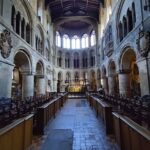
At Smithfield Market, you’ll visit the Holy Sepulchre Church, described as a treasure trove of American history dating to 1606. The year matters. 1606 points you toward early English exploration and the long, complicated process that led to what would become the transatlantic world of later centuries.
This stop is valuable because it pushes you earlier than the typical “we know the U.S. story starts in the 1770s” mindset. It helps you see that the America story has older roots that involve London communities, church life, and the logistical reality of migration.
One consideration: churches can have their own rules about photos, noise, or quiet time. The tour runs on short stop windows, so be ready to move respectfully and keep your questions tight so you don’t lose the group’s timing.



Tower Bridge and the Surrounding Area: Where the Big Moments Cluster
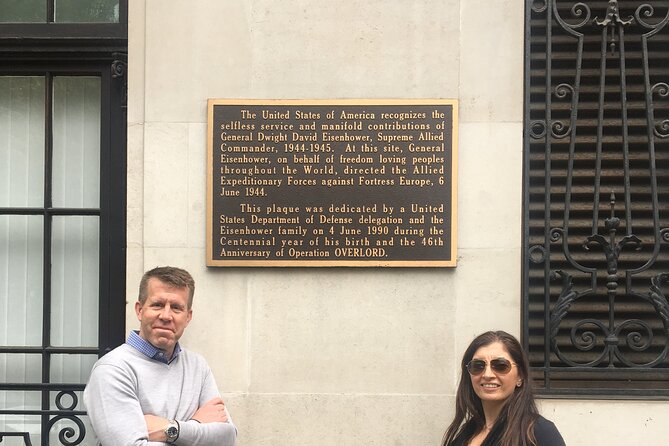
Tower Bridge is next, with time around the Tower of London and its immediate neighborhood. This area is packed with famous history, but here it’s not treated like a generic “must-see.” Instead, it’s used as a jumping-off point for varied American history tied to the region.
This is one of the most photo-friendly portions of the day. It also has the highest density of “you’ve heard of this, but why?” moments. A good guide turns that density into a storyline—what the Tower area meant to movement, trade, and power, and how that links to American-related narratives.
Keep an eye on time here. It’s easy to wander slightly off-route for photos when Tower Bridge is involved. If you stay oriented with your guide, you’ll get both good views and the real point of the stop.
Shadwell Basin: The Founding Mother’s Birthplace and Christening Site
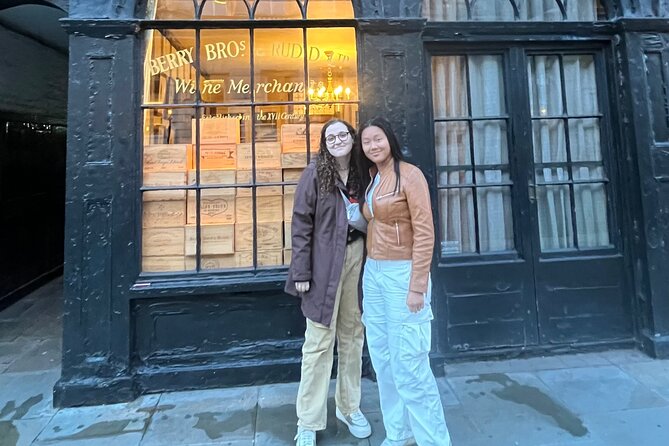
Shadwell Basin is where the tour gets especially distinctive. You’ll be taken to the birthplace and christening site of the founding mother—given in the tour as that phrase, without needing a big official ceremony to feel important.
This is the kind of stop that appeals to people who like their history human-sized. Instead of only major battles and treaties, you’re confronting a person and a timeline tied to early connections between England and America. Your guide’s job here is to connect the dots so the “what” becomes the “why.”
Practical tip: you’re not spending hours here, so make sure you’re listening during the drive in. The framing your guide gives you before you step out often matters more than the building itself.
Blackwall Tunnel and the 1606 Route Feeling
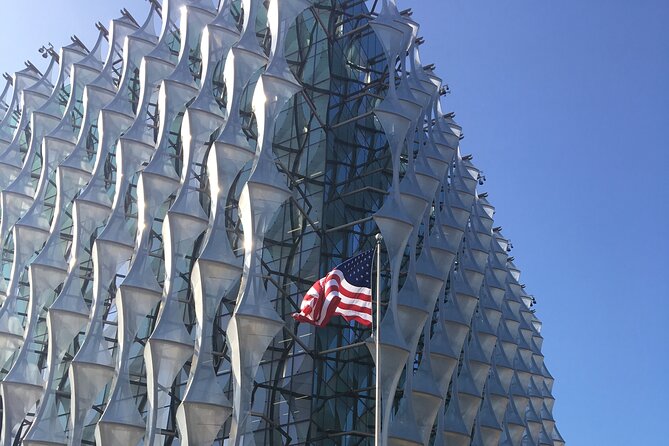
At Blackwall Tunnel, the tour goes where people went before 1606. That’s a fascinating way to think about the city: not just what existed, but the paths humans used to reach what was next.
This segment is more about atmosphere and route logic than about a single landmark. Standing in the right place while a guide explains movement can make a city feel smaller and more connected. It’s also a helpful bridge between earlier exploration history and later maritime chapters.
A quick note for stamina: tunnels and roadside stops can involve short walks and standing around. If you’re traveling with anyone who needs frequent breaks, this is a good place to plan for it early in the afternoon.
St. Mary’s Rotherhithe and the Mayflower’s First Leg
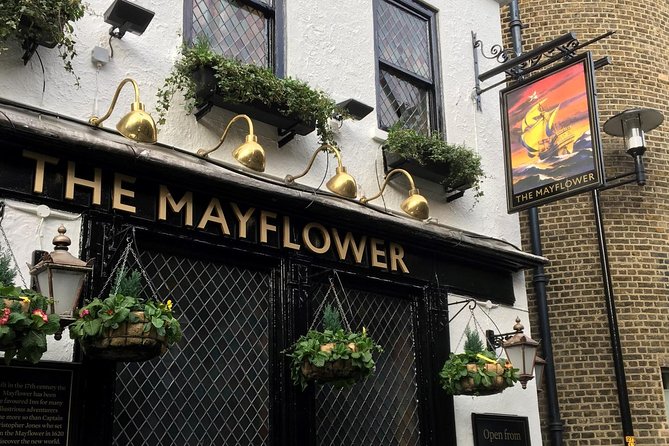
The tour ends at St Mary’s Rotherhithe, tied to the Mayflower’s first leg of its epic voyage. This is a strong finale because it connects the earlier “London-to-America” story to the famous moment many people already know.
Even if you’ve read about the Mayflower, it’s different to finish in the area where the departure energy began. Your guide can help you understand what “first leg” means in terms of departure logistics and how London’s river geography shaped the journey.
This stop also works as a reset. You start the day with parks and colonial footprints, then you shift through memorials and church sites, and you end where movement becomes motion toward a new world. It’s the kind of ending that makes the whole route feel like one narrative instead of a checklist.
How Much Time You Really Get at Each Stop
The tour is designed around shorter, efficient visits—typically around 10 to 40 minutes per stop depending on the location. That’s a good structure for a guided day because it avoids the trap of spending 45 minutes to see one building and then getting rushed everywhere else.
You still get walking time at a few locations, but it’s not built like a long walking tour. The key is to treat the day as a mix of brief strolls and mostly seated driving. If you’re traveling with someone who gets tired, this format usually feels manageable.
Also, the inclusion of snacks and bottled water is not a small thing. A 6-hour private tour can feel like a full day of attention. Staying comfortable helps you actually enjoy the stories instead of timing everything around when you can buy food.
Price and Value: What $151 Covers (and Why It Can Make Sense)
$151 for about six hours may sound like a lot if you compare it to a ticketed museum. But compare it to what’s included: hotel pickup and drop-off, a private tour, live commentary, bottled water and snacks, and a driver/guide in a black cab.
The value math becomes more favorable when you’re sharing with up to five people. Instead of splitting your group into multiple walking tours or dealing with transit, you keep everyone together in one vehicle and one storyline.
If you’re traveling solo or as a couple, the cost is still easier to swallow when your goal is “a guided day that saves time.” You’re paying for someone else to handle the city navigation, interpret the sites, and connect American and British history in a coherent route.
Peter Mulcahy’s Style: Funny, Personal, and Built for Questions
The reviews consistently point to the same standout quality: Peter Mulcahy. He’s described as engaging, enthusiastic, and able to tailor the day on the fly. That matters, because no guide can deliver a great tour if they’re stuck reading a scripted route and talking at you.
A theme that pops up again and again is that he doesn’t treat the trip like a one-size-fits-all lecture. He takes time to learn what you care about, then adjusts the stops and emphasis. One person even highlighted how the tour pivoted after disruptions tied to King Charles’s coronation, with the guide still managing to deliver an excellent route.
If you’re the type who likes asking questions, this kind of guide is a win. You’ll get answers that connect place to story. It’s not just dates; it’s why a location matters and what you should notice when you look around.
There’s also humor in the mix. One response even teased about a Griffin, which gives you a clue about his vibe: you’ll likely remember facts better because you’re laughing while you learn.
Who This Tour Is Best For
This works especially well if:
- You’re an American history buff who wants London places that match the U.S. story
- You prefer guided interpretation to wandering on your own
- You want a private day that avoids long waits and crowded group tours
- You’re traveling with a small group and want one shared plan
It can also be a solid family choice, since the pacing is stop-and-go and the storytelling style is described as high-energy. The tour is meant for moderate physical fitness, not marathon hiking.
Quick Practical Tips Before You Go
- Wear comfortable shoes. Short walks are built into the format.
- Bring a light layer. London weather changes fast, and you’ll be outside in a few spots.
- If you have specific American history interests, mention them early. This tour is set up for customization.
- Expect a day that moves. You’ll get a lot of “where you are and why it matters,” not a slow museum crawl.
Should You Book This Tour?
I’d book it if you want an efficient, high-context way to see London through the lens of U.S.-UK connections. The private black cab format, pickup/drop-off convenience, and Peter Mulcahy’s storytelling style make it feel less like sightseeing and more like guided understanding.
Don’t book it if your main goal is long, independent time at famous attractions. This is built around interpretation at several stops, not lingering for hours in one place. If you want a deeper museum-style experience at a single site, you’ll likely pair this with one extra standalone stop on another day.
If your ideal day is “cover a lot, learn the connections, and avoid the city logistics headache,” this one fits well.