REVIEW · SAO MIGUEL
São Miguel: Azores Whaling & Lookout Legacy Tour
Book on Viator →Operated by Azores Whale Watching TERRA AZUL · Bookable on Viator
Whaling history feels real here. This 3-hour São Miguel tour connects you with the Azores whaling story, from a working relic to the old lookout system that shaped whale watching today. I love the chance to see the 1945 whaleboat Senhora de Fátima, described as the single fully operational, sea-worthy evidence of that era in São Miguel.
I also like the hands-on part at the Vigia lookout—because you’re not just standing there listening. You’ll learn the 1830 whale spotting techniques and then use specialised long-range binoculars to search for whales yourself. The main drawback is practical: there’s no personal water supply, and you’ll want sunscreen, a camera, and light layers for changing temperatures.
The vibe is small and focused, with up to 7 people, so the guide can pace the story and give you time to actually look. After the lookout, you’ll finish with a lighthouse keeper-style visit at Ponta Garça’s 1957 Lighthouse, where the ocean views are part of the education.
In This Review
- Key highlights worth planning for
- Start at Vila Franca do Campo Marina: where the story begins
- The whaleboat stop: why Senhora de Fátima is the centerpiece
- The van ride to Vigia da Furada: learning whale watching before it was watching
- Lookout role time: using long-range binoculars like a 1830 observer
- Ponta Garça’s 1957 Lighthouse: views plus a keeper’s guided tour
- Price and timing: what you really get for $46.86
- Who should book this legacy tour (and who might skip it)
- Quick practical tips so nothing annoys you
- FAQ
- FAQ
- Where does the tour start?
- What time does it run?
- Is hotel pickup available?
- What languages is the tour offered in?
- How big is the group?
- What’s included in the tour price?
- What should I bring?
- What if the weather is bad?
- Can I cancel for a full refund?
- Should you book the São Miguel Azores Whaling & Lookout Legacy Tour?
Key highlights worth planning for
- A 1945 whaleboat you can meet in person (Senhora de Fátima)
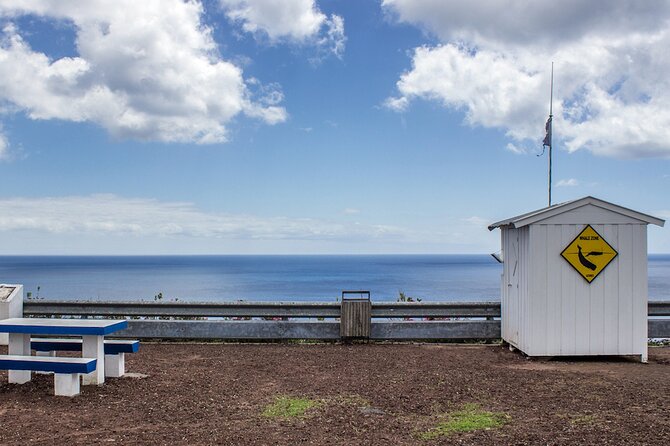
- Vigia da Furada viewpoint practice using long-range binoculars
- 1830 whale spotting techniques explained in a real lookout setting
- Ponta Garça 1957 Lighthouse tour with keeper-style guidance
- Small group size (maximum 7 travelers), which makes the experience feel personal
Start at Vila Franca do Campo Marina: where the story begins
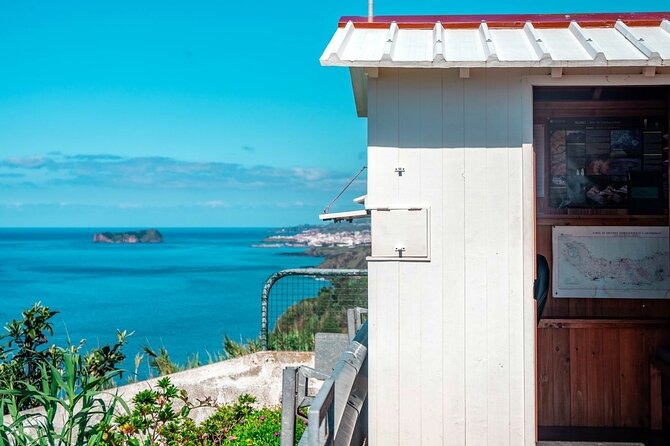
Your tour starts at the Marina de Vila Franca do Campo, with check-in at the specified time before departure at 1:15 pm. This matters more than you think. A short briefing early on sets expectations: you’ll be moving from whaling history to lookout work to lighthouse views, all in one compact timeline.
Once you’re checked in, the flow is straightforward. You’ll get a local whaling culture briefing and then head toward the whaleboat portion. Because the day is only about 3 hours total, I recommend arriving a touch early so you can settle in and not feel rushed when the briefing starts.
If you’re hoping for hotel pickup, it’s offered but subject to availability. That’s great when it lines up with your lodging, but plan a backup mindset: you might want to be ready to reach the marina on your own.
The whaleboat stop: why Senhora de Fátima is the centerpiece
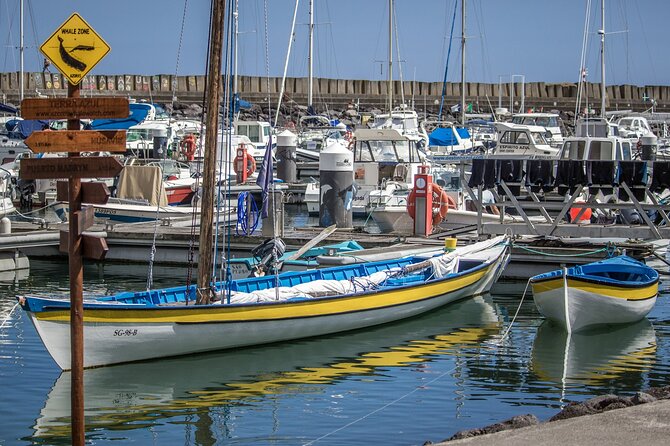
The first major “wow” is the visit to the 1945 whaleboat Senhora de Fátima. The key detail here isn’t just that it’s old. It’s that it’s described as the single fully operational and sea-worthy evidence of that whaling era in São Miguel.
That makes the whole tour click. Instead of treating whaling history like museum trivia, you’re seeing the kind of physical tool that made the work possible—built for life on the sea, not just for display. I like this approach because it turns abstract history into something you can visualize quickly: what the boat was for, how it fit into the hunt-and-return rhythm, and why the later lookout traditions mattered.
A heads-up for your photos: bring your camera and protect it from sun and spray. You’ll be outdoors, and lighthouse-and-marina areas are exactly the places where a single distracted moment turns into a blurry shot.
The van ride to Vigia da Furada: learning whale watching before it was watching
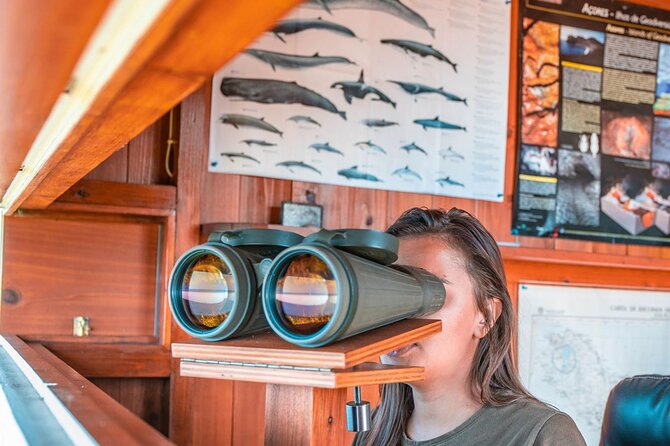
After the whaleboat visit, you’ll transfer by air-conditioned van to the whaler lookout known as Vigia da Furada. This section isn’t filler. It’s the bridge between the whaling-era tools and the techniques that helped people spot whales before modern equipment and systems.
At the lookout, you’ll learn the ancient 1830 whale spotting techniques—the practical methods that helped evolve Azorean whale watching into one of the world’s better-known styles of wildlife viewing. The value is in the context. You’re not just learning “how to spot whales.” You’re learning how people trained their attention, adjusted their reading of the sea, and worked with what they had.
You’ll also get the viewpoint itself. Vigia da Furada is the kind of place where you instantly understand why elevation and line of sight mattered. Even if the sea looks calm, your brain starts matching the horizon to the patterns you’re being taught.
Lookout role time: using long-range binoculars like a 1830 observer
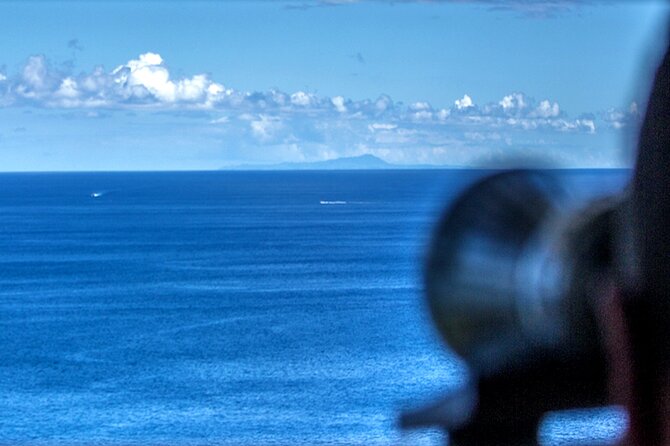
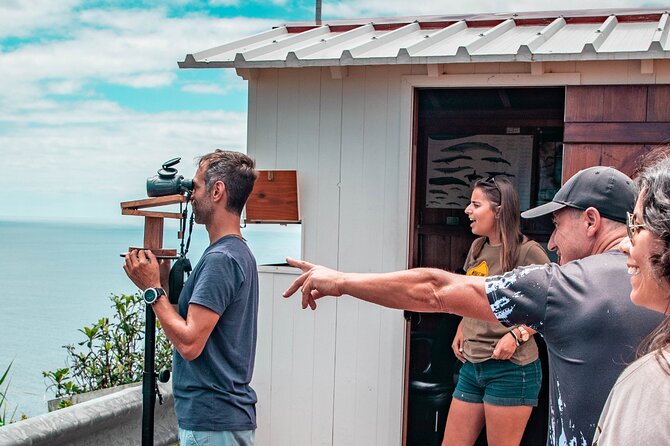
This is the most active part of the itinerary. You won’t just watch from the sidelines. You’ll do the lookout role and try searching for whales yourself using specialised long-range binoculars.
This is where the tour earns its name: whaling legacy. The point isn’t to guarantee a whale sighting. The point is to give you the sensory training that makes lookout-based watching a skill, not a hope. If you’re the type who likes nature experiences that include technique (not just luck), you’ll probably enjoy this section.
Practical advice: take it slow and let your eyes work. If you rush, you’ll burn battery and get frustrated fast. Start with broad scanning, then narrow your focus when you notice movement. And yes—during the lookout portion, sunglasses and a hat can help, even though the tour guide may focus on historical technique rather than modern comfort.
Ponta Garça’s 1957 Lighthouse: views plus a keeper’s guided tour
To finish, you’ll head to Ponta Garça’s 1957 Lighthouse for a guided tour with a lighthouse keeper. Expect interesting facts about the building, its importance for maritime activity, and what it meant for seamen who relied on that light.
What I like here is the shift in perspective. After whaling work and whale spotting, the lighthouse connects to another part of the ocean story: safe navigation and coastal vigilance. It helps you see the region as a whole system—work at sea, signals and landmarks, and the knowledge that kept people alive.
And of course, there are the views. You’ll appreciate the ocean and island outlook from the lighthouse area, which gives your eyes a well-deserved break from scanning the horizon for wildlife.
Price and timing: what you really get for $46.86
At $46.86 per person for about 3 hours, this is strong value if you care about more than one kind of experience. You’re getting:
- A guided history session focused on local whaling culture
- A van tour to a major lookout area
- Hands-on lookout work with long-range binoculars
- A keeper-guided lighthouse tour with maritime context
- Insurance and a guide who ties it together
So yes, you’re paying for a guided day, not just transportation. And because the maximum group size is 7 travelers, the experience doesn’t feel like a rushed cattle line. Small group tours cost more in many places; here, the price stays reasonable while keeping the pacing more human.
The timing is also smart. A 3-hour format is ideal when you have other plans on São Miguel or when you don’t want to lose half a day to logistics. The tradeoff is simple: you have to show up ready, because there isn’t much time to linger.
Who should book this legacy tour (and who might skip it)
This tour is a great fit if you want story + technique in one outing. If you like understanding how people actually worked—how they used vantage points, tools, and sea knowledge—this should land well.
It’s also a solid choice for people who enjoy outdoors but don’t want a full-day wildlife quest. The lookout portion is interactive, but you’re not forced into an all-or-nothing whale-watching gamble for hours.
Who might think twice? If you’re only interested in a classic marine wildlife boat experience (and that’s your main goal), this format is different. It’s built around legacy sites: whaleboat history, lookout technique, and lighthouse maritime context.
Quick practical tips so nothing annoys you
- Bring personal water (it’s not included), plus sunscreen and chap-stick.
- Wear warm clothing even if it looks sunny—temperatures can vary.
- Eat light before you go; light food is permitted.
- Bring a camera. The whole route has photo-friendly moments, especially the lighthouse and vantage points.
- Wear eye protection if you’re sensitive to glare; you’ll be scanning horizons.
FAQ
FAQ
Where does the tour start?
The tour starts at Azores Whale Watching TERRA AZUL, Marina de Vila Franca do Campo 4, 9680-187 Vila Franca do Campo, Portugal.
What time does it run?
The start time is 1:15 pm, and the tour lasts about 3 hours.
Is hotel pickup available?
Yes. Hotel pickups are offered, but they’re subject to availability and scheduled before the designated time. You’ll need to contact the provider to confirm your exact pickup time.
What languages is the tour offered in?
English is listed as the official language. The team is multinational and will do its best to accommodate a preferred language, but it’s not guaranteed.
How big is the group?
The tour has a maximum of 7 travelers.
What’s included in the tour price?
Included are a local whaling history session, a guided air-conditioned van tour and whaler lookout tour, a lighthouse keeper tour, insurance, and a knowledgeable guide.
What should I bring?
Bring light food if you want it, personal water, sunscreen, chap-stick, and warm clothing since temperatures may vary. A camera is essential, especially for photography.
What if the weather is bad?
This experience requires good weather. If it’s canceled due to poor weather, you’ll be offered a different date or a full refund.
Can I cancel for a full refund?
Yes. You can cancel up to 24 hours in advance for a full refund.
Should you book the São Miguel Azores Whaling & Lookout Legacy Tour?
If you like your São Miguel experiences with context, hands-on technique, and real places tied to maritime work, I’d book this. You’re not just getting a viewpoint. You’re learning how people used the sea—first with a whaleboat legacy, then with lookout skills, and finally with a lighthouse keeper perspective that ties the whole coastline story together.