REVIEW · SHIMLA
Shimla: Guided Walk Tour-Heritage, Culture & Colonial Trail
Book on GetYourGuide →Operated by Wonders of Himalaya · Bookable on GetYourGuide
Colonial Shimla makes more sense on foot. This guided walk strings together the heritage, culture, and colonial feel of town in about two hours, with stops that go from Christ Church to the Indian Institute of Advanced Study. You’re walking uphill and downhill through the parts of Shimla that shaped its British-era identity, then ending where that era’s legacy still echoes.
What I like most is the human side of the tour. You walk with a local guide from Himachal Pradesh—typically using English, Hindi, and Pahari—so the explanations feel tied to real local knowledge, not just textbook dates.
Second, I like the range of sights in a single straight-through route. You’ll see neo-Gothic Christ Church (stained glass and organs still in use), then hit a mix of castles, temples, and official buildings, finishing at the IIAS. One possible drawback: it’s a real walking route with gradients, and Viceregal Lodge stays closed on Mondays, plus many entry attractions can be closed that day—so check timing if you’re visiting on a Monday.
In This Review
- Key moments on the Heritage, Culture & Colonial Trail
- Why this Christ Church to IIAS route works so well
- What you’re signing up for: 2 hours on foot in hill-station terrain
- Starting at Christ Church: the neo-Gothic anchor of Shimla
- Ridge and Scandal Point: the town’s social stage in miniature
- Bantony Castle and Gorton Castle: colonial grandeur, up close
- Kali Bari Temple: the cultural counterweight you don’t want to skip
- Railway Board Building and HP Vidhan Sabha: where power becomes visible
- Oberoi Cecil and All India Radio: modern identity in the middle of the old
- Ending at Indian Institute of Advanced Study (IIAS): the calm finish
- Guide quality is the real upgrade (and you’ll notice it fast)
- Price and value: $16 for a guided heritage line-up
- What’s not included (so you don’t get surprised)
- When Monday ruins your plan: closure reality in Shimla
- Should you book this Shimla guided walk?
- FAQ
- Where does the tour start?
- Where does the tour end?
- How long is the guided walk?
- What language is the guide?
- Is it a private group?
- What’s included in the price?
- What’s not included?
- Are there any closures to know about?
- Is the tour suitable for all ages and mobility levels?
Key moments on the Heritage, Culture & Colonial Trail
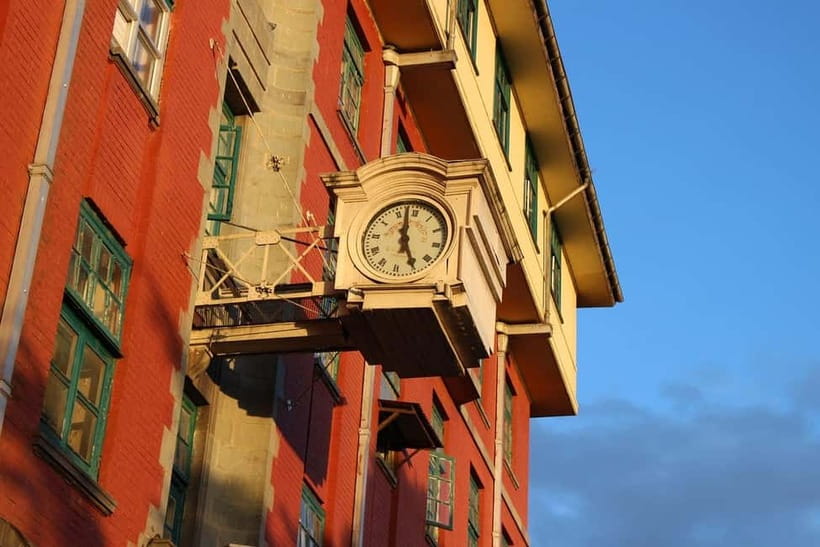
- Christ Church sets the tone with its neo-Gothic look, stained glass, and working organ vibe
- Ridge and Scandal Point give you quick context for how Shimla’s public spaces worked
- Castles and colonial architecture appear back-to-back: Bantony Castle, Gorton Castle, and more
- Temples inside the town grid like Kali Bari add a lived-in spiritual layer
- Government and institutions show Shimla’s administrative shift over time: Railway Board Building, HP Vidhan Sabha
- IIAS ending feels peaceful and creates a natural closing point to the story
Why this Christ Church to IIAS route works so well
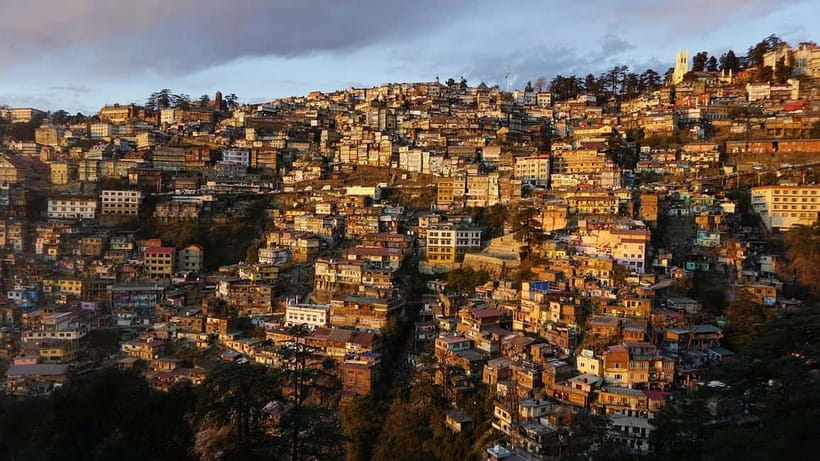
Shimla can feel like a collection of viewpoints until you connect the dots. This walk is designed as a one-way storyline: you start at Christ Church and finish at the Indian Institute of Advanced Study (IIAS). That flow matters because the guide can explain how these buildings relate to the hill station’s layout, power centers, and daily life.
You’ll also get more than photo stops. The tour is a guided walk with a local expert, so you’re not just seeing architecture—you’re hearing why it was placed there and how the town used it. One reason this tour earns strong word-of-mouth is that guides bring in both British-era context and the modern Shimla angle, helping you interpret what you’re looking at instead of guessing.
Finally, the private group format is a practical win. If you’re traveling with a small circle, you can ask questions without fighting for attention at every stop. In past experiences, guides like Preeti have also helped with getting oriented fast, including confirming the meeting point and how to reach it.
You can also read our reviews of more tours and experiences in Shimla.
What you’re signing up for: 2 hours on foot in hill-station terrain
This is a 2-hour walking tour, and there’s no hotel pickup and no transportation included. That means you should plan to arrive on your own at Christ Church, then keep your schedule tight around the walk.
The route includes short segments through busy areas and several uphill/downhill stretches. In at least one recent experience, the walk was described as over 3 km with Shimla’s constant grade changes, so comfortable shoes are not optional. If it snowed recently or the ground is slick, that matters too—one guide-led tour was affected by slipperiness after snow.
You also need to know the limits up front. The tour isn’t suitable for children under 10, babies under 1, and people over 95. If you’re managing mobility carefully, you’ll want to go in with realistic expectations and tell your guide what pace you can handle.
Starting at Christ Church: the neo-Gothic anchor of Shimla
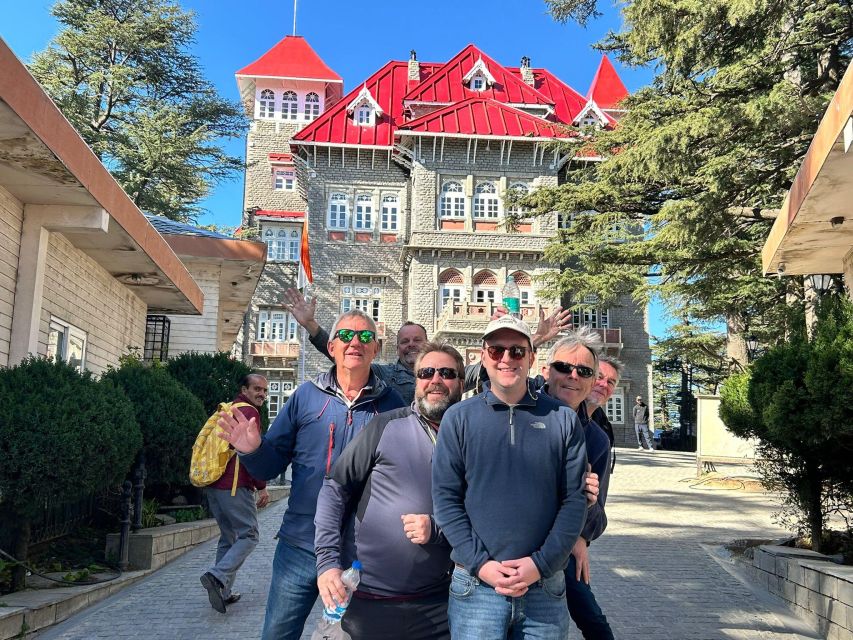
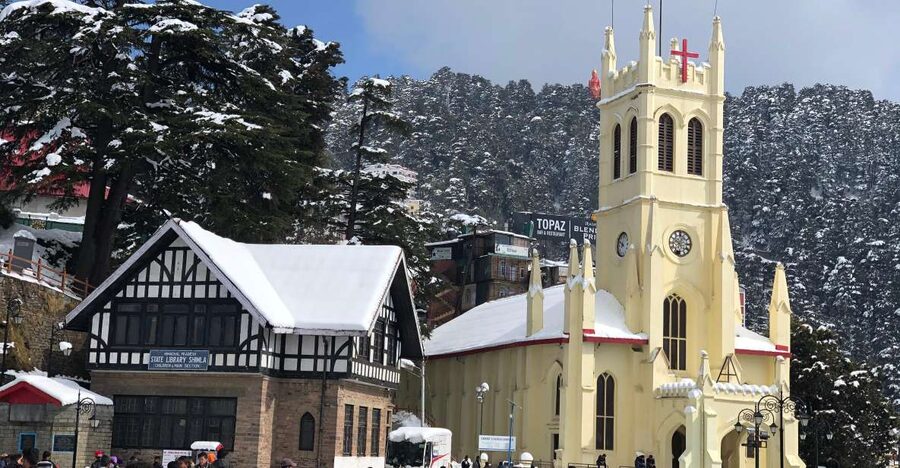
Your walk begins at Christ Church, Shimla, and this opening stop is a big reason the tour feels satisfying instead of rushed. Christ Church is known for its neo-Gothic architecture, stained glass windows, and organ elements that have remained active. Standing there at the start helps you understand the British presence wasn’t just administrative—it also shaped religious, social, and cultural life in town.
Your guide will usually frame the church in plain terms: what it represented and how it fit the British-era hill station culture. This is also where the best tours start to feel personal, because the guide can connect the building’s style to how power and community were organized.
Practical tip: spend a minute looking up. The architecture is the point, and it’s easier to take it in before you’re moving uphill.
Ridge and Scandal Point: the town’s social stage in miniature
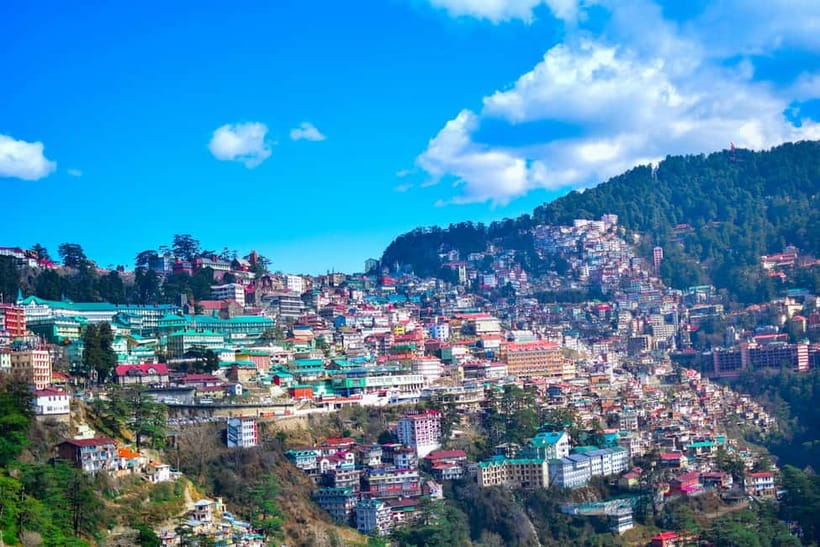
From Christ Church, you move to Ridge, Shimla and then Scandal Point. Even if you don’t remember the names later, these stops help your brain understand how Shimla’s public life worked. Ridge is a key open area, the kind of place where events and gatherings naturally happen in a hill station built around visibility and meeting points.
Scandal Point is brief in time, but it’s the kind of place where a guide’s story makes the stop matter. You’re learning what the spot was used for and why it’s talked about, which is exactly what turns sightseeing into understanding.
If you’re short on time in Shimla, these two are still worth the walking effort because they give you context early—so later stops land harder.
Bantony Castle and Gorton Castle: colonial grandeur, up close
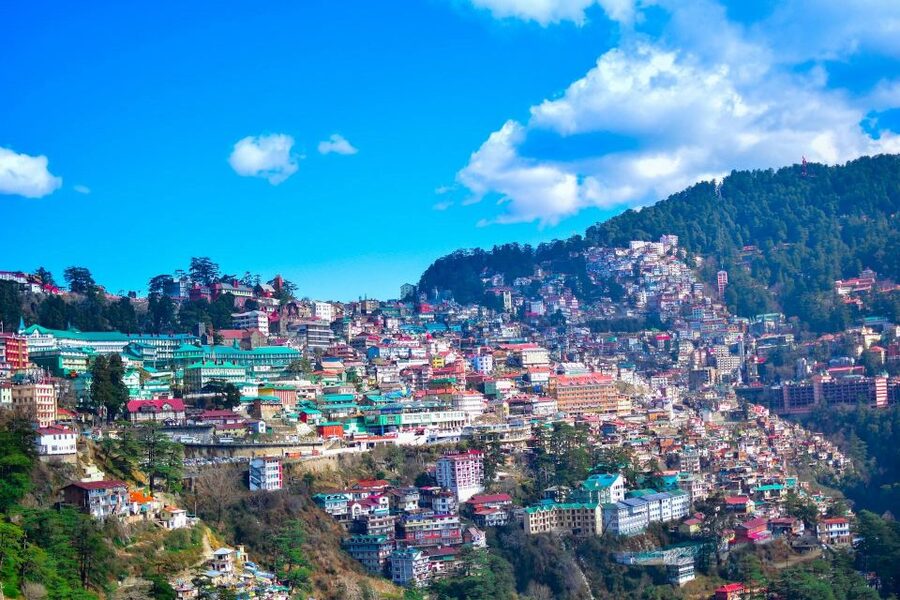
Next come Bantony Castle and later Gorton Castle, and these are the stops architecture lovers tend to remember. Castles in Shimla aren’t about storybook fantasy so much as how British planners expressed prestige using design. Your guide helps connect the look of the building to the role it played, which is far more useful than just admiring facades.
The walking time for each stop is short, so aim to do two things quickly:
1) look at the key architectural features your guide points out
2) ask one question that turns design into meaning
One of the strongest compliments shared about this tour is that guides weave in British history in a way that doesn’t feel like a lecture. You’ll feel it most around the castle stops, because the architecture invites explanation.
Kali Bari Temple: the cultural counterweight you don’t want to skip
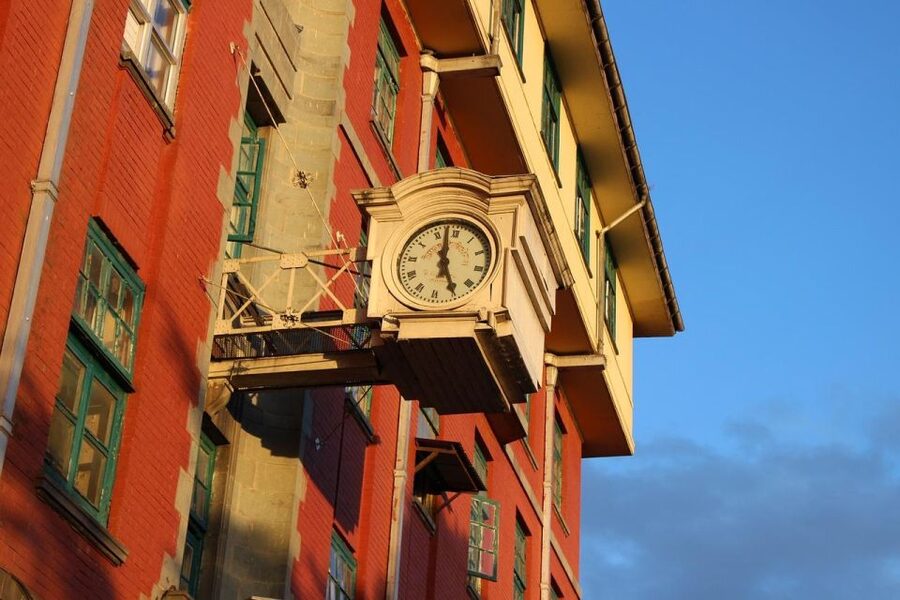
Between the colonial-looking structures, you’ll visit Kali Bari Temple, Shimla. This is one of those stops that keeps the walk grounded. Instead of treating Shimla like a museum of British buildings, you get a glimpse of the spiritual and cultural layer that still drives daily life.
Even if you’re not there for religious practice, you’ll benefit by understanding what a temple adds to the story of a place. Shimla isn’t frozen in colonial time, and the presence of worship spaces in the middle of the route is a reminder that local culture didn’t disappear—it continued alongside the official structures.
This part of the walk also tends to be a good reset for your legs. It’s short, but it changes the tone.
Railway Board Building and HP Vidhan Sabha: where power becomes visible
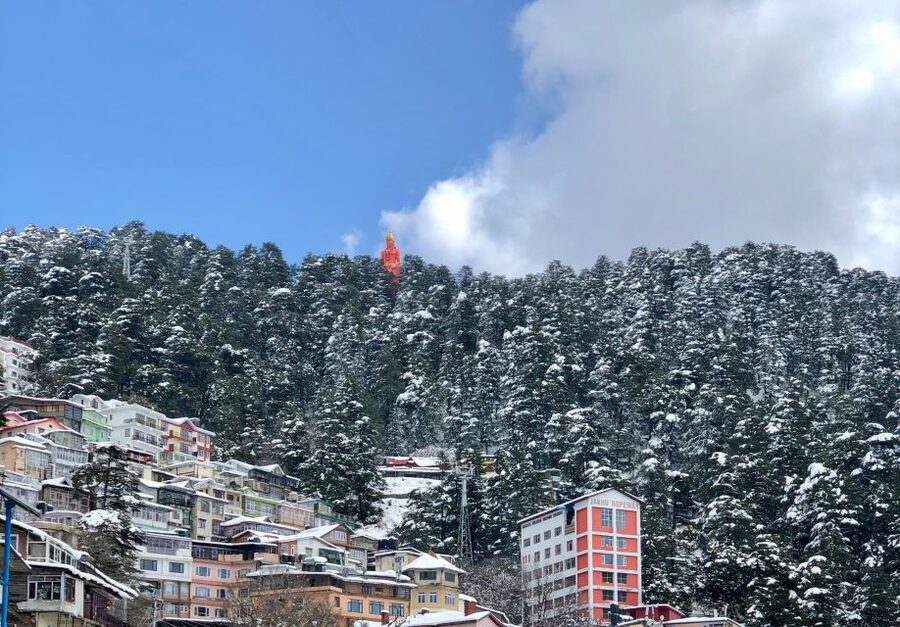
As you head toward government and institutional stops, the tour includes the Railway Board Building and HP Vidhan Sabha. These aren’t just “more buildings.” They help you track how official administration and public institutions shaped Shimla’s role over time.
Your guide can usually explain what these institutions signaled—who they served and why this hill station mattered politically and administratively. If you like learning how cities function, this section is a highlight because buildings are acting like documents.
Practical note: since this is a walking route, you’ll want to keep your attention up. Institutional buildings can look similar at a distance, but your guide’s pointing and stories help you separate what each one is.
Oberoi Cecil and All India Radio: modern identity in the middle of the old
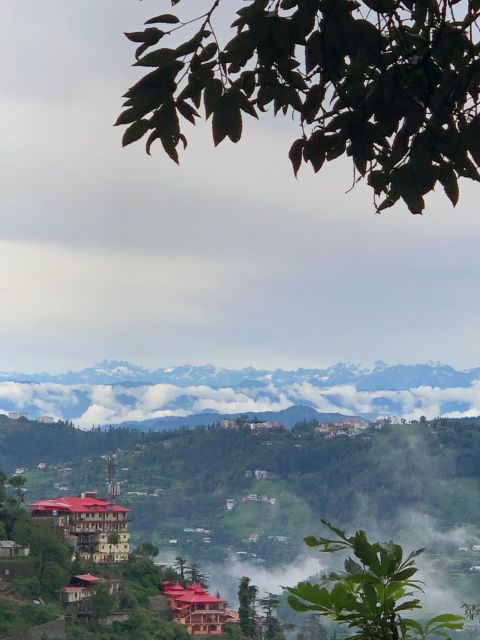
The tour also includes a quick stop by The Oberoi Cecil, Shimla. This is one of those places where you might recognize the name, but the guide helps you see how it fits the broader Shimla story.
Then you’ll walk to All India Radio (Radio Station) – Shimla District, Himachal Pradesh, India. This is a clever inclusion because it shifts your perspective from colonial architecture toward how Shimla connects to communication and public life.
If you’re thinking about what makes Shimla today, not just what it used to be, these stops help. They show the town isn’t only about heritage façades—it also plays a role in modern media and public communication.
Ending at Indian Institute of Advanced Study (IIAS): the calm finish
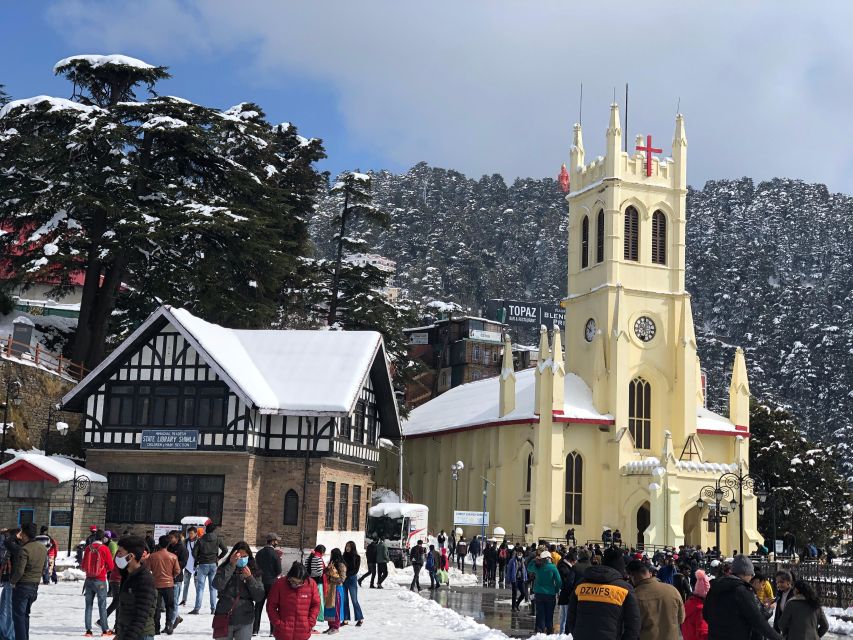
Your tour concludes at the Indian Institute of Advanced Study (IIAS), Shimla. This ending point is especially satisfying because it ties back to the route’s colonial storyline. Several guides frame IIAS as a peaceful closing moment—one that feels different from the busier Ridge and central segments.
One detail you should keep in mind: the Viceregal Lodge remains closed on all Mondays. Since IIAS is the final area on the walk, visiting on Monday can affect what you’re able to see at the end. Even if you still reach the destination, your experience may feel more like an exterior viewing than a full stop.
If your legs are tired, this is also where having a guide helps. In a few experiences, guests noted the guide set a comfortable pace and even made extra time for small breaks—so you don’t arrive at the end feeling drained.
Guide quality is the real upgrade (and you’ll notice it fast)
The difference between a good heritage walk and a great one is how the guide talks. This tour stands out when the guide connects the dots: British-era architecture with Indian history, then back to what you can see in front of you.
In past tours, guides such as Preeti and Raghav were praised for being articulate and for building British history into the explanations in a way that was easy to follow. Pawan and Sunny were also mentioned for friendliness and for giving clear context at each stop.
Two practical things you’ll appreciate if you get a strong guide:
- They often share practical suggestions beyond the walk, like where to eat or drink for downtime
- They respond to pacing needs, including slowing down for uphill sections and allowing breaks
If you like asking questions, this format gives you time to do it. A walking route is ideal for back-and-forth conversation because you’re not stuck in one place staring at a plaque.
Price and value: $16 for a guided heritage line-up
At about $16 per person for a 2-hour private guided walk, the value is strong if you care about interpretation. You’re not paying for entry tickets, transportation, or meals—those are listed as not included—so your main “asset” is the guide’s explanation and the selection of stops packed into a short route.
To judge value correctly, think of what you’d otherwise do:
- You could wander on your own and rely on signs, which might leave you guessing about connections
- You could also hire multiple guides or join separate tours, which usually costs more for the same time
Here, you get one guide, one coherent route, and lots of “why this matters” storytelling as you move through Shimla. That’s also why guides’ communication style shows up in the experience outcome. A friendly, well-prepared local guide can turn the same buildings into a much more memorable walk.
What’s not included (so you don’t get surprised)
A few things are explicitly not included, and you should plan for them:
- Hotel pickup/drop-off and any transportation
- Monument fees and entry tickets
- Meals
That means bring your own water and plan where you’ll eat before or after the walk. Also, if you’re hoping for paid access to specific areas, you’ll need to handle that separately.
One small “heads up” from real-world experience: even when the walk ends at IIAS, some people reported paying a small fee to use gardens or sit. Since fees aren’t included, treat any optional access as extra cost.
When Monday ruins your plan: closure reality in Shimla
If your trip includes a Monday, build in flexibility. The Viceregal Lodge remains closed on Mondays, and most tourist attractions that require access can also be closed on that day. That doesn’t automatically cancel the walk, but it can reduce how much you can go inside or how complete the final stop feels.
If you can choose dates, aim for a day other than Monday—especially if you want the tour to end with the most access possible.
Should you book this Shimla guided walk?
You should book this tour if you want an efficient way to understand Shimla’s colonial-era footprint without turning your trip into a bus ride. It’s a smart choice for couples, solo travelers, and small groups who like architecture plus human stories, and who can handle about two hours of walking with some hill-station grade.
I’d skip it if you need mostly flat, low-effort sightseeing, or if Monday closures would derail your priorities. And if you’re traveling with a child under 10, a baby, or if you’re over 95, this one isn’t suitable based on the tour guidelines.
If you’re the type who enjoys learning how buildings connect to real history and daily life, this walk is a good deal—especially because you’re paying for the guide and the route, not tickets and transport.
FAQ
Where does the tour start?
The walk starts at Christ Church, Shimla.
Where does the tour end?
The tour finishes at the Indian Institute of Advanced Study (IIAS), Shimla.
How long is the guided walk?
The duration is 2 hours.
What language is the guide?
The tour is led by a live guide in English and Hindi, and the guide also speaks Pahari.
Is it a private group?
Yes. It’s described as a private group.
What’s included in the price?
Included items are the walking tour, and a local English, Hindi, and Pahari speaking guide, covering the one-way route from Christ Church to IIAS.
What’s not included?
Hotel pickup and drop-off, transportation, monument fees, meals, and any entry tickets are not included.
Are there any closures to know about?
Yes. The Viceregal Lodge remains closed on Mondays, and many attractions with tourist entry access can also be closed on Mondays.
Is the tour suitable for all ages and mobility levels?
No. It’s not suitable for children under 10, babies under 1, or people over 95. The tour involves walking on hill-station terrain.