REVIEW · VARANASI
Morning Boat Tour followed by a short heritage walking tour in VARANASI
Book on Viator →Operated by Walk 2 Xplor · Bookable on Viator
Sunrise on the Ganges turns heads and minds. This morning boat ride from Dashashwamedh Ghat pairs calm river views with a quick look at how Hindu life plays out hour by hour, then you move on foot through the older parts of Varanasi to the Kashi Vishwanath (Golden Temple) complex. I also like that it stays short—about 2 hours—so you’re not stuck all morning in transit or waiting around.
A big consideration: you start very early (meeting around 4:00am) and the walking happens in tight alleyways, with a stop where you’ll see active cremation-ghat routines. If mornings are hard for you or the cremation-gat portion feels too intense, plan accordingly.
The payoff is strong value for the time: a small-group cap (up to 10), local/professional guidance, private transport, and admission tickets are included, with the tour ending back where you started.
In This Review
- Key highlights you’ll care about
- Ganges sunrise from Dashashwamedh Ghat: why this timing matters
- Banaras Ghats: temples, south-Indian flair, and what the riverfront teaches
- The cremation ghat stop: respectful viewing, emotional reality
- From boat to Kashi Vishwanath: navigating the old lanes efficiently
- Kashi Vishwanath Temple: the Golden Temple nickname, explained by atmosphere
- Guide quality is the real value driver here
- Price and included value: what $45 buys you in Varanasi
- When to book: festivals, crowds, and your comfort level
- Who this tour suits best (and who might want a different plan)
- Should you book Subah-e-Banaras and the heritage walk?
- FAQ
- How long is the Morning Boat Tour followed by the heritage walk?
- What time does the tour start in Varanasi?
- Where do we meet and where does the tour end?
- Is this tour private?
- What’s the group size limit?
- What should I wear and how fit do I need to be?
Key highlights you’ll care about
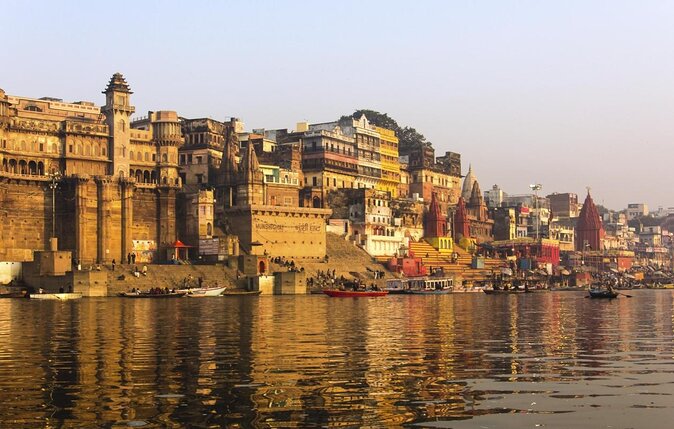
- Dashashwamedh Ghat at sunrise: the main ghat is your launch point for a calmer, more grounded start to Varanasi
- Banaras Ghats with focused stops: temple scenery, ghats in action, and a short walking segment guided end-to-end
- Cremation ghat viewing, handled respectfully: you get context for what you’re seeing without turning it into a spectacle
- Alleyway walk to Kashi Vishwanath: an efficient route from boat to Shiva’s main temple
- Kashi Vishwanath Temple visit: a major Hindu pilgrimage site, often called the Golden Temple by international visitors
- Guides who manage details: clear English and good care of the group make early-morning logistics easier
Ganges sunrise from Dashashwamedh Ghat: why this timing matters
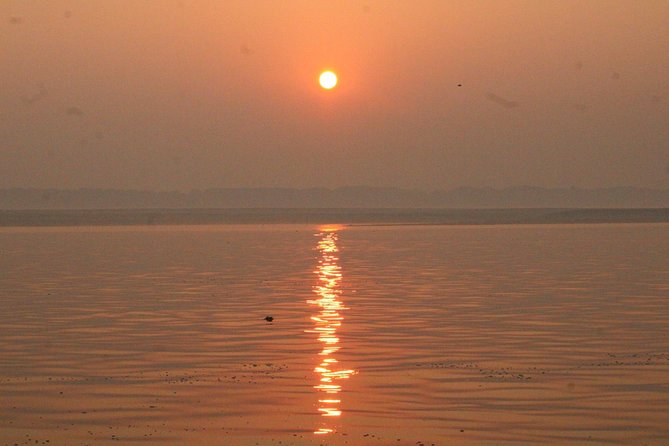
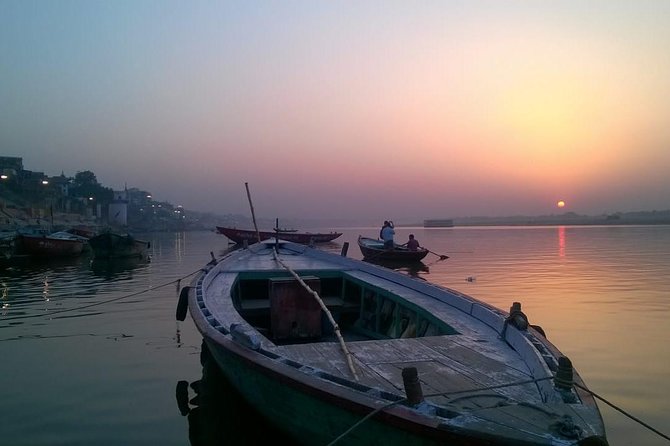
This tour starts before the city fully wakes up, with a pickup from the Hotel Ganges Grand area near Dashashwamedh Ghat Road. That early start is not just for romance. In Varanasi, the difference between early and later is huge: the river feels more spacious, movement is slower, and you can actually watch rituals and daily life rather than just being pulled along by crowds.
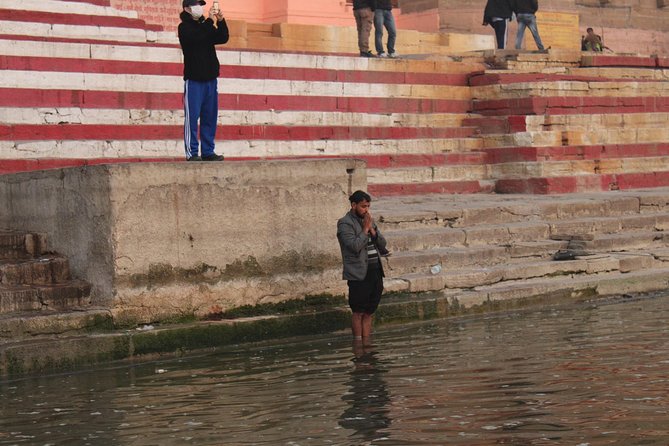
You head to Dasaswamedh Ghat first, which is the main ghat for catching boats and for understanding why this spot matters. A good guide helps you notice the patterns—where people gather, how the river is used, and how the ghat works as a living public space for worship and daily routines. It’s also the moment when your photos tend to look better, because the light is softer and the river surface has that early-morning glow.
One practical win: since the boat portion begins right away, you’re not spending the first hour “figuring it out” on your own. You’ll be ready for what you’re seeing when you’re seeing it.
You can also read our reviews of more tours and experiences in Varanasi.


Banaras Ghats: temples, south-Indian flair, and what the riverfront teaches
After the first boat introduction, the tour shifts into Banaras Ghats, with about an hour devoted to guided viewing and explanations. Think of this part as a fast, human-scale geography lesson: Varanasi is built in layers along the river, and the ghats are the connectors.
You’ll pass through several meaningful moments:
- a south Indian temple on the ghat area, which is a reminder that Varanasi’s religious pull isn’t limited to one region or language
- a chance to watch activities at the cremation ghat later (more on that below)
- a brief transition where you leave the boat for a short walk through alleyways, moving toward the main Shiva temple
What I like about this structure is that it’s not just sightseeing. The ghats teach you how spiritual life and daily life overlap. Even if you don’t know Sanskrit or Hindu terminology, you can still understand the basic rhythm: bathing, prayer, offerings, gathering, and movement. That’s what turns a river view into “seeing the system.”
The cremation ghat stop: respectful viewing, emotional reality
One stop is designed to show you the cremation ghat activities. Varanasi is famous for this, and there’s no way to handle it casually. The key is that you’re not just being shown a dramatic scene—you’re being given context for what’s happening and why.
If this topic makes you uncomfortable, be honest with yourself before you go. The tour itself is brief, but the emotional weight of watching funerary routines is real. You’ll want to come with the right mindset: observant, quiet, and respectful of the space. Keep your distance, follow your guide’s instructions, and avoid filming if you’re unsure what’s appropriate.
For many people, this stop becomes one of the most memorable—because it’s where the city’s spiritual worldview becomes concrete. For others, it’s too much. There’s no shame either way.
From boat to Kashi Vishwanath: navigating the old lanes efficiently
After the ghat viewing, you shift to a short walk through alleyways to reach the main Shiva temple. This is a smart part of the itinerary because it saves you from trying to navigate on your own at a time of day when Varanasi can feel like a moving maze.
The route through the old lanes also gives you something most “big temple only” visits miss: the texture around the temple. You’re walking through the city’s everyday fabric—narrow streets where people live, shop, pray, and pass by. The guide helps you keep track of where you are, what you’re passing, and why the buildings and spaces look the way they do.
Even for experienced travelers, this kind of guided shortcut reduces stress. You’ll be focused on the destination without losing your bearings.
Kashi Vishwanath Temple: the Golden Temple nickname, explained by atmosphere
The final stop is the Kashi Vishwanath Temple, one of the biggest centers of Hindu faith in Varanasi. It’s popularly called the Golden Temple among many international visitors—partly because of its visual reputation, partly because that nickname travels faster than the exact pronunciation.
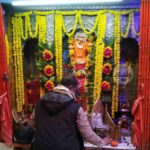
Expect a serious, active pilgrimage environment. This is not a museum-temple where you wander quietly. People come with intent—prayer, attention, movement, and devotion. Your time inside is about 30 minutes, which is enough to experience the atmosphere without turning it into an exhausting endurance event.
What makes this stop work after the boat and ghats is the chain of meaning:
- river activity gives you the everyday “spiritual geography”
- ghats explain how rituals connect to the water and to public life
- the temple is where those threads gather into one major focus
If you like spiritual sites but don’t want hours of waiting in crowds, this timed visit is a good fit.




Guide quality is the real value driver here
The experience lives or dies on guidance, and this tour clearly aims for good hands. In particular, the guides connected with this kind of program have a reputation for being:
- clear in English (so you actually understand what you’re seeing)
- attentive to group comfort, especially with early start logistics
- able to answer questions without rushing you
Names that show up in prior experiences include A J Alok and Anish Jha, both associated with careful care of the group and explanations that make temple and ghat life easier to understand. Even if you never hear those exact names again for your date, the standard you should look for is the same: a guide who can translate what you’re looking at into plain context.
If you’re traveling with kids, older parents, or anyone who needs reassurance, this tour style can be especially helpful because the schedule is tight and someone is always steering the moment.
Price and included value: what $45 buys you in Varanasi
At $45.00 per person for about 2 hours, the value is in the bundling. You’re not just paying for a “nice view”:
- boat ride admission is included
- temple admission is included
- local guide + professional guide are included
- private transportation is included
- taxes (GST) are included
- you get a mobile ticket
- it’s capped at 10 people per booking, and the tour is described as private for your group
Is it expensive? In isolation, maybe. But in Varanasi, the cost of piecing together boat + access + guiding + transport can add up fast, especially early in the day when schedules matter.
The short duration also matters. Two hours in Varanasi is a manageable dose: enough to get the core sights (ghats + temple), without spending half your day doing logistics.
When to book: festivals, crowds, and your comfort level
This tour can be genuinely magical around major events. One example tied to past experiences is Dev Diwali, when the city becomes extremely busy. If your dates overlap with a big festival, expect more people, more energy, and more sensory input.
That can be a plus if you’re energized by the scale. It can be a downside if you prefer calmer, spacious sightseeing.
Either way, the early start helps. You’re already catching the day at its most workable time—before the crowd crush builds.
Who this tour suits best (and who might want a different plan)
This is a good match if you:
- want a sunrise Ganges view without arranging everything on your own
- prefer a short, structured heritage walk instead of wandering until lunchtime
- like learning how worship and daily life intersect in real settings
You might want to rethink it if you:
- feel strongly queasy about death-related sites or prefer not to see cremation-ght routines
- struggle with moderate physical fitness needs, since you’ll be walking in narrow lanes
- need very slow pacing (this tour keeps moving)
Dress-wise, plan for smart casual. Bring what you need for early hours (comfortable footwear is especially important because the walking portion is in tight spaces).
Should you book Subah-e-Banaras and the heritage walk?
I think you should book this tour if you want the “best-of” Varanasi route in a tight time window: Dashashwamedh Ghat at sunrise, a guided run along Banaras Ghats, and a focused visit to Kashi Vishwanath. The included tickets, private transport, and two-guide setup make it a practical choice, especially if you’re visiting for the first time and want structure.
Skip it (or choose a lighter option) if the cremation ghat stop would likely spoil your morning, or if early starts and walking through old lanes feel like stress instead of adventure.
If your ideal Varanasi day looks like calm light on the river plus meaningful stops done efficiently, this is a strong fit.
FAQ
How long is the Morning Boat Tour followed by the heritage walk?
It’s about 2 hours (approx.).
What time does the tour start in Varanasi?
The start time is 4:00am, with the meeting happening at your pickup point.
Where do we meet and where does the tour end?
Meeting point is in front of Hotel Ganges Grand (Dashashwamedh Ghat area). The activity ends back at the meeting point.
Is this tour private?
Yes. It’s described as a private tour/activity, and only your group participates.
What’s the group size limit?
The group is capped at 10 people per booking (with a minimum of 1 person required).
What should I wear and how fit do I need to be?
The dress code is smart casual, and travelers should have a moderate physical fitness level since there is a walking portion in alleyways.