REVIEW · ZAGREB
Sites & Bites Private Food and History Tour of Zagreb
Book on Viator →Bookable on Viator
Food first, history right after—perfect Zagreb combo. This private tour blends Zagreb landmarks with a real food crawl, so you leave with both your bearings and your stomach full. You’ll get coffee or tea, alcoholic drinks, snacks, and a proper lunch built around classic Croatian flavors.
I like the way it’s paced around stops that make sense for first-timers—think squares, cathedrals, and markets—plus a ride up to the Upper Town. My favorite part is the tasting lineup, including olive oil and pumpkin seed oil, then ending with a traditional 3-course meal. One thing to watch: Gric Tunnel can be closed occasionally due to events, so the day might shift slightly.
In This Review
- Key things that make this tour work in Zagreb
- The Zagreb pairing that saves you time (and choices)
- Starting in Zrinjevac: quick orientation, then you’re moving
- Main Square to the cathedral zone: the city’s power and faith
- Dolac Market: where the food is the history
- Walking the Old Town stories: Opatovina, beer culture, and Bloody Bridge
- Gric Tunnel and the funicular: WWII legacy and quick Upper Town access
- Lotrščak Tower and St. Mark’s Church: views plus political symbolism
- The lunch payoff: strukli, stew, sarma, and local drinks
- Taste highlights: olive oil, truffles, cheese, and the spreads
- What you pay: analyzing the value of $203.70 in Zagreb
- Duration, pace, and where the day can feel tight
- Who should book this tour (and who might prefer something else)
- Getting the most out of it
- Should you book this Sites and Bites Zagreb tour?
- FAQ
- How long is the Sites & Bites private food and history tour of Zagreb?
- What’s included in the tour price?
- What do you eat for the lunch at the end of the tour?
- Where does the tour start and end?
- What stops and experiences are included during the route?
- Can I cancel for a full refund?
Key things that make this tour work in Zagreb
- Two experiences in one route: history stops plus food tastings without feeling like two separate tours.
- Landmark coverage that’s actually useful: Lotrščak Tower, St. Mark’s Church, and the scenic Strossmayer promenade.
- Food keeps coming: pastries/snacks along the way plus a 3-course lunch with drinks.
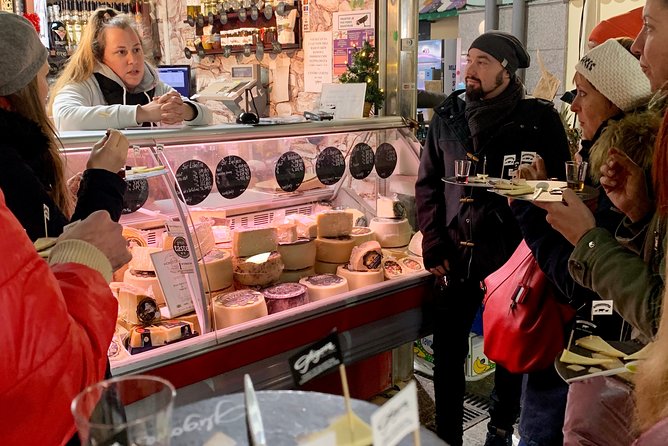
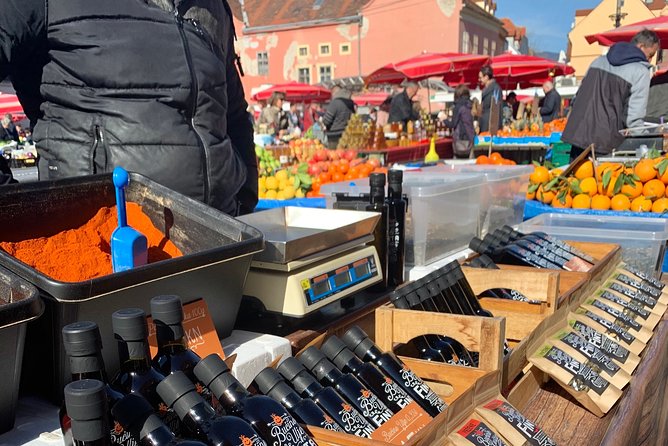
- Dolac Market is the center of gravity: farmers, cheeses, wine, and pumpkin seed oil in the open market.
- Small, memorable detours: Bloody Bridge and Petrica Kerempuh’s statue for the stories behind the city.
- You’re guided start to finish: the tour is private, with your group only, in English.
The Zagreb pairing that saves you time (and choices)
Zagreb is a city where history is written in architecture, but the best stories often come through food. This tour leans into that. You’re not just looking at sights; you’re tasting what local vendors and producers are proud of, then using the guide’s explanations to connect the dots.
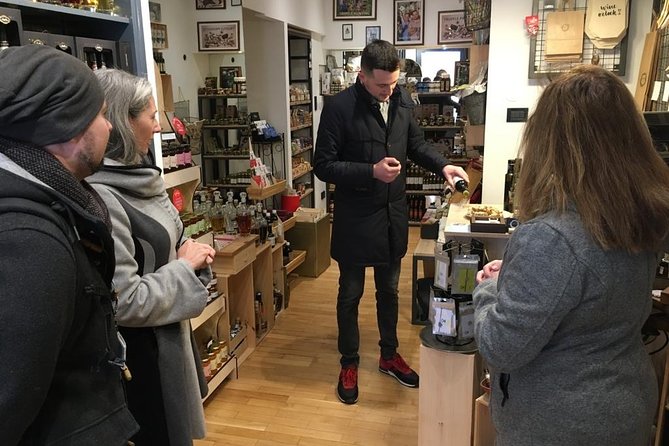
For you, that means fewer head-scramble decisions. Instead of wondering what to try at Dolac Market or where to find legit olive oil, you’re guided from stop to stop with tastings woven in. And because lunch is included, you can plan the rest of your day around it rather than constantly checking menus.
You can also read our reviews of more tours and experiences in Zagreb.

Starting in Zrinjevac: quick orientation, then you’re moving
You meet at Zrinjevac 2 at 9:00 am, and the tour begins in a place that helps you understand Zagreb’s layout fast. The guide waits next to the meteorological station, then sets the tone with both historical context and gastronomic influences.
That opening matters. Zagreb’s neighborhoods can feel layered and a bit confusing at first, so a short primer helps you notice what you’re seeing later—especially once you reach the Main Square area. It’s also a smart moment to sync up with your group because the route becomes a steady flow of landmarks and tasting stops.
Main Square to the cathedral zone: the city’s power and faith
From Zrinjevac you head toward the Main Square (Ban Josip Jelacic Square). Here you get stories tied to daily life, including the cultural habit around Croatian coffee. Even if you’ve had coffee before, it’s a neat way to see how local traditions sit next to politics and monuments.
Next comes Zagreb Cathedral, where the focus turns to architecture. The cathedral is described as a unique sacral building with multiple architectural styles. In practice, this is one of those stops that’s short but visually rewarding: you can’t really miss it, and the guide’s framing helps you see it as more than just a pretty façade.
A small consideration: these early stops are light on long sitting time. If you’re the type who needs frequent rest breaks, you’ll want to pace yourself with water and keep an eye on snacks so you don’t feel rushed.
Dolac Market: where the food is the history
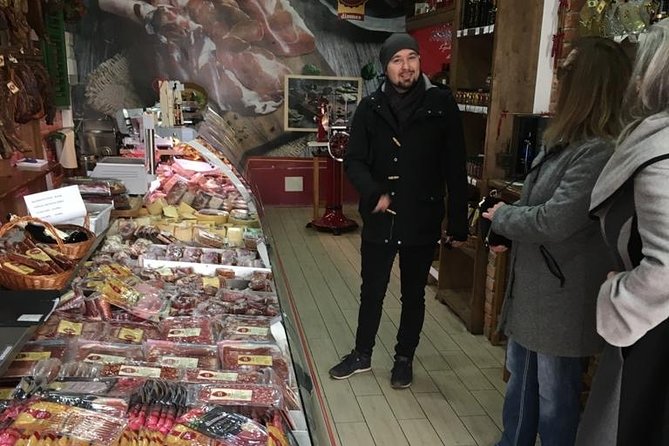
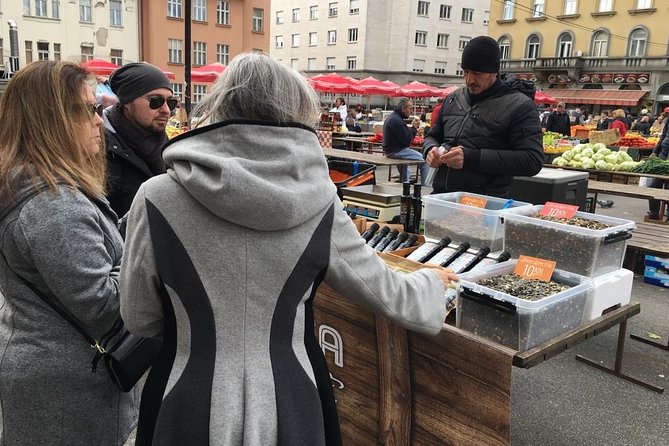
Dolac Market is where the tour starts feeling like a true food experience. You’ll spend about 50 minutes here, and the emphasis is on meeting farmers and learning what goes into the ingredients you’ll actually taste.
Expect tastings that are very specific to the region, including:
- Pumpkin seed oil
- Cheese, including one described as among the best in the world
- Wine
You’ll also walk through the covered market area and learn about Croatian market traditions, which helps you understand why the place feels the way it does.
One reason this stop works so well is that it’s not only about flavor. You get context on traditions and production, which makes the later tastings feel connected instead of random bites.
If you’re a first-timer to Zagreb, this is also a “good to know” moment. After Dolac, you’ll be better at spotting what locals treat as specialty—not just what looks Instagrammable.
Walking the Old Town stories: Opatovina, beer culture, and Bloody Bridge
After the market, the route shifts into shorter but memorable storytelling stops.
At the Statue of Petrica Kerempuh, you get insight into Opatovina, Zagreb’s lively hangout spot, plus the beer scene. It’s brief (around 10 minutes), but it’s the kind of stop that adds personality to the city. You start to see Zagreb less as monuments and more as people’s routines.
Then comes Tkalčićeva Street, another quick stop (about 10 minutes) where you can absorb the vibe and get tips for local restaurants. This is one of those practical moments: you leave with ideas for where to eat after the tour, not just what you’ve already tried.
Finally, the group pauses at Krvavi Most (Bloody Bridge). The stop is designed for story—why the bridge got its name—and it’s timed to keep the day flowing without over-anchoring on one point.
Gric Tunnel and the funicular: WWII legacy and quick Upper Town access
The tour includes a stroll through Tunel Gric, a WWII-era legacy. You’re scheduled for about 15 minutes, but there’s an important note: it may be closed occasionally due to events. If it’s closed, don’t panic—just treat this as one of the “flex points” of the day.
Next you take the funicular railway for about 10 minutes. This is described as the world’s shortest funicular, and it’s included in the tour. In real-world terms, it’s a fast way to connect your legs with the Upper Town without turning the day into one long climb.
You also arrive in the right frame of mind. The day has already been about food and streets and stories; the funicular helps you shift into viewpoint mode.
Lotrščak Tower and St. Mark’s Church: views plus political symbolism
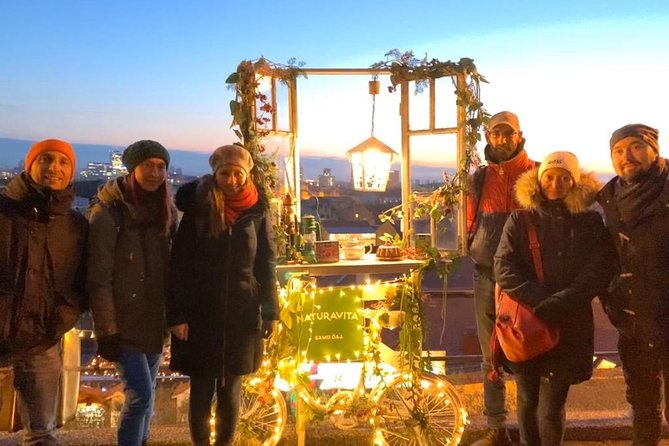
At Lotrščak Tower, you get about 30 minutes of medieval watchtower time and panoramic views. The tour also includes a stroll along the Strossmayer promenade, with viewpoints stretching toward the south bank of the Sava river.
This stop is often where the tour earns its “history” tag in a very visual way. The tower gives you a sense of how Zagreb’s defenders and leaders would have looked out over the city—then you get to compare that mental image with what you’re seeing now.
After that comes St. Mark’s Church, scheduled for about 2 hours including the end-of-tour lunch. The church’s rooftops are famous for a reason, and you’ll also hear how it connects to the seat of parliament and government.
You’ll also learn about Zagreb museums, including the Museum of Broken Relationships. That kind of cultural aside is small, but it broadens your sense of the city beyond food.
The lunch payoff: strukli, stew, sarma, and local drinks
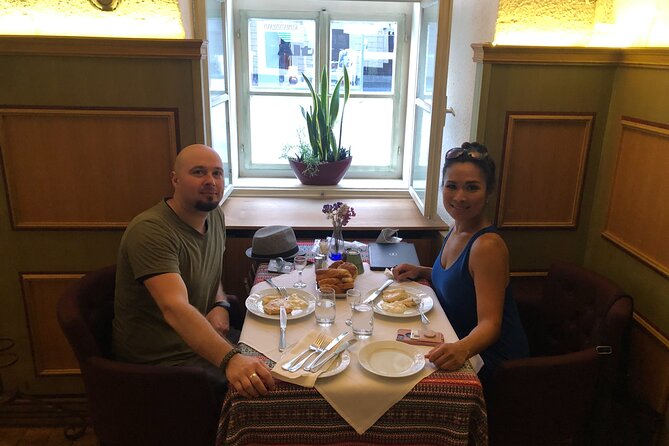
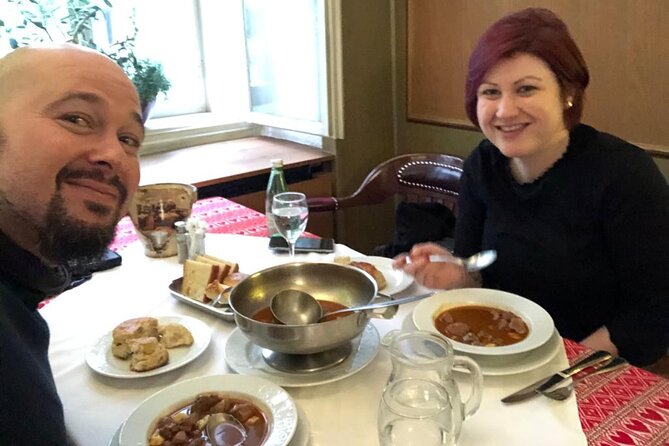
This is a real meal, not a token sandwich. The tour ends in a traditional restaurant with a 3-course lunch, plus rakija and gemišt. The menu is described as including:
- Strukli (often the star of the show for visitors)
- Slavonian stew
- A seasonal filled bell pepper or sarma
And the tasting day itself is built like a rolling sequence of Croatian staples, which is why lunch lands so well instead of feeling like you’ve been “fed at gunpoint.” Your earlier bites can include meat charcuterie such as prosciutto, kulen, and smoked ham, plus Pag cheese and different olive oils.
There’s also a strong “bread-and-spreads” theme: homemade bread, olives, and Croatian sweet and savory spreads show up as part of the tasting flow. If you’re someone who loves small plates and comparing flavors, this tour keeps giving you reasons to keep tasting.
Alcohol is included as part of the experience, too—coffee/tea plus alcoholic beverages are listed as included. That’s great for people who want the full cultural mix, but do plan your pace. With so much tasting, you’ll enjoy the history stops more if you don’t overdo drinks early.
Taste highlights: olive oil, truffles, cheese, and the spreads
The tasting plan is the heart of the tour, and it’s also the part that makes it feel local rather than generic.
A few specific focus points you can expect:
- Croatian olive oil tasting, including oils described as world-class, with learning about production and origins
- Truffles as part of the tasting education
- Pag cheese as a featured cheese experience
- Pumpkin seed oil, especially associated with Croatian market culture
I also like the way the tastings are placed at different types of stops—squares, markets, and specialty counters—so you don’t just sample foods; you see where the foods “belong.” It turns into a practical education you can use later when you’re shopping or ordering.
What you pay: analyzing the value of $203.70 in Zagreb
At $203.70 per person for about 5 to 6 hours, you’re paying for three big things at once:
- A private, English-speaking guide
- A structured route through key sights
- Food and drinks that go beyond a single tasting
In Zagreb, food experiences can vary wildly—some are cheap but shallow, others are pricier and short on variety. Here, the lineup includes coffee/tea, alcoholic beverages, multiple snacks/tastings, and a 3-course lunch with rakija and gemišt. That combination is exactly where guided experiences can start to feel like value, because you’re not funding each stop’s cost separately.
Also, the route’s design reduces your guesswork. You’re less likely to waste time searching for the right vendor, the right dish, or the right bottle of wine. If you want a day that’s both educational and edible, this is a clear match.
Duration, pace, and where the day can feel tight
The tour runs about 5 to 6 hours and is scheduled to start at 9:00 am. It’s built from a sequence of short landmark moments plus a longer market and lunch block.
That means your schedule will feel “packed,” but not chaotic. You’ll hit a lot of places, often with 20 to 50 minutes blocks, and those are balanced by shorter pauses. Still, if you’re sensitive to walking or prefer slow sightseeing, consider that this day is designed for motion and frequent stops.
One more reality check: the tour includes Gric Tunnel, and that site can be closed sometimes due to events. If it’s closed, expect a small adjustment rather than a total wipeout.
Who should book this tour (and who might prefer something else)
This fits best if you:
- Want a first-timer Zagreb overview with real local food
- Enjoy markets and specialty tasting (olive oils, cheese, seed oils)
- Like your history delivered with human stories and cultural context
- Prefer a private tour where your guide can tailor answers to your interests
You might choose a different plan if you:
- Don’t want alcohol included, or you strongly dislike tasting-heavy itineraries
- Prefer purely architectural sightseeing without market-style food stops
- Need long stretches of downtime. The day is structured; it isn’t meant to drag.
Getting the most out of it
If you want the biggest enjoyment from the tasting portion, I’d treat this as a come-hungry kind of day. The tour is food-forward, and the lunch is substantial, so building light meals before you start will help you enjoy each stop instead of just pushing through.
Also, plan to ask questions. This tour works best when you use the guide’s explanations—why certain foods are tied to place, why the city’s landmarks matter, and what local culture looks like beyond the postcard.
Finally, if you like restaurant planning, take advantage of the local tips you get near Tkalčićeva Street. A good food guide usually sends you forward with ideas you can actually use later.
Should you book this Sites and Bites Zagreb tour?
I’d book it if you want a single day that checks off Zagreb’s major sights while also feeding you Croatian specialties—especially Dolac Market flavors and a traditional 3-course lunch. The structure is built for value: guide + landmarks + multiple tastings + lunch all in one pass.
Skip it only if you’d rather do sights without food stops, or if you’re likely to feel overwhelmed by a tasting-heavy schedule. If you’re excited by markets, olive oil, cheese, and stories tied to places like Lotrščak Tower and St. Mark’s Church, this tour is one of the most efficient ways to understand Zagreb in a short visit.
FAQ
How long is the Sites & Bites private food and history tour of Zagreb?
It runs for about 5 to 6 hours.
What’s included in the tour price?
The tour includes coffee and/or tea, alcoholic beverages, lunch, snacks, and all fees and taxes.
What do you eat for the lunch at the end of the tour?
Lunch is a 3-course meal and includes strukli, slavonian stew, and seasonal filled bell pepper or sarma. It also includes rakija and gemišt.
Where does the tour start and end?
It starts at Zrinjevac 2, 10000 Zagreb and ends back at the same meeting point.
What stops and experiences are included during the route?
You’ll visit several key landmarks and food stops, including Dolac Market, Lotrščak Tower, St. Mark’s Church, and a funicular railway ride to the Upper Town. The route also includes stops like Bloody Bridge and Tunel Gric (which may be closed occasionally due to events).
Can I cancel for a full refund?
Yes. Cancellation is free, and you can cancel up to 24 hours before the start time for a full refund. If you cancel less than 24 hours before, the amount paid is not refunded.