REVIEW · SIGGIEWI
The Limestone Heritage Park and Gardens (Entry Ticket)
Book on GetYourGuide →Operated by Robert Arrigo & Sons Limited · Bookable on GetYourGuide
A Malta stop that feels different fast. The Limestone Heritage Park and Gardens turns the island’s limestone story into an easy, self-paced day in Siggiewi. You get indoor stops, outdoor paths, and hands-on moments, plus an audio program in 17 languages that keeps things moving.
What I really like here is the mix of geology + history + live stonework in one ticket. Another win: you’re not stuck with a short, rushed visit. You can linger through the museum hall, geology section, and the Punic tomb stop whenever your pace allows.
One thing to keep in mind: the site can feel smaller than you’d expect from the idea of 7,000 years of Malta. If you’re hungry for a huge museum with lots of galleries, plan this as a focused half- to full-day outing, not the main event for everyone’s trip.
In This Review
- Key highlights at Limestone Heritage Park and Gardens
- Siggiewi’s limestone setting makes the day feel local
- The audio-visual show and 17-language audio guide do the guiding
- Museum hall stops: where the story becomes tangible
- Geology section: understanding Malta’s limestone through what you see
- Punic tomb (400 B.C.): a quiet, serious moment in the route
- Live stonework demonstrations (and the fun extra: making limestone)
- Citrus gardens and the animal farm: the best reset between stops
- Food and coffee: what’s available, and what to budget
- Price and value: how an $11 ticket works for this kind of attraction
- Timing your visit: opening hours and the one-day ticket flow
- What kind of traveler should choose this?
- Should you book Limestone Heritage Park and Gardens?
- FAQ
- What does the Limestone Heritage Park and Gardens ticket include?
- How long is the visit?
- Is there a live guide included?
- What languages are available for the audio guide and presentation?
- How much does it cost?
- What are the opening hours?
- Can I enter at any time on my booked day?
- Is food included in the ticket price?
- Is the attraction wheelchair accessible?
Key highlights at Limestone Heritage Park and Gardens

- 17-language audio-visual presentation that sets the story without needing a live guide
- Audio-guided walkthrough that helps you move through the exhibits at your own speed
- Geology section built around Malta’s limestone world, not just photos on a wall
- Punic tomb access (dating back to 400 B.C.) for a real ancient anchor point
- Live stonework demonstrations plus an optional hands-on limestone activity
- Citrus gardens and the animal farm for a calm, family-friendly reset
Siggiewi’s limestone setting makes the day feel local

The Limestone Heritage Park and Gardens is located in Siggiewi, in a traditional Maltese village setting. That matters. Instead of cramming your visit into a busy town center, you get countryside air and a slower rhythm. The attraction is family-run, which you feel in the layout and the way the day is paced.
It also helps that the whole experience is designed for different ages and interests. You don’t have to be a history buff to enjoy it. If you’re traveling with kids, the animal farm and the outdoor garden time give everyone a break from “looking at stuff.” If you’re an adult who wants context, the audio program and the museum stops do the heavy lifting.
And yes, the setting is outdoor-heavy. That can be a bonus in Malta when you plan your timing well. Just remember Malta can be warm, even when you’re not expecting it.
The audio-visual show and 17-language audio guide do the guiding
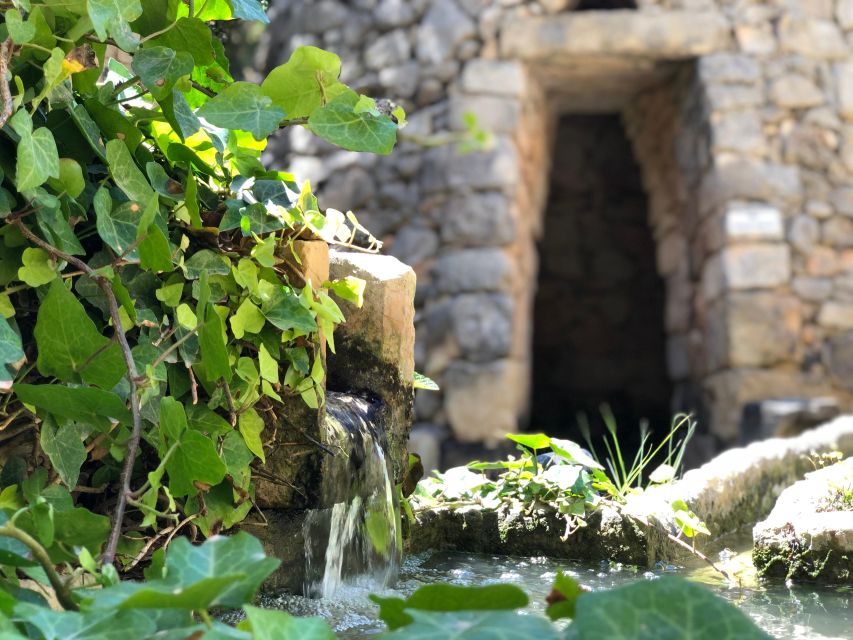
This is a self-guided experience with structured storytelling. Your visit starts with a multi-lingual audio-visual presentation and continues with an audio-guided walkthrough. The big advantage is control: you can stay close to the exhibits and avoid the classic problem of trying to hear a human guide over background noise.
The audio options cover a wide set of languages (English, Maltese, French, German, Italian, Dutch, Russian, Spanish, Greek, Portuguese, Swedish, Danish, Finnish, Norwegian, Polish, Chinese, and Japanese). If you’re the type who gets annoyed when attractions only offer a single language, this is refreshing. It keeps the experience accessible without requiring you to join a small-group tour.
Practical tip: when you start, take a minute to set your pace. If you rush the first presentation, you might miss how the rest of the route is meant to connect. If you slow down right away, you’ll appreciate the later stops more, especially the geology and stonework parts.
Museum hall stops: where the story becomes tangible
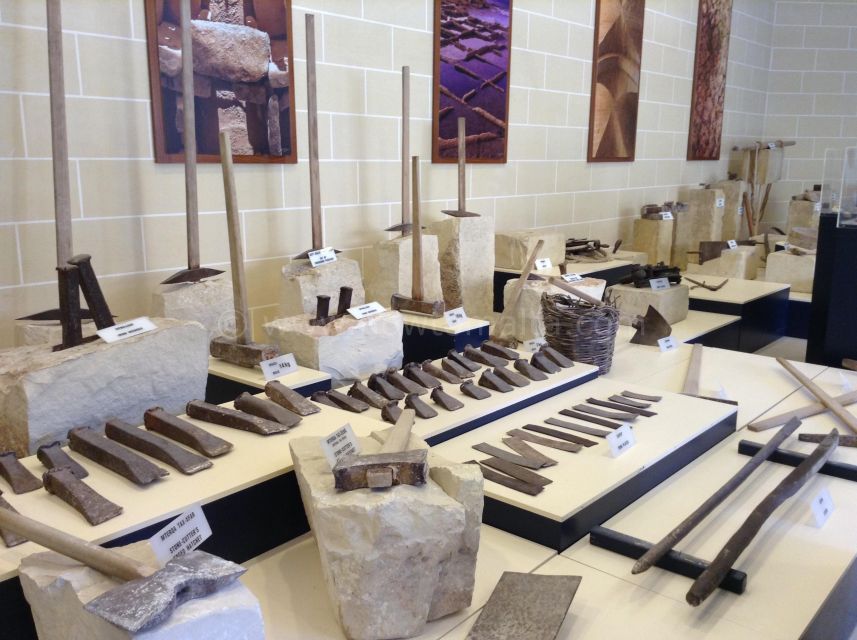
The museum hall is one of the key indoor anchors of the day. It’s there for a reason: it gives you a weather-friendly buffer and it supports the rest of the tour with clearer explanations. This isn’t just a room of artifacts. It’s part of a designed flow that ties into the audio narration you’ll hear.
What makes this stop useful for you is structure. Even if you don’t know much about Malta’s past, the experience is set up so you’re not starting from zero. You get an organized path through time and place, with the exhibits acting like chapter headings.
A small planning note: because you’re using audio instead of a live guide, you control how quickly you move. If you’re the type to keep stopping and reading everything, build extra time. If you’re the type to hit the highlights only, you can still finish comfortably during opening hours.
Geology section: understanding Malta’s limestone through what you see
Malta’s famous limestone is more than scenery—it’s part of how the island is built and how people have worked the land and the stone for centuries. The geology section is where the attraction makes that point in a practical way.
Even if you’re not a geology person, you’ll probably enjoy this stop because it connects the material to the experience. You’re not just seeing stone. You’re learning why it matters in Malta’s story. Expect explanations and displays that make the rock feel relevant to real life, not just a topic for experts.
If you enjoy hands-on learning, this is also a good segue into the live demonstrations later. You’ll start noticing details that you might otherwise ignore—shapes, textures, and what it would mean to work the material.
Punic tomb (400 B.C.): a quiet, serious moment in the route
One of the standout inclusions is access to the Punic tomb, dating back to 400 B.C. Even in a family-focused attraction, this stop gets you into a different tone. It’s not about entertainment value. It’s about historical grounding.
For you, that means you’ll want to slow down here. Don’t treat it like another photo spot. Give it a little space and time so the age of the site lands. In a day that includes outdoor gardens and animal friends, this is the moment that adds weight.
Also, because it’s part of a self-guided route, you can choose your pace. If you like taking time, this tomb stop is a natural place to do it. If you’re traveling with kids, it might be the place where you help them focus on the basics: the idea of a tomb, the ancient era, and why it’s meaningful.
Live stonework demonstrations (and the fun extra: making limestone)
The live stonework demonstrations are one of the most practical highlights. Watching stonework in real time changes how you understand the exhibits. A diagram can explain a process. A demonstration shows the effort, the tools, and the slow, careful work behind shaping stone.
This is also where the attraction feels most “of Malta.” There’s something satisfying about seeing traditional craft tied directly to the material that Malta is known for.
There’s even an optional hands-on moment mentioned in a guest review: you can create your own limestone piece for about 5 euros, and you can stay as long as you want to make it look right. I like this kind of add-on because it turns passive sightseeing into something personal. You take home a small memory, not just photos.
If you plan to do the DIY limestone piece, keep a little extra time open. Some people will want a quick version. Others will want to perfect details, especially if you’re traveling with family.
Citrus gardens and the animal farm: the best reset between stops

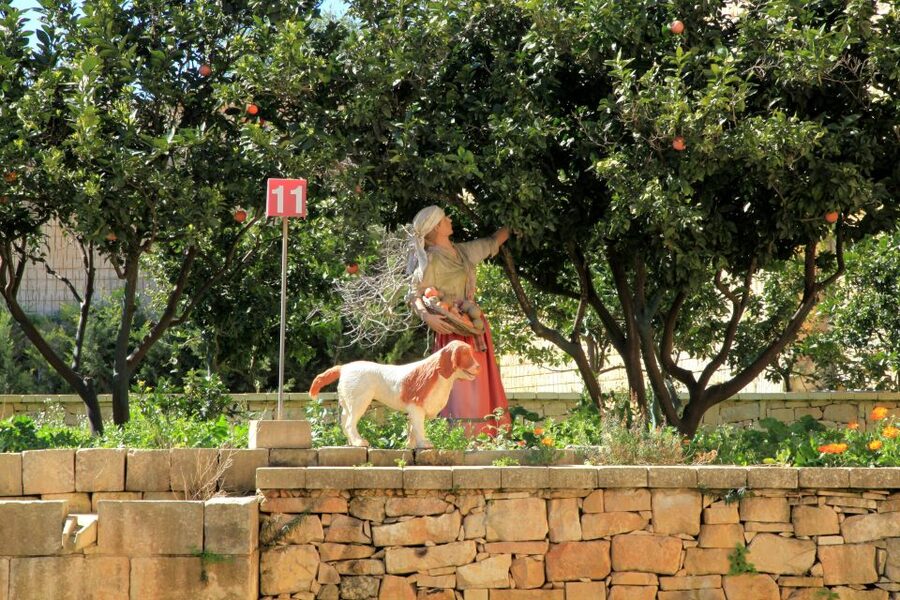
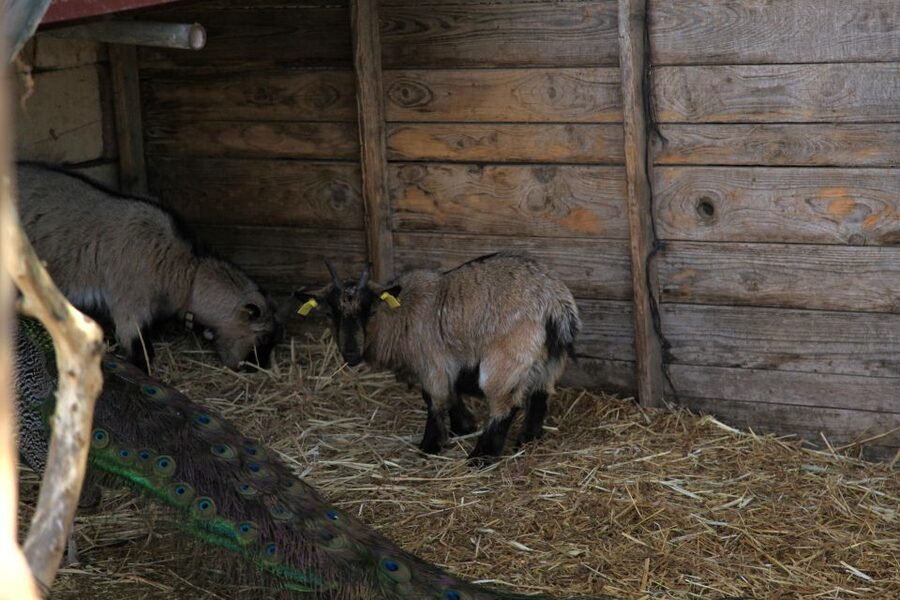
After the history-and-stone focus, you can head to the citrus gardens and then meet the animals at the farm. This part of the day is about breathing room and atmosphere.
Why it’s valuable: it prevents “museum fatigue.” Even if you’re enjoying the exhibits, you don’t want every moment to be dense and indoors. The gardens give you a calmer break, and the farm adds a playful payoff. In a one-day outing, that reset can make the whole experience feel easier to digest.
If you’re traveling with kids, this is likely where their attention naturally lands. If you’re traveling solo, it’s still worth doing. The countryside feel and the casual rhythm are a nice contrast to the tomb and the museum hall.
Food and coffee: what’s available, and what to budget

You can relax for tea or coffee, and there are snacks available like a Maltese platter and Maltese tuna ftira. That’s mentioned as something you can enjoy in the countryside setting after your tour.
Important detail: food and drinks are not included in the $11 ticket price. So if you want lunch or a full snack, plan for extra cost. I’d treat this as a bonus meal option rather than expecting it to cover your whole day.
If you tend to eat light while traveling, you might just grab a coffee and one snack. If you’re staying through the later part of the day, plan for a proper break so you don’t end the visit hungry and rushed.
Price and value: how an $11 ticket works for this kind of attraction
At about $11 per person, this ticket is priced in the “reasonable day outing” zone. The value comes from how much you get for that money: entry plus access to the museum hall, geology section, Punic tomb, citrus gardens, and the farm animal park, plus both the audio-visual presentation and the audio-guided walkthrough. Add live stonework demonstrations, and you’ve got a full schedule of content.
So when is it a great value for you?
- If you want history connected to Malta’s physical materials (limestone and craft)
- If you enjoy audio guidance in multiple languages
- If you like small-site exploration where you can linger
When might the value feel weaker?
- If you expected a giant museum experience with lots of galleries and endless rooms
- If you’re only interested in one narrow topic and the rest doesn’t pull you in
The guest feedback rating is also strong (4.7 out of 5 from 27 ratings). That aligns with the overall design: it’s a focused attraction, not a huge multi-building complex.
Timing your visit: opening hours and the one-day ticket flow
The venue is open Monday to Friday from 9:00 A.M. to 4:00 P.M., and Saturday from 9:00 A.M. to 12:00 P.M. It’s closed on Sundays and public holidays. The last entry is 30 minutes before closing, so don’t assume you can arrive at the last moment and still see everything.
A nice flexibility detail: your entry ticket can be used on the day you booked at any hour within opening time. That helps if your Malta day has traffic, buses, or other plans.
One more rule to know: the ticket is valid for one-time entry only. So if you pop out for a quick break and plan to come back later, that won’t work. I suggest treating the visit as a single block, then planning meals or downtime after you leave.
Also, opening hours can change. If your trip is tight, it’s worth confirming during your stay.
What kind of traveler should choose this?
This experience fits best if you like a structured self-guided day. You get a story line through audio and a route that covers major themes without requiring a human guide. It’s also family-friendly, and that’s not a vague claim: between the animal farm, citrus gardens, and stonework activity options, there are multiple ways to keep a day interesting for mixed ages.
It’s also a smart choice if you want a break from more crowded sightseeing. Siggiewi feels quieter than Malta’s busiest hotspots, and the attraction is designed to slow you down.
If you’re coming to Malta for short visits and want a compact but meaningful stop, you can do this in one day. If you’re a hardcore history traveler who wants only the biggest, most famous sites, you might still enjoy it—but it won’t replace major landmarks.
Should you book Limestone Heritage Park and Gardens?
I’d book it if you want a practical, hands-on-feeling Malta stop in Siggiewi—one that connects limestone geology, ancient history, and live craft in a day you can pace yourself. The multi-language audio setup is a big quality-of-life win, and the citrus garden plus farm animals make it easier to keep everyone happy.
Skip it (or at least rethink your priorities) if you’re expecting a massive museum-style complex or if you don’t care much about stone, craft, or the geology angle. In that case, you might find the one-day visit doesn’t justify the time you’re spending traveling there and back.
FAQ
What does the Limestone Heritage Park and Gardens ticket include?
Your entry ticket includes the audio-visual presentation, the audio-guided walkthrough, access to the museum hall, the geology section, the Punic tomb, the citrus garden, and the farm animal park, plus live stonework demonstrations.
How long is the visit?
The experience is listed as lasting 1 day.
Is there a live guide included?
No guide is included. The experience is self-guided using the provided audio.
What languages are available for the audio guide and presentation?
The audio-visual presentation and the audio-guided walkthrough are available in 17 languages, including English, Maltese, French, German, Italian, Dutch, Russian, Spanish, Greek, Portuguese, Swedish, Danish, Finnish, Norwegian, Polish, Chinese, and Japanese.
How much does it cost?
The price is listed as $11 per person.
What are the opening hours?
The park is open Monday to Friday from 9:00 A.M. to 4:00 P.M., and Saturday from 9:00 A.M. to 12:00 P.M. It is closed on Sundays and public holidays.
Can I enter at any time on my booked day?
Yes. You can use your entry ticket on the day you booked at any hour within opening hours.
Is food included in the ticket price?
No. Food and drinks are not included. Tea, coffee, and snacks like Maltese platter and Maltese tuna ftira may be available for purchase on-site.
Is the attraction wheelchair accessible?
Yes, the venue is wheelchair accessible.