REVIEW · COBH
The Queenstown Story @ Cobh Heritage Centre , Great Stories of Emigration.
Book on Viator →Operated by Cobh Heritage Trust CLG · Bookable on Viator
A Victorian station with emigrant footsteps. You’re basically walking into a museum built from the story of leaving—starting in the 1600s and moving through the centuries—while a skip-the-line ticket gets you inside fast. I really like that the experience mixes emotion with clear wayfinding: you can follow a suggested emigrant path, and the exhibits use a mix of reading, listening, and watching. The only drawback to plan around is that it’s largely self-guided, so you’ll do the work of choosing what to linger on.
If you’re in Cobh for a ship stop, this is a smart use of time. The heritage centre sits right on the waterfront, and it’s close to both the town’s walking routes and the nearby Titanic museum area, so it fits neatly into a tight day. It also keeps group size small (maximum 40), which helps you move at a comfortable pace rather than feeling packed in.
In This Review
- Key Highlights to Know Before You Go
- Skip the Queue at Cobh Heritage Centre’s Victorian Station
- Your 1 to 2 Hour Story Timeline Inside the Museum
- Cobh’s Emigration Story: Why the Chronology Feels Personal
- Great Famine and the Hard Reasons People Left
- Titanic and Lusitania: Cobh as a Maritime Crossroads
- Interactive Extras: Morse Code and Genealogy Support
- What Makes the Building Feel Worth It (Even Without a Cruise)
- Price and Value: Is $18.15 Worth It?
- Quick Practical Tips for Your Visit
- Should You Book This Queenstown Story Ticket in Cobh?
- FAQ
- Where does the Queenstown Story @ Cobh Heritage Centre start?
- How long should I plan for the visit?
- Is this a guided tour or self-guided?
- What’s included in the ticket price?
- Do I get food or drinks as part of the experience?
- Are there refreshment and shopping options on site?
Key Highlights to Know Before You Go

- Skip-the-line entry to the Queenstown Story at Cobh Heritage Centre so you don’t waste your limited time in queues
- A chronological emigration route, starting in the 1600s and running through later waves including the Great Famine
- Titanic and Lusitania connections shown through Cobh’s role as a port town
- Interactive extras like following a named emigrant path and trying Morse code
- Genealogy support on site, plus access to ancestry.com through the centre
- Easy timing: plan about 1 to 2 hours and you can often stay longer if you’re enjoying it
Skip the Queue at Cobh Heritage Centre’s Victorian Station
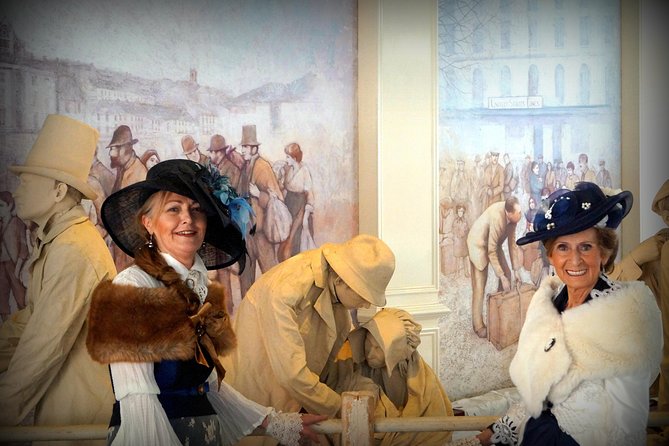
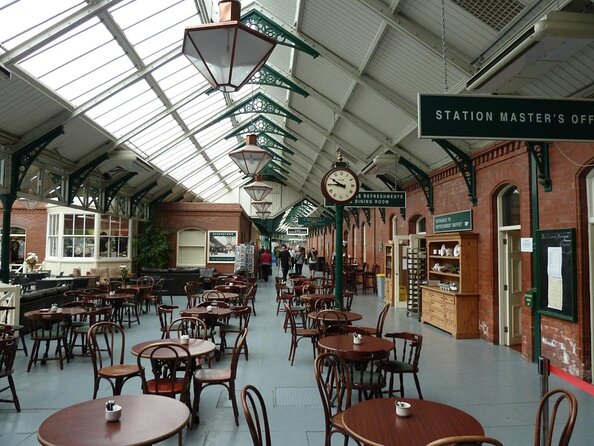
This ticket is for the Queenstown Story at the Cobh Heritage Centre, set in a restored Victorian railway station. That matters because you’re not looking at a flat display room—you’re in a building with atmosphere: high ceilings, old-stone character, and the feeling you’ve arrived right where history moved through.
Check-in is set up for mobile tickets and fast entry, and the point is simple: get you inside so you can start your independent visit without delay. The centre opens daily from 9:30 AM to 4:00 PM (during 2026 dates listed), which makes it a good anchor stop when you’re trying to build a day around a cruise schedule or train arrival.
The location is also practical. You meet at Deepwater Quay (Deepwater Quay, Ringmeen, Cobh, Co. Cork), and from there you’re close to the water. If you’re arriving by cruise, the walk is short enough to handle on foot rather than needing a taxi detour.
Your 1 to 2 Hour Story Timeline Inside the Museum
The museum experience runs as a “walk through time” that starts far earlier than most people expect. Instead of beginning with Titanic, it starts in the 1600s, when Irish emigrants left from this area for the Colonies of America and the West Indies. From there, the exhibits follow where emigrants went in later centuries, so you see the big patterns and the human reasons behind them.
The visit is designed to take you through multiple sections, with a strong emphasis on the hardest chapters—especially the Great Famine connection. The pacing is built for a self-guided flow: you can read, watch short parts, and listen where available, then return to a panel that catches your attention.
Most people plan around about 90 to 100 minutes if they aren’t rushing. That’s helpful because it gives you a realistic buffer for photos, bathroom breaks, and stopping at the cafe area before you enter. And if you finish with extra time, you can typically stay and continue—some visitors note the chance to come back within the same day.
Cobh’s Emigration Story: Why the Chronology Feels Personal
What I appreciate about the way this is set up is that it doesn’t treat emigration like one big, vague event. It connects leaving to different eras and different pressures, so the story becomes easier to understand as a chain of choices and forced events rather than one single moment.
A key feature here is that the centre encourages you to follow a specific emigrant track—meaning you aren’t just reading dates. The museum’s approach helps you feel like you’re moving with someone through the decisions and separations that defined so many families. That’s especially powerful when the exhibits shift into the Great Famine portion, where the tone turns heavier.
If you like history that has a strong emotional spine but still stays readable, you’ll likely feel satisfied. The exhibits are laid out so you can keep the thread even if you stop to take a breather.
Great Famine and the Hard Reasons People Left
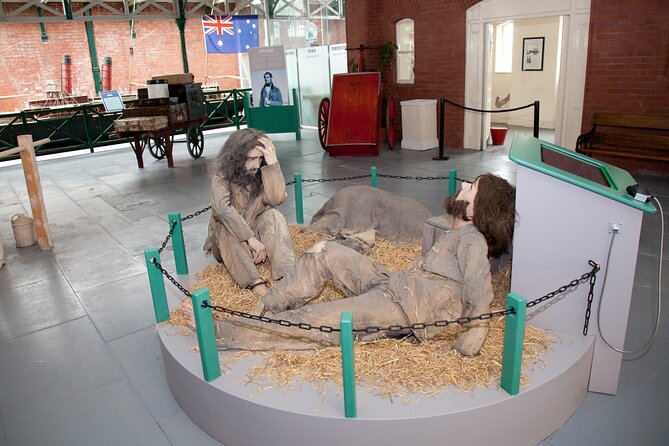
The Great Famine section is one of the emotional anchors of the centre. It’s not just a sidebar. This is where the museum makes sure you understand that emigration wasn’t only a matter of adventure or ambition—it was also about survival, poverty, and the brutal consequences of disaster.
You’ll also see that the museum doesn’t reduce emigration to one cause. Instead, it points to multiple waves and multiple pressures, which is important if you’re trying to understand why Irish migration took such different shapes over time.
Some visitors specifically say they weren’t aware of the many reasons behind leaving before coming here, and that the experience opened their eyes. That lines up with the museum’s overall approach: it’s not a single-theme exhibit. It’s a port-town story that includes the push-and-pull forces behind the numbers.
Titanic and Lusitania: Cobh as a Maritime Crossroads
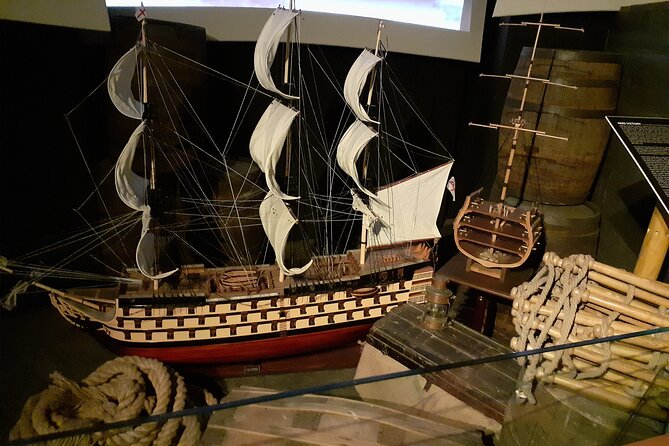
Even if your reason for coming is Titanic, you’re likely to come away with more context than you expected. The centre includes the connections between Cobh and the Titanic and Lusitania stories, tying the ship names to the reality of a working maritime port.
Why that helps: it places famous events in a real location where people lived, traveled, waited, and sometimes never returned. You can look at maritime and military roles without feeling like everything is just big headline moments.
This also explains why the centre pairs well with a nearby Titanic museum stop. If you do both, you’ll get a fuller arc—one museum tends to focus on the ship story, while the Queenstown Story adds the human port-town background that makes the ships feel less abstract.
Interactive Extras: Morse Code and Genealogy Support
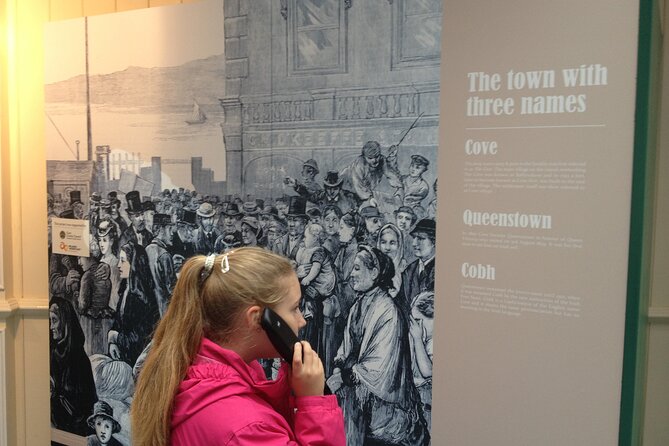
The Queenstown Story isn’t only “read and look.” It includes interactive touches that keep the visit from becoming a slow slog.
One fun example from the on-site experience: you can try Morse code typing. It’s a small thing, but it gives your brain a break from text while still tying into maritime communication.
Another practical add-on: there’s genealogy help available in the centre, and visitors mention a genealogy consultant inside and access to ancestry.com. That’s a big deal if your family story might connect to Cobh. If you’re hoping to use the genealogy service, it’s worth building in a little extra time so you aren’t forced to rush past that area.
There’s also a cafe and shop setup right by the entry experience. Reviews mention things like a scone with cream and jam and a proper cuppa, which is a nice way to reset before you step into the museum.
What Makes the Building Feel Worth It (Even Without a Cruise)
This heritage centre sits right where the story actually happened, which is why it works whether you’re on a ship stop or arriving by train. The Victorian station format helps the museum feel like you’ve moved into the era rather than into a generic display hall.
Practical touches matter too. People note the bathroom cleanliness and lots of hand sanitizer around, which is never wrong to appreciate, especially when you’re planning a longer indoor stop.
And because the museum is close to other sights in Cobh—some people mention walking distance from the train station and easy pairing with the Titanic museum—it doesn’t feel like you need to sacrifice your whole day just to justify a ticket.
Price and Value: Is $18.15 Worth It?
At $18.15 per person, the price is fair for what you’re getting: skip-the-line entry plus a museum route designed to take roughly 1 to 2 hours.
Here’s the value logic I’d use if I were helping a friend decide:
- If you’re short on time (cruise day, limited daylight), skip-the-line access often turns this into a “must buy” rather than an optional browse.
- If you enjoy history that connects to real people (especially emigration and family roots), the exhibits and interactive elements justify the ticket more than a basic one-room museum would.
- If you only want a fast Titanic hit, you might find yourself wishing you had a less time-consuming option, since the emigration storyline is the main course, not the dessert garnish.
Overall, it feels priced like a museum admission with time built in—plus the advantage of getting you inside quickly.
Quick Practical Tips for Your Visit
A few things to keep your day smooth:
- Aim to arrive with enough time to slow down. The museum can take longer if you’re reading everything.
- If you care about genealogy support, don’t treat this as a “grab and sprint” visit. Allow some flexibility.
- Plan to pair it with a waterfront walk after you finish. Many people do exactly that because the centre is right on the water.
- Bring a small buffer for the cafe and gift shop if you want them. Even if food isn’t included, the centre does make it easy to refresh.
And if you’re curious about staff help: there’s a mention of a staff member named Aideen guiding or conducting a walking tour experience connected with the site. Even if your visit is mainly self-guided, it’s a good sign the staff interaction can be human and helpful, not just robotic directions.
Should You Book This Queenstown Story Ticket in Cobh?
Book it if you want a story with emotional weight and clear structure, and you like learning about Cobh through the lens of what leaving meant for real families. It’s also a strong choice if you’re on a cruise stop or have limited time, because skip-the-line entry lets you spend your hours inside the museum rather than outside waiting.
Skip it (or at least lower your expectations) if you only want a short, light visit or if you dislike self-guided museums where you choose what to focus on. In that case, you might find it slower than you want—even though the exhibits are engaging.
FAQ
Where does the Queenstown Story @ Cobh Heritage Centre start?
It starts at the Cobh Heritage Centre on Deepwater Quay in Cobh, County Cork, Ireland.
How long should I plan for the visit?
Plan for about 1 to 2 hours.
Is this a guided tour or self-guided?
Your ticket is for an independent tour experience inside the museum.
What’s included in the ticket price?
The ticket includes admission to the Queenstown Story experience and skip-the-line entry. A driver/guide is listed as included, but the visit itself is independent inside the centre.
Do I get food or drinks as part of the experience?
No food and drinks are included. The centre has a cafe, but you’ll pay there if you want something.
Are there refreshment and shopping options on site?
Yes. The centre includes a cafe and a gift shop, and refreshments are available.