REVIEW · CHENNAI
Georgetown heritage walking tour in Chennai about the founding of Chennai
Book on Viator →Operated by 5 Senses Walks Chennai · Bookable on Viator
Chennai’s trading past starts right at Fort St George. This George Town heritage walk connects the city’s 17th-century English beginnings to the port-era power of the East India Company, all in about three hours. I love that it’s built for a small group (max 15), so questions don’t get lost in the back of the crowd.
I also like the human touch: guides are praised for excellent English and for tailoring the pace to what you care about. One past guide named Kannan stood out for explaining colonial buildings and the timeline clearly.
My only caution is time use: the Fort St George museum takes about a half-hour, and if you’ve already spent hours inside another museum the same day, you may feel you want more street-walking and less indoor time.
In This Review
- Key highlights to look forward to
- George Town in Three Hours: What This Walk Gets You
- Price and Value for a Chennai Heritage Stroll
- Where You Start at Chennai Port, and Why It Matters
- Stop-by-Stop: Fort St. George and the Company Behind the City
- St. Mary’s Church: Old Anglican Roots in a Port City
- George Town Landmarks: Old Lighthouse Sites and Shipping Time
- Dare House #234: Art Deco Meets Merchant Power (Parry’s HQ)
- Madras High Court: Civic Building, 1914 Shock, and Why It Still Matters
- Armenian Church: Refugee Trade Routes You Can Still Walk
- Pacing, Group Size, and What to Ask Your Guide
- Who This Walk Suits Best (and Who Might Skip It)
- Should You Book the Georgetown Heritage Walking Tour in Chennai?
- FAQ
- Where does the tour start?
- How long is the walking tour?
- How much does it cost?
- Is pickup offered?
- What group size should I expect?
- What will we visit during the tour?
- Are admission tickets included?
- What if the weather is bad?
- What is the cancellation policy?
Key highlights to look forward to
- Fort St George (1644) with the included museum visit on how the British came to dominate India
- St. Mary’s Church as the oldest Anglican Church of India, with a focus on the Last Supper area
- Old George Town lighthouse sites tied to the East India Company’s shipping world
- Dare House #234 (Parry’s HQ), an iconic art deco building named for Thomas Parry
- Madras High Court (set up in 1862) and the story of the 1914 World War I attack on the building
- Armenian Church visit plus the street history of Armenian refugees trading silk, spices, and gems
George Town in Three Hours: What This Walk Gets You
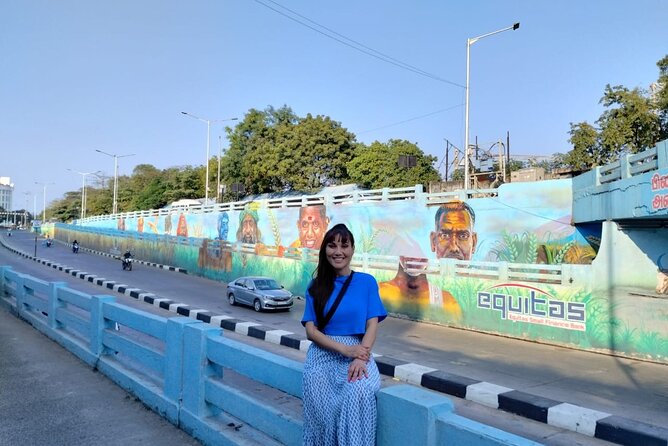
George Town can feel like it’s doing two jobs at once. It’s a working part of Chennai, but it also keeps layers of the city’s foreign connections—especially the English and merchant communities that formed around the port.
This tour is designed to stitch those layers together. You start at Fort St George and then work your way through church sites, merchant-company landmarks, and civic buildings that still function today. You’ll leave with a clearer picture of how Chennai became a global trading stop, not just a place on a map.
You can also read our reviews of more tours and experiences in Chennai.

Price and Value for a Chennai Heritage Stroll
At $50 per person, this is a mid-range activity for Chennai, but it’s not just a casual stroll. You’re paying for a local guide, a tight timeline (about 3 hours), and included entry at key stops like the Fort St George museum and the Madras High Court.
It also helps that group size is capped at 15 travelers. In practice, that usually means you spend more time actually talking with your guide and less time waiting for a big group to regroup. If you care about history, the storytelling is the value here.
One more thing: since it’s often booked around 10 days in advance, getting your preferred date can be easier if you plan sooner rather than later.
Where You Start at Chennai Port, and Why It Matters
The official start point is at CHENNAI PORT near the Chennai Port Trust (37MV+M95). The end is in George Town, so you finish where the neighborhood’s walking life picks up.
If pickup is offered for your booking, take it. The start being at the port area helps the tour’s logic: you begin where the story of trade and English settlement is physically grounded, then you move deeper into George Town’s landmarks. Even if you don’t use pickup, you’ll want to plan to arrive with enough buffer time to find the group without rushing.
Stop-by-Stop: Fort St. George and the Company Behind the City
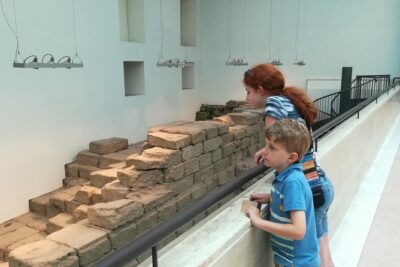
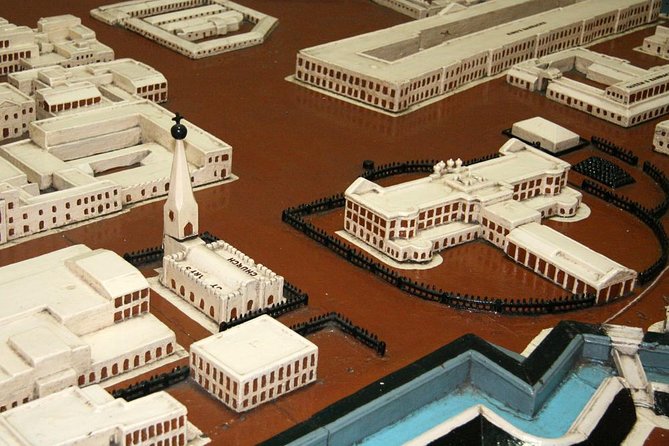
You begin at Fort St. George, described as the first English fortress built in 1644 by the East India Company. This is the kind of starting point that makes the rest of the walk click, because so many later buildings and institutions tie back to the company’s early foothold.
The included museum inside the fort is about the British presence and rule in India—helpful if you want more than just dates and locations. The trade lesson is practical: the fort wasn’t built just for defense; it was built so operations could run. You’ll likely come away seeing the city’s European influence as something tied to logistics and power, not only architecture.
Potential downside: this stop includes about 30 minutes of museum time. If you’re the kind of traveler who wants outdoor views and street scenes only, you might feel the indoor portion takes focus away from the walking. If that sounds like you, consider visiting another museum on a different day.
St. Mary’s Church: Old Anglican Roots in a Port City
Next is St. Mary’s Church, presented as the oldest Anglican Church of India. The visit is short, about 15 minutes, but it’s timed to give you a “faith and community” angle to match the trade-and-fort story you just heard.
You’ll also focus on the Last Supper aspect during the visit. Even if you aren’t a church-detail person, this is still worth it because it shows how early English settlement wasn’t just about commerce. It was about building social structure—places for worship, continuity, and identity.
This is also a good stop for photos without turning it into a 30-minute production. You get the meaning, then you move on.
George Town Landmarks: Old Lighthouse Sites and Shipping Time
At the George Town stop, you’ll see the site of a couple of old lighthouses that were functional during East India Company times. The tour keeps this part focused: about 15 minutes for you to understand why lighthouses mattered in a port neighborhood like this.
Here’s the practical payoff. When you learn that these were tied to company-era shipping, the neighborhood stops feeling like a static “old city.” It becomes a working map of movement—ships coming in, goods leaving, and navigation being part of daily life.
If you like maritime history, this will probably be one of your favorite quick stops. If you prefer big interiors and formal institutions, you may find this portion less visually dramatic. Still, it ties the day together.
Dare House #234: Art Deco Meets Merchant Power (Parry’s HQ)

Then comes Dare House #234, an iconic art deco building with a backstory tied to Parry’s Company. The tour highlights that Parry’s was named after Thomas Parry, described as Welsh and among the first free merchants of Chennai.
Even without deep architecture knowledge, art deco buildings can be fun because they show a later layer of city ambition. You’re not only seeing the early English settlement period; you’re seeing how merchant wealth and influence kept shaping Chennai’s skyline and business locations.
This stop is about 15 minutes, which is just enough to get the meaning without slowing your momentum. It’s also a helpful reminder: George Town’s story isn’t frozen in the 1600s. It keeps evolving as commerce changes.
Madras High Court: Civic Building, 1914 Shock, and Why It Still Matters
Next is Madras High Court, set up in 1862 by a decree from Queen Victoria. The court remains active today and serves the state of Tamil Nadu, so this isn’t a dead monument. It’s a living institution, which makes the history feel more grounded.
Your guide narrates what happened in 1914 during World War I, including an attack on the building by German forces. You’ll see how international conflict reached far beyond the European battlefields, landing directly on a major civic structure in India.
This stop includes about 30 minutes and the tour includes an admission ticket. That extra ticketed time signals that the stop isn’t only exterior photos. You’re meant to connect the building to the events that shaped it, not just admire the façade.
Practical tip for the day: if you’re sensitive to intense stories, this is where you’ll probably feel the tone shift. The rest of the walk is often quieter and more architectural; this part brings in conflict.
Armenian Church: Refugee Trade Routes You Can Still Walk
The final major stop is the Armenian Church. Before you reach it, the walk takes you past the street where Armenian refugees set up trade for silk, spices, and gems about 300 years ago.
This is one of the more human-history moments of the route. You’re hearing about people who arrived as refugees and then built commercial links—showing that George Town’s global connections weren’t only about English power. It was also shaped by other communities seeking stability through trade.
The church visit includes about 30 minutes and uses the included admission. The tour frames it as a chance to experience the site directly, not just read about it. For me, this kind of visit is what turns a history walk into a place you can feel in your legs—because it ends with a sense of how people lived and worked here.
Pacing, Group Size, and What to Ask Your Guide
This tour runs about 3 hours, with the schedule balancing short landmark visits and two longer ticketed stops (Fort St George and Madras High Court) plus the church visit.
Because the group is capped at 15, you can ask follow-up questions without shouting. I like that the pace is structured enough that you’re not wandering, but flexible enough that your guide can tailor the story to what you care about. In the past, guides have been praised for excellent English and for tailoring the tour to interests, including making sure you get a clear walkthrough of what you’re seeing.
A smart move: ask your guide which stop best explains the “why” behind George Town’s English settlement and trading role. You’ll get a clearer mental map fast, and the rest of the walk will make more sense.
Who This Walk Suits Best (and Who Might Skip It)
This is a great fit if you:
- Enjoy history told through real buildings rather than slides
- Want an efficient way to connect English settlement, merchant companies, and civic institutions
- Like small-group tours where the guide can respond to your questions
- Are curious about the mix of communities around George Town, including the Armenian trading story
You might not love it if you:
- Prefer very long museum time or purely museum-based tours (because the walking and shorter stops are part of the design)
- Already plan to spend most of your day inside multiple museums and hate indoor time
Should You Book the Georgetown Heritage Walking Tour in Chennai?
If your goal is a smart, walkable introduction to George Town’s founding-era story—Fort St George to the Armenian Church—this tour is worth booking. The price is reasonable for what you get: a local guide, small-group pacing, and included entry at multiple key sites that explain the city’s English and port-era connections.
Book it if you value context, not just photos. And if you’re picky about museums, plan your day so that you’re not museum-tired going into Fort St George. With the small group size and guides known for clear English (and at least one guide named Kannan earning strong praise), you should get a guided experience that feels personal rather than rushed.
FAQ
Where does the tour start?
The tour starts at Chennai Port near the Chennai Port Trust at the meeting point listed as CHENNAI PORT (37MV+M95).
How long is the walking tour?
It runs about 3 hours (approx.).
How much does it cost?
The price is $50.00 per person.
Is pickup offered?
Pickup is offered.
What group size should I expect?
The tour has a maximum of 15 travelers.
What will we visit during the tour?
You’ll see Fort St. George, St. Mary’s Church, George Town (old lighthouse sites), Dare House #234, Madras High Court, and the Armenian Church.
Are admission tickets included?
Admission is included at Fort St. George, Madras High Court, and the Armenian Church. St. Mary’s Church, George Town lighthouse sites, and Dare House #234 are listed as free admission.
What if the weather is bad?
This experience requires good weather. If it’s canceled due to poor weather, you’ll be offered a different date or a full refund.
What is the cancellation policy?
You can cancel for free up to 24 hours in advance for a full refund. If you cancel less than 24 hours before the start time, you won’t get a refund.