REVIEW · TENNESSEE
Ticket pass to the Great Smoky Mountains Heritage Center (Self-Guided Tour)
Book on Viator →Operated by Great Smoky Mountains Heritage Center · Bookable on Viator
Want a real taste of mountain life? This self-guided ticket at the Great Smoky Mountains Heritage Center gives you two indoor museum galleries and a stroll through an authentic historic village, with hands-on features that work well for families. The big downside: a third indoor gallery is under construction, so your indoor time won’t be the same as a full multi-gallery setup.
The visit is built for an easy 1 hour 30 minutes or so, and it’s paced by you. You’ll wander the heirloom gardens, historic village grounds, and an 1830s farmstead at your speed, with seasonal living-history touches sometimes showing up during your visit time.
In This Review
- Key Points You Should Know Before You Go
- Great Smoky Mountains Heritage Center: what you’re really buying
- The self-guided flow: easy pacing with a mobile ticket
- Inside the museum galleries: Cherokee stories plus everyday mountain life
- The heirloom gardens: learning by slowing down
- Walking the historic village: buildings that make daily life click
- The 1830s farmstead: understanding work before meals
- Timing your visit: how to get the most from 90 minutes
- Who this suits best (and who should plan differently)
- Value and expectations: what’s included, what isn’t
- Should you book this self-guided ticket?
- FAQ
- How long is the self-guided tour?
- What is included with the ticket?
- What is not included in this admission?
- What are the opening hours?
- Is the tour self-guided?
- What if the weather is bad?
Key Points You Should Know Before You Go
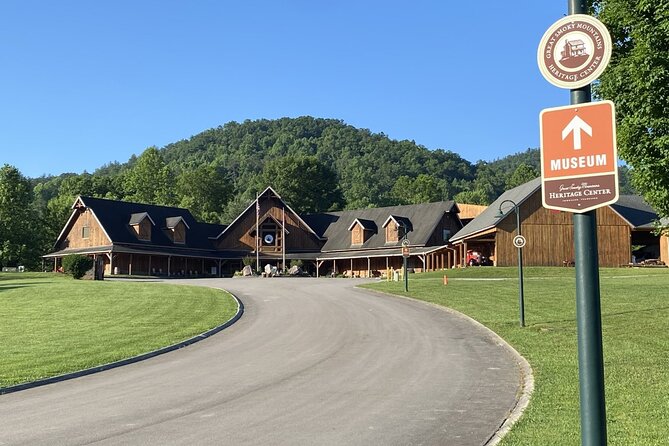
- Two indoor museum galleries focus on mountain life and the people who lived here, including Cherokee themes
- Outdoor historic village and 1830s farmstead let you “read” daily life through buildings and settings you can walk
- Heirloom gardens add a slower, seasonal feel to what you’re learning indoors
- Hands-on exhibits make it easier to keep kids engaged without turning it into a lecture
- Self-guided format with a mobile ticket means you can start when you’re ready within opening hours
- Weather matters since a lot of the experience is outdoors, so plan with flexibility
Great Smoky Mountains Heritage Center: what you’re really buying
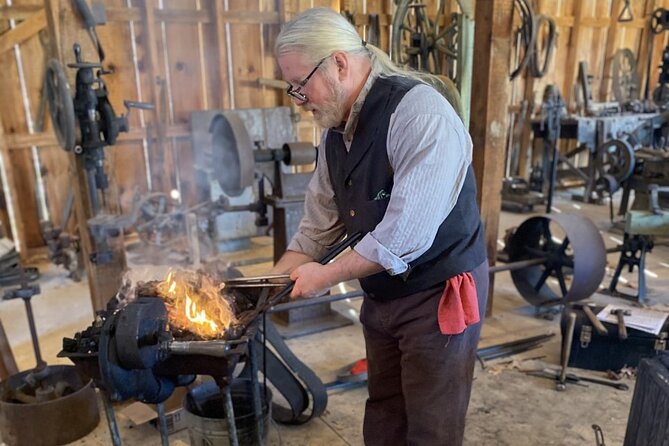
This isn’t a “sit and watch” attraction. Your ticket is standard admission to the Heritage Center’s museum and village areas, and that’s the core value. You get a structured way to explore: indoor galleries for context, then outdoor places where the story turns physical.
On the museum side, you can plan for two indoor museum galleries, and there’s also mention of a third gallery under construction. In real terms, that means you should treat your visit as a strong two-gallery museum experience plus the outdoor village and farmstead, not a huge, all-galleries-at-once museum crawl.
On the outdoor side, the ticket isn’t vague. You can visit the heirloom gardens, the historic village, and an 1830s farmstead. That trio is what makes this more than a pass through a single exhibit room. You’ll be moving through spaces that help you picture how people actually lived: work routines, home life, and the practical skills needed to survive.
You can also read our reviews of more tours and experiences in Tennessee.
The self-guided flow: easy pacing with a mobile ticket
The tour is self-guided, offered in English, and it runs roughly 1 hour 30 minutes. That time window is helpful because it’s long enough to take your time outdoors, but short enough that you’re not stuck if you just want the highlights.
The mobile ticket detail matters for day-of convenience. Instead of hunting for printed paperwork, you can keep everything on your phone and focus on starting. That’s a small thing, but it really changes the first 10 minutes. You’ll spend less time organizing your materials and more time getting oriented.
Opening hours run Monday through Saturday, 10:00 AM to 5:00 PM, within the posted season window (12/14/2022 through 03/04/2027). If you’re visiting in the winter, that end-of-day timing can matter because daylight affects how much you’ll enjoy the outdoor stroll.
One more practical note: it’s near public transportation, service animals are allowed, and most people can participate. If you’re planning with mixed ages, this format tends to work well because adults can focus on the details while kids can bounce between hands-on elements and the simple “walk around and look” appeal of the village.
Inside the museum galleries: Cherokee stories plus everyday mountain life
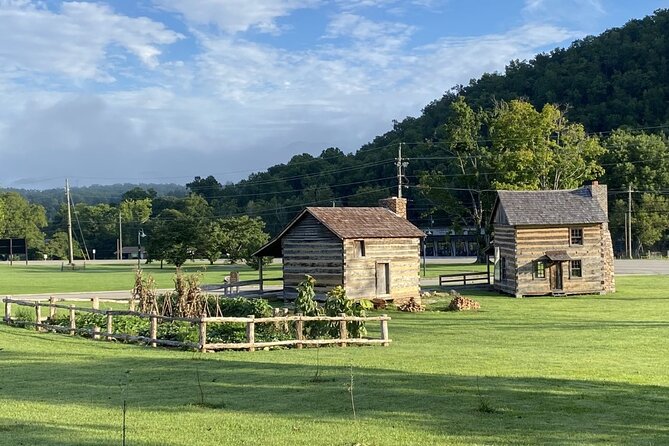
The indoor part of your visit is where the Heritage Center gives you footing. You’ll be able to tour two museum galleries, and from what’s emphasized in the experience, it’s not just decorative. Expect interpretation of Cherokee life as well as a broader look at how people adapted to these mountain conditions.
What I like about this approach is that it connects culture to daily routines. You don’t just see artifacts; you get the sense of effort: what had to be done before meals, before bedtime, and before the day could slow down. That’s the kind of detail that makes history feel less like a timeline and more like a lived schedule.
If you’re visiting with children, the indoor galleries are designed to include hands-on moments. That matters because kids often lose interest when everything becomes reading and displays behind glass. Here, you’re more likely to find interactive elements that let them participate instead of just watch.
Practical caution: because a third gallery is under construction, your indoor time may feel a bit shorter or more focused than a larger, fully open museum. If you walk in expecting a huge number of rooms, you may feel slightly less “museum-heavy” than you pictured. The good news is that the outside portion is substantial enough to balance it out.
The heirloom gardens: learning by slowing down
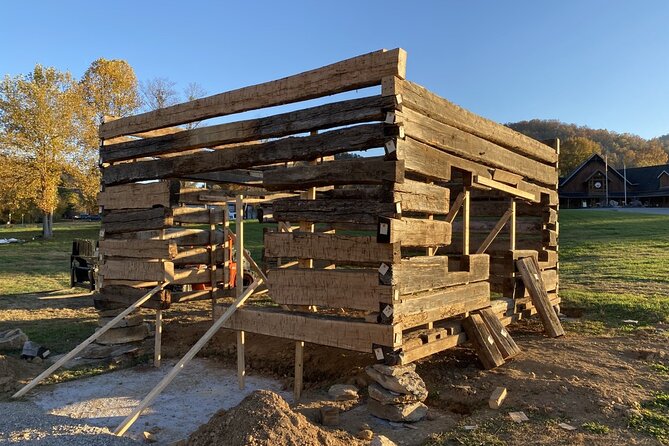
After the indoor galleries, you move into the outdoor spaces, and the heirloom gardens are a smart transition. Gardens are a quiet teacher. They don’t require you to decode a caption in the same way a museum display does. Instead, they help you connect farming choices with seasons and with what people needed to grow and maintain.
This is also a good “reset” for families. You can let kids stretch, take pictures, and enjoy the slower pace while still staying part of the story. The gardens don’t feel like an add-on that’s only there for looks; they fit the theme of how people planned for survival through practical agriculture.
One consideration: outdoor enjoyment depends on weather. Since the experience requires good weather, you’ll get the most value if conditions are dry and comfortable. If it’s rainy or stormy, outdoor time may feel rushed or you may need to adjust your pace.
Walking the historic village: buildings that make daily life click
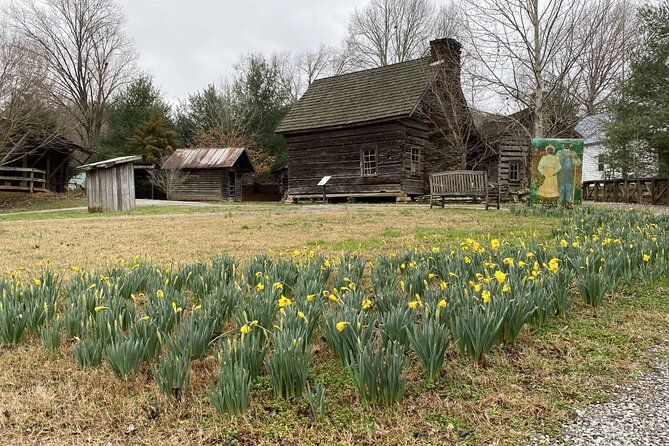
The historic village is where the experience becomes tangible. This is the part that helps your brain shift from learning facts to picturing living conditions. You’re not just reading about settlements and home life—you’re walking among structures meant to represent how people actually lived in the area.
A key strength here is how well-maintained and intentional the setup feels. The village areas give you a sense of scale and arrangement, and those small spatial cues matter. When you see authentic dwellings in context, the idea of work and routine becomes easier to understand. You’ll likely notice how homes relate to tasks, how daily life required preparation, and how the rhythms of day were built around chores.
For families, this is often the most memorable part because it’s visual and physical. Kids can explore the space with far less pressure than reading. Adults can focus on details like design choices, building materials, and how people organized daily life around limited resources.
The drawback is simple: it’s outdoors. If you’re visiting during hot sun or cool wind, that will affect your comfort level. If you’re sensitive to weather, bring a hat, layers, and a plan for breaks.
The 1830s farmstead: understanding work before meals
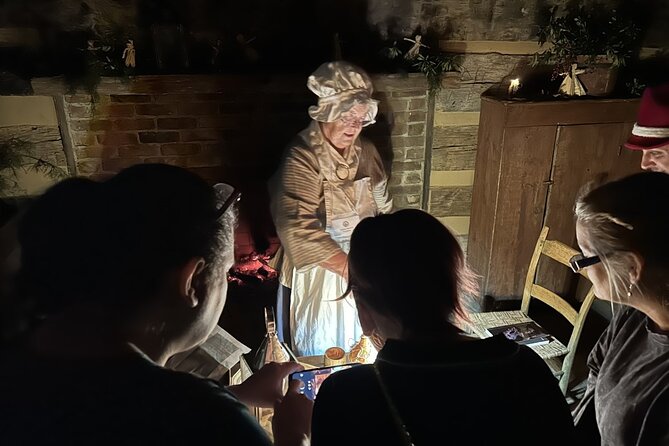
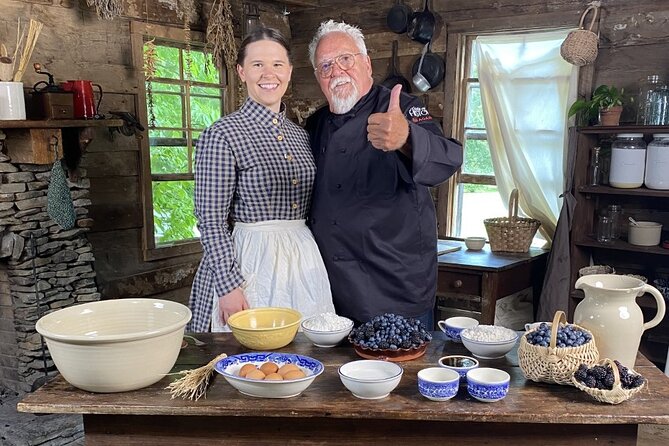
The 1830s farmstead adds a “how it really worked” layer. Farm life is where you see the logic of daily schedules. In a place like this, it’s common for exhibits and demonstrations to point out the grind behind ordinary moments: tasks before meals, work before rest, and the effort required to keep a household going.
This is exactly the kind of learning that sticks. Once you’ve walked through a farmstead setting, the idea of perseverance doesn’t stay abstract. You start to see how survival depended on planning, skill, and consistency.
Also, the Heritage Center sometimes includes living-history demonstrations and seasonal programming depending on the time you go. Since those details aren’t guaranteed for every visit, treat them as a bonus rather than the main plan. Even without special programming, the farmstead stop is still a strong anchor because it’s set up for self-guided exploration.
Timing your visit: how to get the most from 90 minutes
Since the visit is roughly 1 hour 30 minutes, the best strategy is to be deliberate about what you want to spend time on. If you love museum-style learning, you can spend longer in the galleries, then take a slower pass through the gardens and village. If you’re more outdoors-oriented, you can skim the indoor rooms enough to get context and then spend more time wandering the historic settings.
Here’s a simple approach that keeps you from feeling rushed:
- Start indoors first so you understand what you’re seeing outside.
- Then move to gardens for a breather.
- End with the village and farmstead so the walking portion feels rewarding rather than tiring.
Also, consider the day-of conditions. The experience requires good weather, and since some of the most meaningful stops are outdoors, it’s worth checking forecasts. If conditions are poor and the experience is canceled due to weather, you’ll be offered a different date or a full refund.
Who this suits best (and who should plan differently)
This self-guided Heritage Center stop is a great fit if you want an authentic-feeling way to understand mountain life without adding stress. It works especially well for:
- Families who want hands-on moments for kids and real learning for adults
- People who like walking through historic spaces at their own pace
- Visitors interested in Cherokee-related interpretation and the broader mountain way of life
It may feel less ideal if you’re expecting a fully guided, narration-heavy experience. This is self-guided, so you’ll get more out of it if you’re the kind of person who reads, looks closely, and enjoys piecing together meaning from displays and buildings.
If you’re also planning the wider Townsend/Cades Cove area, this can serve as a strong “context stop” that makes outdoor views make more sense. A lot of the region’s charm is easier to appreciate once you understand what life looked like before modern comforts.
Value and expectations: what’s included, what isn’t
Your admission includes full access to the Heritage Center’s indoor and outdoor facilities tied to the museum and village experience. You’re set up to see the two indoor museum galleries plus the outdoor stops (heirloom gardens, historic village, and 1830s farmstead).
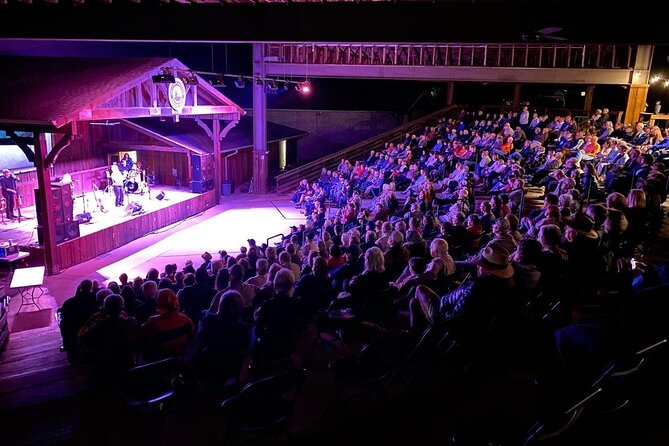
What’s not included is also clear: the ticket does not include admission to concerts, festivals, or other special events. If you’re visiting specifically for a concert or festival program, you’ll need to check event add-ons separately.
Bottom line on value: you’re paying for time in both museum spaces and outdoor historic settings. That combination is what makes the ticket feel complete rather than one-room focused.
Should you book this self-guided ticket?
Yes, if you want a straightforward way to connect with how people lived in this region, this is a strong pick. The mix of indoor interpretation and outdoor historic settings is the key strength, and the hands-on elements make it easier for different ages to stay engaged.
Book it especially if you’re planning around weather and want a calm, self-paced visit during 10:00 AM to 5:00 PM on a day when conditions look good. If your goal is a huge, fully open multi-gallery museum experience, note that one indoor gallery is under construction—then plan to let the village and farmstead carry the day outdoors.
If that sounds like your kind of trip, you’ll likely leave with more than a few photos. You’ll have a better sense of daily work, home life, and the persistence it took to live in the mountains.
FAQ
How long is the self-guided tour?
The experience lasts about 1 hour 30 minutes.
What is included with the ticket?
The ticket includes full admission to the Heritage Center’s indoor and outdoor facilities, including two indoor museum galleries and outdoor areas such as the heirloom gardens, historic village, and the 1830s farmstead.
What is not included in this admission?
This ticket does not include admission to concerts, festivals, or other special events.
What are the opening hours?
The posted hours are Monday through Saturday, from 10:00 AM to 5:00 PM, within the season window of 12/14/2022 to 03/04/2027.
Is the tour self-guided?
Yes. It’s a self-guided tour with a mobile ticket, offered in English.
What if the weather is bad?
The experience requires good weather. If it’s canceled due to poor weather, you’ll be offered a different date or a full refund.