REVIEW · TOLEDO
Toledo: Ancient Underground City Tour in Spanish
Book on GetYourGuide →Operated by Secretos de Toledo · Bookable on GetYourGuide
Toledo’s secrets run under your feet. This 2-hour underground walking tour takes you through a set of centuries-old spaces carved from rock, and you’ll hear the legends that grew around them. With a Spanish-speaking guide (often the kind of guide who talks with real care for understanding, like Ruth), you also get the story threads that connect each chamber, not just the wow factor.
I especially like two things. First, you get to see the Bath Cenizal, an old hammam tied to the 11th century Arab baths, and the guide explains how it worked and why it was built. Second, the route is designed to show cultural change in layers: Roman reuse, Arab water-and-bath life, and later Christian and Jewish landmarks tied to the same subterranean world.
One drawback to plan for: this isn’t suitable for people with mobility impairments, and the underground route can mean uneven, hard-to-move-in spaces. Wear truly comfortable shoes, and expect a lot of time on your feet.
In This Review
- Key things to know before you go
- The idea behind Toledo’s Underground City (and why it matters)
- Price and value: what $15 buys you in real terms
- Meeting point and what to bring (so you start smoothly)
- Stop 1: Bath Cenizal, the Arab hammam from the 11th century
- Stop 2: Roman nuncio baths as a social space
- Stop 3: Salvador’s Well and the mosque connection
- Stop 4: The Church of the Savior, seen through the underground lens
- Stop 5: House of the Jew and the final cultural layer
- The guide makes or breaks it (and you’re in Spanish)
- Who this tour is best for
- A practical way to plan your 2 hours
- Should you book Toledo’s Ancient Underground City Tour?
Key things to know before you go
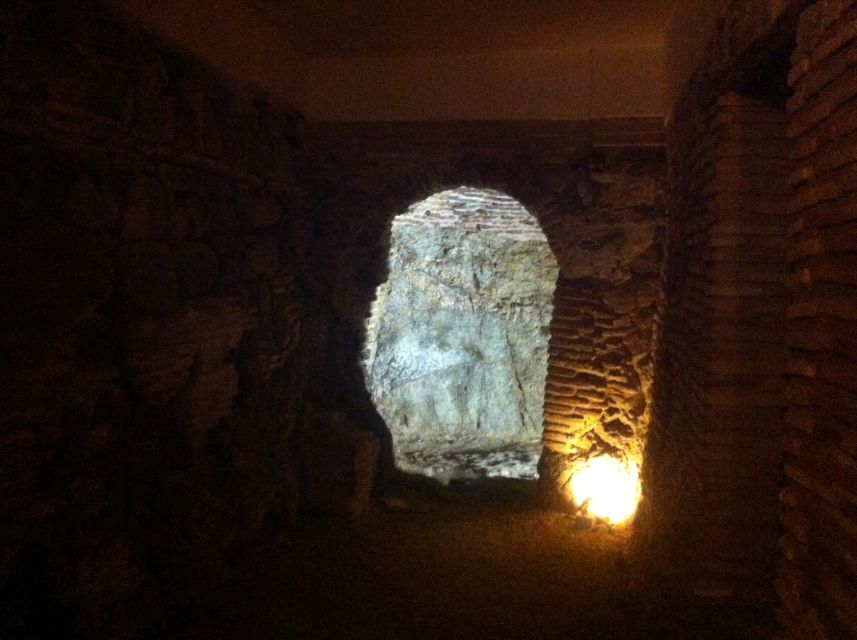
- 5 underground locations in a single 2-hour loop, so you won’t feel like you’re watching one room drag out the day
- Arab Bath Cenizal (11th century) explained with practical details about its use and architecture
- Roman nuncio baths framed as a social space, not just ruins in a photo
- Salvador’s Well (11th century) tied to the mosque era, with the story shifting into the Church of the Savior
- House of the Jew included so the cultural timeline isn’t only Muslim-and-Christian
- Tour led by a Spanish guide specialized in Toledo history, so Spanish listening skills matter
The idea behind Toledo’s Underground City (and why it matters)
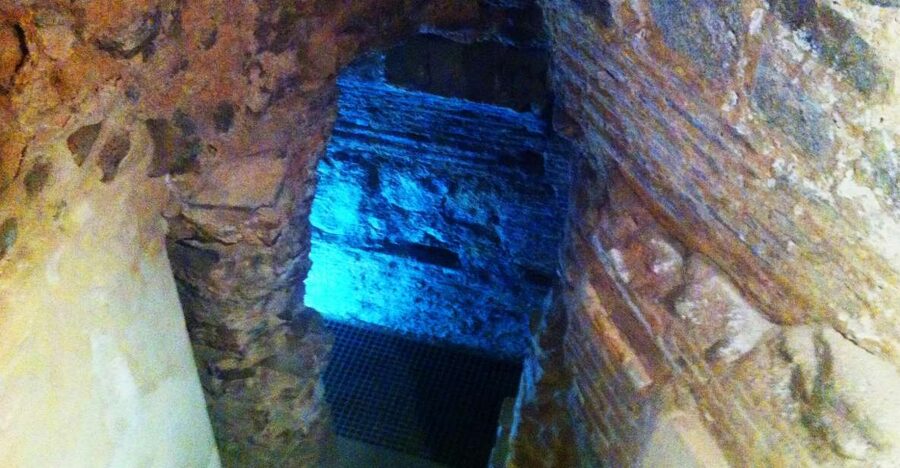
Toledo’s early residents didn’t just build on top of the hill. They carved into it. Long ago, rock was excavated for practical jobs: storing water, sheltering during wars, and creating hidden passages. The same kind of underground thinking shows up in places used as spas, baths, and tunnels.
That mix of needs is exactly why this tour feels different from a normal “see-the-monument” stop. You’re not only looking at old stone—you’re seeing how people solved problems with architecture, then wrapped those facts in legend. Some stories in these spaces keep historical details hidden. Others try to explain what no one can fully explain. Either way, the guide helps you understand why the myths stuck.
And when the guide ties everything together—how spaces were reused, repurposed, and reinvented—you start to see the underground city as a living timeline. Not just “old stuff,” but old stuff that kept getting used.
You can also read our reviews of more tours and experiences in Toledo.

Price and value: what $15 buys you in real terms
This tour costs $15 per person, lasts about 2 hours, and includes entry to the underground sites plus a Spanish-speaking guide specialized in Toledo history. That’s strong value when you compare it to typical pay-per-site entry fees, because here you’re rolling multiple stops into one guided visit.
The real value is how the time is spent. Instead of a rushed list of checkpoints, you get a guide who uses curiosities and legends as a way to connect the rooms. If you’re the type who likes to understand why something was built and how it functioned, this is the kind of tour where your money turns into context, not just access.
What’s not included is food and drinks. So plan to eat before or after. If you tend to run warm underground—or if you’re walking a lot before your tour—bring water with you for after, since the tour itself doesn’t provide refreshments.
Meeting point and what to bring (so you start smoothly)
Meet at the hall of Nº7. At the end, on the right, is the office of Secretos de Toledo.
Bring comfortable shoes. That’s it, and it matters more than you think, because you’ll be moving through underground spaces where slick floors and tight turns can make normal walking feel awkward. Also note the rule: video recording is not allowed. Still photos are usually fine, but you’ll want to follow the guide’s instructions on-site.
Stop 1: Bath Cenizal, the Arab hammam from the 11th century
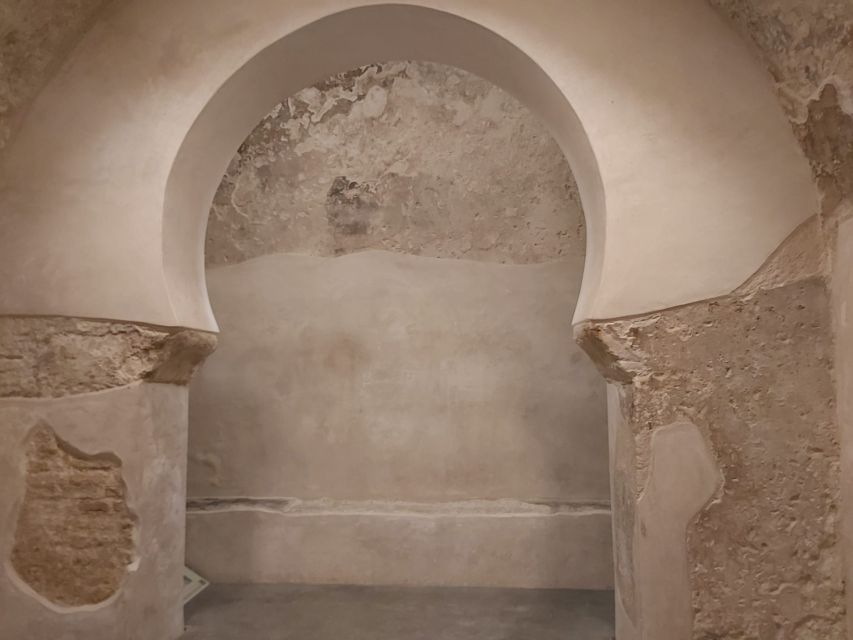
Your first major underground anchor is the Bath Cenizal, described as an old hammam, connected to the Arab baths from the 11th century. This is the kind of stop that makes the underground city feel tangible, because baths weren’t just about cleanliness—they were also part of daily rhythms.
Here’s what I like about this stop as a visitor: the guide doesn’t treat it like a random “ancient room.” You’ll learn architectural curiosities and how the space was used. That matters because hammams were designed around function—water access, circulation, and different temperature or activity zones (even when you can’t see every detail at ground level).
You’ll also hear how the legend layer formed. When a place has served shifting needs over centuries, people tend to attach explanations to the stone. The guide helps you sort what’s known from what’s story, and that keeps the stop from turning into pure guesswork.
Stop 2: Roman nuncio baths as a social space
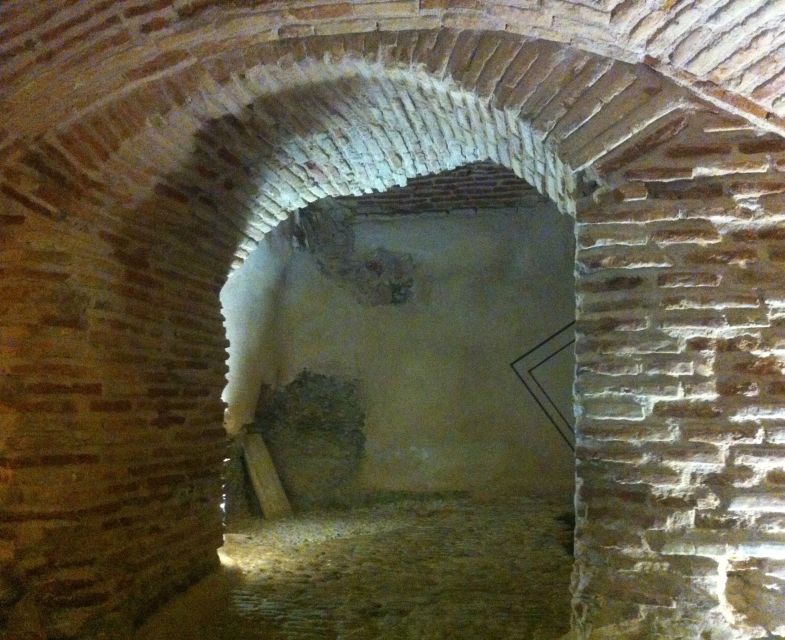
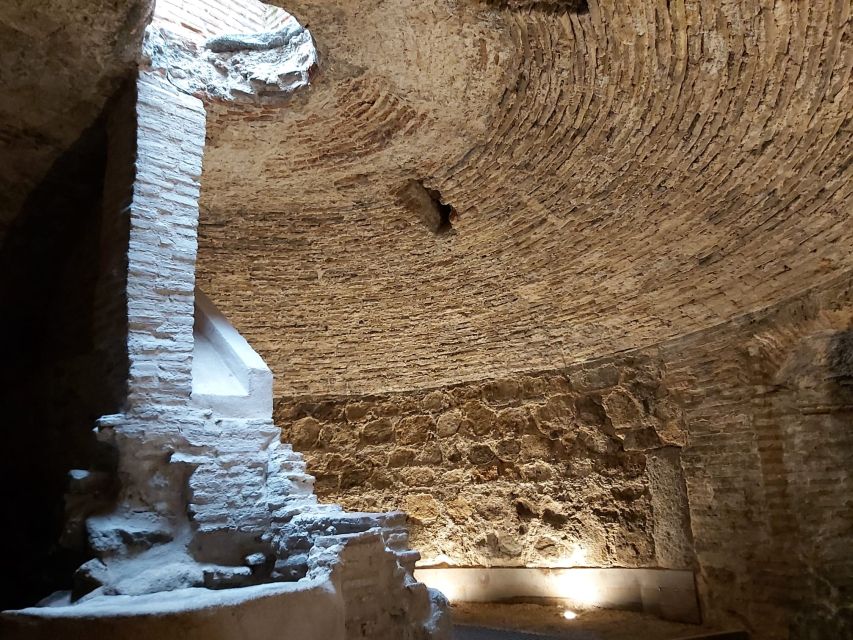
Next up is the old nuncio Roman baths, explained as a social space in Roman Toledo. This is where the tour starts doing more than showing you “another underground room.” It shows reuse.
The Romans built, used, and later generations continued to adapt what was already there. Underground spaces can survive because the rock protects them, and because the basic logic of water and storage doesn’t change. So you’re seeing architecture that carried forward.
The guide connects the dots about how the civilization built and reused bath-related spaces. That gives you a better sense of why these chambers weren’t abandoned. When you understand the social role—people meeting, routines shared—the Roman stop turns from “cool ruins” into “how life likely worked.”
Stop 3: Salvador’s Well and the mosque connection
After the bath storylines, you’ll discover Salvador’s Well, an old well from the 11th century that belonged to the mosque. This is one of the tour’s smartest transitions, because it shifts from bath culture into everyday infrastructure.
Even if you don’t see dramatic “action,” wells are the heart of underground survival: water supply, dependable access, and a place where the site’s purpose becomes practical instantly. The guide’s framing helps you understand how a space could be used by a mosque community, then later be narrated differently as Toledo’s religious landscape changed.
From here, the tour moves onward toward the Church of the Savior. That next step is more than a geographic hop. It’s the story turning point: the underground world staying physically similar while the meaning changes.
Stop 4: The Church of the Savior, seen through the underground lens
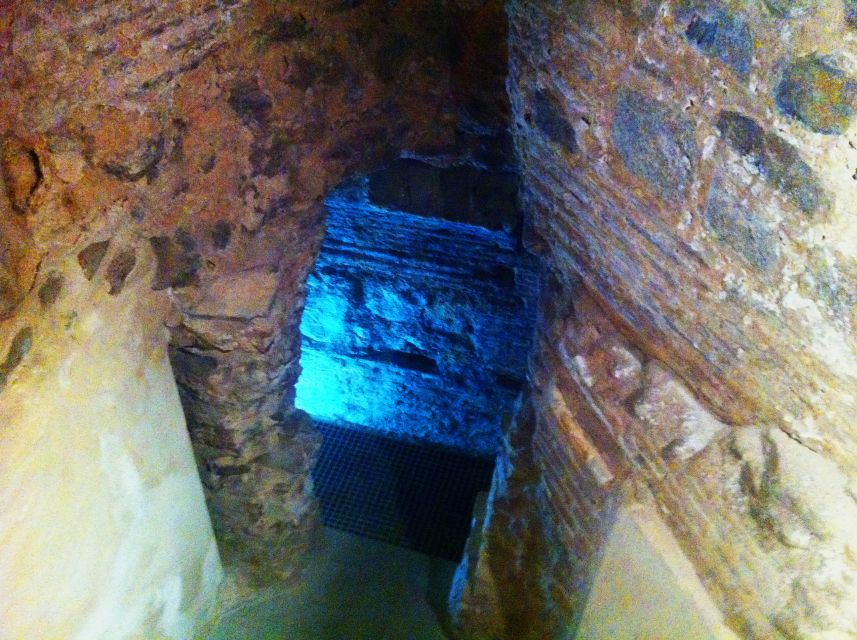
The tour brings you to the Church of the Savior after the Salvador’s Well connection. The key idea here isn’t only the church itself—it’s the sequencing.
When you stand underground and then move into a newer landmark in the same connected story, you feel the layers more sharply. Underground spaces are often older than the labels people later attach to them. So the guide’s job is to help you understand how these places keep getting reinterpreted over time.
This stop is where you’ll likely notice how the guide talks about influence across eras. You’ll be hearing the cultural timeline as a set of linked functions: water, shelter, community space, and later religious symbolism. That’s the “why it matters” part for me—because it changes how you read Toledo above ground, too. You start seeing the city as a stacked set of answers.
Stop 5: House of the Jew and the final cultural layer
The last underground location is the House of the Jew. It helps complete the tour’s promise about cultural influence. The underground story isn’t only Roman and Arab. It includes the presence and memory of Jewish life through spaces identified in connection with later community history.
This stop also feels like a payoff for staying attentive. By the time you reach it, you’ve already heard how one physical space can shift roles. So when you learn about the House of the Jew, you’re primed to understand it as part of the same underground ecosystem—rock-cut survival, then cultural meaning layered on top.
If you like tours that explain how legends start and why they stick, this ending is especially satisfying. It doesn’t feel like a random final stop. It feels like a wrap-up of the tour’s central theme: people made use of what they inherited.
The guide makes or breaks it (and you’re in Spanish)
This tour runs with a Spanish-speaking guide specialized in Toledo history. If you’re comfortable listening in Spanish, you’ll get a lot more out of it, because the guide uses curiosities and legends to connect the sites.
The tone is also part of the value. Guides on this kind of tour tend to do one thing really well: they stop explaining “facts” and start explaining meaning. Ruth is an example name you’ll hear tied to tours that run a touch longer than the stated 2 hours, with plenty of extra history and anecdotes, and a clear effort to make sure you’re following.
Another guide style you’ll likely encounter is the close, friendly approach that keeps explanations clear. If you ask a question, you usually get a straight answer tied to what you’re seeing right then. That’s exactly what you want for an underground tour: context in the moment, not context you’ll only fully get later when you Google everything on your phone.
Who this tour is best for
You’ll get the most from this experience if you:
- enjoy history that connects to everyday life (water, baths, social spaces)
- like legends, but also want them tied to what’s plausible
- prefer a short guided walk instead of a long museum session
You might not love it if you:
- have mobility limitations (it’s not suitable per the activity notes)
- dislike enclosed or low-light spaces
- need to record video during tours (it isn’t allowed)
A practical way to plan your 2 hours
Since this is 2 hours long and includes entry, I’d treat it as a focused block in your Toledo day. Go in rested, shoes ready, and with the mindset that you’re learning a storyline: carve → use → reuse → legend.
Also, set your expectations for “underground comfort.” This is sightseeing through historical rock spaces, not a spa with modern amenities. Dressing for comfort matters more than anything fancy.
Should you book Toledo’s Ancient Underground City Tour?
If you want Toledo history that feels hands-on—built from baths, wells, and rock-cut rooms—this is a great pick. The price is low enough that it doesn’t feel like a big gamble, and the tour is structured around five meaningful stops, not random extras.
Book it if:
- you’re excited by how Roman, Arab, and later layers shaped real spaces
- you like guides who explain clearly and add stories
- you can do a mobility-demanding walk underground
Skip it (or choose another format) if:
- you need something accessible
- you’re not comfortable with underground walking
- you want food included or a longer day of sitting
If you can handle a couple hours on foot and you’re up for Spanish narration, this is one of those Toledo experiences that makes the city feel bigger, older, and more alive than what you see from the street.