REVIEW · LIVERPOOL
Liverpool: Theatrical History Tour and The Dead House
Book on GetYourGuide →Operated by Shiverpool · Bookable on GetYourGuide
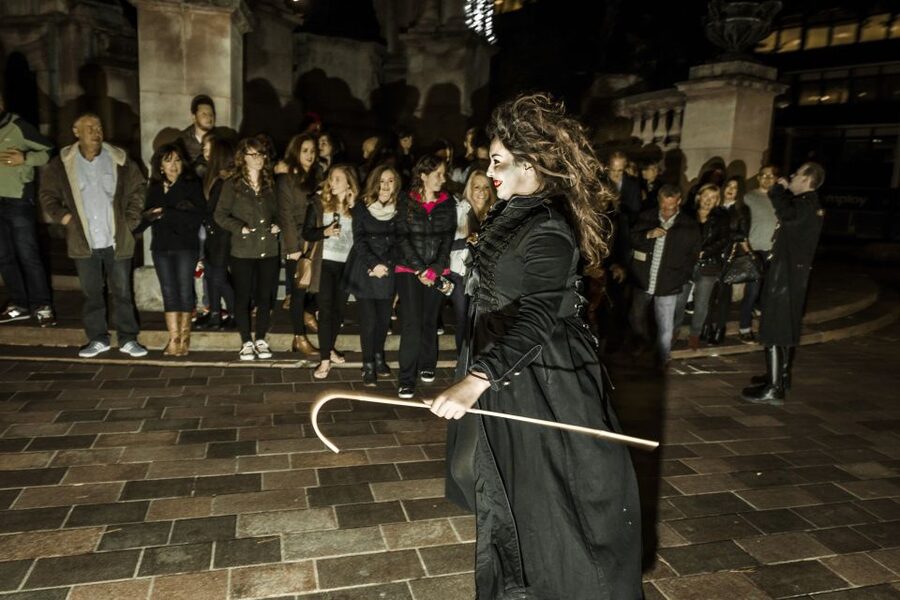
A trapdoor in Liverpool sets the mood fast. This 1.5-hour theatrical walking tour from Queen Victoria Monument mixes street-corner storytelling with exclusive access to The Dead House subterranean morgue. You’ll also walk through parts of the city’s original seven streets, led by performers who use street-theater energy to keep the pace moving.
I especially liked the theatrical, funny guide style and the way the performers pull you in without turning it into a boring lecture. I also like that you see big, impressive landmarks like Liverpool Town Hall, then get whisked into crooked back lanes where the city feels older than the maps.
One thing to consider: this tour is not for everyone. The underground stop is entered at your own risk, you need to bring a torch, and the whole vibe is not recommended if you’re squeamish or have limited mobility.
In This Review
- Key highlights you’ll feel right away
- Theatrical walking tour energy, minus the hokey stuff
- Queen Victoria Monument to Seven Streets: how the route moves
- Liverpool Town Hall and Nelson Monument, used like story props
- Entering the Church of Our Lady and St Nicholas area
- The Dead House subterranean morgue: what makes it memorable
- Theater guides like Jo: humor, participation, and timing
- Practical tips: torch, footwear, and the vibe check
- Price and value: about $26 for a 90-minute production
- Who should book this and who should skip it
- Should you book Liverpool: Theatrical History Tour and The Dead House?
- FAQ
- Where does the tour start and end?
- How long is the tour?
- How much does it cost?
- What’s included in the ticket?
- What should I bring for the underground part?
- Is The Dead House open to the public?
- Can children join?
- Is the tour suitable for wheelchair users?
- What language is the tour guide?
Key highlights you’ll feel right away
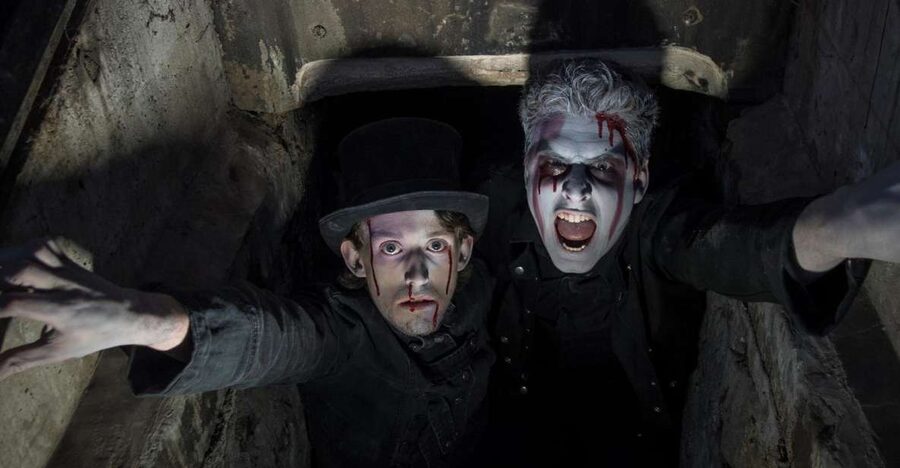
- Exclusive trapdoor access to Liverpool’s subterranean morgue at The Dead House
- Street theater storytelling that turns classic landmarks into part of the show
- Original seven streets walking route, with stops that match how the city used to flow
- Liverpool Town Hall and Nelson Monument moments that ground the darker story in real place
- The grisly history of the site, including its wartime use and how people once viewed the deceased
- A finale location reached through a medieval garden space under a Gothic spire
Theatrical walking tour energy, minus the hokey stuff
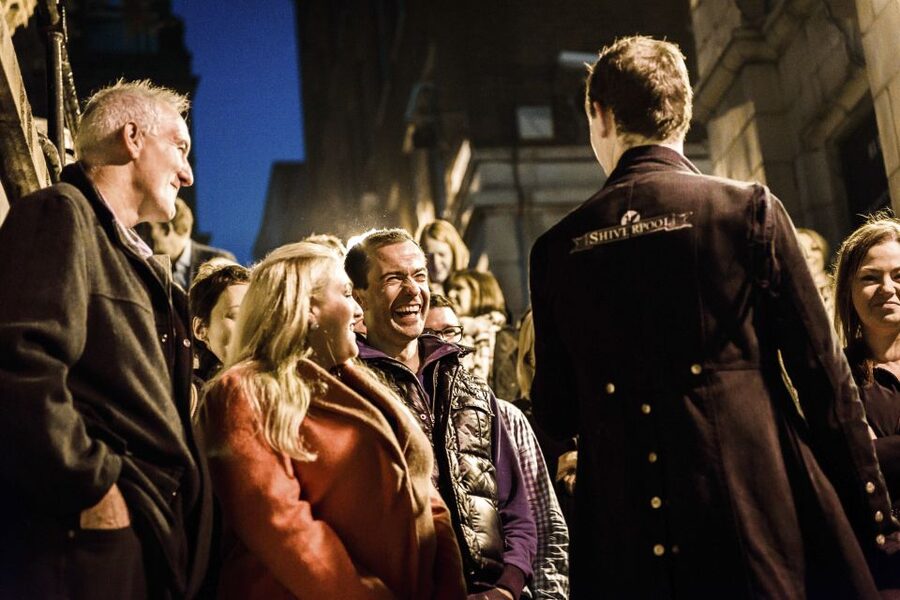
This isn’t a jump-scare ghost tour. It’s more like street theater with local history stitched into the scenes. You start in central Liverpool, then the guides steer you into both recognizable and lesser-known corners, using performance techniques to make the facts stick.
What makes it work is the balance. You get real locations, not random set dressing. And the grim parts are handled with a clear sense of timing—build-up first, then the darker payoff when you reach the undergound space.
The whole experience is also short. At 1.5 hours, it’s long enough to feel like you’ve done something special, yet quick enough that you’re not stuck late into the night without an exit plan.
You can also read our reviews of more tours and experiences in Liverpool.
Queen Victoria Monument to Seven Streets: how the route moves
Your evening kicks off at the Queen Victoria Monument on Derby Square. From there, you walk in guided segments—short pauses, then more moving—so the story keeps pace with the city. The goal is simple: you don’t just hear history. You see how Liverpool’s layout connects street life, commerce, and institutions.
During the walk, you cover Liverpool’s original seven streets. That matters because it helps you understand the city as it was meant to be walked—tight, angled, and built around daily routes rather than car-friendly grids. You’ll also get pointed attention on places tied to power and trade, including the lofty banking halls of Castle Street.
Then you shift into the more formal and grand. Liverpool Town Hall is a key stop, and it’s where the mood changes from grit and lanes to official opulence. After that, you head toward Nelson Monument, which gives you a strong visual anchor and a sense of scale before you return to the darker side streets.
Between the monuments and the finale, you’re led through crooked back alleys and lamp-lit lanes in the commercial district. It’s the kind of urban weaving that works well on foot because Liverpool rewards slow attention.
Liverpool Town Hall and Nelson Monument, used like story props
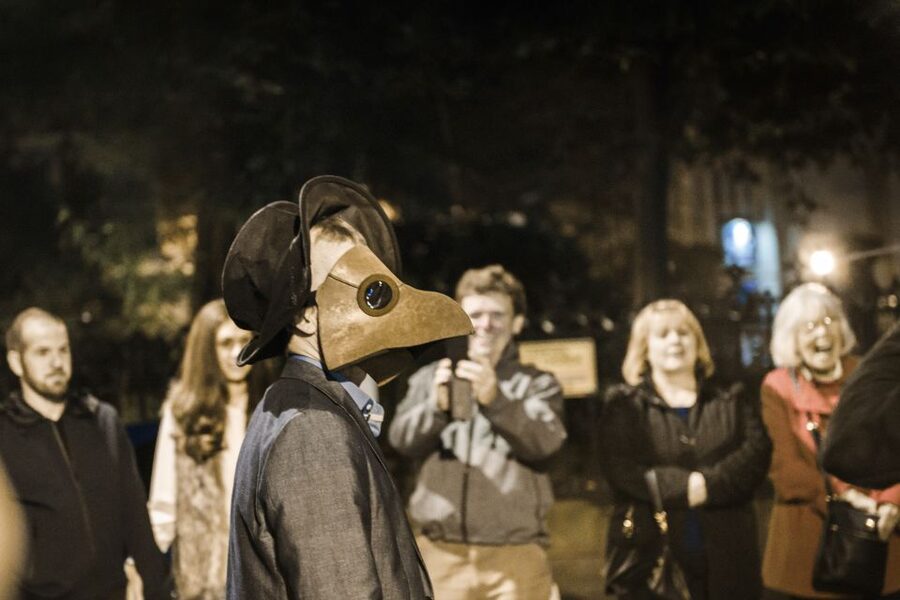
Even if you’re not the type who loves big buildings, these stops do something useful here. Town Hall gives you the contrast. You see how the city could look regal and official—then the story pulls you into the grim spaces people tried not to talk about.
Nelson Monument adds another layer. It helps you orient yourself in Liverpool’s public-symbol landscape. In a tour like this, that orientation is practical: once you’ve got the city’s major landmarks in your head, the smaller streets feel more connected and less random.
The guides also use these major sites to reset the group’s focus. Expect the performance to thread back and forth between grand public landmarks and quieter pockets that most people don’t notice while rushing by.
Entering the Church of Our Lady and St Nicholas area
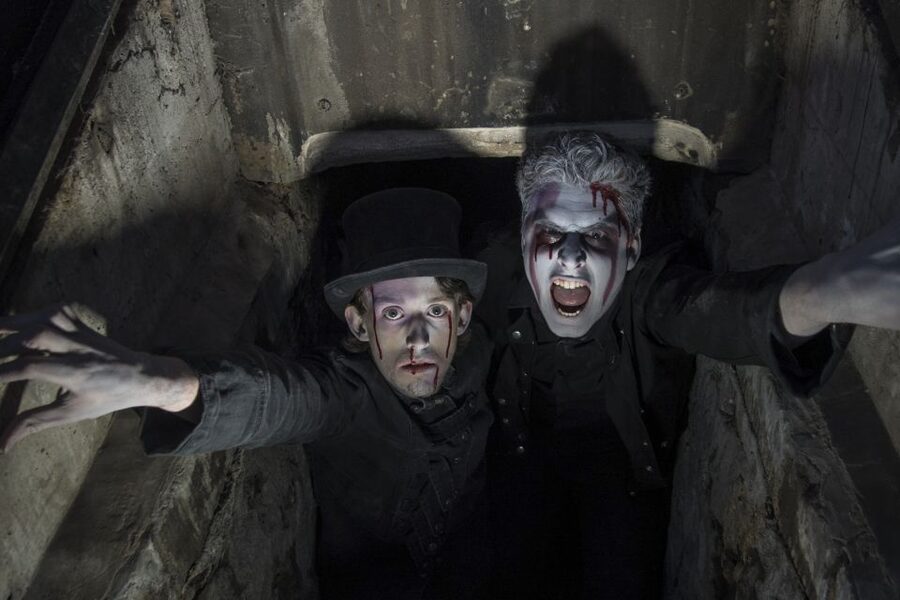
The Dead House is tied to a specific setting: it’s located within the quiet surroundings of the Church of Our Lady and St Nicholas. Even on the surface, that detail helps the story feel grounded. Instead of a Halloween-style location, you’re stepping into a real historical context where people would have passed by, not just staged a scene for tourists.
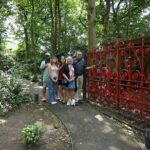
The tour’s final stretch focuses on moving toward the medieval garden space hidden beneath a Gothic spire. You enter through a trapdoor, which is exactly the kind of physical staging that makes the theatrical format feel real rather than cheesy.
This part also shapes expectations. The underground location is not open to the public, and you enter at your own risk. That means you’re not meant to treat it like a casual walk-through.
The Dead House subterranean morgue: what makes it memorable
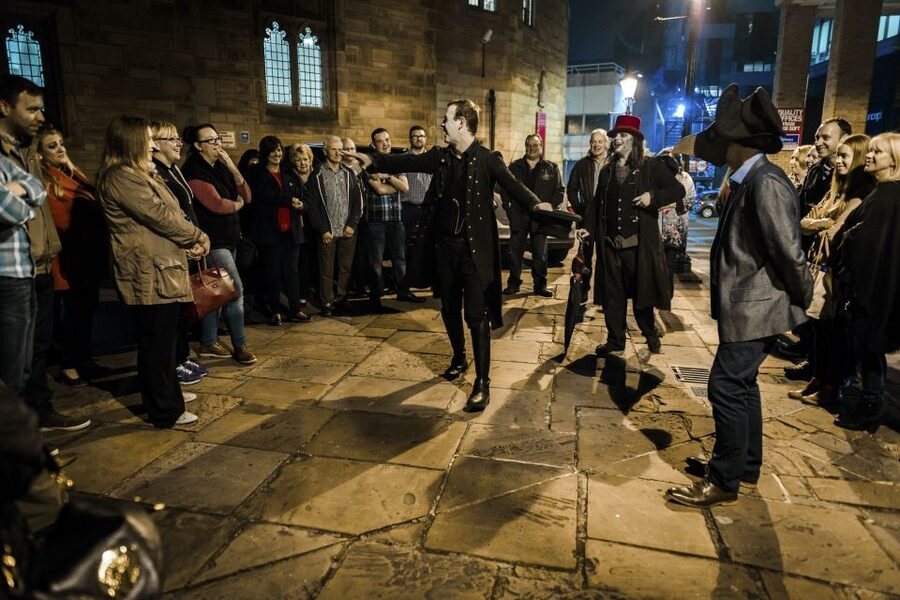
This is the headline. The tour gives you exclusive access to the underground morgue of The Dead House—an area that has remained closed to the public for over a century. You’re not just hearing about a place; you’re seeing how it was built for viewing the dead.
The story behind the site has several sharp details:
- The American author Hermann Melville named it the Liverpool Dead House, due to its gruesome reputation.
- The underground area was used as a temporary police station during World War II.
- In the 18th and 19th centuries, locals would come to peer through grim iron grates and gaze upon the faces of the deceased.
That last part is important because it explains the atmosphere. The morgue wasn’t only about death. It was about public curiosity, fear, and the way communities dealt with mortality in a time before modern systems.
You also need to know the tour isn’t meant to be comfortable. It’s not recommended for those of a delicate disposition. And because it involves an underground space with a trapdoor entrance, it’s not the tour to take if you’re dealing with mobility or balance issues.
One more detail that helps the finale feel complete: after you’ve worked through the grim interior, you end the experience with a view toward the Mersey and the Liver Building. It’s a neat visual reset after something dark.


Theater guides like Jo: humor, participation, and timing
The biggest praise centers on the guides. The performers are theatrical and funny, with a clear sense of when to keep the group laughing and when to slow down for the darker moments. You’ll get audience participation, and the best kind of participation here feels like it belongs in the story—not like forced improv.
One performer named Jo shows up repeatedly in feedback, and the tone around her is consistent: friendly, professional, and good at reading the group’s mood. The double-act dynamic also helps. When one guide builds tension, the other keeps the group moving so nobody gets bored while you’re walking between major points.
If you want a tour where the history feels like it’s happening in front of you, that’s the strength of this format. You’re not asked to “pretend” anything. The city is already dramatic; the performance just frames it.
Practical tips: torch, footwear, and the vibe check
Before you go, plan like you’re doing an evening walk with a real underground stop.
Bring your own torch. Torches aren’t included, and the underground location is part of what makes the experience work. Even if you think your phone flashlight is enough, don’t rely on it as your only light.
Wear shoes for uneven surfaces and city footpaths. This is a walking tour, and you’ll be moving in lanes and alleys before the trapdoor entrance.
Also pay attention to the rules:
- Not allowed: unaccompanied minors. Children can join, but they must be accompanied by an adult.
- Strict no smoking policy, including vapes and e-cigarettes.
- Strictly guide dogs only.
Finally, do the honest vibe check. This is family-friendly in the sense that kids can attend with an adult, but it still includes a subterranean morgue setting and grisly themes.
Price and value: about $26 for a 90-minute production
At around $26 per person for a 1.5-hour tour, this is fairly priced for two reasons.
First, you’re paying for access. Exclusive underground entry to a space that isn’t open to the general public is the sort of add-on that usually costs more than a standard walking tour.
Second, you’re paying for performance quality. Reviews consistently point to strong guides, humor, and audience involvement. With that kind of theatrical execution, the price feels like it buys time, atmosphere, and memorable storytelling—not just a route and a few facts.
If your plan is mainly museums and landmarks, this offers a different angle on Liverpool. If you love light scares, theater, and old streets, you’ll likely feel you got your money’s worth.
Who should book this and who should skip it
This works best if you:
- Like walking tours that keep moving and don’t drag.
- Want Liverpool’s big landmarks plus lesser-known lanes in one night.
- Enjoy theater-style storytelling and don’t mind dark themes.
Skip it if you:
- Need wheelchair access. It’s not wheelchair accessible.
- Struggle with limited mobility or need step-free routes. This tour is not recommended for those with limited mobility.
- Have vision limitations or want to avoid low-light/underground conditions. It’s not recommended for those with the visually impaired.
- Are very sensitive to grisly settings. The underground morgue and themes may be upsetting.
Should you book Liverpool: Theatrical History Tour and The Dead House?
If you’re in Liverpool for a short visit and want one outing that feels specific to the city, I’d book this. The Dead House component is the real differentiator—exclusive underground access plus a strong theatrical narrative.
I’d also book it if you enjoy guides who are funny and fully in character, like Jo and her co-performer style. The pacing is tight at 1.5 hours, so it’s easy to fit into a night out without turning your day into a write-off.
If you’re worried about the underground element or you know you’re not comfortable with dark, grim themes, choose a lighter option instead. This one is for people who want Liverpool’s shadows as much as its skylines.
FAQ
Where does the tour start and end?
The tour starts at Queen Victoria Monument on Derby Square, Liverpool. It finishes at 5 Old Churchyard, Liverpool L2 8GW, UK.
How long is the tour?
The tour lasts about 1.5 hours.
How much does it cost?
The price is $26 per person.
What’s included in the ticket?
You get the theatrical walking tour and exclusive access to The Dead House.
What should I bring for the underground part?
You must bring your own torch. Torches are not included, and the underground location is not open to the public.
Is The Dead House open to the public?
No. The underground location is not open to the public, and participants enter at their own risk.
Can children join?
It’s family-friendly, but unaccompanied minors are not allowed. All children must be accompanied by an adult.
Is the tour suitable for wheelchair users?
No. The tour is not wheelchair accessible, and it is not recommended for people with limited mobility.
What language is the tour guide?
The tour guide speaks English.